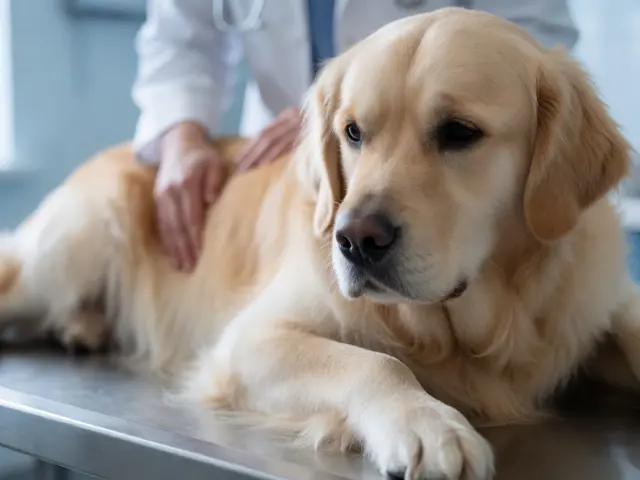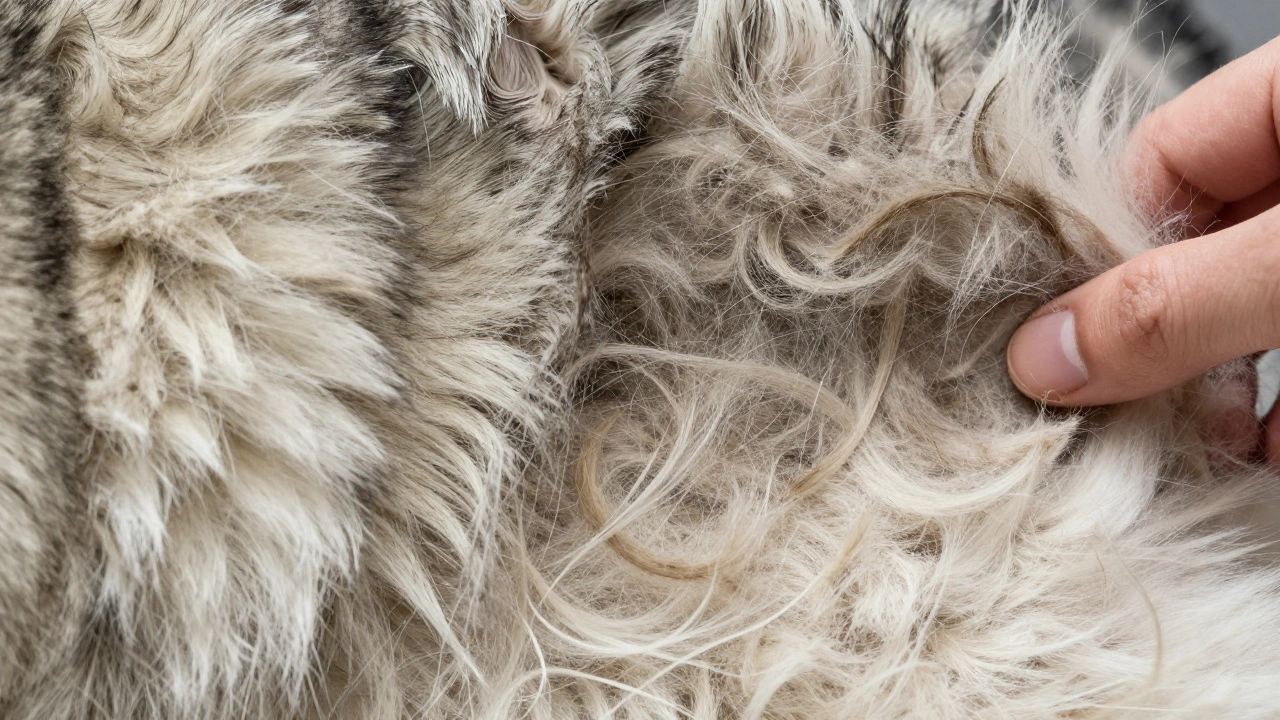
There is a moment every owner of a double-coated dog knows well. You run your hand through the thick fur of your Alaskan Malamute, expecting softness, but you feel resistance. Beneath that beautiful outer layer lies a dense undercoat ready to blow out in clumps. If you ignore it, those clumps turn into mats. If you overdo it with the wrong tools, you strip the coat’s natural protection. Getting deshedding for double-coated dogs right isn't just about aesthetics; it is about skin health, temperature regulation, and preventing painful tangles.
The instinct might be to shave them down when summer hits or to use any metal comb available. Both approaches are dangerous for breeds like German Shepherds, Golden Retrievers, and Siberian Huskies. Shaving can permanently damage their ability to regulate body heat, leading to sunburns and overheating. Using aggressive blades on a tangled coat creates friction burns. The solution lies in understanding the biology of the double coat and using specific tools at precise times.
Understanding the Double Coat Structure
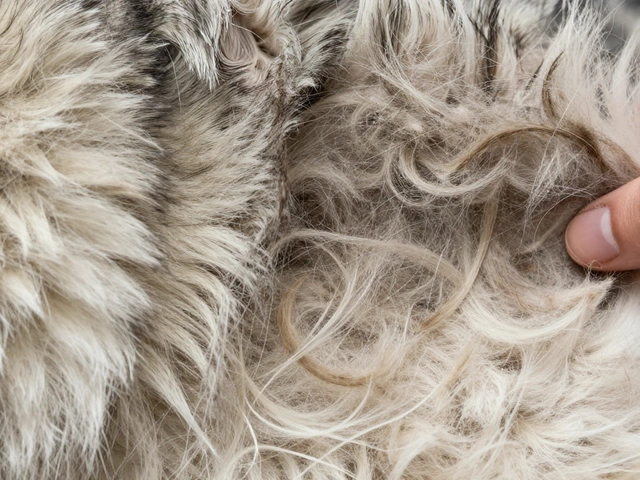
To groom effectively, you need to understand what you are dealing with. A double coat consists of two distinct layers, each serving a vital function. The topcoat, or guard hairs, is long, coarse, and water-resistant. It protects the dog from rain, debris, and UV rays. The undercoat is short, dense, and soft. Its primary job is insulation. It keeps the dog warm in winter and cool in summer by trapping air against the skin.
When the undercoat sheds, it doesn't fall out naturally like hair does in humans. It gets trapped by the longer guard hairs. This trapped dead hair forms a felt-like layer between the skin and the topcoat. This is where mats form. If left unchecked, these mats pull on the skin, restrict airflow, and create a breeding ground for bacteria and parasites. Your goal in grooming is not to remove the healthy hair but to extract only the dead undercoat before it binds together.
The Golden Window: Timing Your Grooming Sessions
Timing is everything. You cannot treat shedding as a random event; it follows biological cycles driven by daylight hours (photoperiodism) and seasonal changes. Most double-coated dogs undergo two major "blowouts" per year: one in spring to shed the heavy winter undercoat, and one in autumn to grow a thicker layer for winter.
- Spring Blowout: Usually occurs between March and May in the Northern Hemisphere. The volume of loose hair is massive. Daily brushing is non-negotiable during this period.
- Autumn Shed: Happens from September to November. The undercoat becomes denser. Regular maintenance prevents the new growth from getting tangled with old dead hair.
- Maintenance Phase: During summer and winter, shedding slows down. Weekly brushing suffices to keep the coat clean and free of minor tangles.
If you miss the early stages of a blowout, the undercoat begins to mat. Once matted, no amount of brushing will fix it without cutting. This is why consistency matters more than intensity. Ten minutes daily beats an hour once a month.
Choosing the Right Deshedding Tools
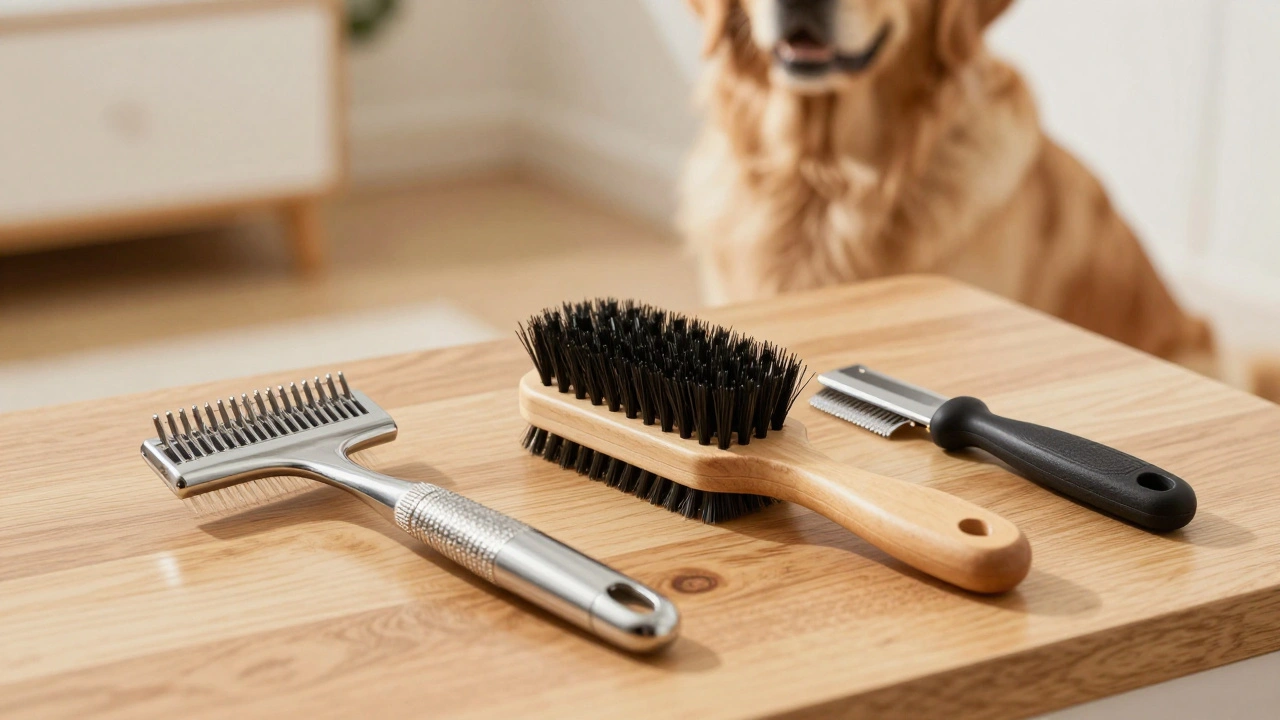
The market is flooded with grooming tools, but many are designed for single-coated breeds like Poodles or Labradors. Using a slicker brush aggressively on a double coat can break the guard hairs and irritate the skin. You need tools designed to reach the undercoat without damaging the topcoat.
| Tool Name | Best For | How It Works | Caution |
|---|---|---|---|
| Undercoat Rake | Heavy shedding periods, thick coats (Huskies, Malamutes) | Long, widely spaced teeth penetrate the topcoat to grab loose undercoat. | Do not press hard. Can scratch skin if used incorrectly. |
| Pin Brush | Daily maintenance, finishing touch | Flexible pins glide through the topcoat, loosening surface debris. | Ineffective for deep undercoat removal on its own. |
| Desedding Blade (e.g., Furminator-style) | Moderate shedding, accessible areas | A metal edge lifts and cuts loose undercoat hairs. | Can cause alopecia if used too frequently or on thin-skinned areas. |
| Slicker Brush | Tangle removal, small mats | Fine wires detangle knots. | Aggressive use breaks guard hairs. Use gently. |
The Undercoat Rake is often the most effective tool for heavy shedders. Look for one with rounded tips to protect the skin. Use it in sections, working from the neck down to the tail. For sensitive areas like the belly and inner thighs, switch to a softer pin brush or a gentle slicker. Never use a deshedding blade on the face, ears, or genitals.
The Step-by-Step Deshedding Process
Grooming is not a race. Rushing leads to missed spots and frustrated dogs. Follow this structured approach to ensure thorough cleaning without stress.
- Section the Coat: Use your hands or a comb to lift sections of hair. Start at the neck and work backward. Expose the skin line so you can see how much undercoat is coming up.
- Work in Layers: Don't try to brush the whole depth at once. Brush the top layer first to remove loose dirt. Then, part the hair deeper to access the undercoat.
- Use Long Strokes: With an undercoat rake, use long, smooth strokes in the direction of hair growth. Avoid circular motions, which can tangle the hair further.
- Check for Mats: Feel for tight spots. If you find a mat, do not pull it. Use a dematting spray or conditioner to loosen it, then gently pick it apart with a comb.
- Finish with a Pin Brush: After removing the bulk of the undercoat, go over the entire body with a pin brush to align the guard hairs and remove any remaining loose bits.
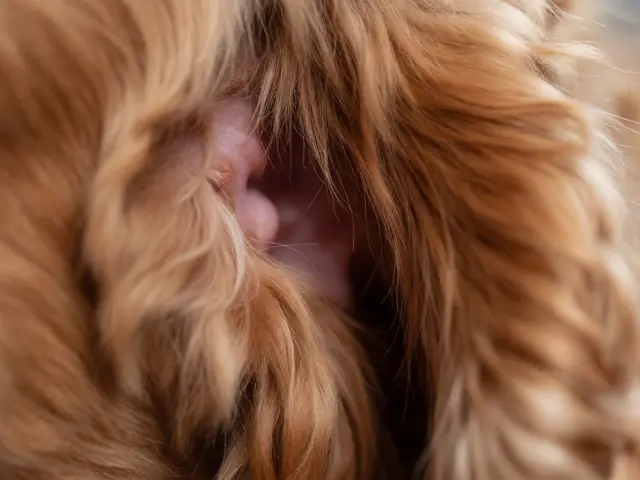
Pay special attention to high-friction areas: behind the ears, under the collar, around the tail base, and inside the legs. These spots collect moisture and debris, making them prone to rapid matting.
Nutrition and Internal Health
Tools alone won't solve a poor-quality coat. What you feed your dog directly impacts the strength and shedding cycle of their fur. A diet deficient in essential fatty acids leads to dry, brittle hair that sheds excessively and lacks elasticity.
Look for foods rich in Omega-3 and Omega-6 fatty acids. Fish oil supplements are highly recommended for double-coated breeds. They help maintain the skin's barrier function, reducing inflammation and excessive shedding. Hydration also plays a critical role. Dehydrated skin produces weaker hair follicles. Ensure your dog always has access to fresh water, especially during peak shedding seasons when they may lose more fluids through panting.
If you notice sudden, patchy hair loss or excessive shedding outside of normal seasonal windows, consult a veterinarian. Thyroid imbalances, allergies, and hormonal issues can mimic seasonal shedding but require medical treatment rather than just grooming.
Common Mistakes to Avoid
Even well-meaning owners make errors that compromise their dog's coat health. Here are the biggest pitfalls:
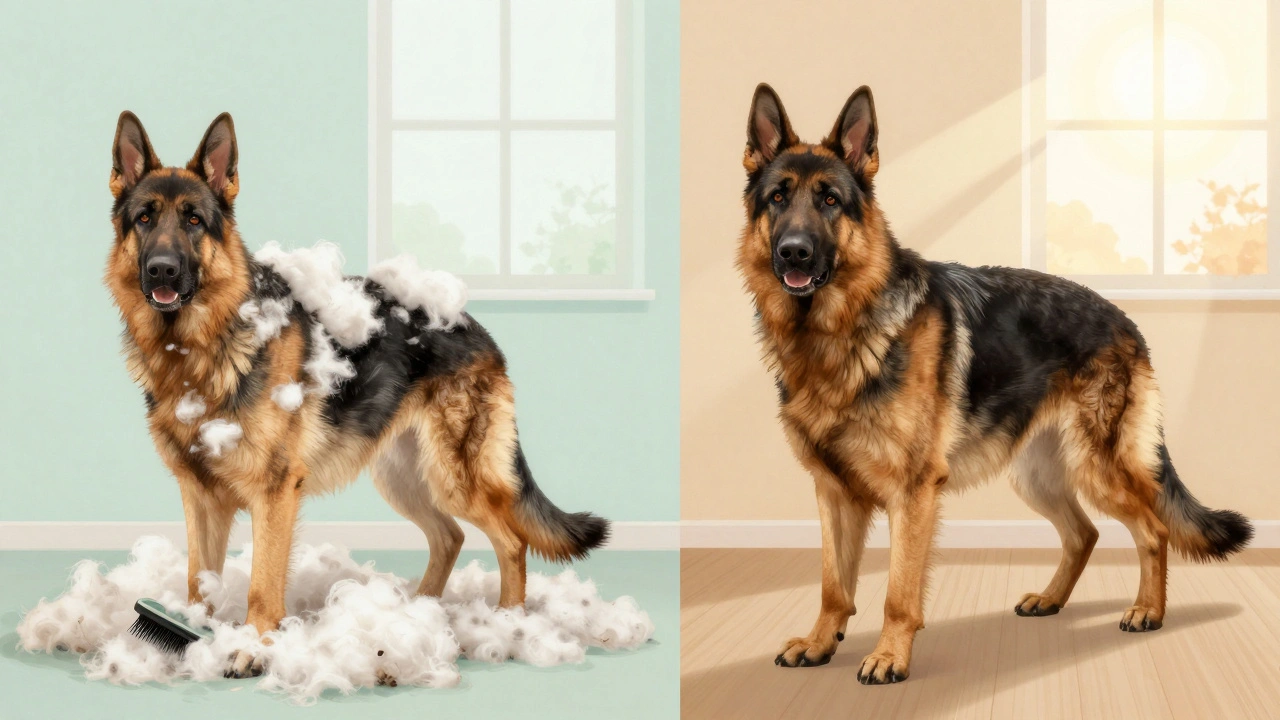
- Shaving the Coat: As mentioned, shaving removes the protective guard hairs. When the coat grows back, it often comes in soft and fuzzy, losing its weather-resistant properties. In some cases, it never returns to its original texture.
- Overusing Deshedding Blades: These tools are efficient but harsh. Using them more than once a week can strip away healthy hair along with the dead undercoat, leading to thin patches.
- Ignoring the Underbelly: Many owners focus on the back and sides, neglecting the softer fur on the belly. This area mats quickly due to contact with grass and urine.
- Bathing Too Frequently: Over-bathing strips natural oils from the skin, causing irritation and increased shedding. Bathe only when necessary, using a moisturizing shampoo formulated for double coats.
When to Seek Professional Help
Sometimes, home grooming isn't enough. If your dog is severely matted, pulling a comb through the fur causes pain. Do not attempt to cut out mats yourself unless you are experienced. Improper cutting can lead to accidental nicks and infections. A professional groomer has the skills and tools to safely de-mat or trim the coat without harming the skin.
Consider hiring a pro for the initial blowout of the season. They can remove the bulk of the undercoat efficiently, leaving you with manageable maintenance tasks. Ask for a groomer who specializes in double-coated breeds. Not all groomers understand the difference between clipping a Poodle and maintaining a Husky.
Can I shave my double-coated dog to stop shedding?
No, you should not shave a double-coated dog. Shaving damages the coat's structure, removing the protective guard hairs. This can lead to permanent coat texture changes, sunburn, and overheating because the dog loses its natural insulation. Instead, use proper deshedding tools to remove the loose undercoat.
How often should I deshed my double-coated dog?
During heavy shedding seasons (spring and fall), you should deshed daily or every other day. During maintenance months, weekly brushing is sufficient. Consistency is key to preventing mats from forming.
What is the best tool for deshedding a Husky?
An undercoat rake is generally the best tool for Huskies due to their thick, dense undercoat. It reaches deep without breaking the topcoat. Combine it with a pin brush for finishing touches. Avoid using slicker brushes aggressively, as they can damage the delicate guard hairs.
Does diet affect shedding in double-coated dogs?
Yes, diet plays a significant role. A lack of Omega-3 and Omega-6 fatty acids can lead to dry skin and excessive shedding. Supplementing with fish oil or feeding a high-quality diet rich in these nutrients can improve coat health and reduce loose hair.
Why does my dog smell after being brushed?
This is known as "dog breath" or "wet dog smell" coming from the fur. It happens because dead skin cells, dander, and trapped odors accumulate in the undercoat. Brushing releases these particles into the air. Regular grooming helps remove this buildup, keeping your dog fresher.