Quick Summary
- Pressure is your best friend; always apply firm, direct pressure to a bleeding wound.
- Avoid using cotton balls or fluffy gauze that leave fibers in the wound.
- Tourniquets are a last resort and can cause permanent nerve damage if used wrong.
- Shock is as dangerous as the bleed; keep your dog warm and calm during transport.
- Always call your vet before you leave so they can prep the emergency room.
Identifying the Type of Bleed
Before you grab the first aid kit, you need to know what you're dealing with. Not all blood is the same. If the blood is bright red and pulsing or spurting out in time with the heartbeat, you have an arterial bleed. This is the highest priority emergency because the heart is literally pumping the blood out of the body. If the blood is darker and flows steadily like a faucet, it's a venous bleed. While still serious, it's generally easier to control.
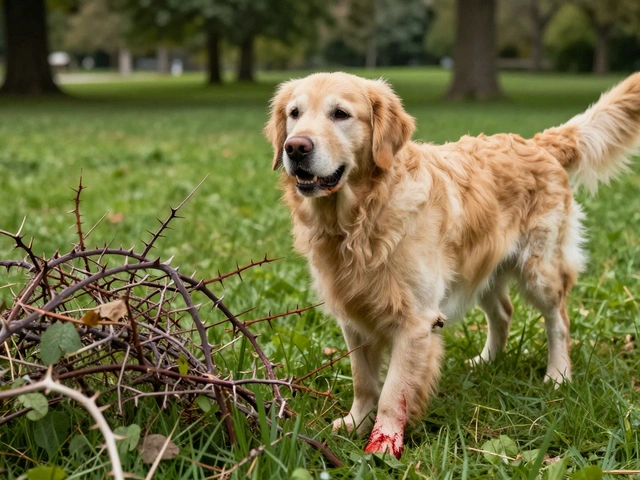
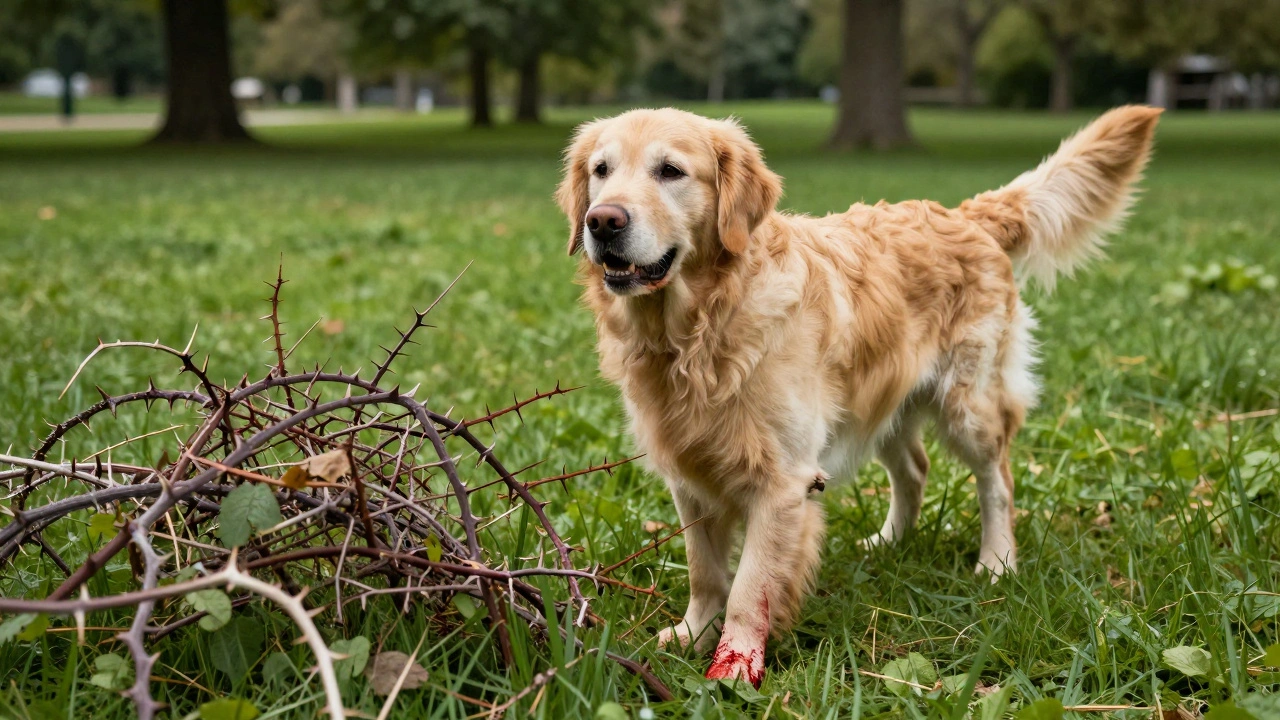
Then there are the capillary bleeds. These look like "oozing" or "road rash." They might look messy because they cover a large area, but they aren't usually life-threatening. However, a deep puncture-like a bite from another dog-is tricky. The skin might close up quickly, but the internal bleeding can be massive. This is why any deep hole in the skin requires a professional check even if the bleeding seems to have stopped.
The Golden Rule: Direct Pressure
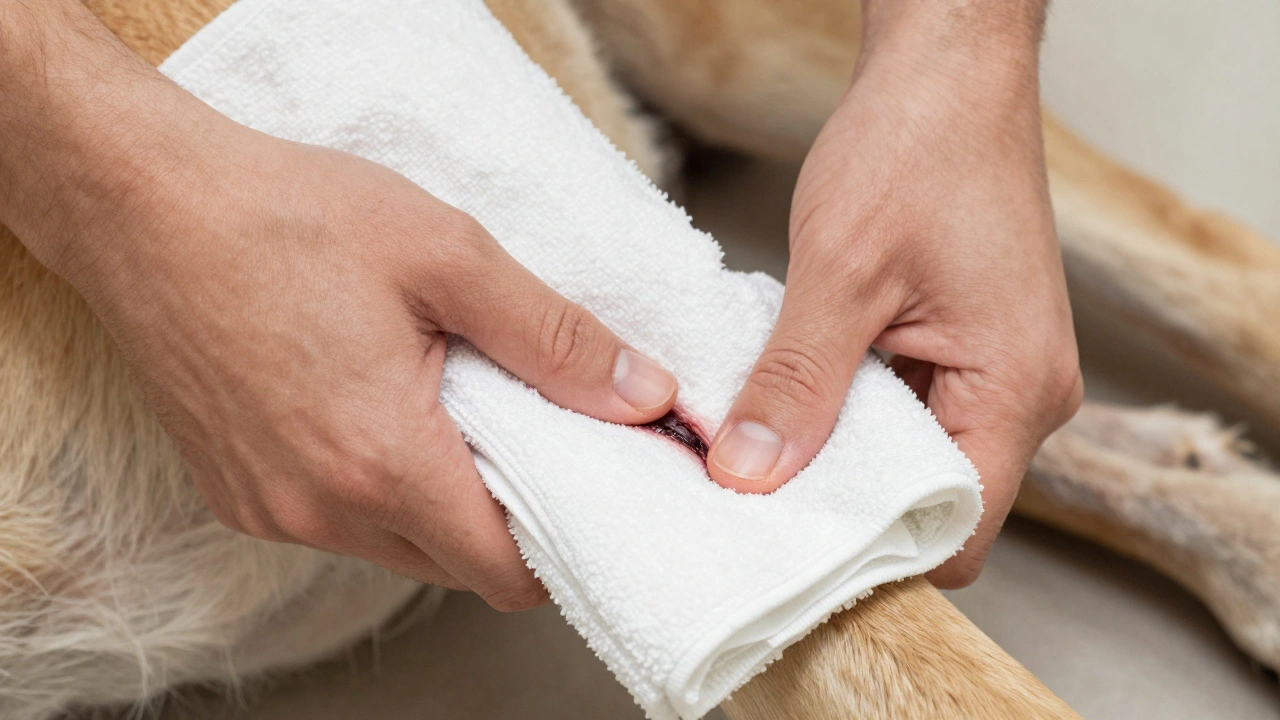
The most effective tool in dog first aid is the application of firm, constant pressure to the site of the injury to encourage clotting. Stop looking for the "perfect" bandage and just use what you have. A clean towel, a t-shirt, or even your bare hand (if you're wearing gloves) will work.
Place the cloth directly over the wound and press down hard. Do not lift the cloth to "check" if the bleeding has stopped every thirty seconds. Every time you lift the fabric, you break the fragile clot that the body is trying to build. If the blood soaks through the towel, don't remove it. Just put another towel right on top of the first one and keep pressing.
If the wound is in a spot where you can't maintain a grip, like a paw or a tail, you can use a wrap. Wrap the cloth snugly, but not so tight that you cut off all circulation to the rest of the limb. A good rule of thumb is that you should be able to fit one finger under the bandage.
| Bleed Type | Visual Cue | Priority Action | Urgency |
|---|---|---|---|
| Arterial | Bright red, spurting | Heavy direct pressure + Immediate ER | Critical |
| Venous | Dark red, steady flow | Direct pressure + Pressure wrap | High |
| Capillary | Oozing, slow | Clean and light bandage | Moderate |
| Puncture | Deep hole, intermittent | Light pressure + Vet visit | High |
When to Use a Tourniquet (and Why Not To)
You've seen movies where a belt is tied around a leg to stop a bleed. In the real world, a Tourniquet is a device used to constrict blood flow to a limb by applying strong pressure to the artery. These are high-risk tools. If you tie it too tight for too long, you risk causing tissue death (necrosis), which can lead to the amputation of the limb.
Only use a tourniquet if the dog is literally bleeding to death and direct pressure has failed. If you must use one, place it between the wound and the heart. Use a wide piece of fabric-like a scarf or a strip of cloth-rather than a thin wire or string, which can cut into the skin. Write down the exact time you applied it on the dog's forehead or a piece of tape. This tells the vet exactly how long the limb has been without oxygen.
Managing Deep Wounds and Lacerations
Once the bleeding is under control, you have to deal with the wound itself. If it's a clean cut, a gentle rinse with saline or clean water can remove surface debris. However, never pour hydrogen peroxide or rubbing alcohol directly into a deep wound. These chemicals can actually damage the healthy tissue and slow down the healing process.
For deep lacerations, your goal is to protect the area from contamination. If the wound is gaping, do not try to stitch it or glue it yourself. You might trap bacteria inside, leading to a massive abscess. Instead, cover it with a sterile gauze pad and secure it with medical tape. If the dog is determined to lick the area, you'll need an Elizabethan collar (the "cone of shame") immediately. Dog saliva is full of bacteria, and a licking dog can turn a minor cut into a surgical emergency in hours.
Dealing with Shock and Transport
Blood loss isn't the only danger; Shock is a life-threatening condition where the body is not getting enough blood flow, leading to organ failure. A dog in shock will have pale gums, rapid but shallow breathing, and may seem unusually lethargic or anxious.
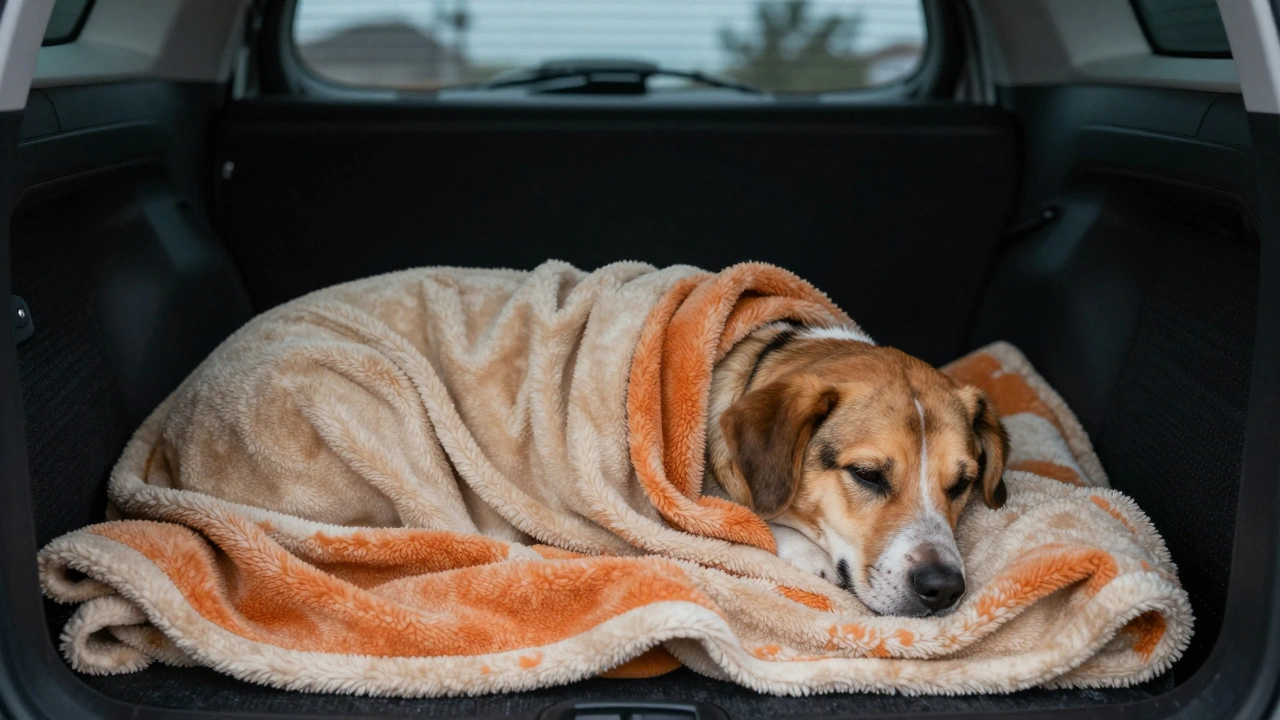
To manage shock, keep your dog warm. Wrap them in a blanket, but avoid putting heat pads directly on the skin as they can cause burns. Keep their head slightly lower than their heart to ensure blood flow to the brain. When moving them to the car, use a flat board or a heavy blanket as a stretcher to avoid twisting the injured limb or putting pressure on the wound.
While you are driving, keep talking to your dog in a calm, low voice. Your stress levels transfer to them; if you are screaming and panicking, their heart rate will increase, which in turn makes them bleed faster. Keep it quiet, keep it steady, and keep that pressure applied.
Common First Aid Pitfalls
Many owners make the mistake of using "home remedies" that do more harm than good. For example, putting flour, cornstarch, or cinnamon on a wound to stop the bleeding is a common myth. While these might clot the blood, they create a sticky mess that the vet has to scrub out of the raw tissue, which is painful for the dog and delays the actual repair.
Another common error is ignoring the "invisible" wound. A dog that has been hit by a car might have a small scratch on the leg but be bleeding internally in the abdomen. If your dog is breathing heavily or has a distended stomach after a trauma, treat it as a severe bleeding emergency even if you don't see a single drop of blood on the fur.
Can I use styptic powder on a deep wound?
No. Styptic powder is designed for small, superficial bleeds, like a torn nail. Putting it into a deep laceration or a pulsing arterial bleed is ineffective and can contaminate the wound, making it harder for the vet to clean and suture the area.
How do I know if the bandage is too tight?
Check the extremity below the bandage (like the toes). If the paw feels cold to the touch, looks swollen, or if the dog is pawing at the bandage excessively, it is likely too tight. You should be able to slide a finger under the wrap with slight resistance.
Should I clean the wound before heading to the vet?
If the bleeding is severe, do NOT prioritize cleaning. Your priority is stopping the blood loss. If the bleeding is slow or stopped, a quick rinse with clean water or saline is fine, but avoid scrubbing the wound, as this can restart the bleeding.
What should I do if my dog is biting me because of the pain?
Pain makes even the sweetest dogs bite. Use a muzzle if you have one. If not, a soft piece of fabric or a towel tied gently around the snout can work. Be careful not to obstruct their breathing, especially if they are in shock.
Is it okay to give my dog aspirin for the pain during transport?
Absolutely not. Many human painkillers, including aspirin and ibuprofen, can be toxic to dogs. More importantly, aspirin is a blood thinner. If you give it to a dog that is already bleeding, you will make the hemorrhage significantly worse and harder to stop.
Next Steps and Troubleshooting
Once you arrive at the clinic, be prepared to give the vet a clear timeline. Tell them exactly when the injury happened, how long the pressure was applied, and if you used a tourniquet. This information is critical for their triage process.
If you are in a remote area and the vet is hours away, your focus shifts to fluid maintenance. While you cannot give an IV, keeping the dog warm and calm is your best bet. If the dog is conscious and able to swallow, a small amount of water is okay, but avoid feeding them, as they will likely need surgery and should have an empty stomach for anesthesia.
After the emergency is over, build a dedicated dog first aid kit. Include sterile gauze, medical tape, a variety of bandage sizes, a muzzle, and a bottle of saline solution. Knowing where these tools are and how to use them is the difference between a scary story and a success story.