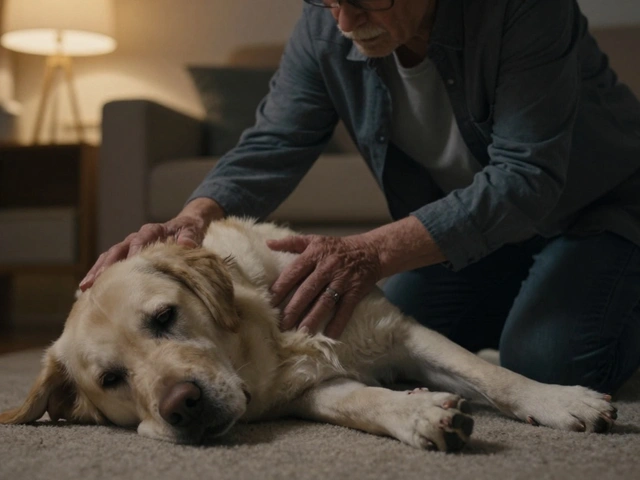
Watching your aging dog struggle to get up from the couch or hesitate before going for a walk is heartbreaking. You know movement is essential for their health, but you also know that traditional runs or high-impact play can worsen canine osteoarthritis, a condition affecting nearly half of all dogs over seven years old. The solution isn't stopping activity; it's changing how they move. Low-impact exercise maintains muscle mass, supports joint stability, and keeps your senior companion happy without the painful pounding on brittle joints.
Why Low-Impact Matters for Aging Joints
As dogs age, the cartilage that cushions their joints wears down. This leads to inflammation, stiffness, and pain. High-impact activities like jumping, sprinting, or playing fetch on hard surfaces create shockwaves that travel up the legs, aggravating sensitive joints. Low-impact exercises, by contrast, keep the heart rate up and muscles engaged while minimizing stress on the skeletal system. Think of it as lubricating the machine without grinding the gears.
The goal is to maintain mobility. When muscles around the hips, knees, and shoulders weaken, the joints take more strain. Strong muscles act as natural braces. By focusing on controlled, gentle movements, you help your dog retain strength where it counts most. Plus, regular activity helps manage weight. Every extra pound puts four times the pressure on the knee joints. Keeping your senior dog lean is one of the best things you can do for their comfort.
Swimming: The Gold Standard for Joint Relief
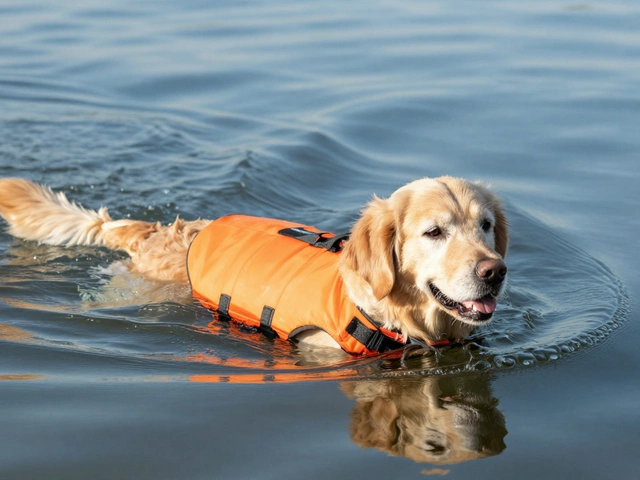
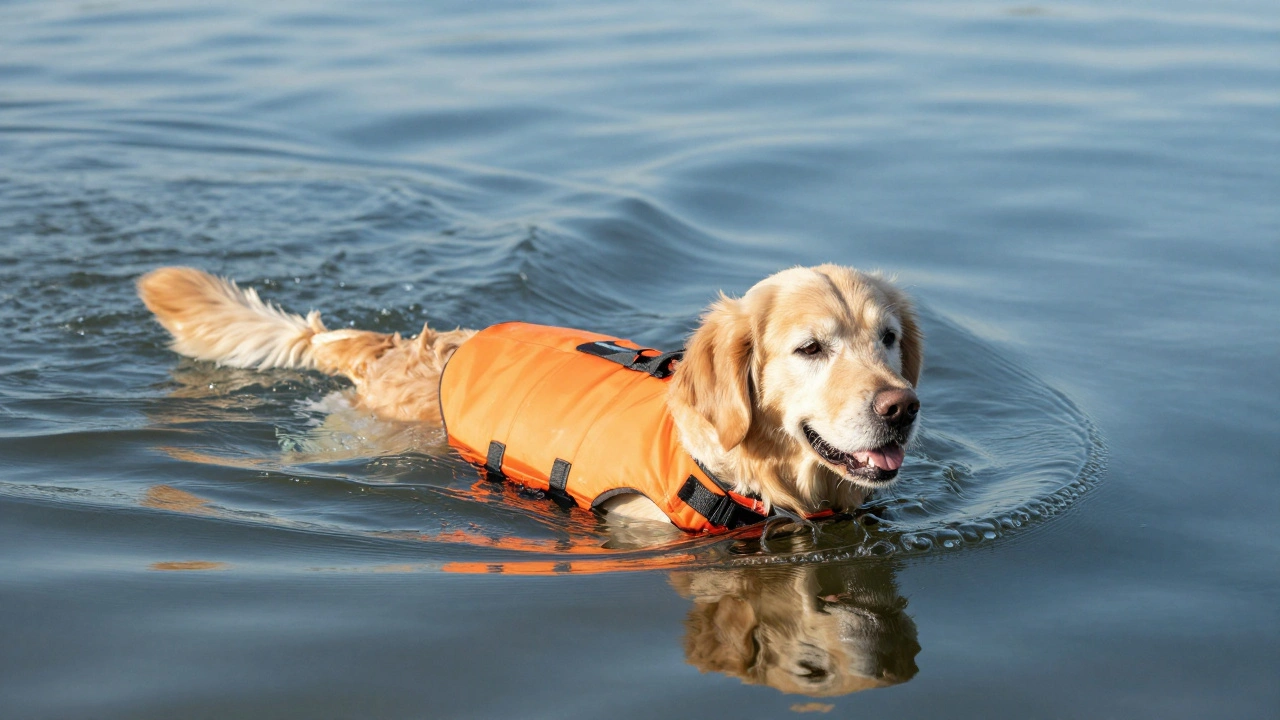
If your dog still loves water, swimming is arguably the best form of exercise for arthritic seniors. Water provides buoyancy, which supports up to 90% of your dog's body weight. This allows them to move freely without bearing full load on their joints. It’s a full-body workout that builds endurance and strength simultaneously.
| Benefit | Impact on Senior Dog |
|---|---|
| Buoyancy Support | Reduces joint compression by up to 90% |
| Muscle Building | Strengthens core and hindquarters without impact |
| Pain Reduction | Warm water soothes stiff muscles and joints |
| Cardiovascular Health | Improves heart function gently |
You don’t need a pool at home. Many veterinary rehabilitation centers offer underwater treadmills or supervised swim sessions. If you go to a lake or beach, ensure the entry is gradual-no diving in. Always use a life vest designed for dogs, especially if they’re not strong swimmers. Start with short sessions of five to ten minutes and gradually increase duration based on your dog’s energy levels.
Hill Walking vs. Flat Surfaces
Walking remains a staple of daily routine, but terrain matters immensely. Uphill walking can be beneficial because it engages the glutes and hamstrings without the jarring impact of downhill strides. However, steep inclines may strain the front legs and neck. Gentle, rolling hills are ideal. Avoid concrete or asphalt when possible; these hard surfaces transmit shock directly into the joints. Grass, dirt trails, or sand (if soft) offer better cushioning.
Downhill walking is generally harder on arthritic joints than uphill. The eccentric contraction required to control descent places significant stress on the knees and elbows. If you must walk downhill, keep it slow and controlled. Shorter, more frequent walks are better than one long trek. Two 15-minute strolls often yield better results than one 30-minute hike for a senior dog with limited stamina.
Indoor Exercises for Bad Weather Days
Rain, snow, or extreme heat shouldn’t stop your dog’s movement. Indoor exercises can be just as effective if done correctly. One simple activity is "nose work" or scent games. Hide treats around the room and let your dog sniff them out. This mental stimulation encourages physical movement without high impact. Sniffing activates the parasympathetic nervous system, reducing stress and anxiety, which can exacerbate pain perception.
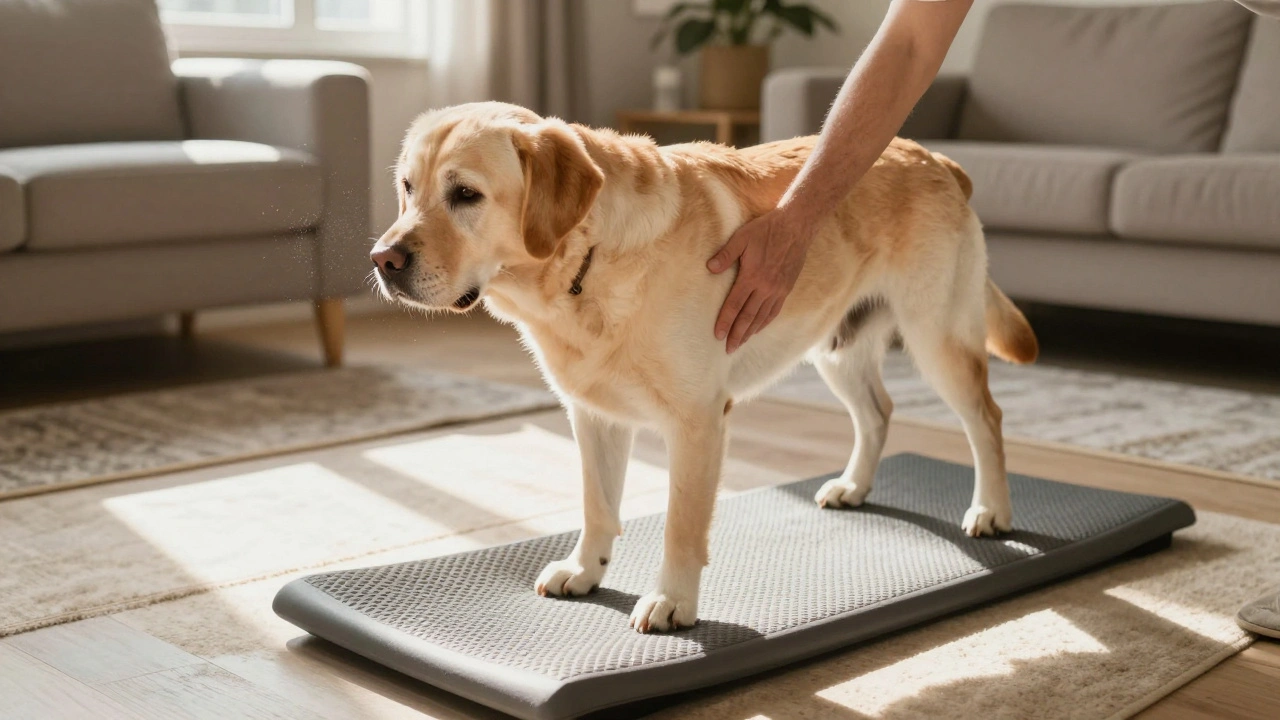
Another option is gentle stretching. With your dog standing comfortably, gently extend each leg forward, backward, and to the side. Hold each stretch for 5-10 seconds. Never force a stretch; if your dog resists or shows discomfort, stop immediately. These passive range-of-motion exercises help maintain flexibility and reduce morning stiffness. You can also try balance exercises using a firm pillow or a low balance pad. Encourage your dog to stand on the unstable surface for a few seconds. This engages core stabilizer muscles, improving overall coordination.
Hydrotherapy and Underwater Treadmills
For dogs with severe mobility issues, professional hydrotherapy offers targeted benefits. An underwater treadmill allows your dog to walk at a controlled speed while submerged in waist-deep water. The resistance of the water builds muscle tone, while the buoyancy protects the joints. Therapists can adjust water depth and belt speed to match your dog’s specific needs. This method is particularly useful for post-surgical recovery or managing advanced arthritis.
Many rehab clinics also offer laser therapy or therapeutic ultrasound alongside hydrotherapy. These modalities reduce inflammation and promote tissue healing. While costlier than home exercises, they provide measurable improvements in gait and pain scores. Consult your veterinarian to see if your area has certified canine rehabilitation specialists.

Signs Your Dog Is Overexerted
It’s easy to push too hard, wanting to see progress. But overexertion can set back recovery. Watch for these warning signs:
- Limping or favoring one leg after exercise
- Excessive panting that doesn’t resolve within 15 minutes
- Reluctance to move or lie down afterward
- Whining or vocalizing during activity
- Stiffness lasting more than an hour post-exercise
If you notice any of these, cut the session short and apply ice packs to affected joints for 10-15 minutes. Rest is part of the process. Listen to your dog’s body language. They’ll tell you when enough is enough.
Nutrition Supporting Joint Health
Exercise works best when paired with proper nutrition. Omega-3 fatty acids, found in fish oil supplements, have anti-inflammatory properties that can reduce joint swelling. Glucosamine and chondroitin support cartilage repair. Ensure your senior dog’s diet includes adequate protein to maintain muscle mass. Talk to your vet about adding a joint-support supplement tailored to your dog’s weight and condition.
Weight management is critical. Even a small amount of excess fat increases joint stress. Measure meals accurately and limit treats. Choose low-calorie options like carrots or green beans instead of high-fat snacks. Regular weigh-ins help track progress.
Creating a Consistent Routine
Consistency beats intensity. Daily short sessions are far more effective than occasional long workouts. Aim for two to three low-impact activities per day. Morning walks can loosen stiff joints, while evening nose work provides mental engagement. Keep a log of your dog’s activity and pain levels. Note which exercises seem to help and which cause discomfort. Adjust accordingly.
Involving your whole family ensures everyone understands the importance of gentle handling. Teach visitors to pet your dog calmly rather than pulling them into play. Create a safe environment with non-slip rugs and ramps instead of stairs. Small changes make a big difference in quality of life.
How much exercise does a senior dog with arthritis need?
Most senior dogs benefit from 20-30 minutes of low-impact exercise daily, split into shorter sessions. Adjust based on your dog’s energy level and pain response. Quality matters more than quantity.
Can I walk my arthritic dog on hot pavement?
No. Hot pavement can burn paw pads and increase joint inflammation due to heat transfer. Walk during cooler parts of the day, choose grassy areas, or opt for indoor exercises.
Is swimming safe for all senior dogs?
Swimming is generally safe, but some dogs dislike water or have ear infections. Always introduce water gradually, use a life vest, and consult your vet if your dog has respiratory issues.
What supplements help with joint pain in older dogs?
Omega-3 fatty acids, glucosamine, chondroitin, and MSM are commonly recommended. Discuss dosage and brand quality with your veterinarian to ensure safety and efficacy.
How do I know if my dog’s pain is worsening?
Watch for increased limping, reluctance to jump or climb stairs, changes in appetite, or behavioral shifts like irritability. If symptoms persist beyond a day or two, seek veterinary advice.