Choosing a dog isn’t like picking out a shirt. You can’t just grab the first one that looks cute and hope it works. A dog lives 10 to 18 years. That’s a decade of walks, vet bills, chewed shoes, and morning cuddles. If you pick wrong, everyone suffers - you, the dog, maybe even your neighbors. The key isn’t finding the most popular breed. It’s finding the breed that fits your life.
Stop Falling for Instagram Dogs
Social media is full of fluffy Pomeranians in sweaters and sleek Greyhounds sprinting through fields. Cute? Yes. Practical? Often not. Many people choose breeds based on looks alone - then get stuck with a dog that needs six hours of exercise a day or sheds so much they need a vacuum on standby. The breed you fall in love with online might be the worst match for your apartment, your work schedule, or your kids.Real dog ownership isn’t about aesthetics. It’s about energy, space, time, and tolerance. A Shiba Inu might look like a fox from a fantasy novel, but if you’re gone 10 hours a day, that dog will howl, dig, and chew your couch. A Golden Retriever might seem like the perfect family pet - until you realize they need daily swimming, brushing, and mental stimulation just to stay calm.
Ask Yourself These Four Questions
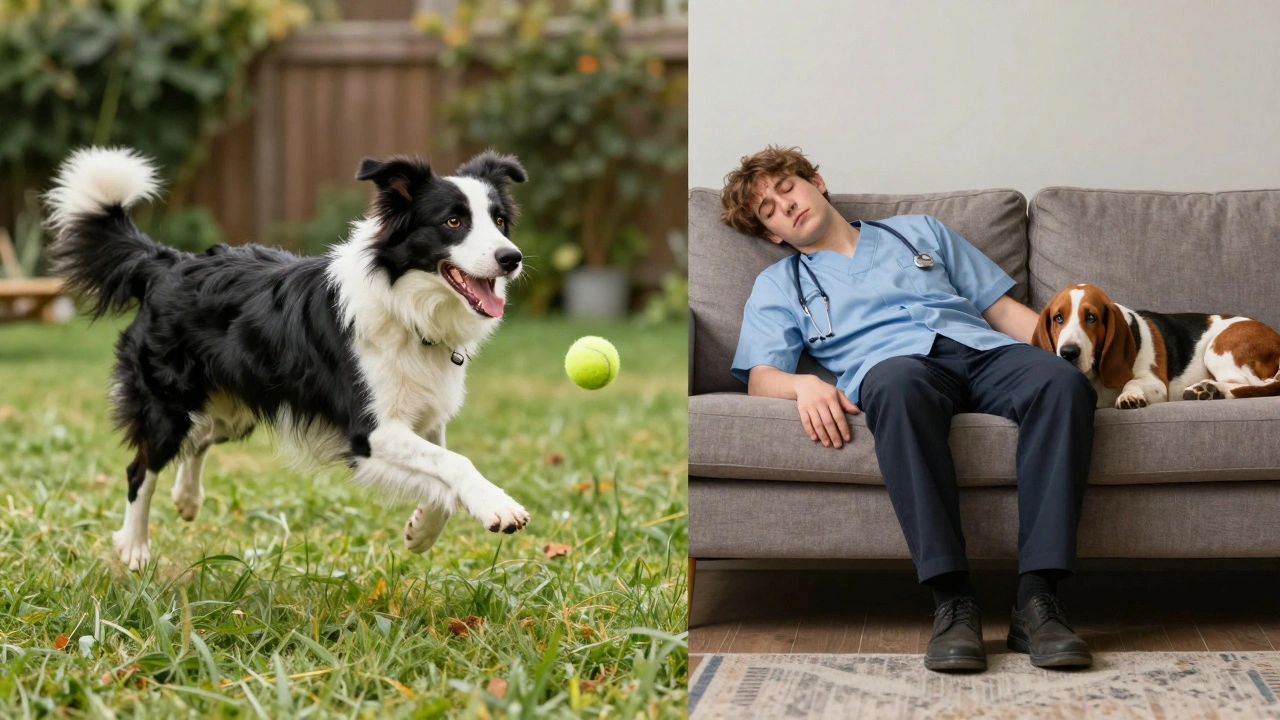
Before you even look at a puppy, answer these honestly:- How much time do you really have? Some dogs nap 18 hours a day. Others need a 10-mile hike before breakfast. If you work 9-to-5 and come home exhausted, a Border Collie isn’t your friend. A Basset Hound? Maybe. A Cavalier King Charles Spaniel? Definitely.
- How much space do you have? Big dogs don’t always need big yards. A Great Dane can live in a studio if you walk them enough. But a high-energy terrier in a 500-square-foot apartment? That’s a recipe for destroyed baseboards and sleepless nights.
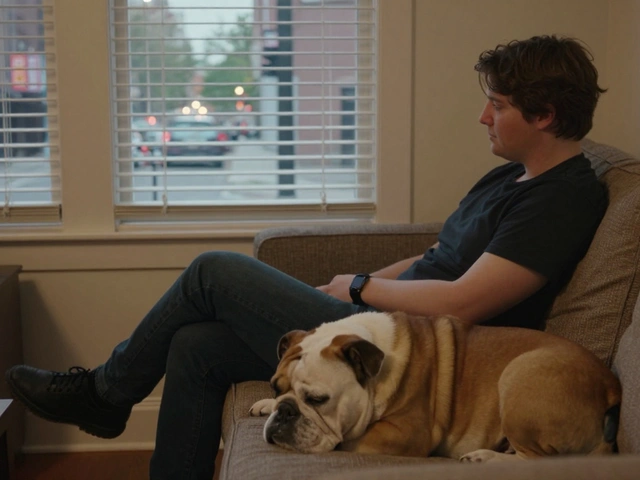
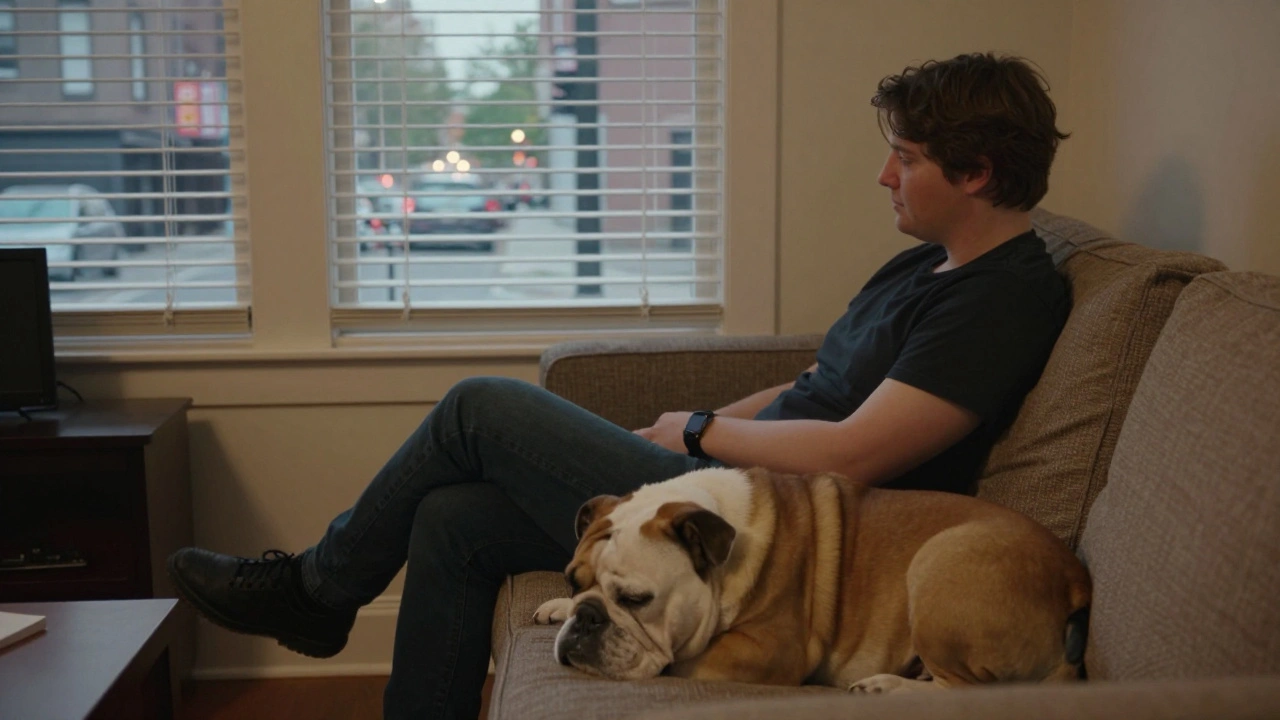
- Can you handle mess? Some breeds shed like snowstorms. Others drool like a leaky faucet. Poodles barely shed - but they need haircuts every six weeks. Bulldogs? They snore, fart, and slobber. If you hate cleaning, skip the droolers.
- What’s your patience level? Some dogs learn fast. Others take months to figure out "sit." A German Shepherd might obey instantly. A Bichon Frise? Might take 50 treats and three weeks. If you get frustrated easily, pick a breed known for being easy to train.
Match Your Lifestyle to Real Breed Traits
Forget stereotypes. A Labrador isn’t automatically good with kids. A Chihuahua isn’t always a lap dog. Here’s what actually matters:
| Life Situation | Best Breeds | Avoid These |
|---|---|---|
| Live in an apartment, work full-time | Bulldog, Shih Tzu, French Bulldog, Greyhound | Border Collie, Australian Shepherd, Jack Russell Terrier |
| Active outdoors, hike or run daily | German Shorthaired Pointer, Labrador Retriever, Siberian Husky | Pekingese, Pug, Boston Terrier |
| Have young kids | Golden Retriever, Beagle, Boxer, Staffordshire Bull Terrier | Chihuahua, Shar-Pei, Akitas |
| Allergic to dander | Poodle, Bichon Frise, Maltese, Schnauzer | Labrador, Golden Retriever, German Shepherd |
| Want a quiet, calm dog | Basset Hound, Bulldog, Bernese Mountain Dog | Beagle, Border Collie, Jack Russell Terrier |
Notice how some breeds show up in multiple categories? That’s because they’re adaptable. But others? They’re specialists. A Greyhound might be perfect for your apartment - but only if you’re okay with 10 minutes of sprinting once a day. A Beagle? Great for families. But if you hate barking, you’ll hate the Beagle.
Adoption vs. Breeder: The Hidden Factor
Most people assume breeders are the only way to get a purebred. But shelters have purebreds too - maybe 25% of dogs in shelters are purebred. And here’s the truth: mixed-breed dogs often live longer, cost less, and have fewer health issues. A Labrador-Poodle mix (a Labradoodle) might be calmer than either parent breed. A terrier mix might be smarter than a purebred Jack Russell.
But if you’re set on a purebred, don’t just pick the first breeder you find. Ask:
- Do they test parents for hip dysplasia, eye disease, or heart conditions?
- Can you meet the puppy’s parents?
- Do they let you visit the home? (Reputable breeders do.)
- Do they ask you questions about your lifestyle?
If they hand you a puppy without a single question - walk away. They’re not breeders. They’re puppy sellers.

Don’t Ignore the Teen Years
Dogs aren’t puppies forever. Most breeds hit a rebellious phase between 8 months and 2 years. That’s when the sweet puppy turns into a chewer, a jumper, a barker, or a door-dasher. A Labrador might seem perfect at 10 weeks. At 14 months? It’s 70 pounds of energy with no off switch.
If you’re not ready for that phase - if you’ll panic when your dog destroys the couch - then pick a breed known for staying calm. Or better yet, adopt a dog that’s already past the teenage years. Many shelters have 2- to 4-year-old dogs that are house-trained, calm, and just waiting for a home.
What You Should Do Next
Stop scrolling. Stop buying dog sweaters. Do this instead:
- Write down your answers to the four questions above.
- Find three breeds that match your lifestyle from the table.
- Watch 10 minutes of videos of those breeds doing daily life - sleeping, walking, playing, reacting to strangers.
- Visit a local shelter. Talk to the staff. Ask: "Which dogs here are calm, house-trained, and good with quiet homes?"
- Spend time with at least two dogs - not just pet them. Sit with them. See how they react when you leave the room.
The right dog won’t make you feel like you’re doing a favor. It’ll feel like the dog chose you.
What’s the best dog breed for a first-time owner?
The best breed for a first-time owner is one that’s easy to train, low-maintenance, and calm. Poodles (especially Miniature or Standard), Bichon Frises, and Cavalier King Charles Spaniels are top picks. They’re smart, affectionate, and adapt well to different homes. Avoid high-energy breeds like Border Collies or terriers. They need experienced handlers. If you’re unsure, adopt a 2- to 4-year-old dog from a shelter - they’re often already house-trained and past the wild puppy stage.
Can I keep a large dog in an apartment?
Yes, you can - but only if you’re willing to walk them daily and give them mental stimulation. Large dogs like Great Danes, Mastiffs, and even Greyhounds often sleep 18 hours a day and don’t need a yard. What they need is long walks, not space. The real issue isn’t size - it’s energy. A 90-pound dog that’s calm and low-energy is easier to manage in an apartment than a 40-pound terrier that barks at every leaf blowing by.
Are mixed-breed dogs healthier than purebreds?
Generally, yes. Mixed-breed dogs have more genetic diversity, which lowers the risk of inherited diseases like hip dysplasia, heart conditions, or eye problems. Purebreds are often bred for looks, not health. That’s why many purebred Bulldogs have breathing issues or German Shepherds develop arthritis early. Mixed breeds still get sick - but studies show they live longer on average. That doesn’t mean all purebreds are unhealthy - just that you need to choose breeders who test for health issues.
What breed is best for someone with allergies?
No dog is truly hypoallergenic, but some produce less dander and shed minimally. Poodles, Bichon Frises, Maltese, Schnauzers, and Portuguese Water Dogs are top choices. They have hair instead of fur, which means less shedding. But even these dogs need regular grooming - every 4 to 6 weeks - to keep dander under control. Wash your hands after petting, keep the dog out of your bedroom, and use a HEPA filter. Allergy tests with the specific breed before bringing one home are the best way to be sure.
How do I know if a dog is a good fit for my kids?
Look for breeds known for patience, tolerance, and gentle play. Golden Retrievers, Beagles, Boxers, and Staffordshire Bull Terriers are reliable choices. Avoid small, yappy breeds like Chihuahuas or Pomeranians - they can get scared or nippy around loud kids. Also, watch how the dog reacts when kids run, scream, or hug tightly. A good dog will stay calm, not flinch or growl. Never leave young kids alone with any dog - even the sweetest one.