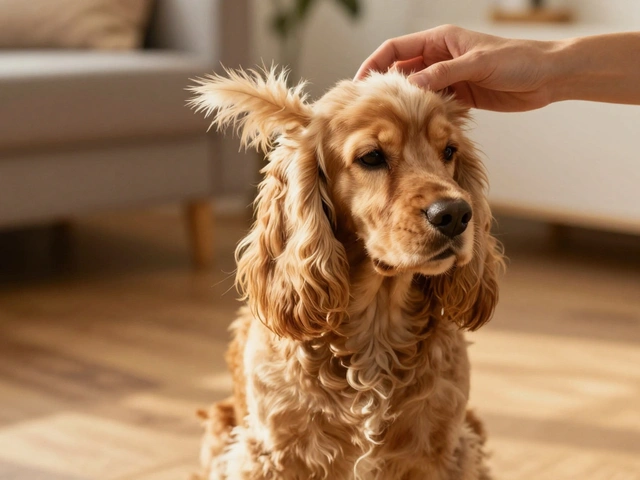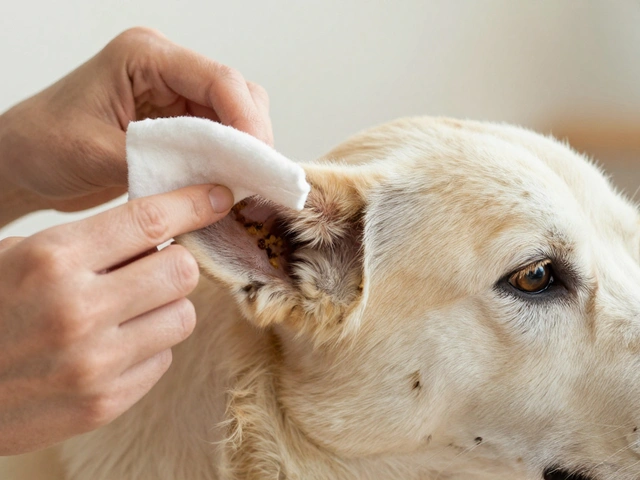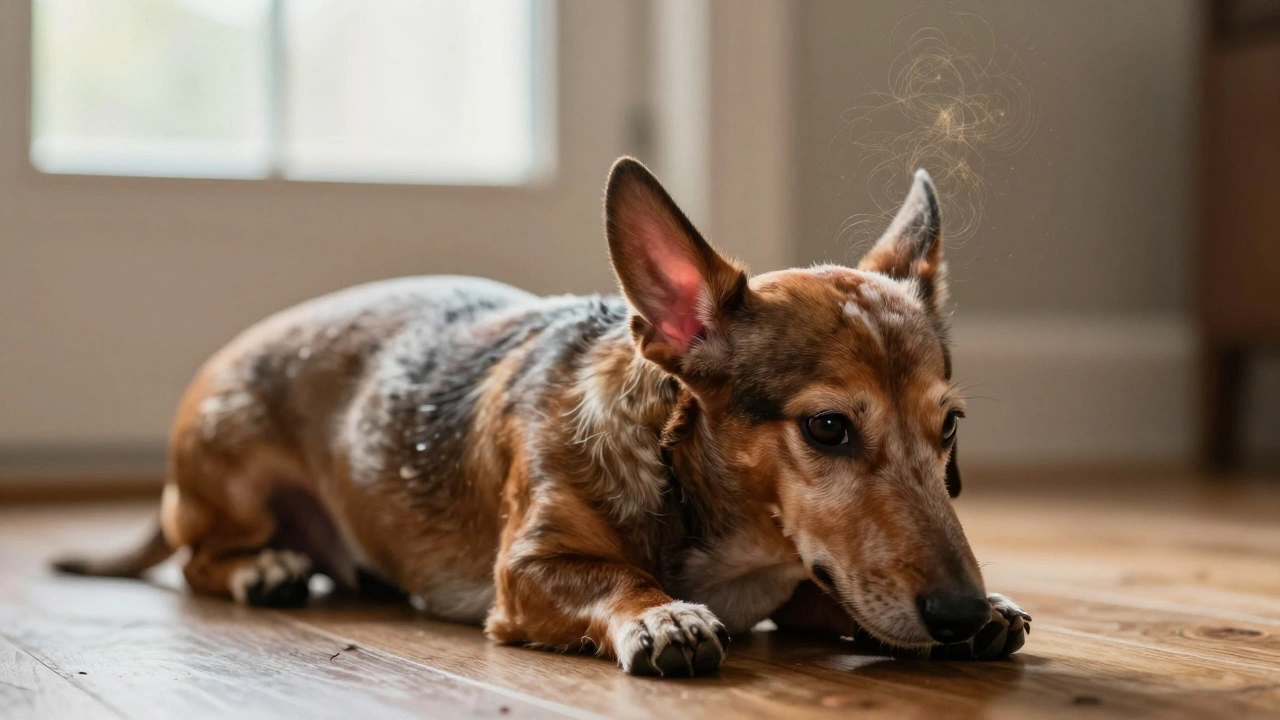
When your dog keeps scratching their ears, shaking their head, or smells like sour cheese, it’s easy to blame a simple ear infection. But if those infections keep coming back-no matter how many times you clean them or what antibiotics you try-you might be missing something bigger. In older dogs, especially breeds like Poodles, Dachshunds, or Beagles, recurring ear infections can be a red flag for Cushing’s disease. This isn’t just a skin or ear problem. It’s your dog’s body drowning in its own stress hormones.
What Is Cushing’s Disease in Dogs?
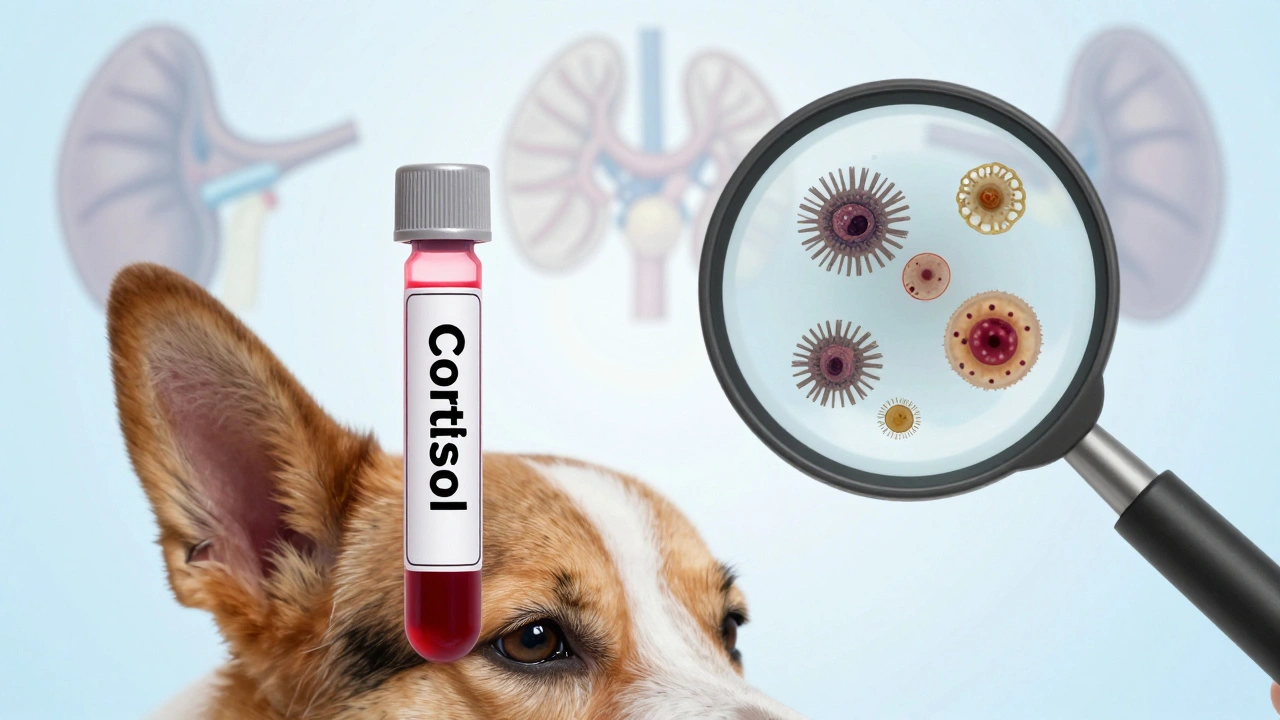
Cushing’s disease, also called hypercortisolism, happens when a dog’s body makes too much cortisol. Cortisol is a hormone your dog’s adrenal glands produce naturally. It helps with stress response, blood sugar control, and immune function. But when it’s too high for too long, it starts breaking down your dog’s body instead of protecting it.
This condition usually shows up in dogs over 7 years old. About 80% of cases come from a small, non-cancerous tumor on the pituitary gland in the brain. The rest are caused by tumors on the adrenal glands themselves. Either way, the result is the same: cortisol floods the bloodstream.
Signs aren’t always obvious at first. You might notice your dog drinking more water, peeing more, or having a pot-bellied look. Their fur gets thin, especially along the back. They seem tired all the time. But one of the most common-and often ignored-early signs? Recurring ear infections.
Why Cushing’s Disease Leads to Ear Infections
Your dog’s ear canal is warm, dark, and moist. That’s perfect for yeast and bacteria to grow. Normally, your dog’s immune system keeps those germs in check. But cortisol weakens that defense.
High cortisol levels suppress white blood cells. That means your dog’s body can’t fight off the yeast (Malassezia) and bacteria (Staphylococcus) that live naturally in their ears. These germs multiply fast. The ear canal swells. Wax builds up. The skin gets itchy, red, and inflamed.
On top of that, Cushing’s causes your dog’s skin to thin out. The natural oils that protect the ear canal get out of balance. The skin becomes more prone to cracking and infection. Some dogs even develop blackheads or dark, greasy patches around their ears.
And here’s the cruel twist: most vets treat the ear infection like it’s a standalone issue. They prescribe ear drops, clean the canal, and send you home. It clears up for a few weeks. Then it comes back. And again. And again. Each time, the infection gets harder to treat. The germs adapt. The ear canal narrows. The pain gets worse.
How to Spot the Real Problem
If your dog has had three or more ear infections in a year-and you’ve tried everything-it’s time to think beyond the ear canal.
Look for these patterns:
- Ear infections that don’t fully respond to antibiotics or antifungals
- Other skin issues like hair loss, darkening skin, or slow-healing sores
- Increased thirst and urination-your dog is drinking from the faucet and peeing on the lawn
- Increased appetite but no weight gain-or even weight loss
- Muscle weakness, especially in the hind legs
These aren’t random symptoms. They’re the fingerprint of excess cortisol.
One study from the University of California, Davis found that 32% of dogs with recurrent ear infections tested positive for Cushing’s disease. That’s more than one in three. And most of those dogs had no other obvious signs until their ears kept failing to heal.
What the Vet Will Do
Your vet won’t jump to a Cushing’s diagnosis right away. They’ll start with a basic blood panel. Look for high liver enzymes (ALP), high cholesterol, and low kidney values. These are common clues.
Then comes the ACTH stimulation test or the low-dose dexamethasone suppression test. These aren’t cheap, but they’re the gold standard. They measure how your dog’s body responds to artificial hormone triggers. If cortisol stays sky-high, Cushing’s is confirmed.
Some vets will also do an abdominal ultrasound to check for adrenal tumors. But even if the tumor is on the pituitary gland (which is more common), treatment still works the same way.
Treatment Options
There are two main drugs used to treat Cushing’s in dogs: Trilostane and Mitotane.
Trilostane (brand name Vetoryl) is the most common. It blocks the enzyme that makes cortisol. It’s given once or twice daily. Most dogs show improvement in 2-4 weeks. Their drinking and urination go down. Their skin starts to heal. Ear infections stop coming back.
Mitotane is older and more aggressive. It literally kills off cortisol-producing cells. It’s harder to dose safely and requires close monitoring. Most vets now prefer Trilostane unless there’s a specific reason not to.
Both drugs need regular blood tests. Too little, and the disease creeps back. Too much, and your dog can get dangerously sick. The goal isn’t to eliminate cortisol-it’s to bring it back to a normal range.
For dogs with adrenal tumors, surgery is an option. But it’s risky and expensive. Most owners choose medication.
Managing Ear Infections During Treatment
Even while your dog is on medication, you still need to care for their ears. Cortisol levels take time to stabilize. In the meantime, infections can still flare.
Here’s what works:
- Use a vet-approved ear cleaner with chlorhexidine or miconazole. Avoid alcohol-based cleaners-they dry out the skin.
- Don’t over-clean. Twice a week is enough. Daily cleaning can irritate the ear canal.
- Wipe gently. Never stick cotton swabs deep into the ear. You’ll just push debris further in.
- Keep the area dry. After baths or swims, dry the ears thoroughly with a soft towel.
- Watch for odor. A sweet, musty smell means yeast is winning. A foul, rotten smell means bacteria are taking over.
Some dogs need ongoing ear meds. Your vet might prescribe a maintenance solution to use once a week after the infection clears.
What to Expect Long-Term
Cushing’s disease isn’t curable-but it’s manageable. Most dogs live 2-3 years after diagnosis, and many live longer with good care. The key is consistency.
Once cortisol levels stabilize, your dog’s energy improves. Their coat thickens. Their skin heals. And the ear infections? They stop returning.
One owner in Portland shared her story: her 11-year-old Bichon, Luna, had 12 ear infections in 18 months. After testing, she had Cushing’s. Within six weeks of starting Trilostane, Luna stopped scratching. By three months, her ears were clear. No more antibiotics. No more vet bills. Just a happy dog who could finally nap without itching.
When to Worry
Not every ear infection means Cushing’s. But if your dog fits this profile:
- Age 7 or older
- Recurrent infections (3+ in a year)
- Other symptoms like increased thirst, appetite, or lethargy
Don’t wait. Ask your vet for a Cushing’s screening. Early detection means better outcomes-and fewer painful ear cleanings for your dog.
It’s easy to treat the symptom. But when the symptom keeps coming back, it’s not a symptom anymore. It’s a warning.