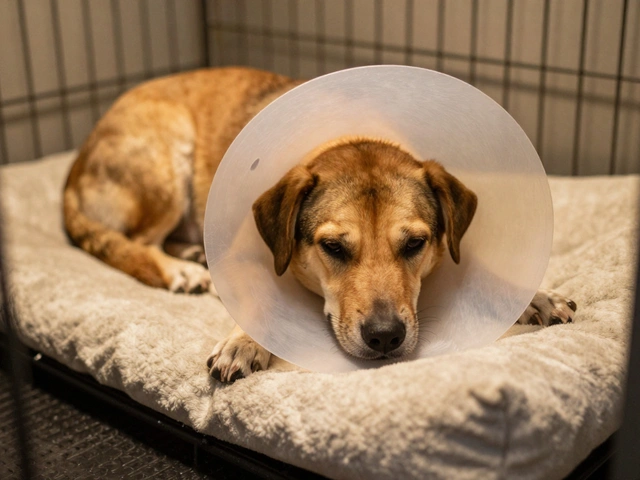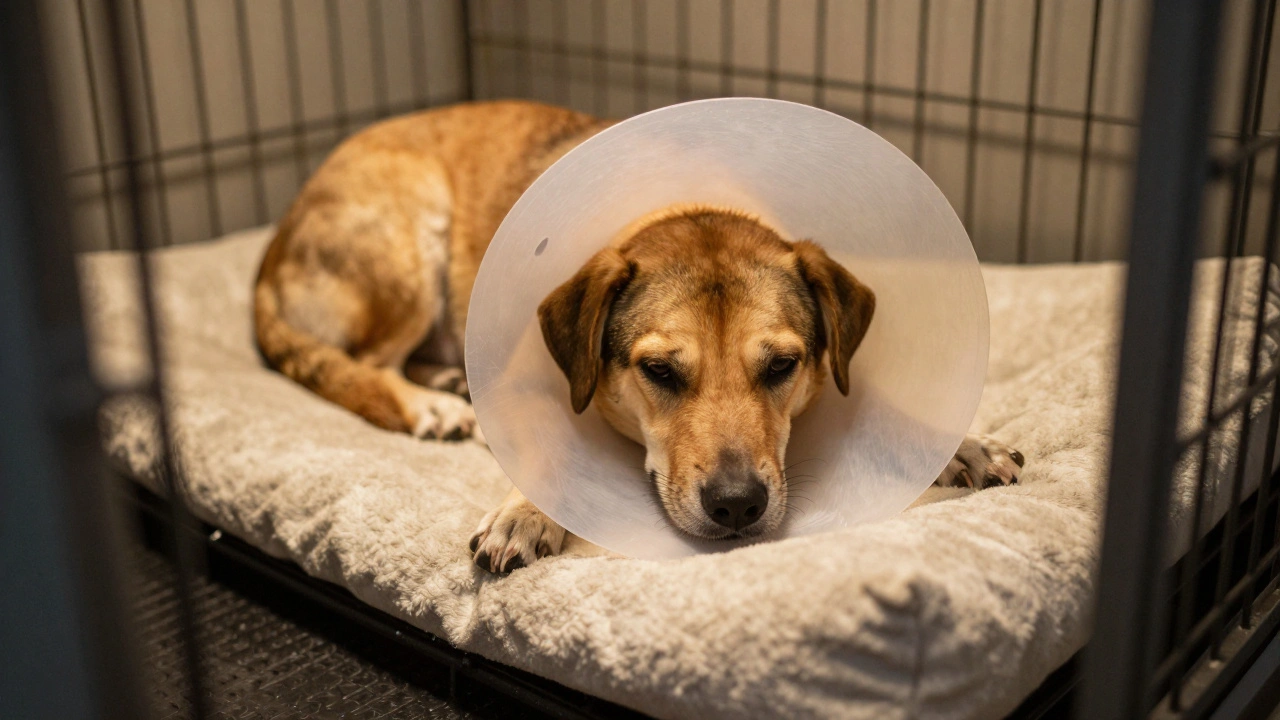
It’s 10 PM. The anesthesia has worn off enough for your dog to walk, but they’re wobbling like a newborn deer. You’re exhausted, worried about them jumping on the couch, and terrified of accidentally ripping open their fresh incision. If you’ve just brought your pup home after spay or neuter surgery, which is a common sterilization procedure that removes reproductive organs to prevent unwanted litters and reduce certain health risks, this anxiety is completely normal. The difference between a smooth recovery and a trip back to the vet often comes down to one thing: managing their movement.
You don’t need to guess when it’s safe to let them run again. There is a biological clock ticking inside their body as tissues knit back together. Ignoring it can lead to complications like dehiscence (where the wound opens up) or internal bleeding. Following a strict activity reintroduction timeline isn’t just about obedience; it’s about giving their body the specific conditions it needs to heal properly.
The First 24 Hours: The Danger Zone
The first day after surgery is critical. Your dog is likely groggy from general anesthesia, which is a state of controlled unconsciousness used during surgery to block pain and awareness. They might be disoriented, cold, or vomiting slightly. This is not the time for walks. This is the time for confinement.
Your primary job here is observation and restriction. Keep your dog in a small, quiet area like a crate or a bathroom with non-slip mats. Why non-slip? Because slippery floors force dogs to overextend their legs to find traction, putting unnecessary strain on their core muscles and abdomen. Here is what you need to do right now:
- No walking outside: Do not take them out for a potty break unless absolutely necessary. If they must go, carry them or keep the leash extremely short so they cannot pull or jump.
- No jumping: Block access to beds, sofas, and stairs. Even a small hop onto a coffee table can disrupt the sutures holding their abdominal wall together.
- Monitor the incision: Check the site every few hours. A little redness is normal. Swelling that looks like a balloon, active bleeding, or discharge is not.
- Keep them calm: Limit visitors. Excitement raises heart rate and blood pressure, which can increase swelling at the surgical site.
If your dog tries to lick the incision, stop them immediately. Licking introduces bacteria and the mechanical action of the tongue can pull at the stitches. An E-collar, also known as Elizabethan collar or cone, is a protective device worn around the neck to prevent animals from biting or scratching injured areas is non-negotiable. Put it on before you even leave the clinic.
Days 2-5: The Itch Phase and Strict Rest
By day two, the anesthesia is gone. Your dog feels better, which means they want to move. This is the most dangerous period for accidental injury because your dog *feels* fine, but internally, the tissue is still fragile. The incision line is held together by sutures that are bearing significant tension.
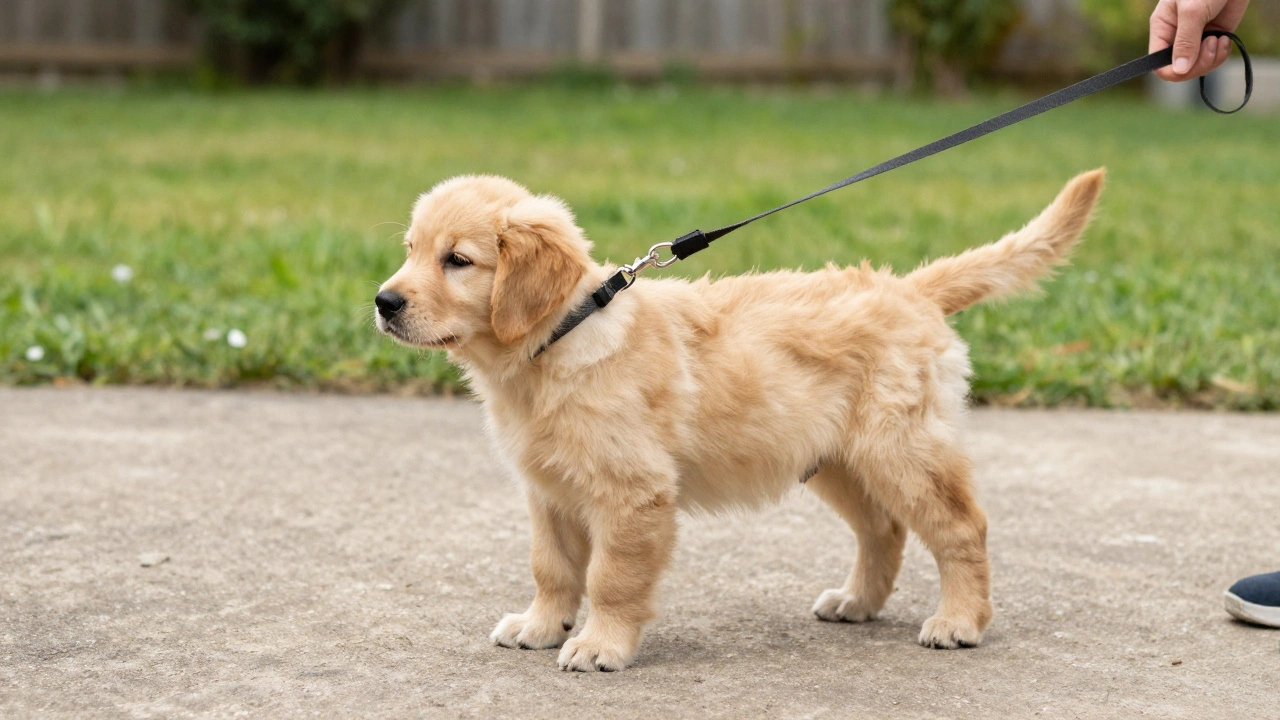
During these days, focus on "controlled elimination." When you take them out to pee or poop, keep it brief-under five minutes. Use a slip lead or a very short leash. Do not allow sniffing expeditions that turn into trots. As soon as they finish, head straight back inside.
You will notice itching starting around day three or four. This is part of the healing process as nerve endings regenerate. Your dog will try to rub against furniture or scratch at the site. The E-collar stays on. If your dog is particularly persistent, consider using an inflatable donut collar if your vet approves, but ensure it provides full coverage.
Feeding should be normal, but avoid large meals that cause bloating. Bloating puts pressure on the diaphragm and abdomen. Instead, offer smaller portions more frequently. Hydration is key, so ensure fresh water is always available, but supervise drinking if your dog tends to gulp excessively.
Days 6-10: Suture Removal and Cautious Movement
Around day 7 to 10, many vets schedule a check-up to remove external sutures. Note that some modern procedures use absorbable internal sutures that dissolve on their own, meaning no removal visit is needed. Confirm this with your surgeon beforehand.
Once the incision is closed and any external stitches are removed, you can begin to loosen the reins slightly-but only slightly. The skin may look healed, but the deeper muscle layers are still knitting together. Full tensile strength of the tissue won’t return for several weeks.
You can start allowing short, slow leash walks around the block. Think 5 to 10 minutes maximum. The goal is gentle circulation, not exercise. Watch for signs of fatigue or discomfort. If your dog lags behind, limps, or whines, end the walk immediately.
Indoors, you can allow more freedom of movement within a confined space. However, jumping on furniture remains prohibited. If your dog has been trained to stay off the couch, reinforce that command now. If not, baby gates are your best friend.
Weeks 3-4: Gradual Return to Normalcy
By the third week, most dogs feel nearly back to normal. The temptation to resume long hikes, fetch games, and swimming is strong. Resist it. While the incision is likely fully closed, the internal tissues are still remodeling. High-impact activities can cause micro-tears in the healing fascia.
Start increasing walk durations gradually. Add 5 minutes every two days. Introduce mild play, such as tug-of-war on the floor (not standing up), but avoid anything that involves sudden stops, sharp turns, or leaping.
Swimming is tricky. While water supports weight, the paddling motion engages the core heavily. Wait until your vet gives explicit clearance, usually after week 4. Also, avoid chlorinated pools or dirty lakes initially, as chemicals and bacteria can irritate the sensitive scar tissue.
When to Call the Vet: Red Flags
Even with perfect care, complications can arise. Know the warning signs that require immediate veterinary attention:
- Dehiscence: The incision opens up. You may see pinkish-red tissue protruding. This is an emergency.
- Excessive swelling: A hard, hot lump near the incision could indicate a hematoma (blood collection) or seroma (fluid collection).
- Fever: A temperature above 103°F (39.4°C) suggests infection.
- Lethargy beyond day 3: Your dog should be perkier each day. If they remain depressed or refuse food/water after 72 hours, call the vet.
- Persistent vomiting or diarrhea: Occasional upset stomach is common due to anesthesia, but ongoing GI issues need evaluation.
| Timeframe | Allowed Activities | Prohibited Activities | Key Focus |
|---|---|---|---|
| Days 1-2 | Crate rest, short indoor potty breaks | Walking, jumping, playing | Anesthesia recovery, monitoring incision |
| Days 3-5 | Leash potty breaks (<5 min) | Running, stair climbing, furniture jumping | Preventing itch-related trauma, maintaining calm |
| Days 6-10 | Short, slow leash walks (5-10 min) | Off-leash roaming, roughhousing | Suture check/removal, assessing mobility |
| Weeks 3-4 | Gradually longer walks, mild floor play | Fetch, agility, swimming, high jumps | Building stamina, protecting deep tissue healing |
| Week 5+ | Normal activity (with vet approval) | None (unless specified by vet) | Full return to routine |
Special Considerations for Different Breeds
Not all dogs heal at the same speed. Small breeds like Chihuahuas or Yorkies have thinner skin and less muscle mass, making their incisions more prone to opening if they jerk against a leash. Large breeds like Labs or German Shepherds have more robust tissue but also more power, meaning a single leap can cause significant damage. Senior dogs may experience slower wound healing due to reduced collagen production, requiring extended rest periods. Always tailor the timeline to your individual dog’s physical condition and your vet’s advice.
Making Recovery Easier: Pro Tips
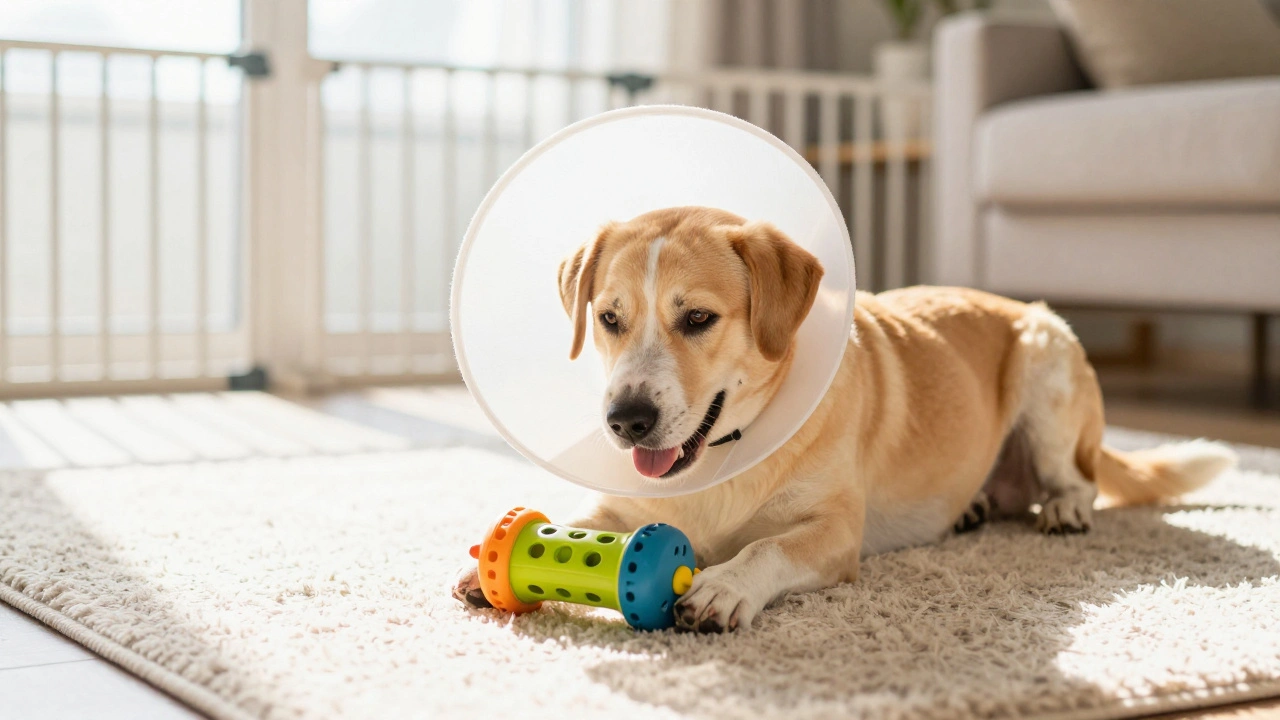
Recovery doesn’t have to be miserable for either of you. Set up a dedicated recovery zone with orthopedic bedding to support joints. Use puzzle feeders to keep your dog mentally stimulated without physical exertion. Play calming music or white noise to reduce anxiety. And remember, patience is the most important tool in your kit. Rushing the process risks undoing weeks of healing.
How long does a dog need to wear a cone after spay/neuter?
Most dogs need to wear an E-collar for 10 to 14 days, or until the incision is fully closed and any external sutures are removed. Some vets recommend keeping it on for up to 3 weeks if the dog is persistent in trying to reach the site. Never remove the cone prematurely, as even a few seconds of licking can introduce bacteria and delay healing.
Can my dog go outside to pee during the first week?
Yes, but strictly on a leash and for minimal time. Keep outdoor trips under 5 minutes. Avoid grassy areas where your dog might roll or dig. Carry small dogs if possible. The goal is elimination only, not exploration. Ensure the ground is dry and clean to prevent contamination of the incision.
What if my dog sneezes or coughs after surgery?
Occasional sneezing or coughing is usually harmless, but frequent episodes can strain the abdominal muscles. Support your dog’s chest gently with a towel during coughing fits to reduce impact. If coughing persists beyond 48 hours, consult your vet, as it could indicate a respiratory irritation from anesthesia or an underlying issue.
Is it safe to bathe my dog after spay/neuter?
No. Avoid bathing for at least 10 to 14 days, or until the incision is completely sealed. Water can soften the scab and introduce bacteria. If your dog gets dirty, use a damp cloth to wipe specific areas away from the incision. Ask your vet about pet-safe wipes designed for post-surgical cleaning if necessary.
How do I know if the incision is infected?
Signs of infection include redness spreading beyond the incision line, pus or cloudy discharge, a foul odor, excessive warmth, and increased swelling. Your dog may also show systemic signs like fever, lethargy, or loss of appetite. If you observe any of these symptoms, contact your veterinarian immediately for assessment and potential antibiotic treatment.