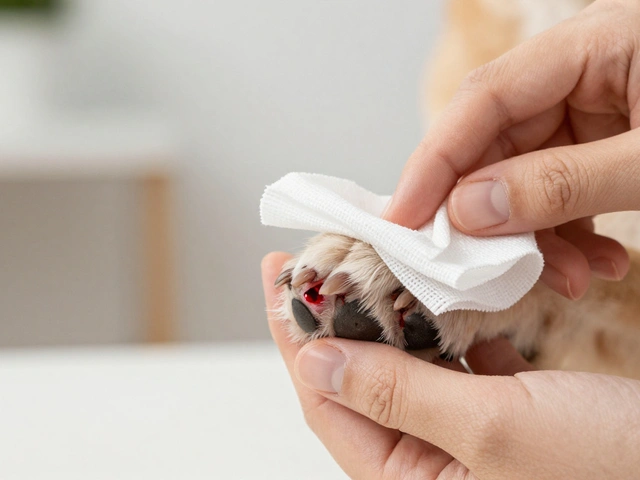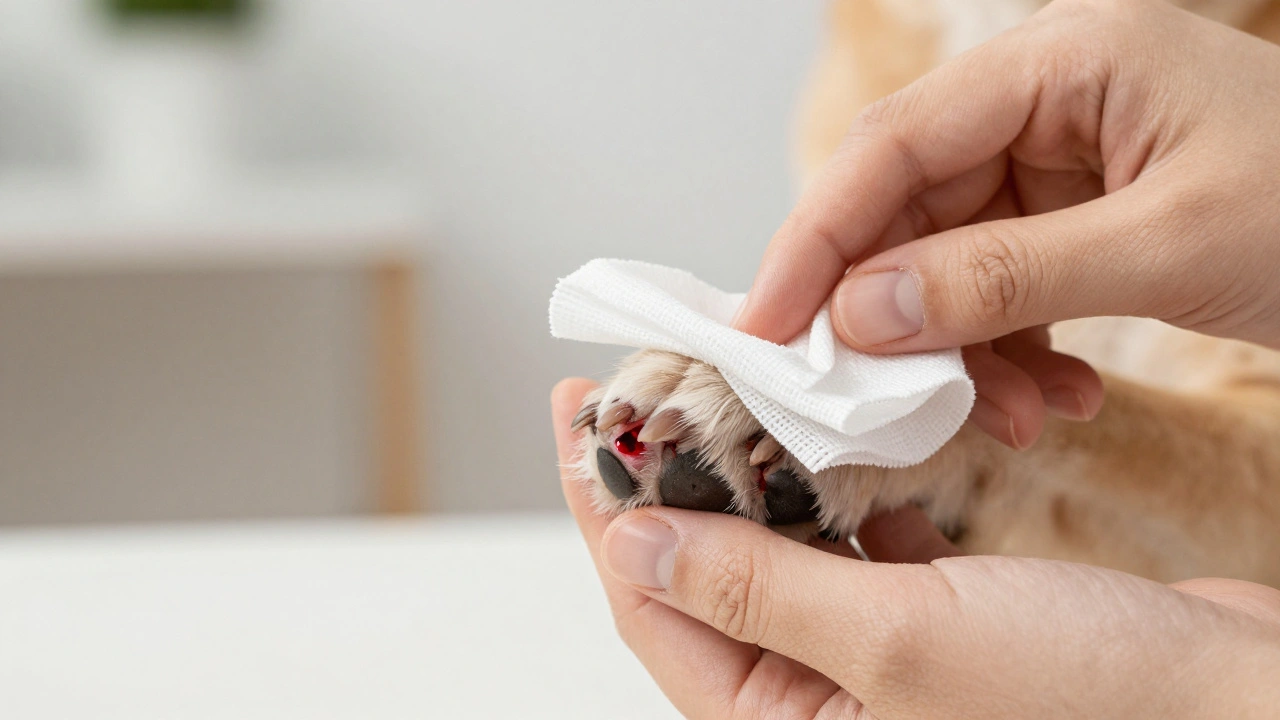
First, let's get the basics straight. The Quick is the living core of a dog's nail, consisting of blood vessels, nerves, and connective tissue. When you clip into this area, you're essentially opening a small blood vessel. Because the nail is a hard structure, the blood doesn't clot as easily as it would on a skin scrape, which is why a tiny cut can produce a surprising amount of blood.
Quick Summary: How to Stop the Bleed
- Apply pressure with a clean towel or gauze.
- Use a dedicated clotting agent like styptic powder or silver nitrate.
- If you have nothing professional, cornstarch or flour works as a temporary fix.
- Keep the dog calm and prevent them from licking the area.
- Monitor for swelling or redness over the next 24 hours.
Immediate Steps to Stop the Bleeding
The first few seconds are about control. If your dog is jumping around, they're more likely to knock the clotting agent off or accidentally hit the nail against a wall. Grab them firmly but gently and hold the paw steady.
Start by applying direct pressure. Take a clean piece of gauze or a paper towel and press it firmly against the end of the nail. Hold it there for at least 60 seconds without peeking. If you keep lifting the towel to see if the bleeding has stopped, you'll break the tiny clot that's trying to form, and the bleeding will start all over again.
Once the initial flow slows down, it's time to use a clotting agent. The gold standard here is Styptic Powder, which is a medication specifically designed to stop bleeding from paws and nails, often containing aluminum sulfate. Dip the nail directly into the powder or put a pinch on your finger and press it into the cut. You'll see the blood stop almost instantly as the powder creates a chemical seal over the vessel.
What to Do If You Don't Have Professional Supplies
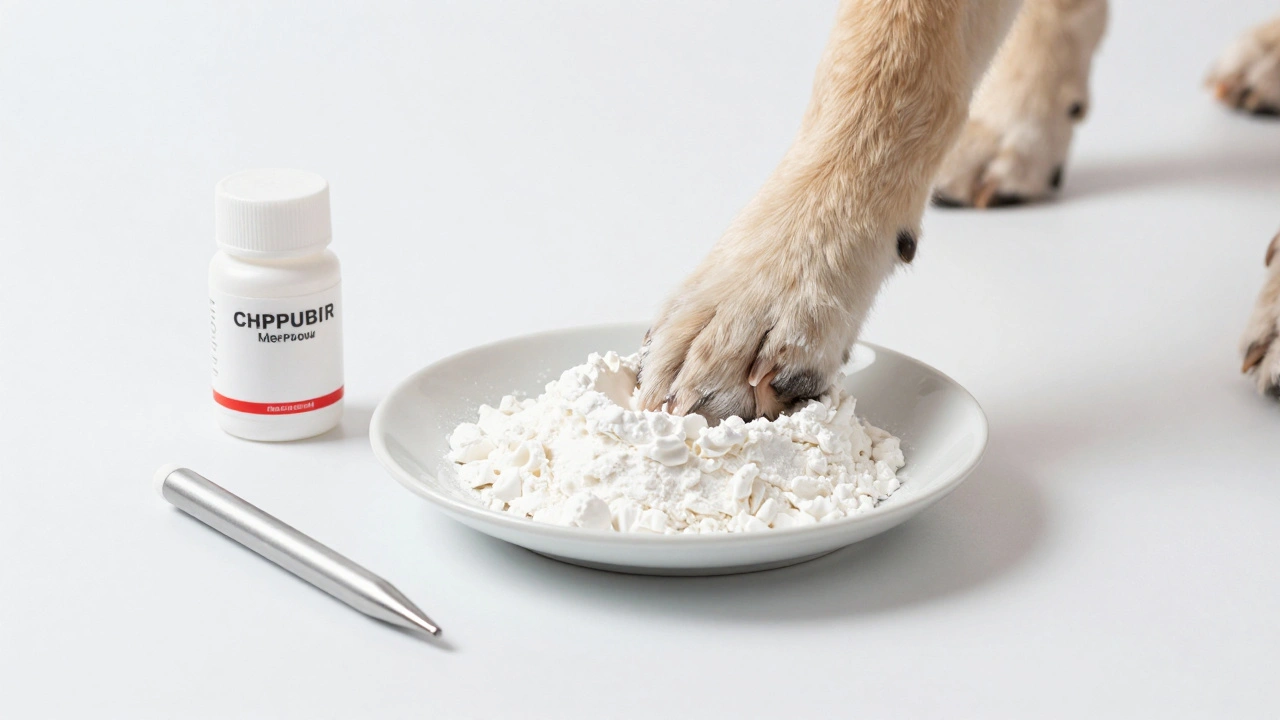
Not everyone keeps a veterinary first aid kit in their kitchen drawer. If you're in a pinch and don't have styptic powder, look in your pantry. Cornstarch or flour are the best household alternatives. They aren't as effective as chemical agents, but they work by thickening the blood and creating a physical plug.
To use cornstarch, make a small mound of it on a plate. Press the bleeding nail directly into the powder and hold it there for a few seconds. Don't just sprinkle it on top; you want to "pack" the end of the nail. While this works, be careful not to use cinnamon or pepper, as these can irritate the open wound and make your dog sneeze or recoil.
| Agent | Effectiveness | Availability | Pro Tip |
|---|---|---|---|
| Styptic Powder | Highest | Pet Store/Vet | Keep a small container in your grooming kit. |
| Silver Nitrate Stick | High | Pharmacy/Vet | Great for precise application without a mess. |
| Cornstarch | Moderate | Kitchen Pantry | Press the nail deep into the powder. |
| Flour | Moderate | Kitchen Pantry | Best used when cornstarch is unavailable. |
Preventing Future Quick Cuts
Stopping the bleed is a reactive move; the real goal is to stop it from happening again. The biggest challenge is that the quick is invisible from the outside, especially on black nails. On white nails, you can see the pink area-that's the quick. The rule of thumb is to stop clipping at least 2-3 millimeters before you hit that pink zone.
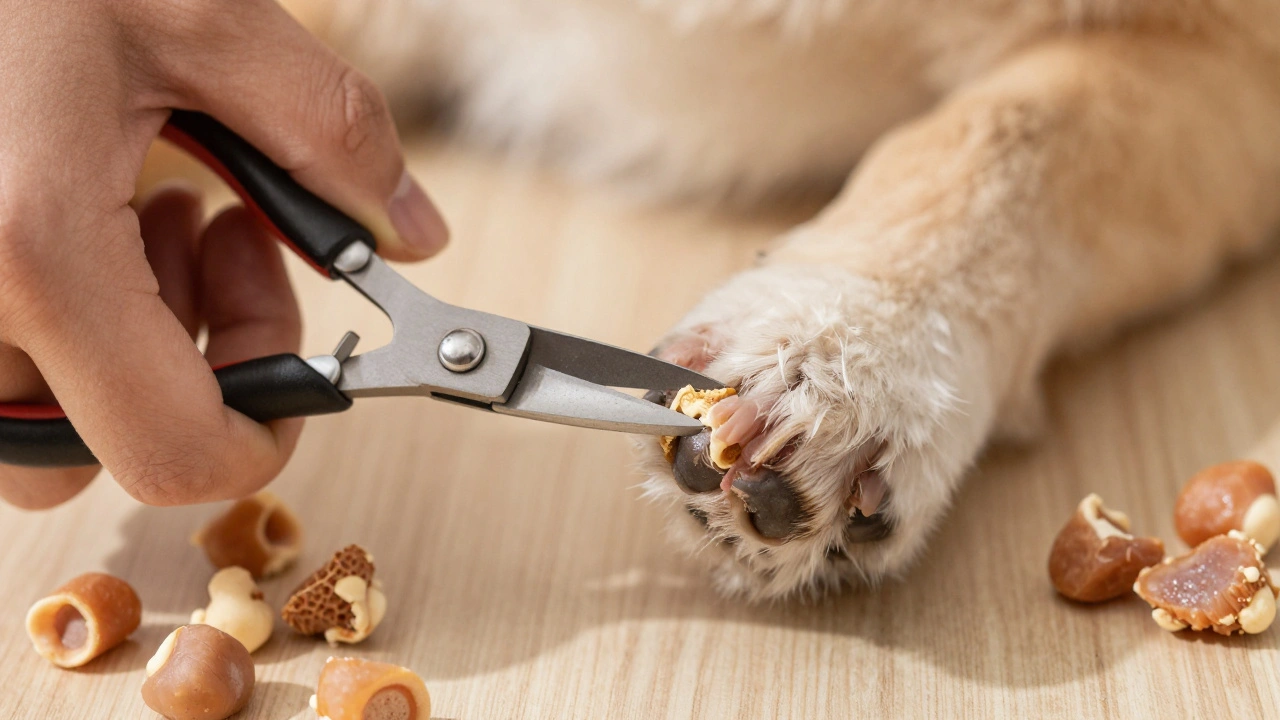
For dogs with dark nails, use the "shaving technique." Instead of clipping a large chunk of the nail off at once, use the clipper to shave off tiny slivers from the end. As you get closer to the quick, the center of the nail will start to look darker and more porous, almost like a wet sponge. When you see that change in texture, stop immediately. You're at the edge.
Another great tool is a Dremel Tool, which is a rotary grinding tool used to gradually wear down the nail rather than cutting it. Grinding is often safer because you can stop the moment you see a small black dot appear in the center of the nail, which indicates you've reached the end of the quick.
Managing the Aftermath: Care and Recovery
Once the bleeding has stopped, the job isn't quite finished. Your dog might be shaken up and their paw might feel sensitive. Avoid taking them for a long walk on rough pavement or salt-covered sidewalks immediately after a quick cut, as this can knock the clotting agent loose and restart the bleeding.
Watch for signs of infection over the next few days. While nail cuts rarely get infected because the area is so small, keep an eye out for excessive swelling, discharge, or if your dog continues to lick the paw obsessively. If the nail area feels hot to the touch, a quick call to the vet is warranted.
To keep your dog from licking the wound, you can use a soft sock or a breathable wrap. However, don't wrap it too tight-you don't want to cut off circulation. A simple "cone of shame" or an Elizabethan collar works if your dog is a determined licker.
When to Call the Vet
Most of the time, a clipped quick is a 10-minute fix at home. However, there are a few scenarios where you should seek professional help. If the bleeding doesn't stop after 15-20 minutes of continuous pressure and the application of styptic powder, you might have hit a larger vessel or have a dog with a clotting disorder.
Additionally, if the nail has actually split or cracked deep into the nail bed, a simple powder won't fix it. A split nail can lead to a deeper infection or a permanent deformity in how the nail grows. In these cases, a vet may need to trim the damaged part of the nail and apply a medical-grade wrap or adhesive.
Does it hurt the dog when you cut the quick?
Yes, it does. The quick contains nerves, so cutting it is similar to cutting your own fingernail too short or getting a paper cut, but more intense. This is why dogs often yelp or pull away suddenly.
How long does it take for a clipped quick to heal?
The bleeding usually stops within minutes with the right tools. The actual tissue heals quite quickly, usually within a few days, as the nail continues to grow outward.
Can I use a bandage on a bleeding nail?
You can, but only after the bleeding has been stopped with a clotting agent. A bandage alone won't stop the bleed; it will just soak up the blood. Once the clotting agent is set, a light wrap can prevent the dog from licking the area.
What if my dog is terrified of nail clipping now?
This is common after a quick is cut. To fix this, use positive reinforcement. Give them high-value treats (like small pieces of plain chicken) during and after the process. Do one nail at a time over several days instead of forcing all twenty at once.
Should I use a human nail clipper for my dog?
It's not recommended. Dog nails are much thicker and more curved than human nails. Human clippers can crush the nail instead of slicing it, which increases the risk of splitting the nail or cutting the quick unevenly.
Next Steps for Paw Care
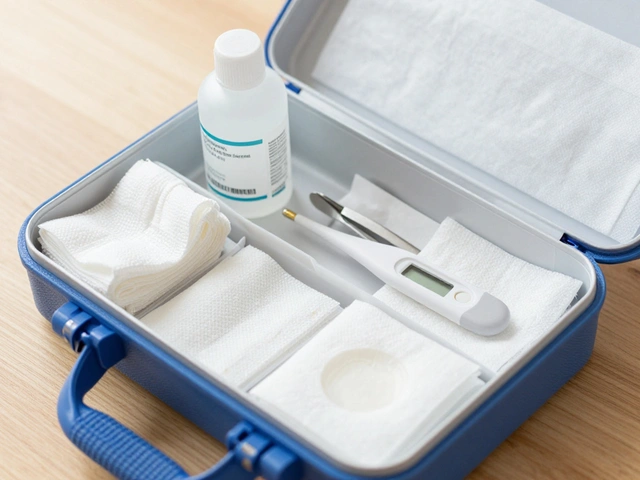
If you're nervous about doing this yourself, consider a professional groomer for a few sessions. They can show you exactly where the quick ends on your specific dog. If you're determined to do it at home, start by creating a "grooming station" with your First Aid Kit, which should always include styptic powder, gauze, and plenty of treats.
For dogs that live indoors on carpet, their nails don't wear down naturally. This means they need more frequent trims. Try to trim them every 2-4 weeks. This keeps the nails shorter overall, which actually helps push the quick back over time, making future trims much safer and easier.