Quick Tips for Aging Ears
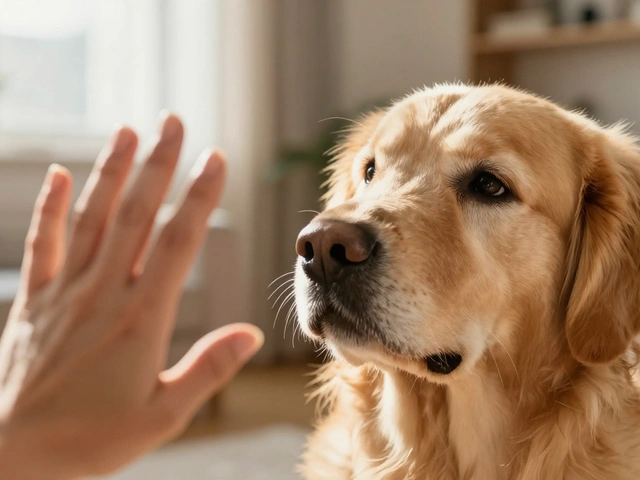
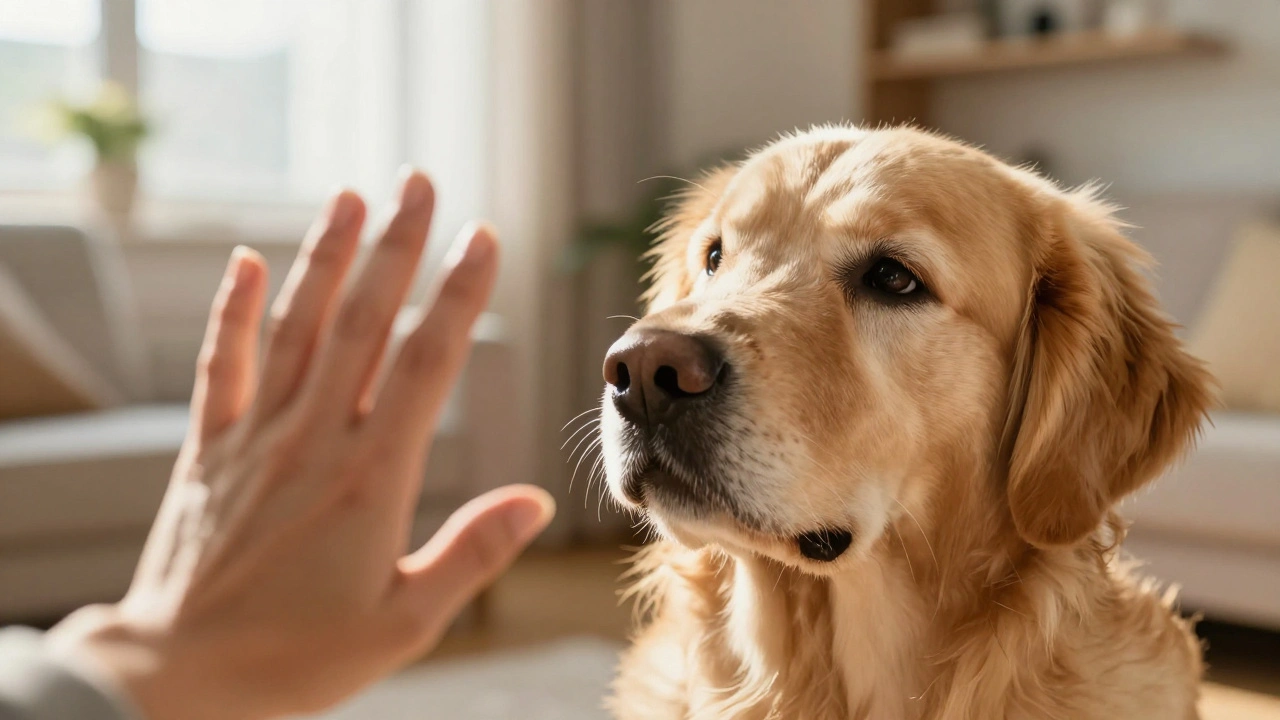
- Use hand signals to communicate when hearing fades.
- Check for a "musty" smell weekly to catch infections early.
- Switch to a gentler, non-alcohol based ear cleaner to avoid irritating fragile skin.
- Keep a consistent schedule for vet check-ups to monitor polyp growth or debris.
The Reality of Canine Hearing Loss
Hearing loss in older dogs usually happens in one of two ways. Most often, it's a gradual decline called presbycusis. This is essentially the "gray hair" of the auditory system. The tiny hair cells in the cochlea wear out, making high-frequency sounds disappear first. You might notice your dog no longer reacts to the whistle of a tea kettle but can still hear the low rumble of a car engine.
Then there's the sudden kind. If your dog wakes up one day seemingly deaf, it's rarely "just old age." It could be a severe infection, a blockage, or even a reaction to certain medications. This is why it's vital to distinguish between a slow fade and a sudden drop in hearing. When a dog loses their hearing, they don't just lose sound; they lose a primary way of sensing danger and navigating their environment, which can lead to increased anxiety or "grumpiness" because they are easily startled.
Canine Hearing Loss is the gradual or sudden reduction in a dog's ability to perceive sound waves, often caused by cellular degeneration in the inner ear or chronic inflammation. This process affects their balance and spatial awareness, often making them seem more clumsy than they actually are.
Dealing with Chronic Ear Infections
For many senior dogs, the real struggle isn't the silence-it's the itch. Chronic Otitis Externa is a recurring inflammation of the external ear canal, common in older dogs due to weakened immune systems and changes in skin elasticity. In older pets, the ear canal can actually narrow or become distorted over years of fighting infections. This creates a "trap" where wax, moisture, and yeast get stuck, leading to a vicious cycle of swelling and infection.
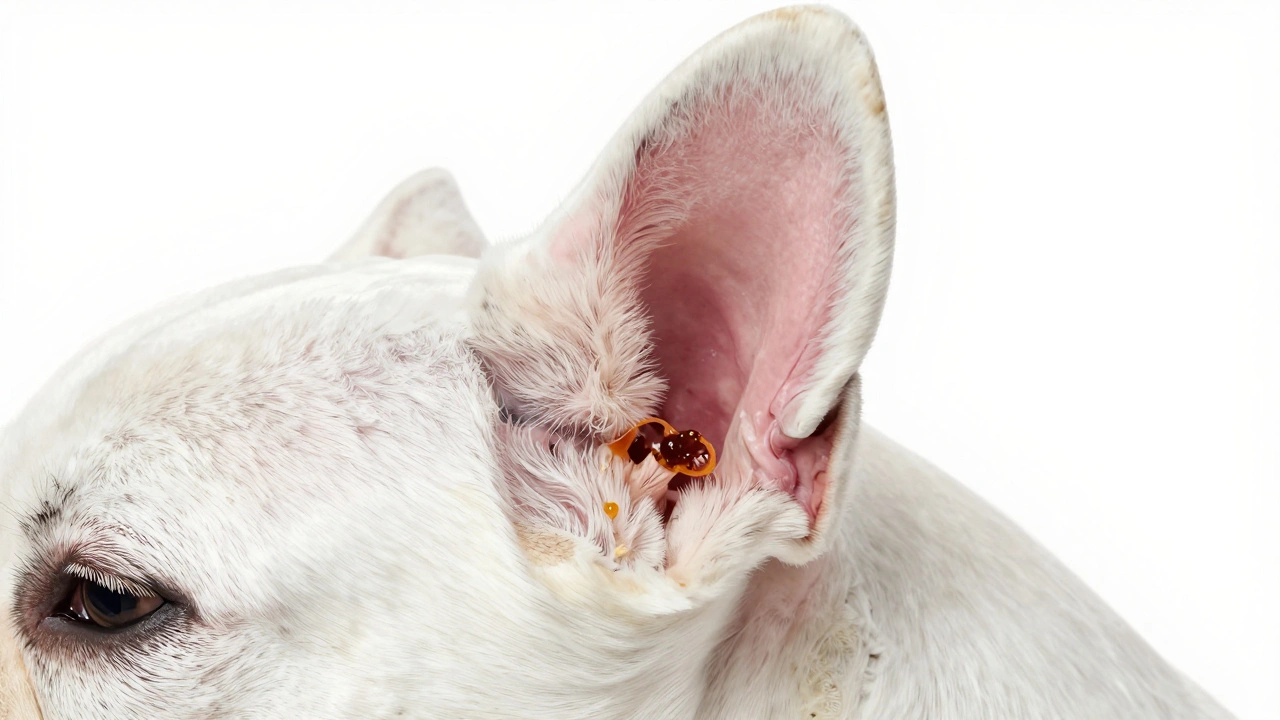
You'll know your dog is struggling when you see them shaking their head violently or rubbing their ears against the carpet. Be careful here: senior dogs are more prone to developing aural hematomas-where a blood vessel bursts in the ear flap due to excessive shaking-which requires surgical drainage. If you notice a "cauliflower" look to the ear leather or a thick, brown discharge that smells like old gym socks, you're dealing with a chronic issue that needs professional intervention.
| Feature | Acute Infection | Chronic Condition |
|---|---|---|
| Onset | Sudden (days) | Persistent (months/years) |
| Ear Canal Shape | Normal | Narrowed or thickened walls |
| Treatment Response | Clears quickly with drops | Often requires long-term management |
| Skin Texture | Red and inflamed | Leathery or scarred (lichenification) |
The Danger of Polyps and Growths
As dogs enter their golden years, the risk of abnormal growths increases. Aural Polyps are benign growths of inflammatory tissue in the ear canal that can block the ear and cause secondary infections. These aren't cancerous, but they act like a dam, trapping debris and bacteria inside the ear. Because they are physically blocking the canal, no amount of cleaning drops will fix the problem; the polyp must be surgically removed.
More concerning are the neoplasms (tumors). If you feel a hard lump inside the canal or see a growth that bleeds, get to the vet immediately. Unlike a simple yeast infection, these growths can invade the middle ear or even the brain. In senior dogs, we often see a combination: a polyp that causes an infection, which then leads to skin thickening, making it even harder to see the original growth during a standard exam.
How to Clean Senior Ears Without the Stress
Cleaning the ears of an old dog requires a different approach than cleaning a puppy's ears. Their skin is thinner, and they may have arthritis in their neck, making it uncomfortable for them to hold their head tilted. First, throw away any cleaners containing high concentrations of alcohol, as these can sting and dry out aging skin, making it more prone to cracking.
Instead, use a vet-approved saline or enzymatic cleaner. Here is the most stress-free method:
- The Scent Prep: Let your dog smell the cleaner first. Apply a small drop to their paw so they associate the smell with a calm interaction.
- The Gentle Pour: Don't shove the nozzle deep into the canal. Pour the solution in gently. If your dog has a narrow canal, use a dropper rather than a jet stream.
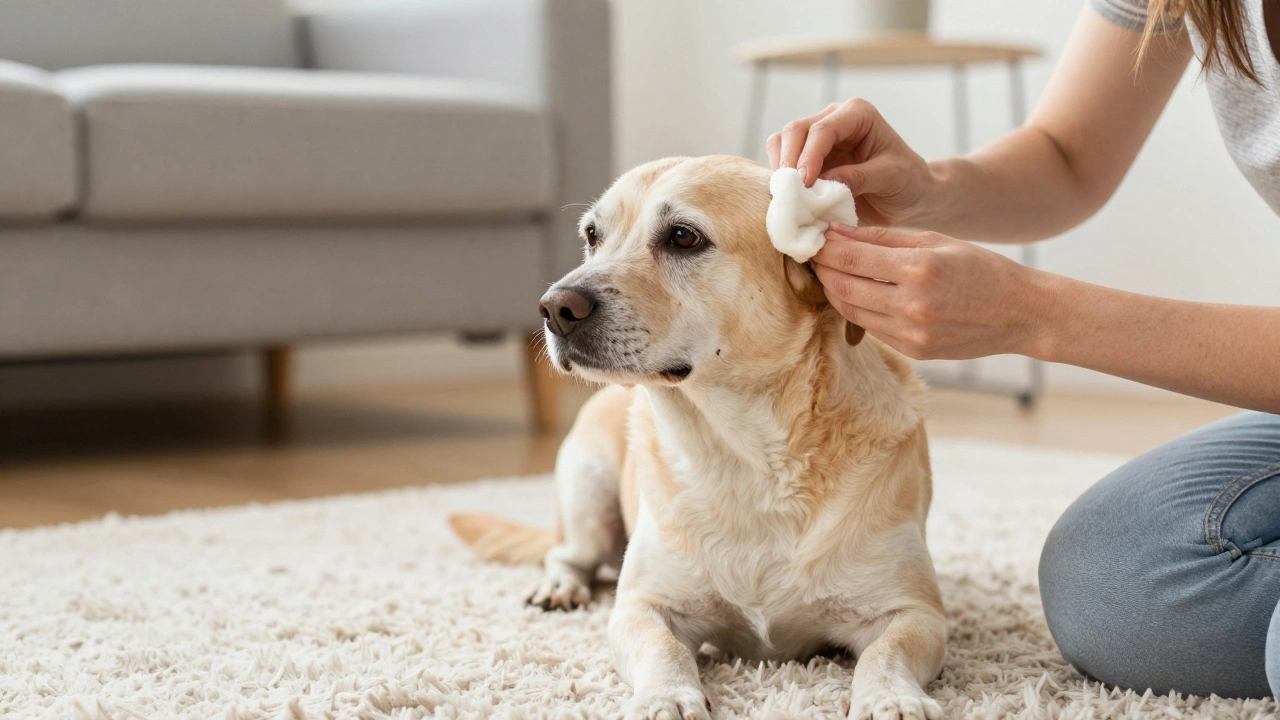
- The Base Massage: Massage the base of the ear for 30 seconds. You should hear a "squishing" sound. This breaks up the senior dog ear health hazards like hardened wax and debris.
- The Soft Wipe: Use a cotton ball or gauze to wipe only the visible part of the canal. Never use Q-tips, as you risk pushing debris further down or rupturing a fragile eardrum.
If your dog resists, don't fight them. Forcing a senior dog can lead to a panic attack or a neck injury. If they absolutely hate it, ask your vet about a "flush and suction" procedure during their next visit.
Adapting Your Home for a Hard-of-Hearing Dog
When your dog can no longer rely on their ears, they rely more on their eyes and nose. This transition can be jarring for both of you. The goal is to stop startling them. A dog that can't hear you approach from behind may snap or jump in fear, which isn't their fault-it's a survival instinct.
Start by changing how you interact. Instead of shouting their name from across the room, walk into their line of sight first. Gently touch their shoulder or use a specific hand signal (like a waving hand for "come") to get their attention. Many owners find that using a flashlight to blink a light on the floor helps the dog realize someone is in the room.
Consider the layout of your home. Rugs are great for old joints, but they also dampen the few sounds your dog *can* still hear. If you have a high-traffic hallway, consider placing a small, scent-based marker (like a tiny drop of vanilla essence) near the door so they can "smell" that the door is open or closed without needing to hear the click of the latch.
When to Call the Vet Immediately
Not every ear itch is a crisis, but some signs are red flags. If your dog starts tilting their head constantly to one side, they might have an inner ear infection or a vestibular issue. This can cause "vertical head tilt," where the dog looks like they are trying to look at their own shoulder. This is often accompanied by nystagmus, where the eyes flick back and forth rapidly.
Another emergency sign is a sudden loss of balance. If your dog is leaning heavily to one side or circling in one direction, the infection may have breached the tympanic membrane and moved into the inner ear. This can lead to permanent deafness or severe vertigo. Don't try to treat this with over-the-counter drops, as putting liquid into a ruptured eardrum can cause permanent neurological damage.
Can hearing loss be reversed in senior dogs?
Generally, age-related hearing loss (presbycusis) cannot be reversed because the nerve cells in the inner ear have died. However, if the hearing loss is caused by a buildup of wax or a treatable infection, cleaning the canal and treating the inflammation can restore some or all of their hearing.
Why does my old dog keep getting ear infections?
Senior dogs often have weaker immune systems and thinner skin. Additionally, chronic inflammation can narrow the ear canal, making it harder for the ear to "self-clean." This traps moisture and yeast, which leads to repeated infections even with regular cleaning.
Are there supplements that help dog hearing?
While some supplements claim to help, there is no scientific evidence that a pill can regrow dead auditory nerves. The best way to support ear health is through a high-quality diet rich in Omega-3 fatty acids, which helps maintain the skin barrier and reduces the inflammation that leads to infections.
Is it safe to use hydrogen peroxide in a senior dog's ear?
No. Hydrogen peroxide is too harsh for the delicate tissues of an aging ear. It can cause irritation and potentially damage the eardrum if it is already weakened. Stick to veterinary-approved ear cleaners specifically formulated for dogs.
How often should I clean my senior dog's ears?
For most senior dogs, once a week is sufficient. However, if your dog is prone to chronic infections or has floppy ears (like a Golden Retriever or Cocker Spaniel), you might need to clean them every 3-4 days. Always check with your vet to ensure the eardrum is intact before starting a cleaning routine.
Next Steps for Your Dog's Comfort
If you suspect your dog is losing their hearing, start by doing a "home test." While they are sleeping or distracted, make a sound they usually love-like the sound of the treat jar-at a safe distance. If they don't react, it's time for a vet visit.
For those dealing with chronic infections, ask your vet about a long-term maintenance plan. This might include a specific medicated shampoo for the outer ear or a scheduled monthly cleaning. If you notice that your dog is becoming anxious due to their hearing loss, consider hiring a professional trainer who specializes in "hand signals" for deaf dogs. It's a great way to keep your dog mentally stimulated and feeling secure in their environment.