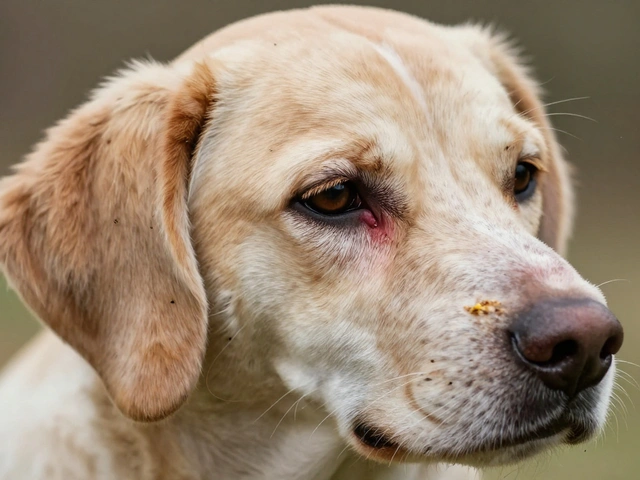
If your dog is scratching at their ears like crazy, it’s not just a nuisance-it could be the earliest warning sign of something bigger. Many pet owners assume it’s just dirt or ear mites, but persistent ear scratching in dogs is often the first visible clue of an underlying allergy. Unlike humans who sneeze or get runny noses, dogs show allergies through their skin-and their ears are one of the most sensitive spots.
Why Ears? The Anatomy Behind the Itch
Dog ears are designed to trap moisture, debris, and warmth. The L-shaped ear canal, especially in floppy-eared breeds like Cocker Spaniels or Basset Hounds, creates the perfect breeding ground for yeast and bacteria. But when allergies kick in, the skin inside the ear becomes inflamed, itchy, and overly sensitive. This isn’t just a surface issue. Allergies trigger the immune system to overreact, releasing histamine that makes the skin red, swollen, and intensely itchy. The ear canal, packed with nerve endings, feels like it’s on fire.
Think of it like a person with eczema on their wrists-constant scratching leads to raw skin. In dogs, the ear becomes that same spot. The itch isn’t caused by dirt or bugs alone; it’s the body’s allergic response turning a normal environment into a painful one.
Common Allergens That Trigger Itchy Ears
Not all allergies are the same. In dogs, the three most common triggers are food, environmental, and contact allergens.
- Food allergies: Chicken, beef, dairy, wheat, and soy are top culprits. If your dog’s ears flare up after a meal change or when they sneak a bite off your plate, it’s worth looking at their diet. Food allergies often show up with ear issues before any digestive symptoms.
- Environmental allergies (atopy): Pollen, mold, dust mites, and grasses can all set off allergic reactions. These are seasonal for many dogs-spring and fall are peak times. If your dog’s ears get worse after walks in the park or during windy days, airborne allergens are likely involved.
- Contact allergens: Less common but still possible. New shampoos, flea collars, or even the material of their bed can cause localized reactions. If the itching started after switching products, try going back to what you used before.
A 2023 veterinary study of over 1,200 dogs with chronic ear infections found that 78% had underlying allergic disease. In nearly half of those cases, the ears were the first-and sometimes only-sign.
What Itchy Ears Look Like (Beyond the Scratching)
It’s not just about scratching. Look for these signs:
- Red, warm, or swollen ear flaps
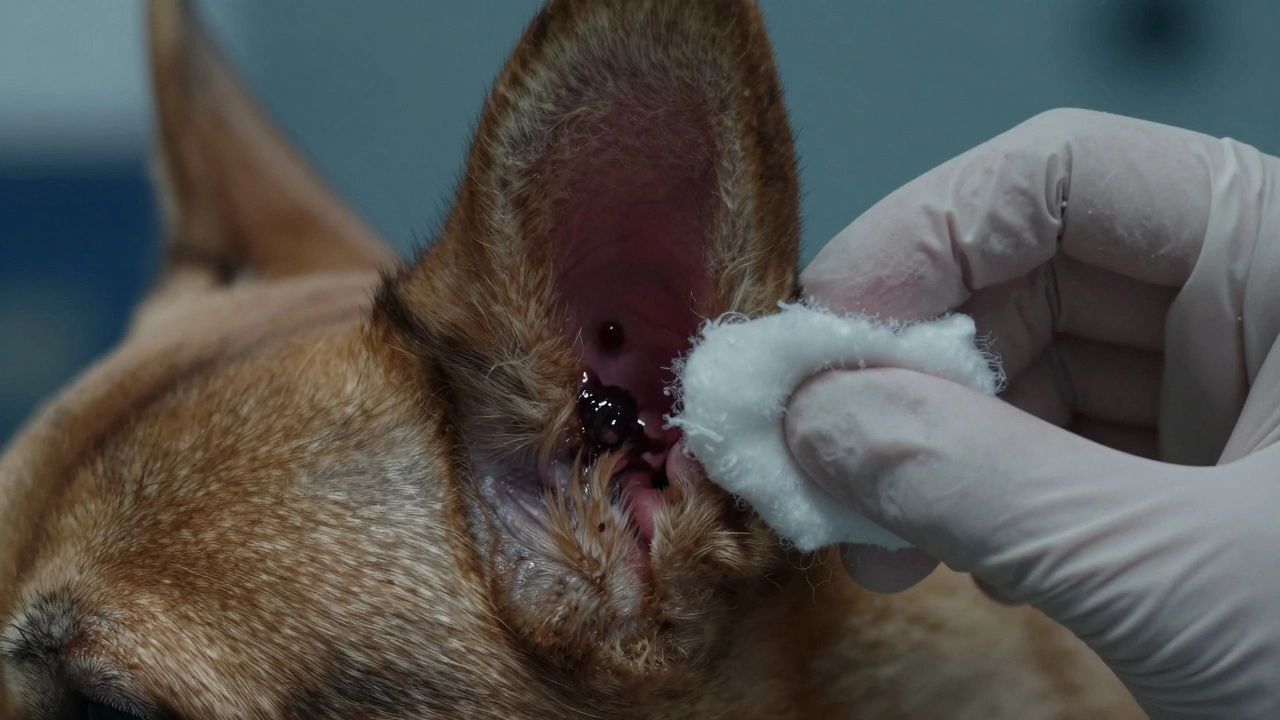
- Dark, waxy, or oily discharge (brown, yellow, or black)
- Foul odor coming from the ears-like yeast or cheese
- Head shaking, tilting, or rubbing ears on furniture
- Loss of balance or unusual eye movement (if the inner ear is affected)
If you notice any of these, don’t wait. A simple ear infection can turn into a chronic problem in weeks. Repeated scratching can lead to a hematoma-a blood-filled pocket in the ear flap-or even a ruptured eardrum. The longer you wait, the harder it is to fix.
Why Antibiotics and Ear Drops Alone Don’t Fix It
Many vets will prescribe ear drops and antibiotics when they see an infection. And yes, those help temporarily. But if the root cause-the allergy-isn’t addressed, the infection will come back. It’s like putting a bandage on a leaky pipe. The water keeps coming, and the bandage just gets soggy.
That’s why so many dogs end up with recurring ear problems. The treatment treats the symptom, not the cause. Allergies need long-term management. That means identifying the trigger and reducing exposure-or adjusting the immune response.
How to Find the Cause: A Practical Approach
Pinpointing the allergen isn’t always easy, but here’s how to start:
- Elimination diet: Switch to a limited-ingredient diet with one novel protein (like duck or kangaroo) and one novel carb (like sweet potato). No treats, no table scraps. Stick to it for 8-12 weeks. If the ears improve, reintroduce one food at a time to find the trigger.
- Environmental control: Wipe your dog’s paws and belly after walks. Use air purifiers at home. Wash bedding weekly in hot water. Reduce exposure to dust, pollen, and mold.
- Check for fleas: Even one flea bite can trigger a reaction in allergic dogs. Use vet-approved flea prevention year-round-even in winter.
- Consult your vet: Skin tests or blood tests can help identify environmental allergens. Food allergy testing is less reliable, so elimination diets remain the gold standard.

What Works: Real Solutions That Last
Once you know the trigger, here’s what actually helps:
- Omega-3 fatty acids: Found in fish oil, they reduce inflammation. Look for products with at least 300mg of EPA+DHA per 10 lbs of body weight daily.
- Cool water baths: Rinse your dog after walks to remove allergens from fur. Use a gentle, hypoallergenic shampoo-no fragrances.
- Regular ear cleaning: Use a vet-recommended ear cleaner (never alcohol or hydrogen peroxide). Gently wipe the outer ear canal once or twice a week. Don’t stick anything deep inside.
- Immunotherapy: For environmental allergies, allergy shots or oral drops can retrain the immune system over time. Success rates are over 70% in dogs that complete the full course.
One owner in Portland, whose Labrador kept getting ear infections every spring, switched to a fish-based diet and started weekly paw wipes after hikes. Within six weeks, the scratching stopped. No more vet visits for ear meds.
When to Worry: Red Flags
Call your vet right away if you see:
- Dark, bloody discharge
- Your dog won’t let you touch their head
- Loss of balance or circling
- Fever or lethargy
These could mean the infection has spread deeper-into the middle or inner ear. That’s serious and needs urgent care.
Prevention Is Easier Than Treatment
Most dog allergies can be managed, not cured. But with the right routine, you can stop the cycle before it starts:
- Keep ears dry after baths or swimming
- Use hypoallergenic bedding
- Feed a consistent, high-quality diet
- Stay on year-round flea prevention
- Check ears weekly-look, smell, feel
Itchy ears aren’t just annoying. They’re your dog’s way of screaming, "Something’s wrong." Pay attention early, act smart, and you’ll save them-and yourself-a lot of pain.
Can food allergies cause itchy ears in dogs without digestive issues?
Yes. In fact, food allergies in dogs more commonly show up as skin problems-itchy ears, paws, or belly-than vomiting or diarrhea. Many dogs with food allergies have zero stomach symptoms. The ears are often the first and only clue.
Is it safe to clean my dog’s ears at home?
Yes, but only with a vet-approved ear cleaner. Never use cotton swabs deep inside the ear canal, and never use alcohol, vinegar, or hydrogen peroxide. These can irritate inflamed skin. Gently wipe the outer part of the ear canal with a cotton ball or soft cloth soaked in cleaner. Do this once or twice a week if your dog is prone to issues.
Why do some dogs get itchy ears more than others?
Breed matters. Dogs with floppy ears (like Basset Hounds, Cocker Spaniels) or hairy ear canals (like Poodles and Shih Tzus) trap more moisture and debris, making them more prone to infections. But allergies are the real driver. Any dog with an overactive immune system-whether due to genetics, environment, or diet-can develop allergic ear inflammation.
Can allergies cause permanent ear damage?
Yes, if left untreated. Constant scratching can lead to a hematoma (a blood-filled blister in the ear flap), which may require surgery. Chronic inflammation can thicken the ear canal, making future infections harder to treat. In rare cases, the infection can spread to the inner ear, affecting balance or hearing. Early action prevents permanent damage.
Should I use over-the-counter ear meds for my dog?
No. OTC ear medications often contain steroids or antibiotics that mask symptoms without treating the root cause. They can make things worse if the problem is fungal (yeast) or allergic. What looks like a simple infection might be a sign of an underlying allergy. Always get a vet diagnosis before using any product.