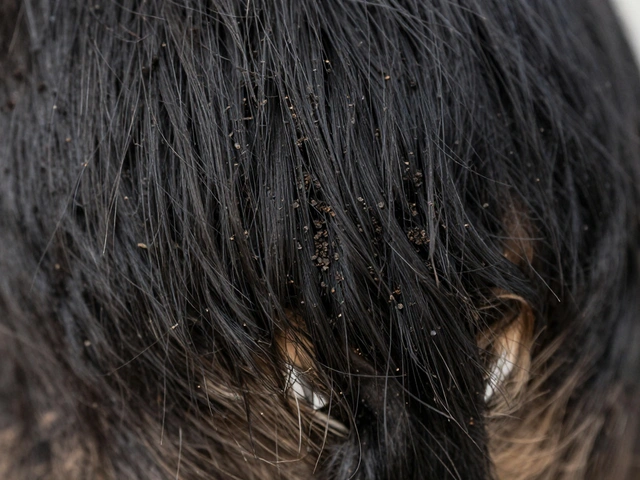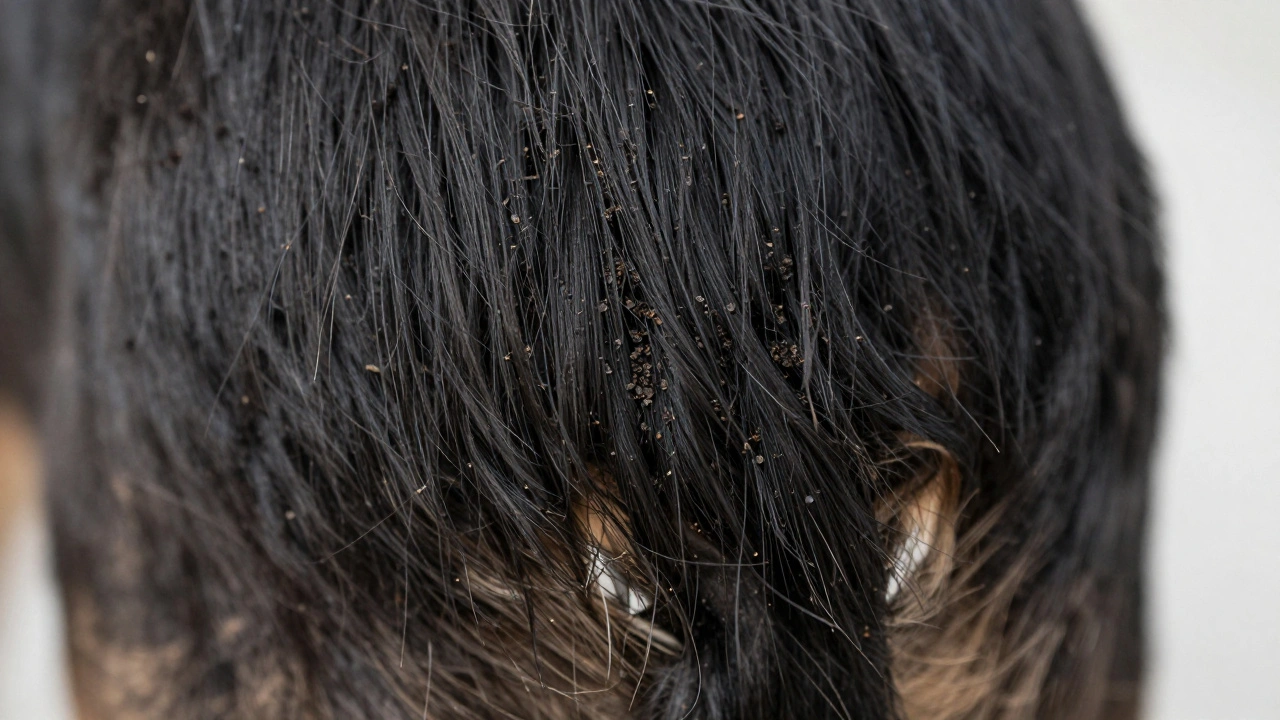
You brush your dog’s coat, expecting to find loose hair or maybe a burr from the park. Instead, you see tiny black specks clinging to the skin near the tail base. They look like pepper. You might think it’s just dirt from a walk in the mud. But if those specks turn red when wet, you are looking at flea dirt, which is essentially flea poop. This is not just a cosmetic issue; it is the smoking gun of an active flea infestation.
Ignoring flea dirt is risky. It means adult fleas are feeding on your pet right now. More importantly, it suggests that eggs and larvae are likely hiding in your home’s carpets and bedding. Without action, a few fleas can become thousands within weeks. Understanding what flea dirt is, how to confirm its presence, and how to eliminate the source is critical for keeping your dog healthy and your home parasite-free.
What Is Flea Dirt? Defining the Evidence
Flea dirt is the excrement of adult fleas. After a flea bites your dog, it digests the blood. The waste product is excreted as small, dark granules. Because the flea’s diet consists almost entirely of blood, these granules contain undigested hemoglobin. This biological fact is what allows us to identify them easily.
Flea dirt looks similar to soil or debris, but there are key differences. Soil particles are usually irregular and dusty. Flea dirt is distinctively granular, resembling coarse ground coffee or black pepper. It tends to cling to the hair shafts close to the skin, particularly in areas where fleas prefer to hide, such as the base of the tail, the belly, and behind the ears.
The Paper Test: Confirming Flea Presence
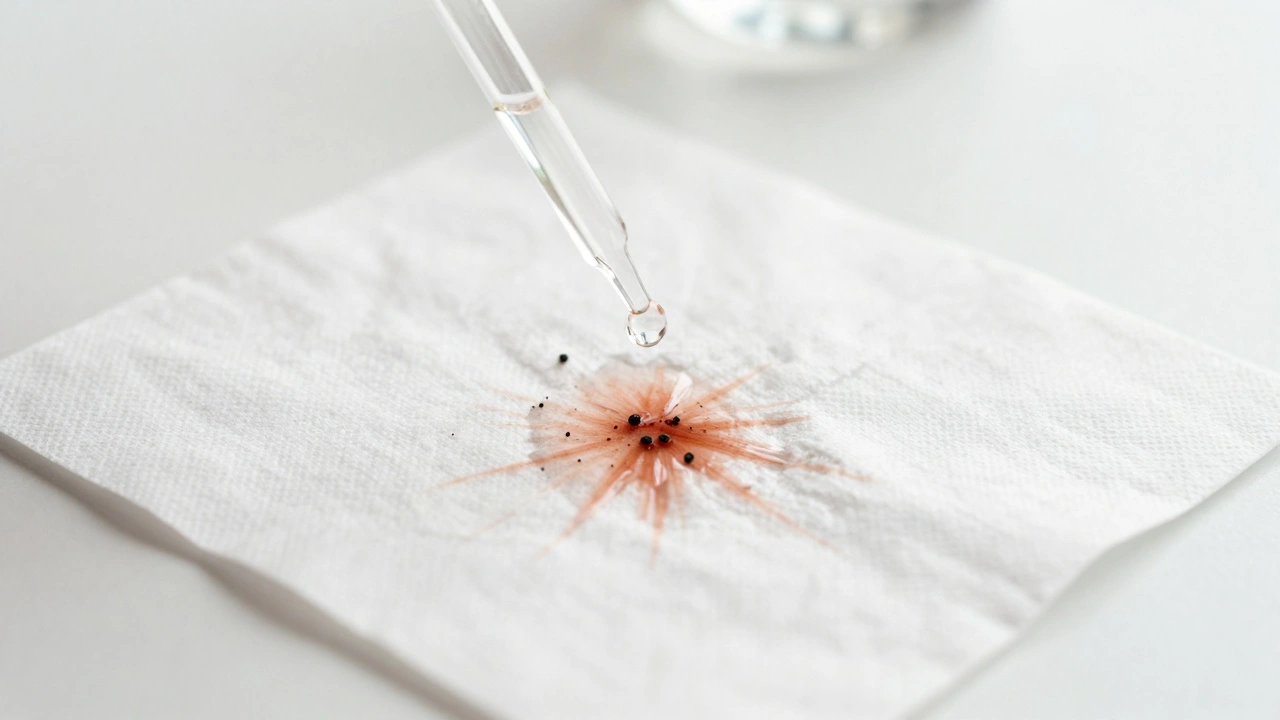
Visual inspection alone can be misleading. Dust, lint, and actual dirt can mimic the appearance of flea feces. To know for sure, you need to perform the "paper test." This simple method relies on the chemical reaction between blood and moisture.
- Collect some of the suspicious black specks from your dog’s fur using a fine-toothed flea comb or by gently brushing the area into a white paper towel or tissue.
- Add a few drops of warm water to the specks on the paper.
- Wait about thirty seconds.
- Observe the color change.
If the specks dissolve and leave reddish-brown streaks or spots, you have confirmed flea dirt. The red color comes from the blood pigments breaking down in the water. If the specks remain black and do not bleed color, they are likely just environmental dirt. This test is the gold standard for quick diagnosis without needing a vet visit immediately.
Why Flea Dirt Signals a Larger Problem
Finding flea dirt is frustrating because it indicates that the infestation is already established. Adult fleas spend only about 5% of their life cycle on the host. The other 95%-eggs, larvae, and pupae-live in your environment. When you see flea dirt on your dog, you are seeing the result of adults feeding, but the real threat is multiplying in your carpet fibers and dog bed.
| Stage | Location | Duration | Risk Factor |
|---|---|---|---|
| Eggs | Environment (carpets, bedding) | 2-12 days | High: Fall off host easily |
| Larvae | Dark, humid crevices | 5-11 days | Medium: Feed on organic matter/flea dirt |
| Pupae | Cocoon in environment | 5-14 days | Very High: Resistant to chemicals |
| Adults | On the dog | 2-3 weeks | Low: Only visible stage for most owners |
The larvae actually feed on flea dirt. This creates a vicious cycle: more adults produce more dirt, which feeds more larvae, which hatch into more adults. Breaking this cycle requires treating both the dog and the home simultaneously.
How to Clean Flea Dirt from Your Dog
Removing flea dirt is the first step in hygiene, but it does not kill the fleas. You must combine cleaning with effective treatment. Here is how to safely remove the debris and reduce the immediate itch factor for your pet.
Step 1: Use a Fine-Toothed Comb
A metal flea comb is essential. Run it through your dog’s fur, section by section. Dip the comb into a bowl of soapy water after each pass. The soap kills any adult fleas you catch, while the water helps wash away the dirt. Focus on the neck, base of the tail, and underbelly.
Step 2: Bathe with Medicated Shampoo
Regular shampoo will clean the dirt but won’t stop the infestation. Use a veterinary-recommended flea shampoo containing ingredients like pyrethrins or insect growth regulators (IGRs). Lather thoroughly and let it sit for the recommended time (usually 5-10 minutes) before rinsing. This helps loosen the dirt and begins killing the parasites.
Step 3: Dry Thoroughly
Fleas thrive in humidity. After bathing, dry your dog completely. A blow dryer on a low heat setting can help, but ensure it is not too hot for your pet’s skin. A dry coat is less inviting to re-infesting fleas.
Treating the Home Environment
Cleaning your dog is useless if you don’t address the environment. Since 95% of the flea population lives off the host, your home is the battlefield. You need to disrupt the life cycle where it is most vulnerable: the larval and egg stages.
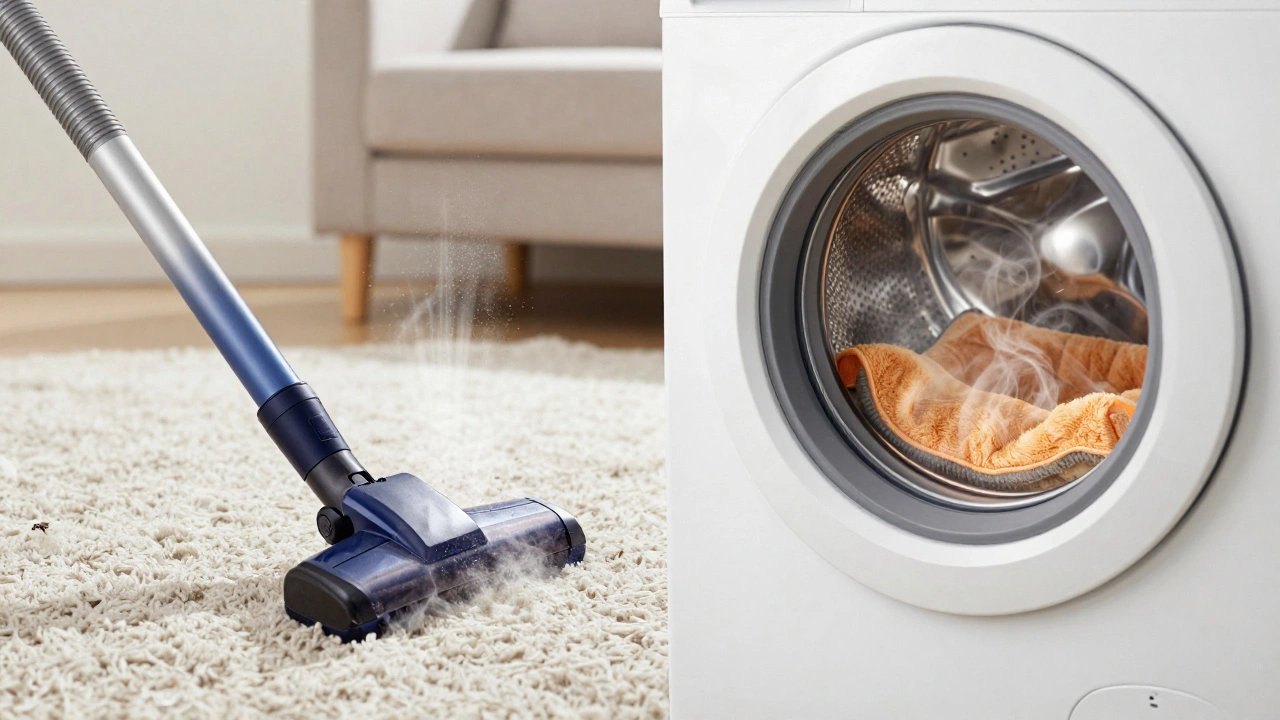
- Vacuum Aggressively: Vacuum all carpets, rugs, upholstery, and cracks in floorboards. The vibration of the vacuum stimulates pupae to hatch, exposing them to treatment. Empty the vacuum bag or canister immediately into an outdoor trash bin.
- Wash Bedding: Wash your dog’s beds, blankets, and any fabric they contact in hot water (at least 140°F or 60°C) and dry on high heat. This kills eggs and larvae.
- Use Insect Growth Regulators (IGRs): Consider using a home spray or fogger that contains an IGR like methoprene or pyriproxyfen. These chemicals mimic flea hormones, preventing eggs from hatching and larvae from maturing. They do not kill adult fleas but break the reproductive cycle.
Preventing Future Infestations
Once the current infestation is cleared, prevention is key. Monthly topical treatments or oral medications prescribed by a veterinarian are highly effective. Products containing isoxazolines (like fluralaner or afoxolaner) work systemically, killing fleas before they can lay eggs.
Consistency is crucial. Skipping a month can allow a single surviving female flea to restart the cycle. Additionally, keep your yard maintained. Tall grass and leaf litter provide ideal breeding grounds for fleas. Regular grooming also helps you spot early signs of trouble before it becomes a full-blown infestation.
Does flea dirt hurt my dog?
Flea dirt itself is not toxic or painful to your dog. However, its presence indicates that fleas are biting your pet. These bites cause itching, inflammation, and can lead to secondary bacterial infections from scratching. In severe cases, heavy infestations can cause anemia, especially in puppies.
Can I use bleach to clean flea dirt?
You should never apply bleach directly to your dog. For home surfaces, diluted bleach can kill flea eggs and larvae, but it must be used with caution and rinsed thoroughly. It is harsh on fabrics and can damage certain materials. Enzymatic cleaners or IGR sprays are safer and more effective alternatives for pet homes.
How long does it take to get rid of flea dirt?
With consistent treatment of both the dog and the home, you should see a significant reduction in flea dirt within two to three weeks. However, because pupae can remain dormant for months, it is important to continue preventive measures for at least three months to ensure the entire life cycle is broken.
Is flea dirt contagious to humans?
Flea dirt is not contagious in the sense of spreading disease directly to humans. However, the fleas that produce the dirt can bite humans, causing itchy welts. While dog fleas prefer dogs, they will feed on people if necessary. Proper hygiene and treating the pet prevent human exposure.
What is the difference between flea dirt and ticks?
Ticks are visible arachnids that attach to the skin and swell with blood. They look like sesame seeds or larger beans. Flea dirt is microscopic fecal matter that looks like black pepper. Ticks require manual removal with tweezers, while flea dirt is removed by washing and combing. Both require different treatment protocols.