When your dog suddenly throws up or has loose stools, it’s easy to panic. Was it something they ate? Are they sick? Or is this just a one-time glitch? Most of the time, a single episode of vomiting or diarrhea isn’t a crisis-but knowing when to act can make all the difference. Dog gastrointestinal upset is common, but not always harmless. Understanding the signs, causes, and red flags helps you respond quickly and avoid unnecessary trips to the vet-or worse, delay care when it’s truly needed.
What Causes Gastrointestinal Upset in Dogs?
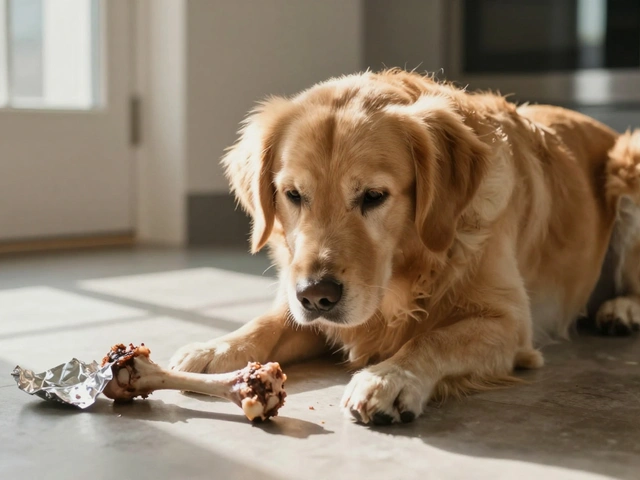
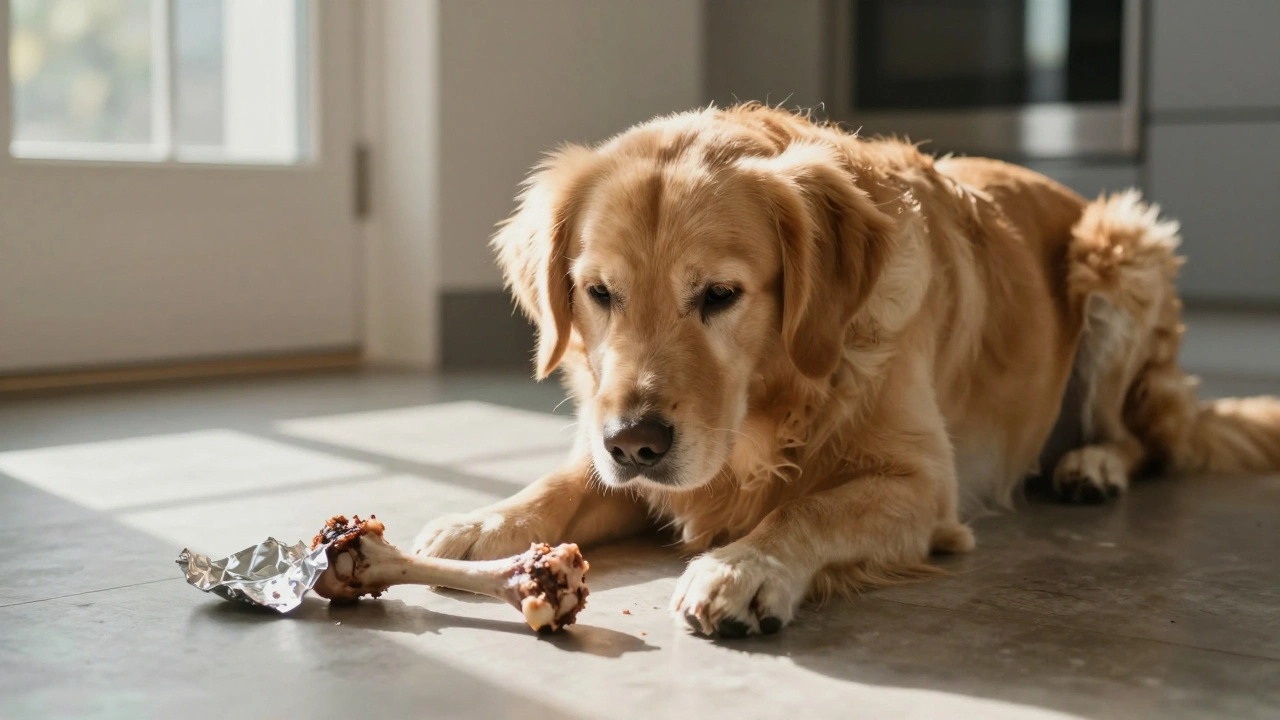
Dogs are natural scavengers. They’ll eat almost anything: a sock, a turkey bone, spoiled food from the trash, or even grass they found in the yard. These behaviors often lead to stomach upset. Common causes include:
- Garbage ingestion - Eating rotten food or non-food items like plastic, foil, or bones.
- Dietary changes - Switching kibble too fast or giving table scraps, especially fatty foods like bacon or gravy.
- Parasites - Hookworms, roundworms, or giardia can cause chronic diarrhea, especially in puppies or dogs with outdoor access.
- Infections - Viral illnesses like parvovirus (in unvaccinated dogs) or bacterial overgrowth from contaminated water.
- Stress - Moving homes, loud noises like fireworks, or boarding can trigger digestive upset.
- Medications or toxins - Accidental ingestion of human meds (ibuprofen, acetaminophen), chocolate, or plants like lilies or sago palms.
Some dogs get upset stomachs just from eating too fast. If your dog gulps food down and then vomits an hour later, it’s likely regurgitation, not true vomiting. True vomiting involves abdominal heaving and nausea. Regurgitation is passive-food just comes up without effort.
Vomiting vs. Diarrhea: What’s the Difference?
Both are signs of gastrointestinal distress, but they mean different things.
Vomiting is forceful expulsion of stomach contents. It often comes with drooling, lip-licking, or retching. If your dog vomits once, then seems fine, it might be a one-off. But if they vomit multiple times in a day, or can’t keep water down, that’s a problem.
Diarrhea is loose, watery stool. It can be mild (slightly soft for a day) or severe (explosive, bloody, or foul-smelling). If your dog has diarrhea for more than 48 hours, especially with lethargy or loss of appetite, it’s time to call the vet.
Some dogs get both at once. That’s more concerning. When vomiting and diarrhea happen together, your dog is losing fluids fast and can become dehydrated within hours.
When to Worry: Red Flags You Can’t Ignore
Most upset stomachs clear up on their own. But some signs mean your dog needs help now. Here’s what to watch for:
- Repeated vomiting - More than two episodes in 24 hours, or vomiting every few hours.
- Bloody diarrhea - Bright red blood (like raspberry jam) or black, tarry stool (digested blood).
- Loss of appetite for more than 24 hours - Dogs can go without food for a few days, but if they refuse water too, that’s dangerous.
- Lethargy or weakness - Your dog lies around, won’t get up, or seems confused.
- Abdominal pain - They whine when touched, hunch their back, or refuse to lie down.
- Dehydration signs - Dry gums, sunken eyes, or skin that doesn’t snap back when gently pinched.
- Foreign object ingestion - You saw them swallow a toy, bone, or sock. Even if they seem fine, internal blockages can kill.
- Age or health risks - Puppies, seniors, or dogs with chronic illnesses (like kidney disease) are at higher risk.
If you notice even one of these signs, don’t wait. Call your vet immediately. Waiting 24 hours can turn a treatable issue into an emergency.
What to Do at Home (When It’s Mild)
If your dog had one episode of vomiting or loose stool and seems otherwise normal-bright eyes, wagging tail, interested in food-here’s what to try:
- Withhold food for 12-24 hours - This gives the gut a chance to reset. Don’t starve them, just pause meals.
- Offer small sips of water - Every hour or two. Ice cubes can help if they gulp too fast.
- After 24 hours, try bland food - Boiled chicken (no skin, no seasoning) and white rice. A 1:2 ratio (1 part chicken, 2 parts rice) works well. Feed small meals every 4 hours.
- Gradually reintroduce regular food - Over the next 2-3 days, mix in their normal kibble slowly.
- Monitor stool and behavior - If diarrhea stops and appetite returns, you’re probably fine. If symptoms return, stop and call the vet.
Never give over-the-counter human meds like Pepto-Bismol or Imodium without vet approval. Some are toxic to dogs. Even "natural" remedies like pumpkin (while helpful for mild constipation) won’t fix an infection or blockage.
What the Vet Will Do
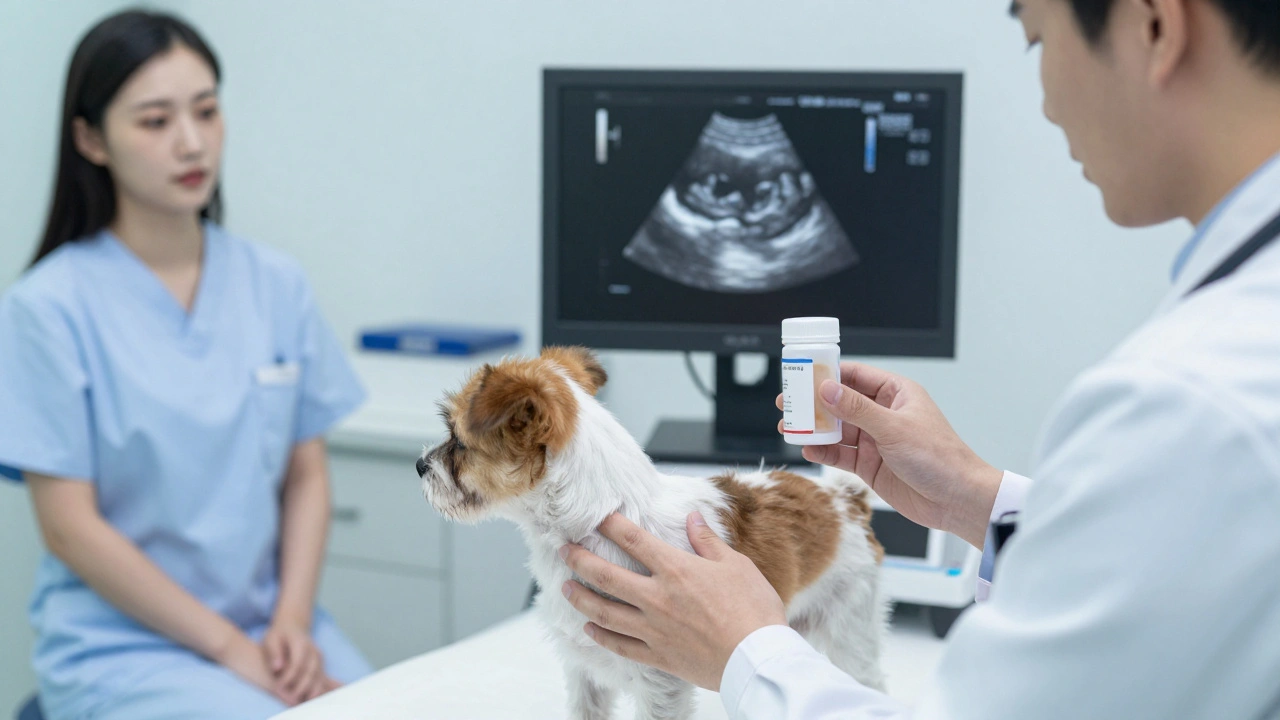
If you take your dog in, expect a few steps:
- Physical exam - Checking for fever, pain, dehydration, or foreign objects.
- Fecal test - To spot parasites or bacterial overgrowth.
- Blood work - Looking for infection, organ issues, or electrolyte imbalances.
- X-rays or ultrasound - If they suspect a blockage, especially after swallowing something.
- IV fluids - If dehydrated, fluids are often the first treatment.
Many vets now use rapid PCR tests for parvovirus and giardia, giving results in under an hour. If your dog is young and unvaccinated, they’ll test for parvo first-it’s deadly and highly contagious.
Prevention: How to Keep Your Dog’s Gut Healthy
Preventing gastrointestinal upset is easier than treating it.
- Don’t feed table scraps - Especially fatty, salty, or spicy foods. Even small amounts can trigger pancreatitis.
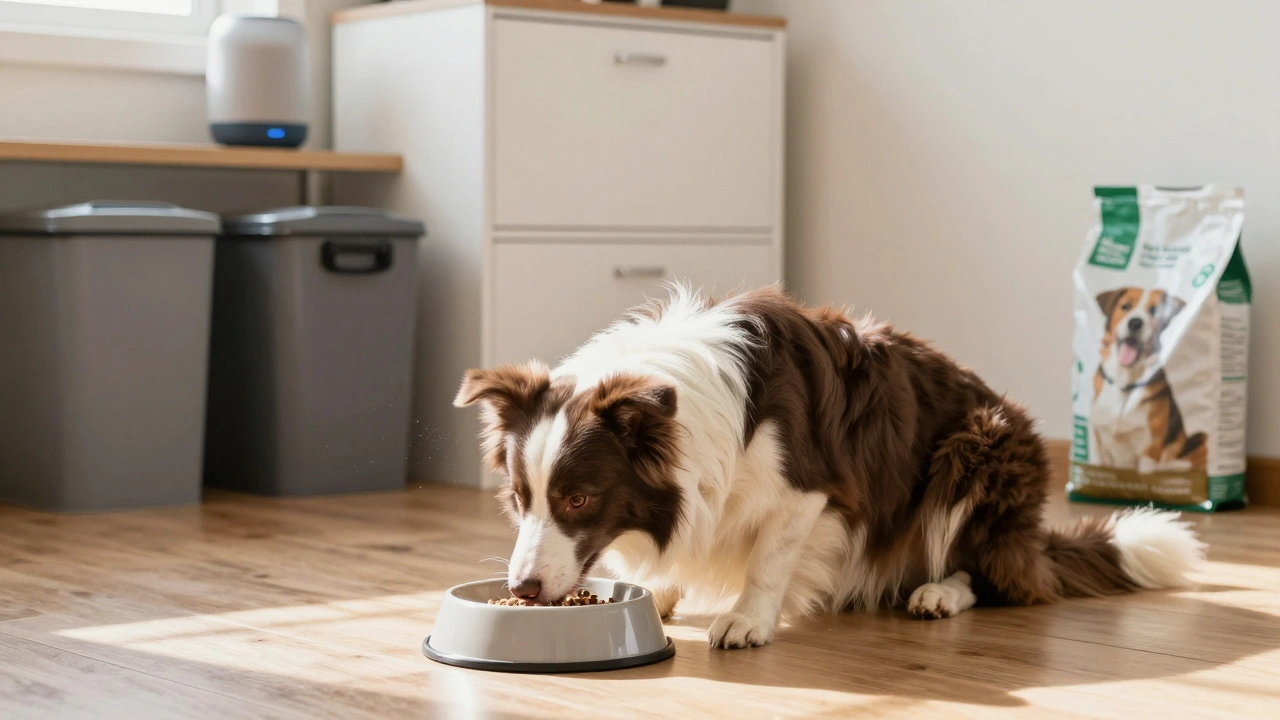
- Use a slow feeder bowl - If your dog eats too fast, this reduces regurgitation and bloating.
- Secure trash cans - Use lids or keep them in cabinets. Dogs can open simple latches.
- Keep toxic items out of reach - Chocolate, xylitol gum, cleaning products, and human meds are common culprits.
- Stick to one food - Frequent diet changes upset the gut. If you need to switch, do it over 7-10 days.
- Regular deworming - Even indoor dogs can pick up parasites. Talk to your vet about a routine schedule.
- Keep vaccinations current - Parvo, distemper, and leptospirosis are preventable with vaccines.
Many dog owners don’t realize that stress can cause diarrhea. If you’re moving, hosting guests, or leaving your dog at a kennel, consider calming aids like pheromone sprays or anxiety wraps. A calm dog is a healthy dog.
Frequently Asked Questions
Is it normal for my dog to eat grass and then vomit?
Yes, it’s common. Many dogs eat grass for reasons we don’t fully understand-maybe to soothe an upset stomach, or just because they like the taste. If they eat grass occasionally and vomit once, then act fine, it’s usually harmless. But if they’re eating grass nonstop, vomiting repeatedly, or seem unwell, it could signal a deeper issue like gastritis or a foreign body.
Can I give my dog pumpkin for diarrhea?
Plain, canned pumpkin (not pie filling) can help with mild diarrhea because of its fiber content. It firms up stool, but won’t treat the root cause. Use 1-2 tablespoons for small dogs, up to ¼ cup for large breeds, once or twice a day. Don’t rely on it if symptoms last more than 24 hours or if your dog is lethargic.
My dog had diarrhea for two days but is acting fine. Should I still go to the vet?
If they’re eating, drinking, and acting normal, you can wait another 24 hours. But if the diarrhea continues past 48 hours, even without other symptoms, it’s time for a vet visit. Chronic diarrhea can lead to nutrient loss, weight drop, or hidden infections like giardia. A simple fecal test can rule out parasites.
What’s the difference between vomiting and regurgitation?
Vomiting involves abdominal heaving, nausea, and often bile or undigested food. Regurgitation is passive-food just comes up without effort, usually right after eating. It often happens with esophageal issues, like megaesophagus or a foreign object stuck in the throat. If your dog regurgitates often, especially with weight loss, see your vet.
Can stress cause vomiting and diarrhea in dogs?
Absolutely. Dogs with anxiety from thunderstorms, separation, or new environments often develop "stress colitis"-a temporary inflammation of the colon that causes diarrhea, sometimes with mucus. These cases usually resolve in 1-3 days with a quiet environment and bland food. If symptoms persist, rule out infection or parasites.
Final Thoughts
Dog gastrointestinal upset is rarely fun, but it’s rarely fatal-if you act early. Most cases are minor and resolve with rest and a bland diet. But when vomiting, diarrhea, lethargy, or loss of appetite stick around, don’t guess. Your dog can’t tell you what’s wrong. They rely on you to notice the subtle signs: a dry nose, a tucked belly, or refusing their favorite treat. When in doubt, call your vet. It’s better to be safe than sorry.