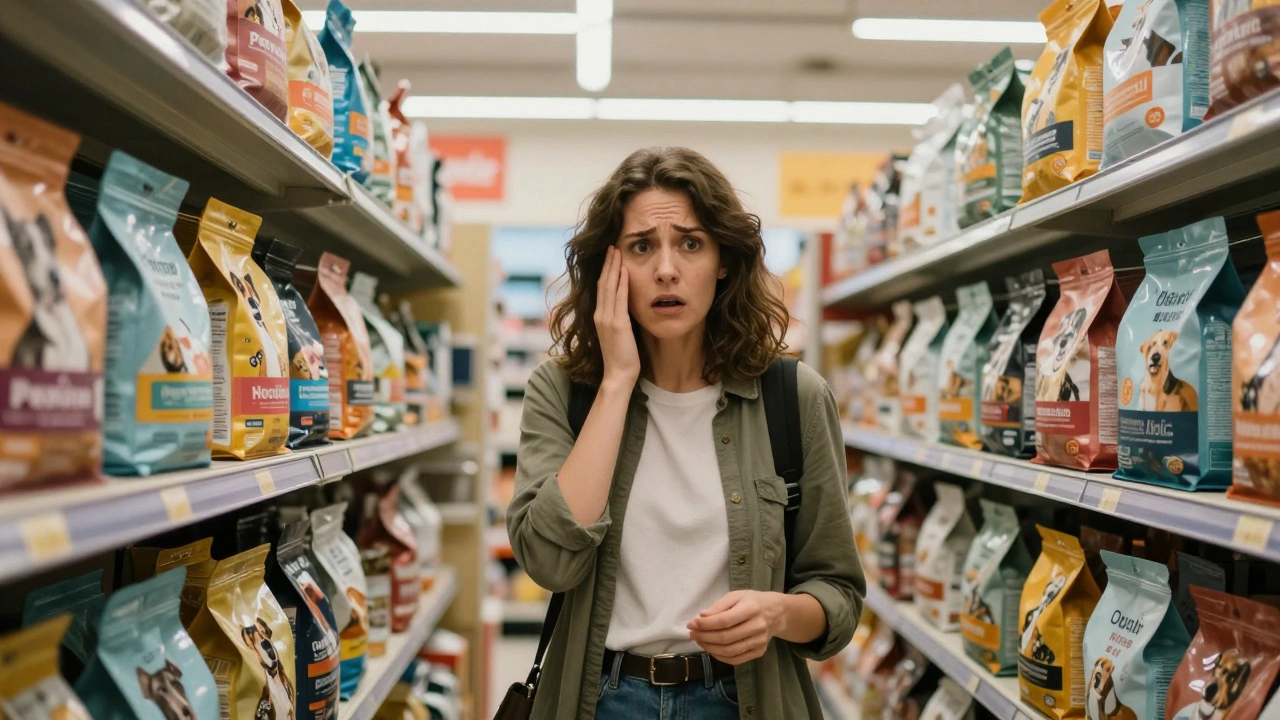
Learning to decode these labels isn't about becoming a canine nutritionist; it's about knowing if your dog is getting the fuel they need to thrive or just enough to get by. We're going to strip away the marketing fluff and look at the hard data provided by manufacturers.
Key Takeaways for Quick Scanning
- Ingredient Order: Ingredients are listed by weight; the first three should always be high-quality proteins.
- Specific Names: "Chicken" is better than "poultry meal" because you know exactly what the animal is.
- Guaranteed Analysis: These are minimums and maximums, not exact amounts.
- AAFCO Statement: Look for "complete and balanced" to ensure the food meets basic nutritional needs.
The Ingredient List: Reading Between the Lines
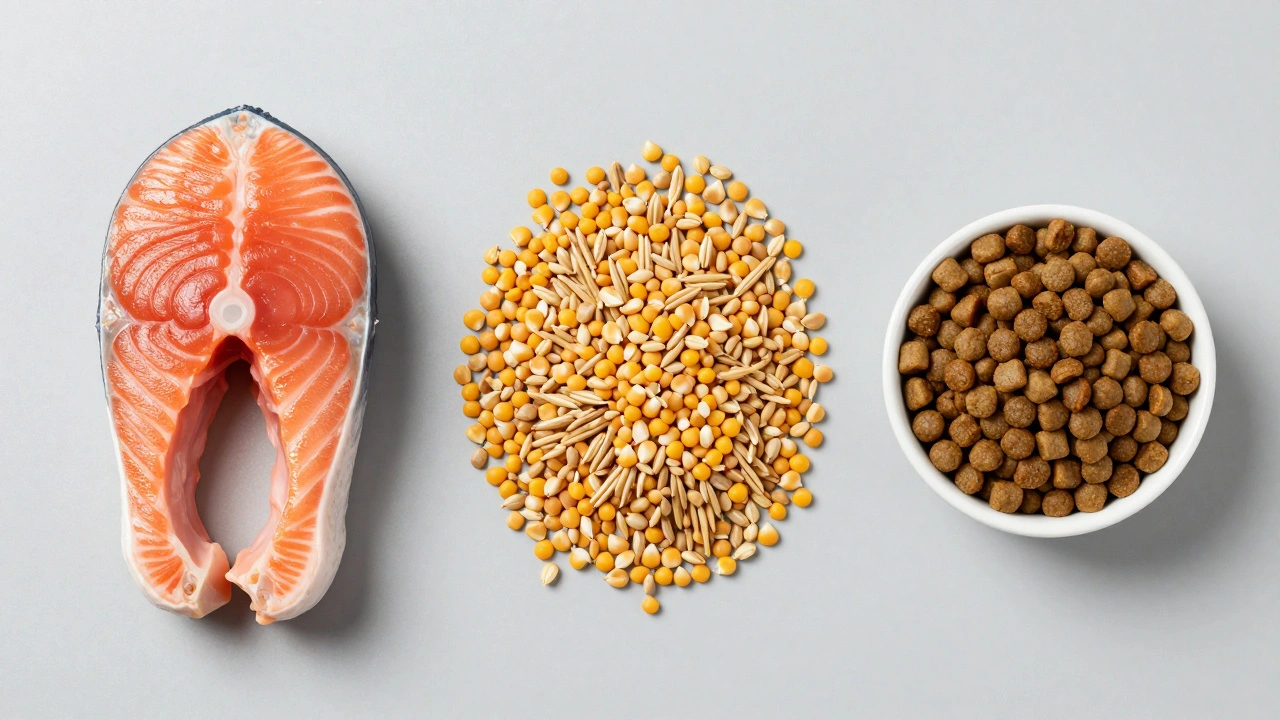
The first thing you need to know is that the Ingredient List is ordered by weight. This means if a bag lists "corn's husk" or "wheat gluten" in the top five, a huge chunk of that food is just filler. You want to see a specific protein source first. For example, if you see Beef or Salmon, the manufacturer is telling you exactly what the primary protein is. If it just says "meat," that's a red flag-it could be any combination of animals.
Then there's the confusion around "meals." A Meat Meal is simply meat that has been cooked and dried to remove moisture. In many cases, a high-quality meal is actually more nutrient-dense than fresh meat because it's more concentrated. The danger is when you see generic terms like "animal meal," which is often a byproduct of rendering plants and lacks quality control.
Watch out for "hidden" sugars and salts. Many brands use Molasses or "caramel color" to make the kibble look appealing to humans, not dogs. Your dog doesn't care if the food is brown; they care about the amino acids and fats. If you see "sugar" or "corn syrup" in the ingredients, it's usually there to make the food taste better so the dog eats it faster, not for health reasons.
Decoding the Guaranteed Analysis
The Guaranteed Analysis is a table that looks like a math problem, but it's actually a legal promise. It tells you the minimum or maximum percentages of certain nutrients. It's important to realize that these aren't exact values. If a label says "Protein (Min) 24%," it means the food has at least 24% protein; it could be 30%, but it cannot be 23%.
Here is how to break down the main components:
- Crude Protein: This is the total amount of nitrogen-containing compounds. While not all protein is usable, it's the primary building block for muscles and organs.
- Crude Fat: This provides energy and keeps the skin and coat healthy. Too much can lead to pancreatitis in sensitive dogs; too little can lead to a dull coat.
- Crude Fiber: This helps with digestion and bowel movements. It's basically the indigestible part of the plant materials.
- Moisture: This is crucial for comparing dry food to wet food. Dry kibble usually has around 10% moisture, while canned food is closer to 75%.
| Nutrient | Puppy Food (Typical) | Adult Food (Typical) | Why it Matters |
|---|---|---|---|
| Crude Protein | 28% - 32% | 22% - 26% | Growth vs. Maintenance |
| Crude Fat | 15% - 20% | 12% - 15% | Caloric density for energy |
| Crude Fiber | 3% - 5% | 4% - 7% | Digestion and satiety |
| Moisture | ~10% | ~10% | Hydration levels |
The AAFCO Standard: Is it Actually Balanced?
You'll often see a mention of AAFCO (the Association of American Feed Control Officials). AAFCO isn't a government agency, but they set the nutritional standards for pet food in the US. When a label says the food "meets AAFCO dog food nutrient profiles," it means the food has the right balance of vitamins and minerals to prevent deficiency diseases.
There are two ways a company proves this. First, they can follow a formula (a "recipe") that matches AAFCO's guidelines. Second, they can perform "feeding trials," where they actually feed the food to a group of dogs for a set time and monitor their health. Feeding trials are the gold standard because they prove the dog can actually digest and absorb the nutrients, rather than just having them listed on the label.
If a food doesn't have an AAFCO statement or a feeding trial result, you're essentially gambling. A diet that is missing a crucial mineral, like zinc or copper, might seem fine for a few months, but it can lead to long-term health crises that are expensive to fix.
Identifying Red Flags and Marketing Traps
The pet food industry is great at using words that sound healthy but have no legal definition. "Natural" is one of the biggest. Since there's no strict regulation on what "natural" means in dog food, a brand can call their food natural even if it contains ingredients that are processed with chemicals, as long as the final product doesn't have "artificial" additives.
Another common trap is "Grain-Free." While some dogs have actual allergies to grains, the trend toward grain-free diets has been linked by the FDA to a rise in Dilated Cardiomyopathy (DCM), a heart condition. Often, brands replace grains with legumes like peas or lentils. If you see a list where peas, pea protein, and pea flour all appear in the top five ingredients, the food is essentially a legume-based diet with a little bit of meat added for flavor.
Keep an eye out for generic terms like "animal fats" or "meat by-products." While some by-products (like organ meats) are actually very nutritious, the generic term allows companies to put almost anything in the bag. You want to see "chicken fat" or "beef liver," not just "by-products." Specificity is the mark of a transparent company.

Customizing the Choice for Your Dog's Life Stage
Not every dog needs the same label. A high-energy Border Collie will have vastly different needs than a senior Basset Hound. For a puppy, you want higher protein and fat percentages to support rapid brain and bone growth. For a senior dog, you might look for lower calories but higher quality protein to maintain muscle mass without causing weight gain.
If your dog has a sensitive stomach, look for Limited Ingredient Diets. These focus on a single protein source and a single carbohydrate source. This makes it much easier to identify the culprit if your dog has an allergic reaction. Instead of a bag with 40 ingredients, a limited diet might only have 6 or 7.
Don't ignore the calories. Most labels list "kcal/cup." If you're feeding a dog that spends most of its day napping on the couch, a food with 500 kcal/cup will lead to obesity much faster than one with 350 kcal/cup. Always calculate your dog's daily caloric needs based on their weight and activity level rather than just following the generic feeding guide on the back of the bag.
What does "meat by-products" actually mean?
Meat by-products are the parts of the animal that humans don't typically eat, such as organs (liver, kidneys, spleen) and connective tissues. Some by-products are incredibly nutrient-dense, but because the term is generic, it can also include low-quality materials. Look for labels that specify which by-products are used.
Is grain-free food better for my dog?
Not necessarily. Unless your dog has a diagnosed grain allergy, there is no proven benefit to grain-free diets. In fact, the FDA has investigated a link between grain-free diets (specifically those high in pulses like peas and lentils) and heart disease in certain breeds. Always consult a vet before switching to a grain-free option.
Why is the protein percentage listed as a "Minimum"?
The Guaranteed Analysis is a legal floor. The manufacturer is promising that the food will not drop below that percentage. Because natural ingredients vary slightly from batch to batch, they use a minimum to ensure they stay within legal compliance regardless of slight variations in the raw materials.
What are the most common filler ingredients to avoid?
Common fillers include corn gluten meal, soy hulls, wheat bran, and excessive amounts of pea flour. While these aren't necessarily toxic, they provide "empty" calories and bulk without offering high-quality nutrition. If these appear in the first three ingredients, the food is likely low-quality.
Can I trust a brand that says "Holistic" or "Premium"?
No. Terms like "premium," "holistic," "natural," and "gourmet" are marketing terms, not regulated nutritional terms. They have no legal definition in the pet food industry. The only things that truly matter are the ingredient list, the guaranteed analysis, and the AAFCO compliance statement.
Next Steps for Choosing the Right Bag
If you're feeling overwhelmed, start by picking three brands you're considering and line up their labels side-by-side. Compare the first three ingredients. If one brand uses "Chicken」 and the other uses "Poultry Meal," you know which one is more transparent. Then, check the AAFCO statement. If it's missing, put the bag back on the shelf.
For dogs with chronic health issues, like kidney disease or severe allergies, don't rely on label reading alone. Transition to a prescription diet under veterinary supervision. These diets are formulated for specific medical needs and often contain therapeutic levels of certain nutrients that you won't find in over-the-counter options.