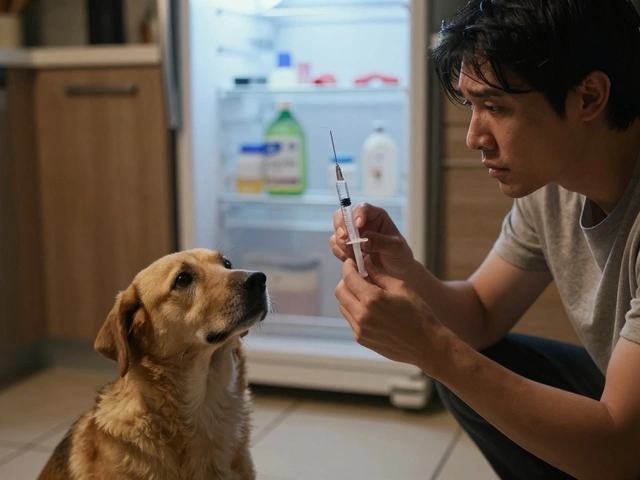
Every summer, dog owners walk their pets out the door, only to realize too late that the sidewalk is burning hot. You feel the heat through your sneakers, but your dog? They have no choice but to step on it. That’s when you see it-the limping, the lifted paws, the whining. A hot pavement burn on your dog’s paws isn’t just uncomfortable-it can be serious. And it happens faster than you think.
How Hot Is Too Hot?
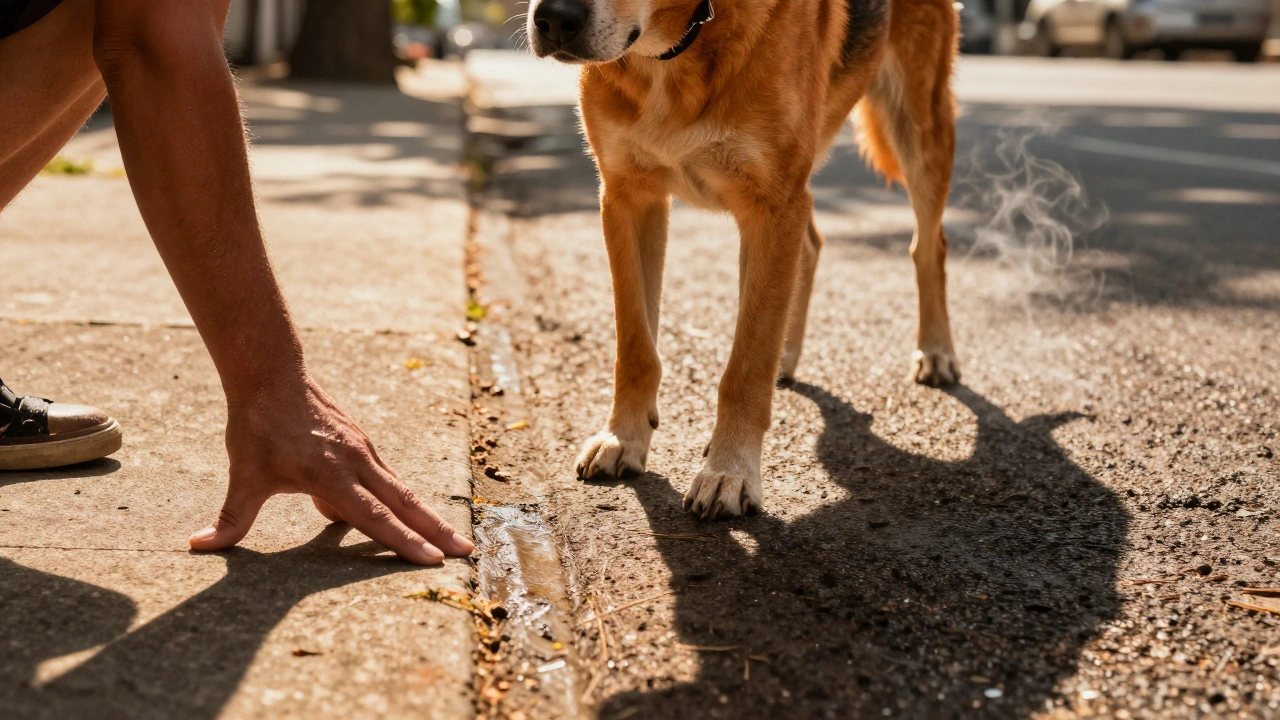
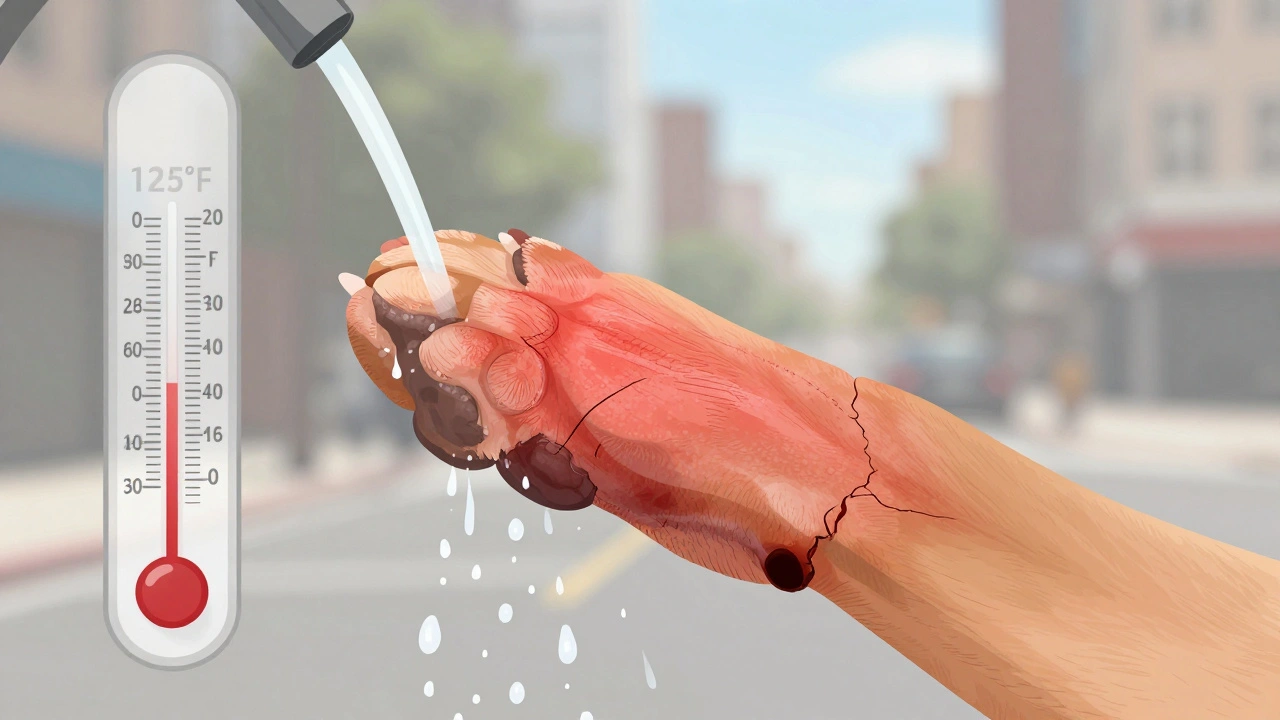
It’s not just about the air temperature. Asphalt and concrete absorb and hold heat like a skillet. On a 77°F day, pavement can hit 125°F. At 86°F outside, the ground hits 135°F. That’s hot enough to burn human skin in under a minute. Dogs? Their paw pads are tough, but not that tough. Five seconds on pavement that hot can cause first-degree burns. Ten seconds? You’re looking at second-degree blisters.
There’s a simple test: place the back of your hand on the pavement for seven seconds. If it’s too hot for your skin, it’s too hot for your dog’s paws. You don’t need to be an expert to know when it’s dangerous. Your hand is the best thermometer.
What Do Paw Burns Look Like?
Burns on dog paws don’t always show up right away. At first, your dog might just lift a foot or hesitate before stepping down. You might think they’re being lazy. But here’s what to look for:
- Limping or refusing to walk
- Licking or chewing at the paws
- Redness, swelling, or blistering on the pads
- Darkening or peeling skin on the pads
- Vocalizing when you touch their feet
These aren’t just signs of discomfort-they’re signs of tissue damage. Even if the burn looks minor, it can get infected. Dogs don’t tell you when something’s wrong. You have to notice before they break down.
First Aid for Burned Dog Paws
If you suspect a burn, act fast. Don’t wait to see if it gets better. Here’s what to do:
- Get your dog off the hot surface immediately.
- Run cool (not ice-cold) water over the affected paw for 10-15 minutes. You can use a garden hose, a sink, or a bucket of water. Avoid ice-it can cause more tissue damage.
- Gently pat the paw dry with a clean towel. Don’t rub.
- Do not apply ointments, butter, or home remedies. These can trap heat and make things worse.
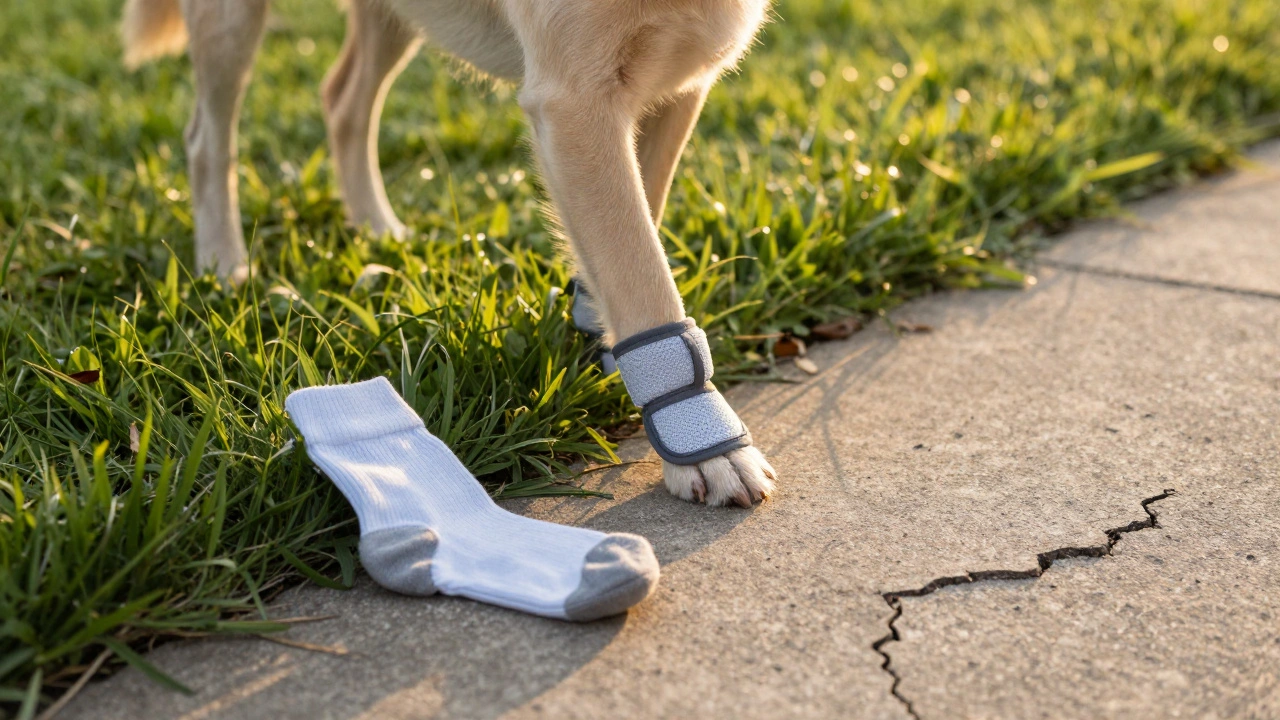
- Protect the paw with a clean sock or a soft bandage. Make sure it’s loose enough to allow airflow.
- Call your vet. Even mild burns need professional evaluation. Infections can set in quickly.
Some owners try to use aloe vera or coconut oil. That’s tempting-but it’s not safe. Aloe can be toxic if licked, and oils can seal in bacteria. Your vet will clean the wound, apply a vet-safe topical, and may prescribe antibiotics. Don’t guess. Let a professional handle it.
Prevention Is Easier Than Treatment
Once your dog has a paw burn, the healing process takes weeks. The pads heal slowly. And they’re prone to re-injury. That’s why prevention isn’t optional-it’s essential.
- Walk early or late. Before 8 a.m. or after 8 p.m., pavement temperatures drop significantly. That’s your sweet spot.
- Stick to grass, dirt, or gravel. These surfaces stay cooler. If you have to walk on pavement, keep to shaded areas.
- Use dog booties. Not all dogs take to them, but many adapt quickly. Look for lightweight, breathable options with good grip. Brands like Ruffwear and Ultra Paws work well in urban settings.
- Test before you go. Always check the pavement with your hand. It takes two seconds. That’s two seconds that could save your dog weeks of pain.
- Keep your dog’s paws moisturized. Dry, cracked pads are more vulnerable. Use a vet-approved paw balm (like Musher’s Secret) daily. Avoid petroleum-based products-they don’t breathe.
Why Some Dogs Are More at Risk
Not all dogs are equally vulnerable. Young puppies have softer pads that haven’t toughened up yet. Older dogs often have thinner pads due to age or arthritis. Breeds with less fur between their toes-like Greyhounds, Whippets, or Boxers-have less natural insulation. Dogs with diabetes or autoimmune conditions heal slower. And dogs who’ve had previous burns? Their pads don’t regenerate the same way.
If your dog has a history of paw issues, talk to your vet about protective measures. Some dogs need booties year-round. Others need daily balm. There’s no one-size-fits-all solution. But knowing your dog’s risk level makes prevention easier.
What Happens If You Ignore It?
Ignoring a paw burn is like ignoring a cut on your foot and walking around barefoot for days. Blisters pop. Bacteria get in. Infection spreads. Dogs can develop cellulitis, abscesses, or even sepsis. One owner I spoke with in Portland waited three days before taking her dog in. The vet had to remove dead tissue and prescribe two weeks of antibiotics. The dog couldn’t walk for ten days. That’s avoidable.
And it’s not just about pain. Dogs with chronic paw injuries often develop behavioral issues-reluctance to walk, anxiety around outdoor spaces, even aggression when you try to touch their feet. Healing takes time. But the emotional toll on your dog? That lasts longer.
Real-World Tips from Dog Owners
I’ve talked to dozens of dog owners in Portland who’ve dealt with this. Here’s what actually works:
- Keep a pair of booties in your car. You never know when you’ll need them.
- Use a cooling mat or towel before walks. Let your dog lie on it for five minutes-it lowers their body temp and helps their paws adjust.
- Try the ‘paw test’ before every walk. Seven seconds on pavement. If it’s uncomfortable for you, it’s too hot for them.
- Some owners spray their dog’s paws with water before walking. It’s not a fix, but it helps reduce direct contact with the surface.
- Carry a small bottle of water and a clean cloth. If your dog starts limping, you can rinse and cool the paw right there.
One woman walks her 12-year-old Shih Tzu every morning at 6:30 a.m. She says, ‘I used to think she was being dramatic. Now I know she was screaming. I just didn’t know how to listen.’
When to Call the Vet
You don’t need to panic at the first sign of limping. But here’s when you should call:
- The burn covers more than one paw
- There’s visible blistering or open wounds
- Your dog won’t put weight on the paw after 24 hours
- There’s pus, swelling, or a foul smell
- Your dog is lethargic, feverish, or not eating
These aren’t ‘wait-and-see’ situations. They’re vet emergencies. Delaying care can mean surgery, long-term mobility issues, or worse.
Final Thought: It’s Not Just About the Pavement
Hot pavement burns are preventable. But they’re also a symptom of something bigger: we assume our dogs can handle whatever we throw at them. They can’t. They don’t have shoes. They don’t have the ability to say, ‘This is too hot.’
It’s our job to protect them-not because they’re pets, but because they’re living beings who trust us completely. A quick check of the pavement, a pair of booties, a daily balm-these aren’t luxuries. They’re basic care. Your dog doesn’t need fancy toys or expensive food. They need you to pay attention. And that’s the most important thing you can do.