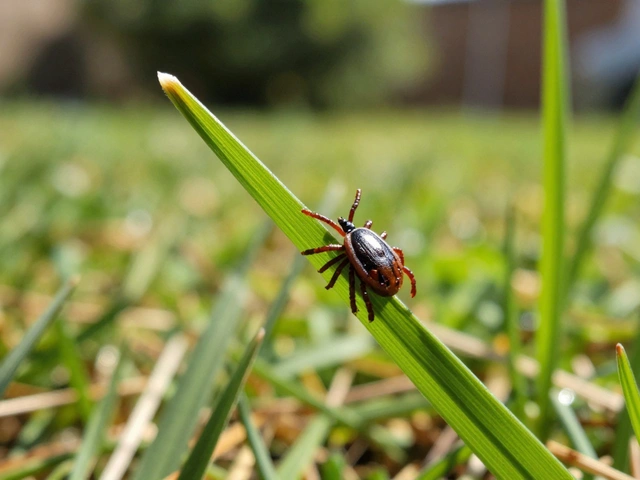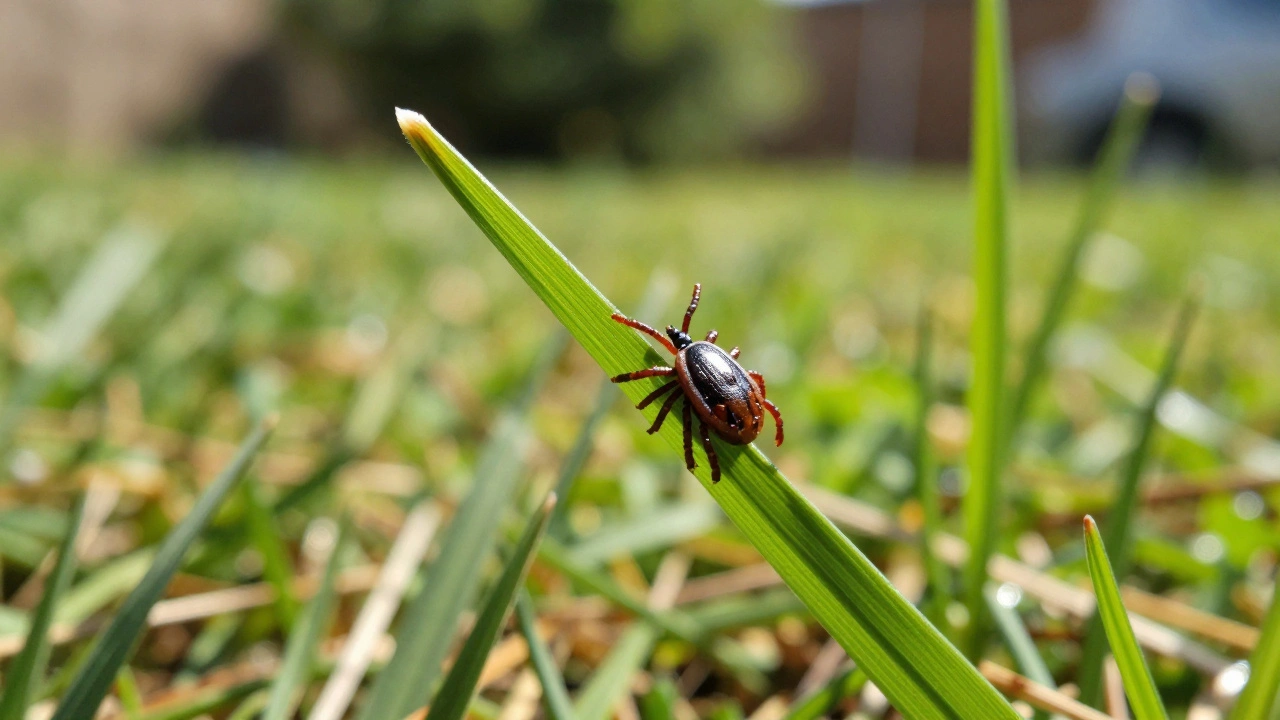
The air is getting warmer, the grass is growing taller, and if you live anywhere with a backyard or a local park, your dog’s paws are about to become a target. Tick season isn’t just a vague concept; it’s a biological clock that starts ticking as soon as soil temperatures hit 45°F (7°C). For most of us, that means late spring through early fall, but with changing weather patterns, ticks are staying active longer into the winter.
You might think you’re safe because you check your dog after every walk. But here’s the hard truth: a tick needs to be attached for only 36 to 48 hours to transmit Lyme disease is a bacterial infection caused by Borrelia burgdorferi that affects both humans and animals. In that window, a tiny larva can crawl from a blade of grass onto your dog’s ear, hide under its collar, and start feeding before you even notice a bump.
Understanding the Enemy: Not All Ticks Are Created Equal
Before we talk about prevention, you need to know who you’re fighting against. There are three main types of ticks that pose a serious threat to dogs in North America, and each behaves differently.
| Tick Type | Primary Region | Key Diseases Transmitted | Peak Activity |
|---|---|---|---|
| Black-legged Tick (Deer Tick) | Northeast, Upper Midwest, Pacific Northwest | Lyme disease, Anaplasmosis, Babesiosis | Spring and Fall |
| American Dog Tick | Most of the US east of the Rockies | Rocky Mountain Spotted Fever, Tularemia | Spring and Summer |
| Lone Star Tick | Southeast and South Central US | Ehrlichiosis, STARI, Alpha-gal syndrome | Summer and Early Fall |
The Black-legged tick is the smallest and the sneakiest. It looks like a speck of dirt until it engorges. The American Dog Tick is larger and easier to spot, but it carries Rocky Mountain Spotted Fever, which can be fatal if untreated. Knowing which tick lives in your zip code helps you understand the urgency. If you’re in Portland, Oregon, or upstate New York, you’re dealing with Deer Ticks. If you’re in Texas or Georgia, Lone Star Ticks are your primary concern.
Signs Your Dog Needs Immediate Attention
Catching a tick early is the best defense, but sometimes they slip past the initial check. You need to watch for behavioral changes, not just physical bumps. A dog doesn’t have to be scratching frantically to have a problem. Subtle signs often appear first.
- Excessive Scratching or Licking: While this can indicate allergies, sudden focus on one area-like behind the ears or between toes-suggests irritation from a bite.
- Loss of Appetite: If your usually food-motivated pup turns down dinner, something is wrong internally.
- Lethargy: Tick-borne diseases cause systemic inflammation. If your dog is sleeping more than usual or reluctant to go on walks, take note.
- Swollen Joints: This is a classic sign of Lyme disease. You might see your dog limping, shifting weight from leg to leg, or having trouble jumping onto the couch.
- Fever: A temperature above 102.5°F (39.2°C) indicates an immune response to infection.
If you notice any combination of these symptoms, don’t wait. Call your vet immediately. Early antibiotic treatment is highly effective for most tick-borne illnesses. Delaying care can lead to chronic joint pain, kidney failure (from Ehrlichia), or neurological issues.

The Four Layers of Defense
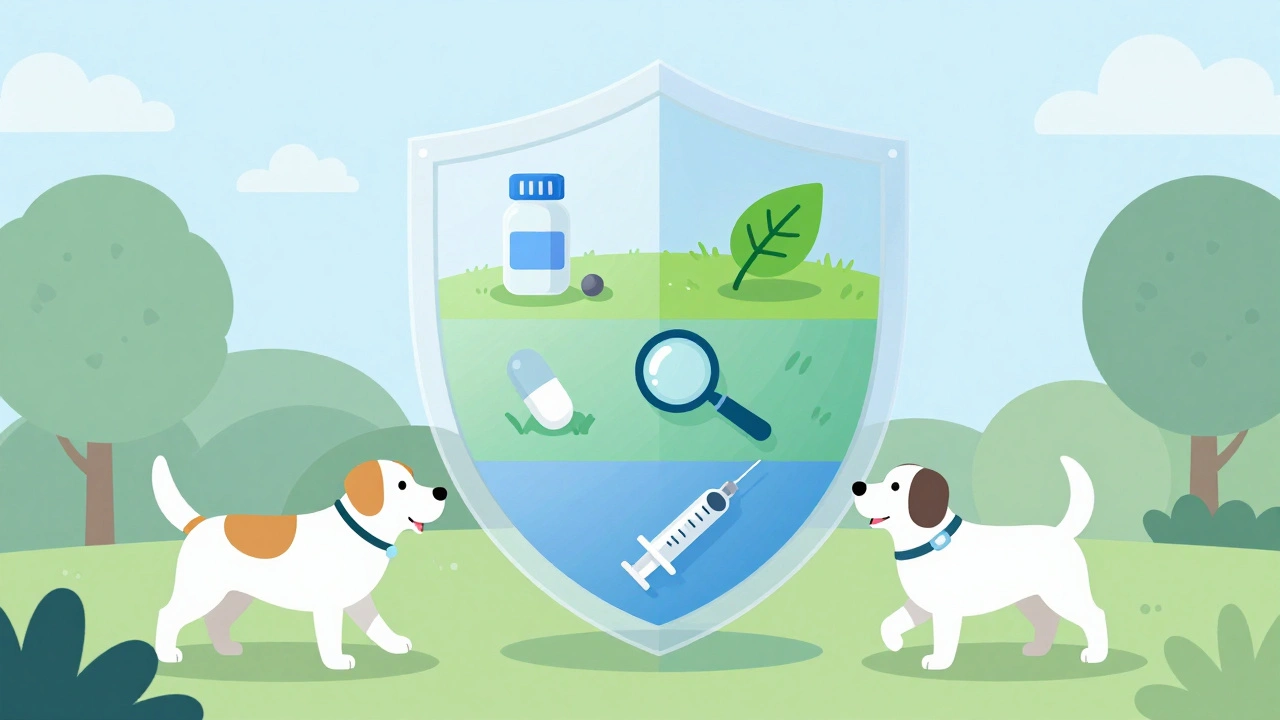
Relying on just one method is risky. Think of tick prevention like home security: you need a fence, an alarm system, and a guard dog. Here’s how to build that layered approach for your pet.
1. Prescription Topical Treatments and Orals
Over-the-counter flea collars are largely ineffective against ticks. They repel some insects but rarely kill ticks that have already attached. Instead, look for veterinary-prescribed products containing ingredients like fluralaner (Bravecto), afoxolaner (NexGard), or lotilaner (Credelio). These oral medications work systemically, meaning the drug circulates in your dog’s blood. When a tick bites, it ingests the medication and dies within 24 to 48 hours.
Topical treatments, often called "spot-ons," create a barrier on the skin. Brands like Frontline Plus and Advantix II spread across the hair shaft. However, they require dry application and can wash off if your dog swims shortly after application. For high-risk areas, many vets recommend combining an oral medication with a topical repellent for maximum coverage.
2. Environmental Control
Ticks don’t fly; they hitch rides. They climb up tall grass, weeds, or shrubs and extend their legs, waiting for a host to brush past-a behavior called "questing." To reduce their population in your yard:
- Mow your lawn regularly. Ticks hate direct sunlight and dry conditions.
- Create a barrier of wood chips or gravel between lawns and wooded areas. Ticks cannot cross dry, open surfaces easily.
- Remove leaf litter and brush piles where ticks thrive in humid microclimates.
- Consider professional yard treatments with permethrin-based sprays if you have a large property. Note: Permethrin is toxic to cats, so keep felines away during application.
3. Daily Physical Checks
This is non-negotiable. After every outdoor excursion, run your hands over your dog’s body. Feel for small bumps, especially in warm, moist areas. Ticks love:
- Inside the ears
- Between the toes
- Under the collar
- Around the groin and tail base
- Underneath the armpits
Use a fine-toothed comb on long-haired breeds. You’ll catch larvae and nymphs that are nearly invisible to the naked eye. Make this part of your post-walk routine, like brushing teeth. It takes two minutes and can save your dog’s life.
4. Vaccination
The Lyme vaccine is available and recommended for dogs living in high-prevalence areas. It doesn’t prevent tick bites, but it prevents the bacteria from establishing an infection if a bite occurs. Discuss with your vet whether the vaccine fits your dog’s lifestyle. It’s typically given annually, starting at nine weeks of age.
How to Remove a Tick Safely
Panic happens when you find a tick. Don’t squeeze it, don’t burn it, and definitely don’t use nail polish or petroleum jelly. These old wives’ tales irritate the tick, causing it to regurgitate stomach contents into your dog’s bloodstream-which is exactly how diseases get transmitted.
- Get Fine-Tipped Tweezers: Keep a pair in your first-aid kit. Grasp the tick as close to the skin’s surface as possible.
- Pull Upward Steadily: Apply even pressure. Do not twist or jerk, as this can leave mouthparts embedded in the skin.
- Clean the Bite Area: Use rubbing alcohol or soap and water on the bite site and your hands.
- Dispose of the Tick: Flush it down the toilet, place it in alcohol, or seal it in tape. Do not crush it with your fingers.
- Monitor for Symptoms: Save the tick in a sealed bag if possible. Some labs offer testing services to identify what diseases the tick carried.
If you can’t remove all the mouthparts, don’t dig. Let the skin heal, and watch for signs of local infection. Embedded parts will eventually work themselves out or can be removed by a vet.
When to See the Vet Immediately
Not every tick bite leads to disease, but some progress quickly. Seek emergency care if your dog shows:
- Difficulty breathing
- Bleeding gums or nosebleeds (signs of Hemorrhagic Fever)
- Seizures or tremors
- Sudden collapse or inability to stand
For less urgent but concerning symptoms like mild lethargy or a single swollen joint, schedule a same-day appointment. Blood tests can detect antibodies to Lyme, Anaplasma, and Ehrlichia. Early detection means shorter courses of antibiotics and better outcomes.
Can indoor-only dogs get ticks?
Yes. Ticks can hitch a ride on your clothing, shoes, or other pets. They can also enter through open windows or doors. Even if your dog never goes outside, regular checks and preventive medication are wise if you live in a tick-endemic area.
How long does tick season last?
In most temperate climates, tick activity peaks from April to October. However, with milder winters, ticks can remain active year-round in some regions. Never skip monthly prevention, even in December.
Are natural tick remedies effective?
Essential oils like cedarwood or peppermint may repel some ticks, but studies show they are far less effective than prescription medications. Relying solely on natural remedies puts your dog at higher risk for severe disease. Use them only as a supplement to, not a replacement for, proven preventatives.
What should I do if my dog eats a tick?
It’s unpleasant but usually harmless. The stomach acid will kill the tick. Monitor your dog for vomiting or diarrhea for 24 hours. If symptoms persist, contact your vet. Ensure your dog is on current preventive medication to avoid future incidents.
Can I test my yard for ticks?
Yes. You can buy tick drag kits online or hire a pest control company to survey your property. Dragging a white cloth through tall grass reveals questing ticks. High counts indicate a need for professional landscaping or chemical treatment.