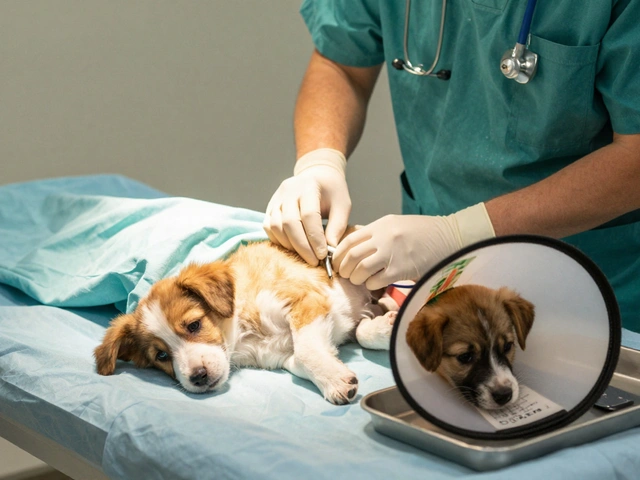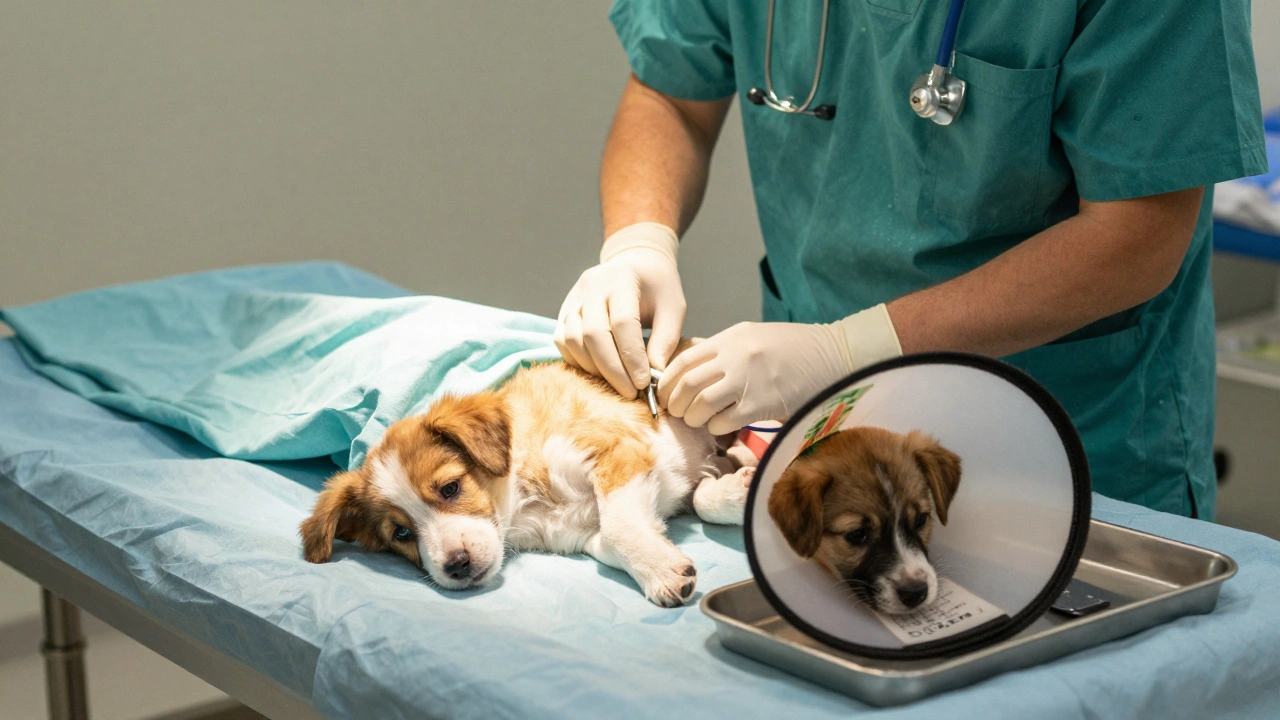
When you bring home a new puppy, one of the first big decisions you’ll face is whether and when to spay or neuter them. For years, the standard advice was to wait until dogs were six to nine months old-sometimes even longer for larger breeds. But in recent years, more veterinarians and animal shelters have started performing spay and neuter surgeries on puppies as young as eight weeks. This shift has sparked debate among pet owners, vets, and breeders. Is early-age spay and neuter safe? What are the real benefits and risks? And does it actually help reduce pet overpopulation? Let’s cut through the noise with clear, evidence-based answers.
What Is Pediatric Spay and Neuter?
Pediatric spay and neuter refers to sterilizing dogs before they reach sexual maturity, typically between 8 and 16 weeks of age. This is different from traditional spay/neuter, which usually happens around 6 months. The procedure itself is the same: removal of the ovaries and uterus in females (spay), or the testicles in males (neuter). But the timing changes how the dog’s body responds.
Shelters have been using early sterilization for decades. The ASPCA and American Veterinary Medical Association (AVMA) both endorse pediatric spay and neuter as a safe, effective tool to prevent unwanted litters. In fact, many municipal animal control programs require it before adoption. The goal? Stop puppies from being born into overcrowded shelters where euthanasia is still common. In 2024, U.S. shelters took in over 6 million dogs and cats. About 30% of those were euthanized due to lack of space or resources. Early sterilization helps change that number.
Why Do Some Vets Recommend It So Early?
There are three strong reasons why early spay and neuter is gaining popularity:
- Prevents accidental breeding-Puppies can reach sexual maturity as early as 5 months. A female dog in heat can attract males from over a mile away. If you don’t get your puppy fixed before then, you risk an unplanned litter-even if you think your dog is "just going outside for a minute."
- Faster recovery-Younger puppies heal quicker. Their tissues are more elastic, they lose less blood during surgery, and they bounce back in 24-48 hours. Most go home the same day. Adult dogs often need 7-10 days of restricted activity.
- Lower surgical risk-Studies from the University of California, Davis show that puppies under 12 weeks have lower anesthesia complications than older dogs. Their smaller size means less anesthetic is needed, and their organs are more resilient.
One real-world example: A rescue group in Texas started sterilizing all puppies at 8 weeks before adoption. Within two years, their return rate for unwanted dogs dropped by 68%. Not because people were better owners-but because the dogs were already fixed.
What Are the Risks? Debunking Common Myths
Some pet owners worry that sterilizing too early harms a dog’s development. Let’s look at the science.
Myth: Early neutering causes joint problems
This myth comes from a 2013 study on Golden Retrievers and Labrador Retrievers. It found that dogs neutered before 1 year had slightly higher rates of hip dysplasia and cranial cruciate ligament (CCL) tears. But here’s the catch: the study didn’t compare early (8-16 weeks) to traditional (6-9 months) neutering. It compared neutering before 1 year to neutering after 1 year. And it only looked at large breeds.
More recent research from the Journal of the American Veterinary Medical Association (2022) reviewed over 20,000 dogs. It found no increased risk of joint disorders in small and medium breeds sterilized before 16 weeks. For large breeds, the risk was slightly higher-but only if they were neutered before 6 months. That’s still much earlier than the traditional 9-12 month window.
Myth: Early neutering makes dogs overweight or lazy
Spaying and neutering reduce metabolism slightly. But weight gain? That’s about food and exercise-not hormones. A 2021 study of 5,000 dogs found no difference in obesity rates between early-neutered and late-neutered dogs when owners followed feeding guidelines. The real issue? People treat neutered dogs like they’re "cured" and stop monitoring their diet. That’s not the surgery’s fault.
Myth: Female dogs need to have one litter first
This is pure folklore. There is zero medical evidence that having a litter improves a female dog’s health. In fact, spaying before the first heat reduces the risk of mammary cancer by 99%. After the first heat, that drops to 86%. After the second? Only 11%. The earlier, the better.

What About Behavioral Changes?
Spaying and neutering don’t change your dog’s personality. They don’t make them "less masculine" or "less playful." But they do reduce behaviors driven by hormones.
- Males: Less marking, less roaming, fewer fights with other males
- Females: No heat cycles, no false pregnancies, no bloody discharge
A 2020 survey of 1,200 dog owners found that 73% noticed improved focus in their dogs after early neutering. That’s not because the dog became "calmer"-it’s because they weren’t distracted by mating urges. Training becomes easier. Recall improves. Off-leash time becomes safer.
Who Should Consider Early Sterilization?
Not every dog needs to be fixed at 8 weeks. But here’s who benefits most:
- Rescue and shelter puppies-The standard. Prevents future overpopulation.
- Small and medium breeds (under 50 lbs)-Lowest risk, highest benefit.
- Households with multiple pets-Reduces tension and marking.
- Owners who struggle with timing-If you’re likely to forget until 8 months, do it at 12 weeks.
On the other hand, consider waiting if:
- Your dog is a large or giant breed (over 50 lbs) and you’re working with a vet who recommends delaying until 12-18 months
- Your dog has a known genetic joint condition
- You’re a serious breeder (and even then, many breeders spay/neuter pet-quality puppies early)
What Happens During the Surgery?
It’s a routine outpatient procedure. Here’s what to expect:
- Pre-op exam-The vet checks for fever, parasites, or illness. Puppies this young rarely have complications, but they’re screened anyway.
- Fast-No food for 8 hours, water allowed until 2 hours before.
- Anesthesia-A lightweight, short-acting anesthetic is used. Monitoring includes heart rate, oxygen levels, and body temperature.
- Surgery-Takes 15-30 minutes. Incision is small, sutured internally.
- Recovery-Puppies wake up within minutes. Most are eating and playing within 2 hours. No pain medication is usually needed beyond a single dose.
Most clinics send home a tiny cone (Elizabethan collar) and instructions to keep the puppy calm for 24 hours. No baths, no rough play. That’s it.

Cost Comparison: Early vs. Traditional
Early spay and neuter is often cheaper. Why? Shorter surgery time, less anesthesia, fewer complications. Many shelters offer it for under $100. Private vets charge $200-$400 for traditional spay/neuter. Early procedures run $150-$300. Some cities have subsidized programs for low-income owners.
And here’s the real math: An unplanned litter of 6 puppies could cost you $1,200 in vet bills, food, and emergency care. Fixing one puppy early? A one-time $200 investment.
What Do Leading Organizations Say?
- AVMA: "Pediatric spay/neuter is a safe and effective method of population control. It should be considered for all dogs not intended for breeding."
- ASPCA: "Shelters that implement early sterilization see a 50-70% reduction in intake of puppies under 6 months."
- AAHA (American Animal Hospital Association): "The benefits of sterilization before 6 months outweigh the risks for most dogs."
Even the Journal of the American Veterinary Medical Association published a 2023 position paper stating that early sterilization is "not just acceptable-it’s a responsible choice for pet owners who want to prevent overpopulation and improve long-term health."
What If I’m Still Unsure?
Ask your vet this: "Based on my dog’s breed, size, and lifestyle, what’s the best timing for sterilization?" Then ask for data. Not opinions. Look for studies from reputable institutions like UC Davis, Cornell, or Tufts.
If your vet resists early sterilization, ask why. Are they following outdated guidelines? Or do they have a specific concern about your dog? If they say "I’ve always done it at 6 months," that’s not a reason-it’s a habit.
There’s no perfect age for every dog. But for most pets, 8-16 weeks is the sweet spot: safe, simple, and life-changing-for your dog and for the shelter system.
Is pediatric spay and neuter safe for small breed dogs?
Yes. Small breed dogs (under 20 lbs) recover faster and have fewer complications than larger dogs. Studies show no increased risk of joint or hormonal issues when sterilized between 8 and 16 weeks. Many shelters sterilize toy breeds as early as 6 weeks with excellent outcomes.
Can I spay my female puppy during her first heat?
Technically, yes-but it’s not ideal. During heat, the reproductive organs are swollen and more vascular, which increases bleeding risk and surgery time. It also raises the cost. Most vets recommend waiting 2-3 months after the heat ends. The best plan? Fix her before she ever goes into heat.
Will my dog become overweight after early neutering?
Not if you manage their diet and activity. Neutering lowers metabolic rate by about 10-15%, but that’s easily offset by reducing food portions by 10% and keeping them active. A 2021 study found no difference in obesity rates between early- and late-neutered dogs when owners adjusted feeding.
Do male dogs need to be neutered before 6 months?
For most pet males, yes. By 6 months, many males begin marking territory, showing aggression toward other males, or trying to escape to find mates. Early neutering prevents these behaviors from becoming habits. It also reduces the risk of testicular cancer and prostate issues later in life.
Is there an upper age limit for pediatric spay and neuter?
The term "pediatric" typically refers to dogs under 6 months. While some clinics will sterilize dogs up to 6 months as "early" spay/neuter, the real advantages are strongest before 16 weeks. After that, the benefits shift from prevention of behavior and overpopulation to long-term health-which can still be achieved with traditional timing.