Key Takeaways for Dog Oral Care
- Water additives are great for maintenance but won't remove existing hard tartar.
- Enzymatic gels break down plaque chemically, making them more effective than standard pastes.
- Consistency is the only way these products work; a random dose once a week does nothing.
- Professional cleanings are still the gold standard; home products prevent the next buildup.
The Science of Dog Plaque and Tartar
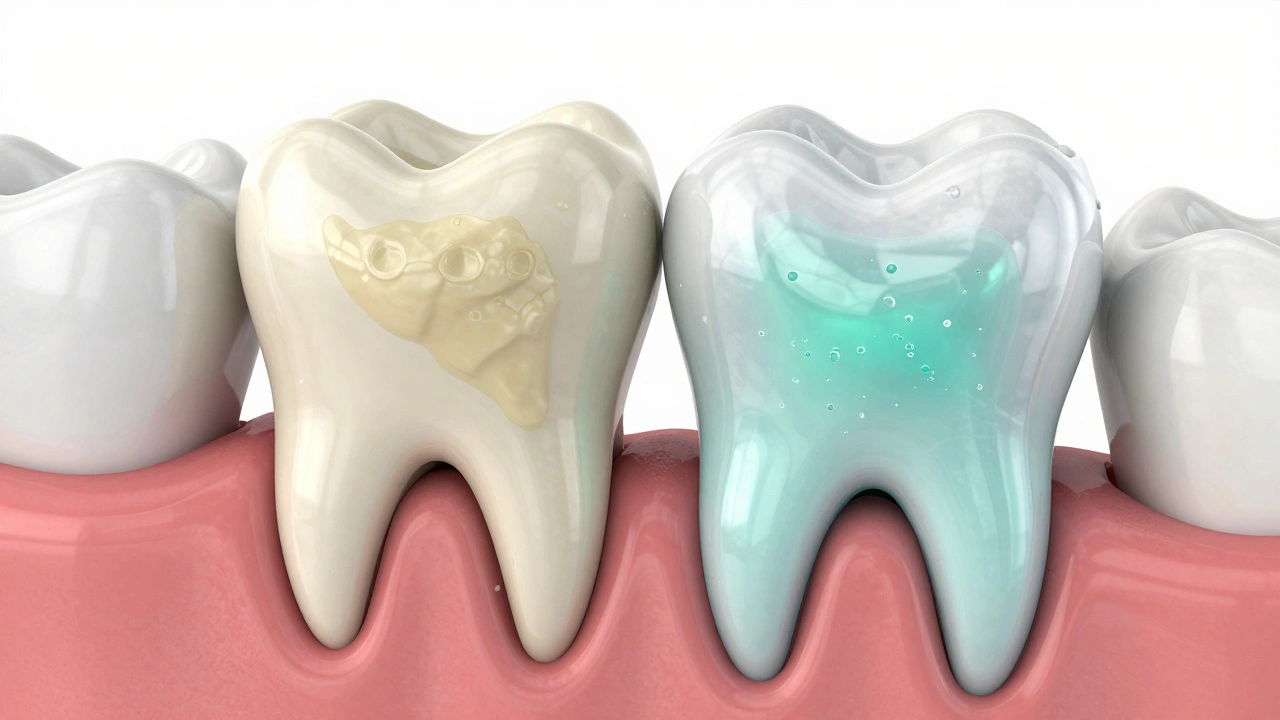
To understand why certain products work, we have to look at what we're fighting. Plaque is a sticky, colorless film of bacteria that constantly forms on a dog's teeth. If it isn't removed within 48 hours, it mineralizes into Tartar (or calculus), which is essentially a rock attached to the tooth. Once tartar forms, no rinse or gel in the world can scrub it off-only a vet with a scaler can do that.
The goal of dog dental rinses and gels is to disrupt the biofilm of bacteria so plaque can't harden. This is where the chemistry comes in. Some products use mechanical friction, while others use chemical reactions to destabilize the bacteria's grip on the enamel.
Do Water Additives Actually Work?
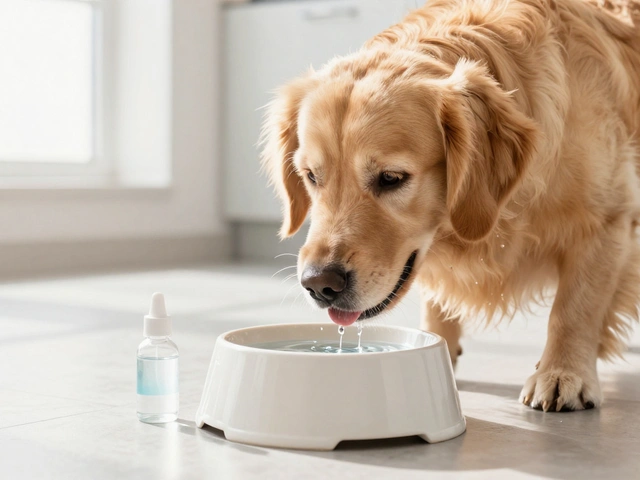
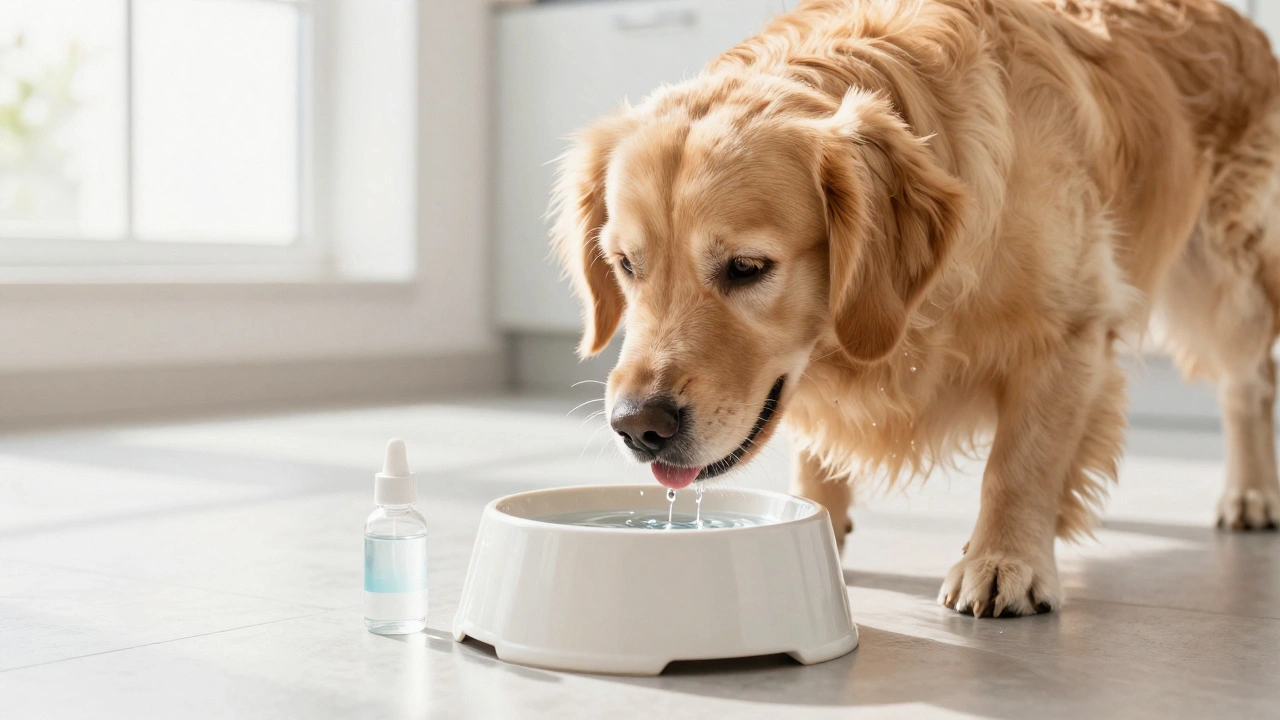
Water additives are the "easy button" of pet care. You drop a liquid into their bowl, and they "brush" their teeth by drinking. While they are incredibly convenient, you need to manage your expectations. These aren't magic erasers.
Most effective rinses use Chlorhexidine or Zinc Gluconate. Chlorhexidine is an antimicrobial agent that kills the bacteria causing the smell and plaque. Zinc helps prevent the plaque from sticking to the tooth surface in the first place. If your dog has mild redness at the gumline, a rinse can help soothe the inflammation.
The downside? Some dogs hate the taste. If your pup stops drinking because the water tastes like a chemistry lab, you've traded a dental problem for a dehydration problem. Always introduce these slowly-start with a half-dose to let them get used to the flavor.
The Power of Enzymatic Dental Gels
If you want something more potent than a rinse, look for Enzymatic Toothpaste or gels. Unlike human toothpaste, which uses abrasives and detergents (which are toxic to dogs), these gels use enzymes like Glucose Oxidase.
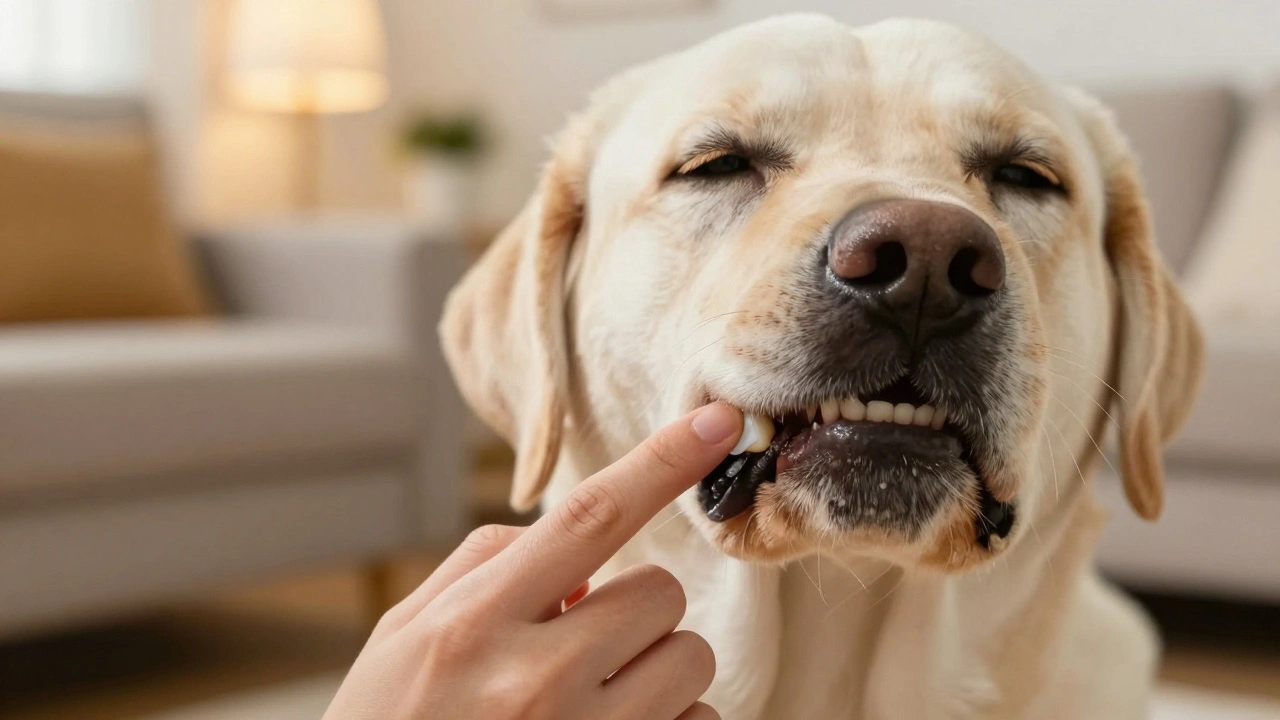
Here is how it works: the enzyme breaks down the carbohydrates in the plaque, essentially "digesting" the glue that holds the bacteria together. You don't even necessarily need to scrub with a brush for the enzymes to work; the simple act of rubbing the gel onto the gums with your finger can be effective. This is a lifesaver for dogs who treat a toothbrush like a chew toy.
| Method | Effort Level | Primary Action | Best For... |
|---|---|---|---|
| Water Additives | Very Low | Bacterial Inhibition | Maintenance & Breath |
| Finger-Rub Gels | Medium | Enzymatic Breakdown | Plaque Prevention |
| Brushing with Gel | High | Mechanical Removal | Maximum Plaque Control |
Spotting the Red Flags: When Home Care Isn't Enough
There is a dangerous trend of owners relying solely on gels and rinses while ignoring a crumbling tooth. Home care is preventative, not curative. If you see a tooth that is broken, a gum that is bleeding profusely, or a dog that suddenly stops eating dry kibble, stop the gels and call the vet.
Specifically, look out for Periodontal Disease. This occurs when the plaque moves below the gumline, destroying the ligaments and bone holding the tooth in place. A rinse might make the breath smell better, but it won't stop a tooth from falling out. If your dog has "brown stones" (tartar) covering their lower canines, those are already mineralized. Gels cannot dissolve these.
Putting It All Together: A Weekly Routine
The most successful approach is a "layered" strategy. Using just one product is like only washing your hands and never brushing your teeth-it helps, but it's not complete. Try this routine for a healthier mouth:
- Daily: Use a water additive to keep the bacterial load low and the breath fresh.
- 3 Times a Week: Apply an enzymatic gel to the molars and premolars using a finger or a soft cloth.
- Once a Week: Use a dental chew approved by the VOHC (Veterinary Oral Health Council). These provide the mechanical scraping that gels can't provide.
- Every 6-12 Months: A professional checkup to ensure no hidden decay is happening under the gumline.
Common Mistakes to Avoid
First, never use human toothpaste. Ingredients like Xylitol are lethal to dogs, causing a massive insulin release that leads to liver failure. Even the "natural" human pastes often have fluoride, which can upset a dog's stomach.
Second, don't assume that "natural" charcoal rinses are better. While charcoal can absorb some smells, too many of these over-the-counter charcoal products are too abrasive or lack the active antimicrobial ingredients needed to actually stop periodontal disease. Stick to products backed by veterinary science.
Can I use a human mouthwash for my dog?
Absolutely not. Human mouthwashes often contain alcohol, fluoride, and artificial sweeteners like Xylitol, which are toxic to dogs. They also have flavors (like intense peppermint) that can be irritating to a dog's sensitive olfactory system.
How long does it take for a dental rinse to work?
For breath improvement, you'll usually notice a difference within a few days. However, for plaque reduction, it takes consistent use over 2 to 4 weeks to see a visible decrease in the "slime" on the teeth.
Are enzymatic gels safe for puppies?
Yes, most enzymatic gels are safe for puppies. In fact, starting a dental routine while they are young makes them more likely to accept brushing as an adult. Just ensure the product is specifically labeled for canine use.
Why does my dog's breath still smell after using a rinse?
If a rinse isn't working, it's likely because the tartar is already too thick for the product to penetrate, or there is an underlying issue like kidney disease or a decayed tooth root that requires medical intervention.
Do I need to brush if I use a dental gel?
While enzymes do the chemical work, brushing provides the physical force needed to remove the loosened plaque. Using a gel without brushing is better than nothing, but combining both is the most effective way to prevent tartar.
Troubleshooting Your Dog's Routine
If your dog is fighting the gel application, try the "treat method." Smear a tiny bit of the gel on a piece of their favorite treat. Once they associate the taste with a reward, they'll be much more relaxed when you apply it to their gums. If they are still resistant, focus on the easiest areas first-the front teeth-and gradually move toward the back molars over several weeks.
For dogs with extremely sensitive gums, avoid any product with a "grainy" texture, as these can cause micro-tears in the tissue. Stick to smooth, clear gels and mild water additives until the inflammation goes down.