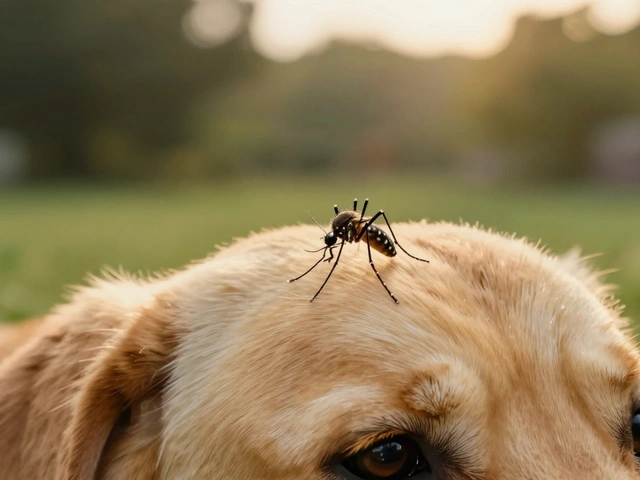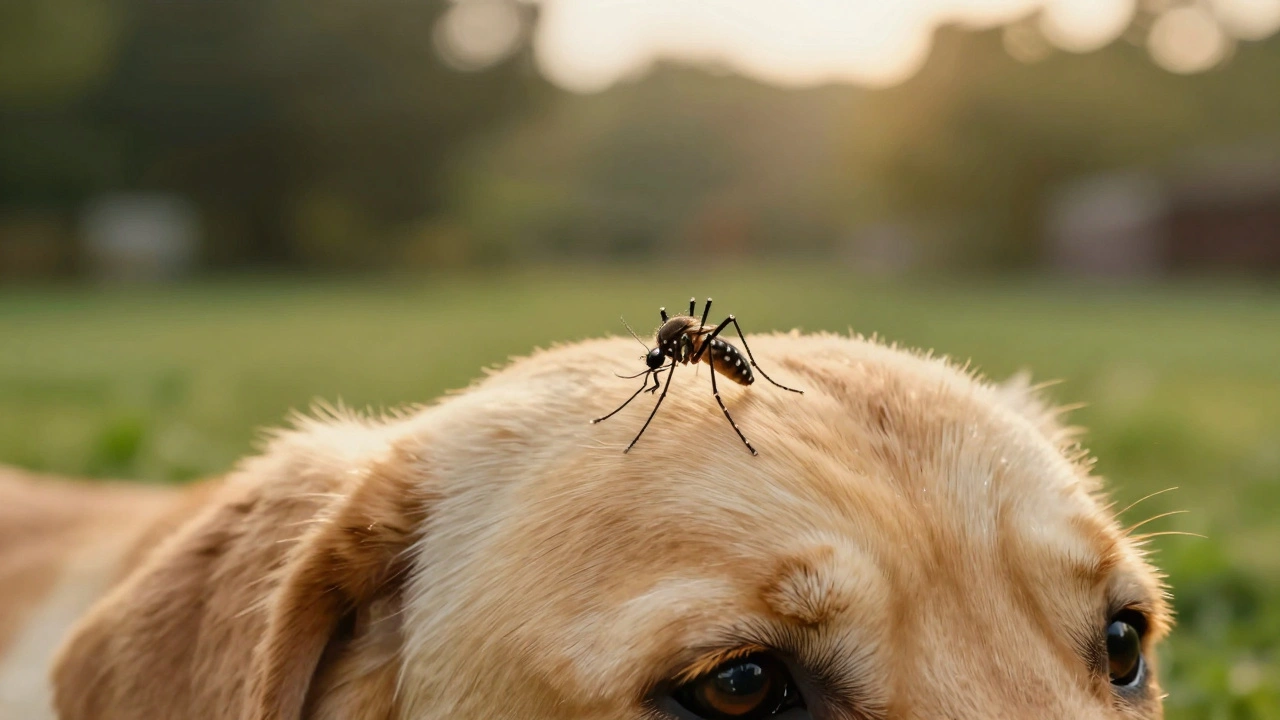
A single mosquito bite is all it takes. While we usually think of mosquitoes as just a nuisance that causes itchy bumps, for your dog, they carry a silent, deadly passenger. Heartworm is not something you can just "treat" away once it takes hold; by the time you see the symptoms, the damage to the heart and lungs is often severe. The good news? It's entirely preventable if you know how to break the cycle between the insect and your pet.
Quick Summary: Protecting Your Dog from Heartworm
- Preventatives: Monthly medication is the only guaranteed way to kill larvae before they become adults.
- Environmental Control: Remove standing water and use pet-safe repellents to keep bugs away.
- Testing: Annual blood tests are critical because preventatives don't work on existing adult worms.
- Integrated Approach: Combine medical prevention with physical barriers for the best results.
The Invisible Threat: How Heartworm Works
To stop the problem, you have to understand the enemy. Heartworm is a parasitic roundworm caused by the nematode Dirofilaria immitis. It doesn't just jump from one dog to another. It requires a vector-a mosquito-to move.
When a mosquito bites an infected animal, it picks up microscopic larvae. When that same mosquito bites your dog, it injects those larvae into the bloodstream. For the next six months, those larvae migrate through the tissues and eventually settle in the pulmonary arteries and the heart. Imagine tiny, invasive worms clogging the blood flow to the lungs. This leads to inflammation, exercise intolerance, and eventually, right-sided heart failure.
The scary part? Many dogs are asymptomatic for months. You might think your dog is just "slowing down" due to age, when in reality, their heart is struggling against a colony of worms. This is why we focus so heavily on mosquito control for dogs-it's far easier to stop a mosquito than it is to surgically remove worms from a heart.
Medical Prevention: Your First Line of Defense
You can't rely on bug spray alone. Medical preventatives are the gold standard. These aren't "cures" in the traditional sense; they are essentially "clean-up crews." They kill the larvae that the mosquito left behind before they can mature into adults.
Most vets suggest Macrocyclic Lactones, which are the active ingredients in most heartworm meds. Depending on your dog's lifestyle, you have a few options:
- Monthly Chews or Topicals: These are great for owners who like a routine. You give a pill or apply a drop once every 30 days.
- 6-Month or 12-Month Injectables: If you're prone to forgetting the monthly dose, these long-acting injections are a lifesaver.
- Combination Products: Many modern preventatives also target Dirofilaria (heartworm) and common fleas or ticks in one dose.
| Method | Frequency | Pros | Cons |
|---|---|---|---|
| Oral Chews | Monthly | Easy to administer, widely available | Easy to forget a dose |
| Topical Drops | Monthly | No need to hide it in a treat | Can rub off on furniture/owners |
| Injectables | 6-12 Months | Zero forgetfulness risk | Requires vet visit for administration |
Turning Your Yard Into a No-Fly Zone
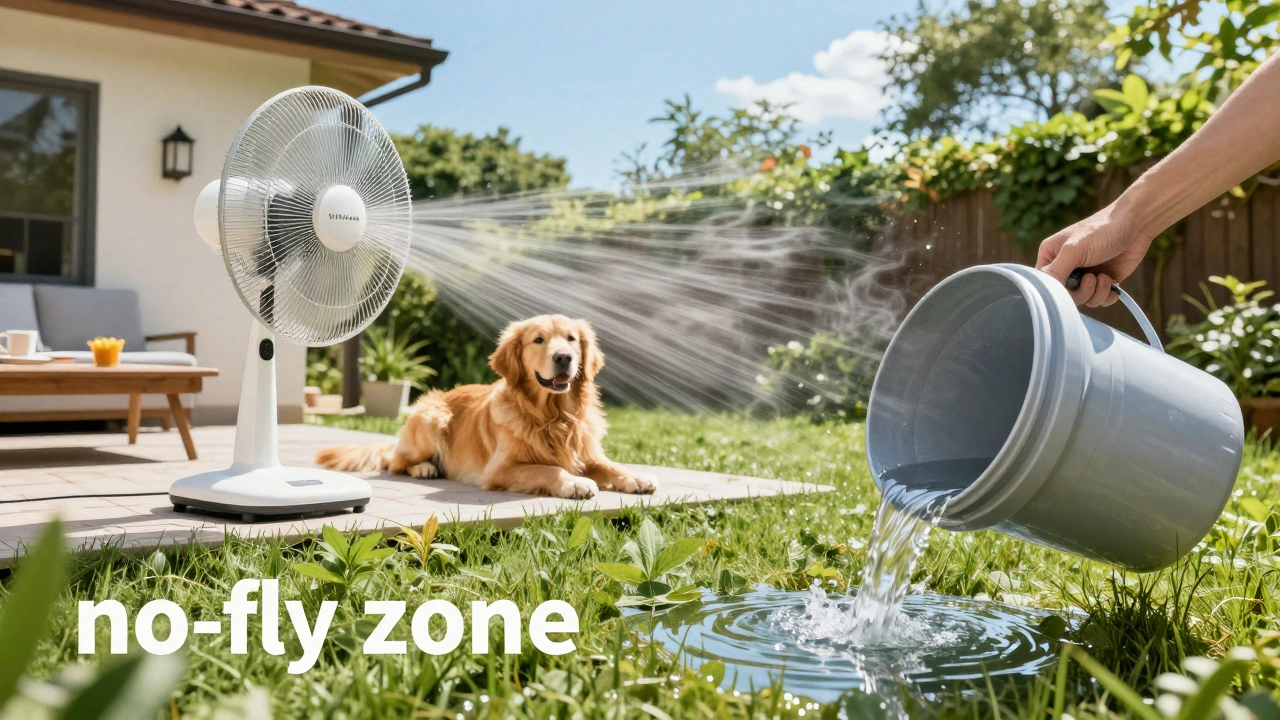
Medication protects the inside, but environmental control reduces the number of "attacks" your dog faces. Mosquitoes don't just appear; they breed in specific conditions. If you have a birdbath or a clogged gutter, you're essentially running a mosquito hotel.
Start by auditing your outdoor space. Any container holding water for more than 72 hours is a breeding ground. Flip over old buckets, empty flower pot saucers, and ensure your drainage pipes aren't blocked. If you have a pond, consider adding Mosquito Fish (Gambusia affinis), which naturally eat larvae without harming the ecosystem.
Timing also matters. Mosquitoes are most active during dawn and dusk. If you usually take your dog for a walk at 6:00 PM, consider shifting it to midday or late evening. Additionally, a simple oscillating fan on your patio can keep bugs away; mosquitoes are weak fliers and can't navigate the wind turbulence created by a fan.

Safe Repellents and Physical Barriers
Be extremely careful with store-bought bug sprays. Many human repellents contain DEET, which can be toxic to dogs if they lick their fur or absorb too much through their skin. Always check with your vet before applying any chemical to your dog.
Instead, try these safer alternatives:
- Dog-Specific Repellent Wipes: These usually use natural oils like lemongrass or peppermint. They aren't as long-lasting as meds, but they add an extra layer of protection during a hike.
- Permethrin-Treated Gear: For dogs that spend a lot of time outdoors (like hunting dogs), certain collars or vests treated with permethrin can repel mosquitoes. Just ensure the product is specifically labeled for canine use.
- Physical Screens: If you have a porch, installing fine-mesh screens keeps the bugs out while letting your dog enjoy the breeze.
The Critical Role of Annual Testing
Here is a mistake many pet owners make: they start a preventative without a test. If your dog is already heartworm-positive, giving them a preventative can actually be dangerous. It can cause a severe reaction as the medication kills the existing adult worms, releasing dead organic matter into the bloodstream.
A heartworm test is a simple blood draw. The vet looks for antigens (proteins) produced by adult female worms. If the test is negative, you're clear to start the preventative. If it's positive, you'll need a specialized treatment plan involving Melarsone or similar adulticides, administered strictly under veterinary supervision.
Even if your dog is on a strict monthly schedule, test them every year. No preventative is 100% foolproof-maybe a dose was missed, or a specific strain of mosquito in your area is particularly aggressive. A yearly check-up catches "breakthrough" infections before they become fatal.
Common Pitfalls to Avoid
Don't assume that because you live in a cold climate, you're safe. While mosquitoes die off in freezing temperatures, many breeds are now surviving milder winters, or they hibernate in basements and garages. Heartworm is a year-round threat in many parts of the US and Europe.
Another myth is that "my dog doesn't go outside much, so he's fine." Mosquitoes are experts at finding gaps in window screens or slipping through the door when you walk in. If there is a mosquito in your house, your dog is at risk.
Finally, avoid the temptation to buy "natural" heartworm preventatives from unregulated websites. Heartworm is too aggressive a disease to treat with unproven supplements. Stick to FDA-approved medications that have been clinically proven to kill the L3 and L4 larval stages of the parasite.
Can my dog get heartworm if they are on a preventative?
While extremely rare, it is possible. This usually happens if a dose was missed or if the dog is in an area with an incredibly high parasite load. This is why annual testing is mandatory even for dogs on medication.
What are the first signs of heartworm in dogs?
Early signs are subtle. You might notice your dog gets tired more quickly during walks, a slight cough, or a general lack of energy. Advanced signs include a swollen belly (ascites) and labored breathing.
Is DEET safe for dogs?
No, you should avoid using human DEET products on dogs. They can cause skin irritation and, more importantly, can be toxic if the dog licks the product off their coat.
Do I need heartworm prevention in the winter?
Yes. Many veterinarians recommend year-round prevention because mosquitoes can survive in heated indoor spaces, and weather patterns are becoming less predictable.
How long does it take for heartworm to develop?
It takes about six months from the initial mosquito bite for the larvae to mature into adult worms that can be detected by a standard blood test.
Next Steps for Pet Owners
If your dog isn't currently on a prevention plan, your first step is to call your vet and schedule a heartworm test. Do not start medication until you have that negative result.
Once you have the green light, choose a prevention method that fits your lifestyle. If you struggle with monthly reminders, ask about the 12-month injectable. Then, spend a Saturday afternoon walking your perimeter and dumping any standing water. By combining medical protection with a mosquito-free environment, you're giving your dog the best chance at a long, healthy life.