A new puppy brings pure joy, but their curiosity often outpaces their understanding of danger. You want your pup to explore the world, yet the street holds germs and unpredictable noises. Balancing protection with necessary exposure is the trickiest part of early ownership.
Many people believe isolation keeps a pup safe until all shots are done. However, missing the critical development window creates lasting fear issues. The goal is structured, safe learning experiences rather than random chaos. This guide breaks down how to introduce puppy socialization without risking health or overwhelming your new companion.
Understanding the Critical Development Window
Puppies undergo rapid brain growth in their first few months. During this time, positive experiences shape how they interact with the world forever. If you miss this timeframe, negative associations become hard to unlearn later.
You need to capitalize on those early weeks before sensitivity spikes. Waiting until week 16 or later means you are teaching an adult brain to trust, which takes much more effort. Think of this time as the foundation pour for a house-if the base cracks, the walls won't hold.
Veterinarians often warn against public places before full immunity. That advice exists to prevent viral infections like Parvovirus. The solution isn't total lockdown, but controlled access. Carrying your pup allows them to hear and see environments without touching contaminated ground.
Health Prerequisites Before Going Out
Safety starts with biological defense. Running a healthy immune system is the bedrock of any training plan. Before stepping onto a sidewalk, talk to your vet about your specific risk profile.
Vaccinations follow a protocol designed by veterinary bodies. While waiting for booster shots, you still have options. Many shelters allow puppies with partial shots to attend specialized classes. These rooms are cleaned frequently, keeping the pathogen load low.
| Age | Typical Status | Suggested Activity |
|---|---|---|
| 8 Weeks | Few vaccines complete | Home visitors, familiar sounds |
| 10-12 Weeks | Partial vaccination series | Carried walks, supervised friend playdates |
| 14-16 Weeks | Near completion of core shots | Doggy daycares, park boundaries |
Check your local regulations too. Some parks require proof of vaccination after the primary course. Always keep your records handy when visiting shared spaces. It shows responsibility and prevents conflicts with other owners.
Making Your Home a Training Lab
The safest place to begin is inside your own walls. Before introducing public chaos, simulate environmental challenges indoors. This reduces the shock factor when you eventually go outside.
Start with household objects. Vacuum cleaners, televisions, and hair dryers are loud enough to trigger nerves. Run these appliances while you feed treats. The sound becomes a signal for food rather than a threat.
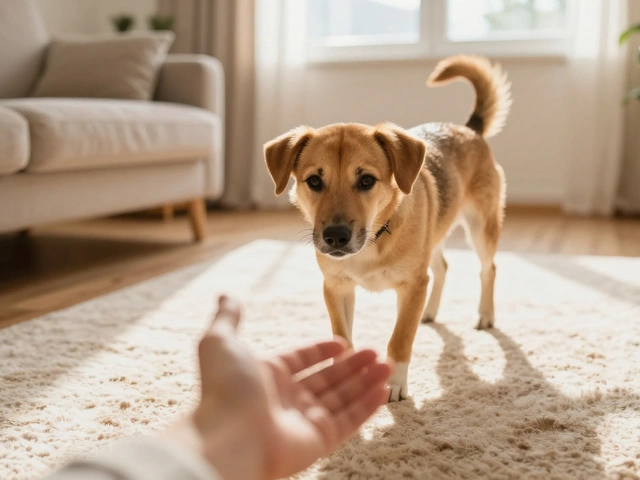
Invite friends over in small batches. Have guests ignore the puppy initially. Let the pup approach them for sniffing. If they offer a treat, the visitor remains neutral. This stops the fear-of-stranger reaction common in shy breeds.
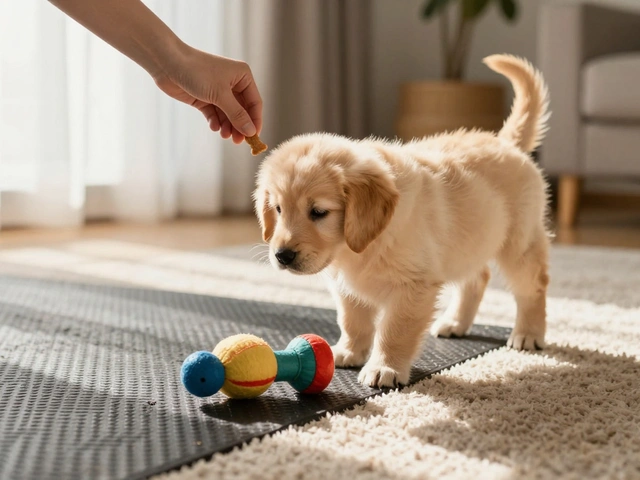
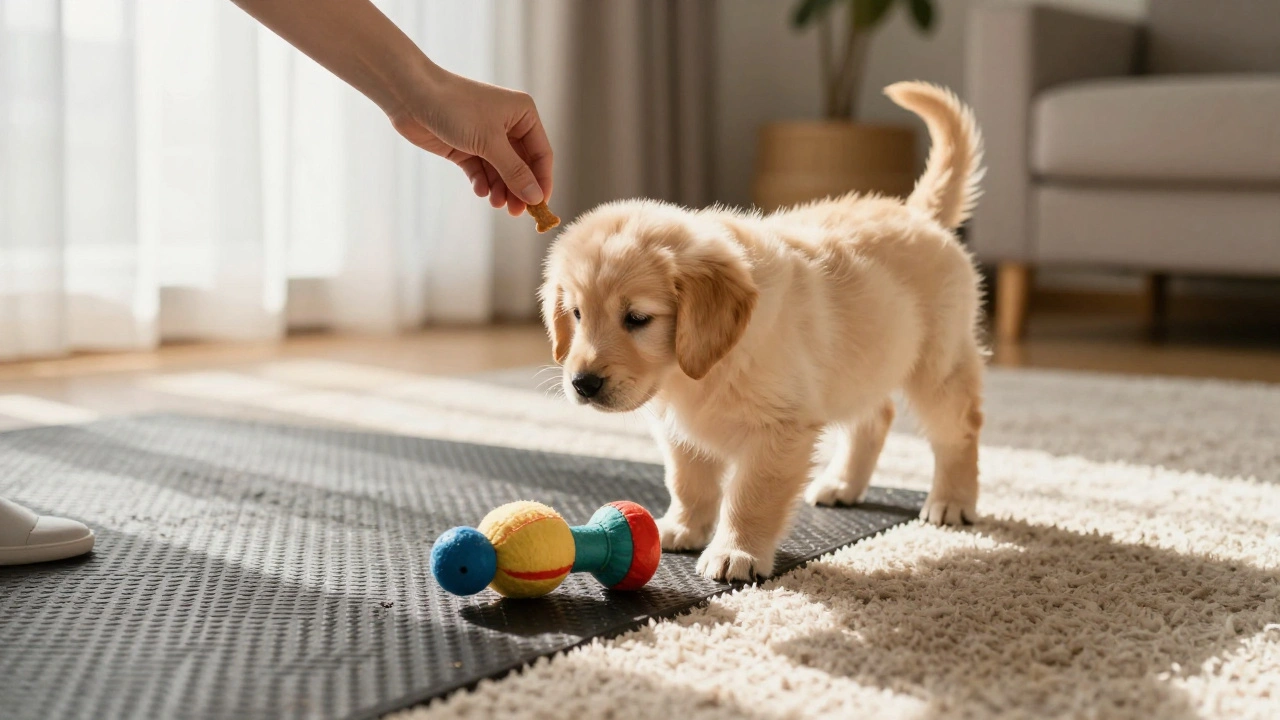
Introduce different flooring textures within the home too. Carpet, tile, wood, and rubber mats feel distinct under paw pads. Place toys on each surface so the puppy explores them willingly. This desensitizes them to slippery floors they might encounter at the vet or store.
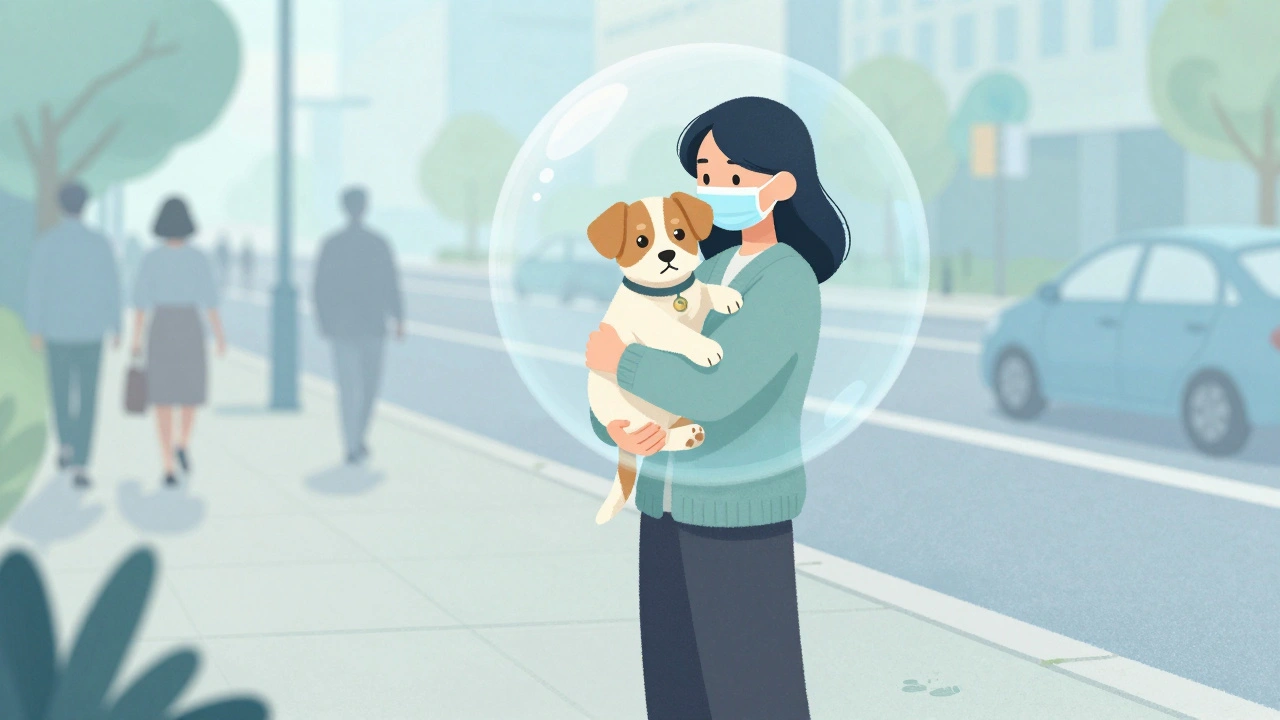
Stepping Into the Real World
Once you have indoor confidence, move outward gradually. Keep initial outings short-five minutes is plenty for a tired young mind. Quality matters far more than duration here.
Curb exposure happens naturally. Park your car near a sidewalk with light foot traffic. Hold your puppy securely at a safe distance. Watch how strangers walk past. Reward calm observation. As pedestrians move closer, check the pup's posture. If ears flatten, increase distance immediately.
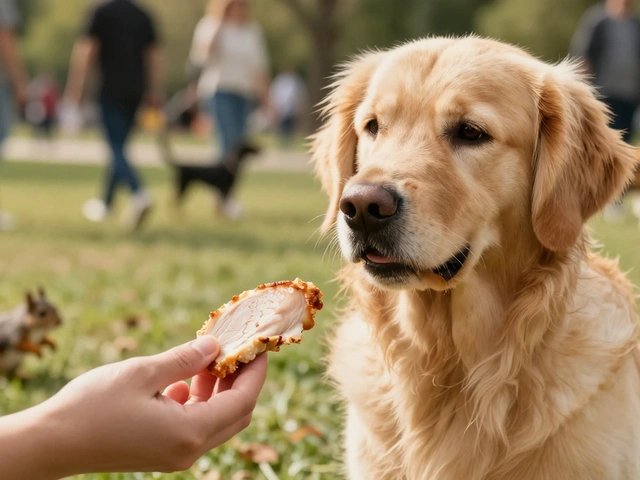
Vehicles present another major stimulus. Cars pass with speed and noise. Don't sit right next to the road initially. Stand a few feet back. If the engine revs nearby, give a high-value snack like cheese or hot dog bits. Link the roar with pleasure.
Weather plays a huge role too. Rain puddles seem scary to some pups because they splash unexpectedly. Let them investigate wet patches in a contained area. Cover your hands so you aren't getting soaked while guiding them through water.
Decoding Canine Body Language
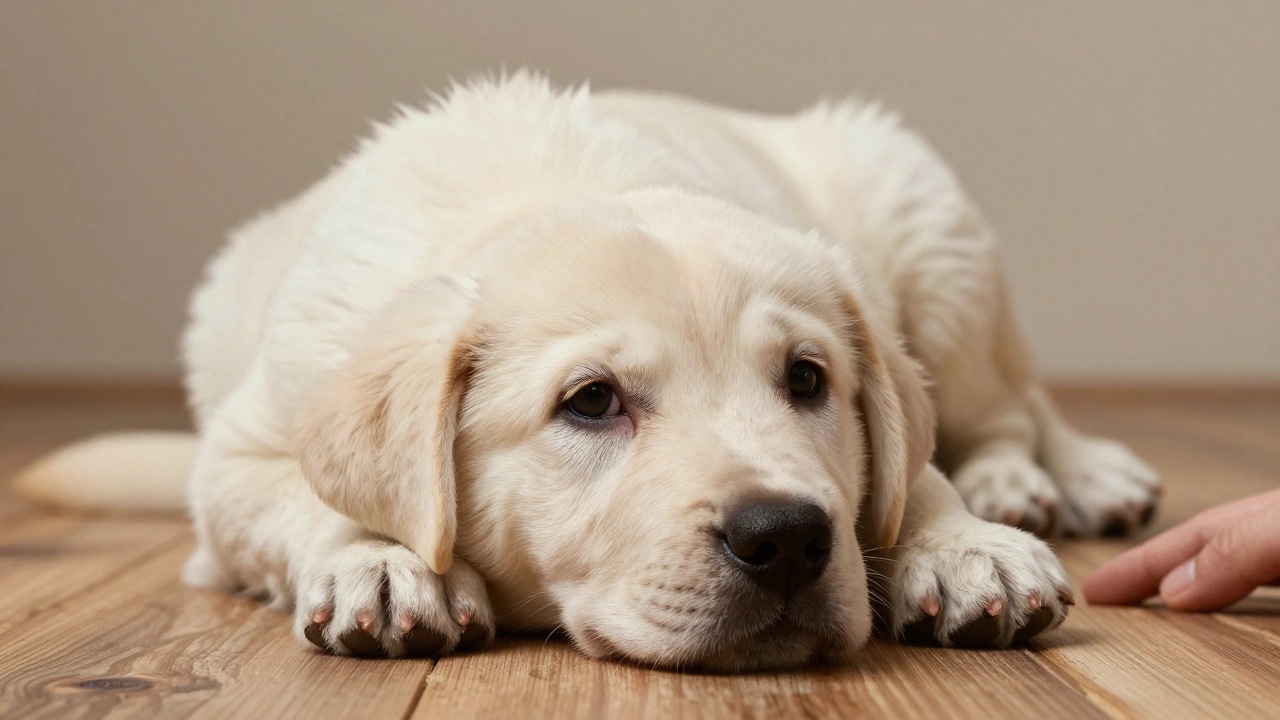
Knowing when a puppy feels stressed is vital. Ignoring subtle signs leads to bad memories. Learning to read their signals ensures every outing ends on a high note.
Lip licking happens when dogs are nervous. They swallow their saliva rather than eat it. Yawning serves the same purpose in stressful contexts. Scratching suddenly often means displacement-not actual itching.
If the tail tucks between legs, the situation has gone too far. Immediately move away from the trigger. Do not force further interaction to prove bravery. Retreating reinforces trust that you protect them. Returning home to a calm nap resets their emotional baseline.
Avoiding Common Training Pitfalls
Even well-meaning owners make mistakes during this phase. Recognizing errors early saves future behavioral costs. Here are frequent missteps to watch out for.
- Overloading sessions: Five intense interactions overwhelm more than one hour of passive exposure.
- Forced greetings: Making a shy puppy hug strangers damages confidence permanently.
- Inconsistent rules: Allowing jumping one day then scolding the next confuses decision-making.
- Skipping veterinary advice: Relying solely on internet forums risks missing region-specific health guidelines.
Rushing progress creates anxiety. Some puppies mature faster than others. Accept their pace. Forcing a timid animal into crowded events causes setbacks that take years to fix. Patience yields reliable results.
Building Long-Term Confidence
Successful early preparation pays dividends throughout adulthood. A well-socialized dog handles unexpected changes better. They adjust easier to moves, new family members, and guest visits.
Continue practicing even after the 16-week mark. Life throws surprises constantly. Periodic review of old lessons keeps skills sharp. Revisit the vet office regularly for non-vaccine reasons like nail trims or grooming.
Join a class specifically designed for ongoing enrichment. Group dynamics teach polite communication skills with other dogs. Professional instructors spot tension signs you might miss at home. These resources provide valuable feedback loops for continued success.
Frequently Asked Questions
When is it safe to take my puppy to a public park?
Wait until your puppy completes the full vaccine series, usually around 14 to 16 weeks. Until then, avoid areas where other dogs defecate. Private, quiet areas are safer for earlier practice.
What if my puppy barks at strangers?
Don't punish the bark. It signals fear or excitement. Create distance from the person. Once quiet, reward them. Gradually decrease distance over several sessions to reduce reactivity.
Is it okay to visit doggy daycares early?
Generally, wait until fully vaccinated. Daycares carry higher infection risks due to multiple dogs mixing. Most reputable facilities enforce strict shot requirements to minimize disease transmission.
How many socialization experiences should my puppy get daily?
Aim for quality over quantity. Three short, positive exposures a day work better than one long, chaotic session. Always end the activity before fatigue sets in.
My puppy hides in my bag when we go outside. Is this normal?
Yes, seeking a safe zone is normal behavior. Do not pull them out forcefully. Wait for them to step out voluntarily, then reward. Hiding provides emotional regulation.
Transitioning a puppy into a confident adult requires patience and structure. By balancing health precautions with positive exposure, you raise a secure partner. Remember, consistency beats intensity every time.