Most dog owners think their pup is fit because they run around the yard or go for a walk every day. But that’s not enough. Just like humans, dogs need targeted fitness to stay healthy, avoid injury, and enjoy life longer. If your dog is overweight, sluggish, or gets tired after a short walk, they’re not just lazy-they’re undertrained. The good news? You can fix this with smart goal setting. Not vague ideas like “get fit,” but real, measurable targets for endurance, strength, and skill.
Why Your Dog Needs More Than Walks
A 20-minute walk might feel like a workout to you, but for most dogs, it’s just a bathroom break with some sniffing. Studies from the American Veterinary Medical Association show that 56% of dogs in the U.S. are overweight or obese. That extra weight puts stress on joints, slows metabolism, and cuts lifespan by up to 2.5 years. But even lean dogs can be weak. Think about it: your dog can sprint after a ball, but can they hold a sit-stay on a slippery floor? Can they climb stairs without wobbling? Can they walk for 30 minutes without lagging? If not, they’re not fit-they’re just not injured yet.
True dog fitness isn’t about how fast they run. It’s about how well they move. That’s where goal setting comes in. You don’t need fancy gear or a trainer. You just need clear, simple targets.
Set Endurance Goals: Longer, Steadier, Stronger
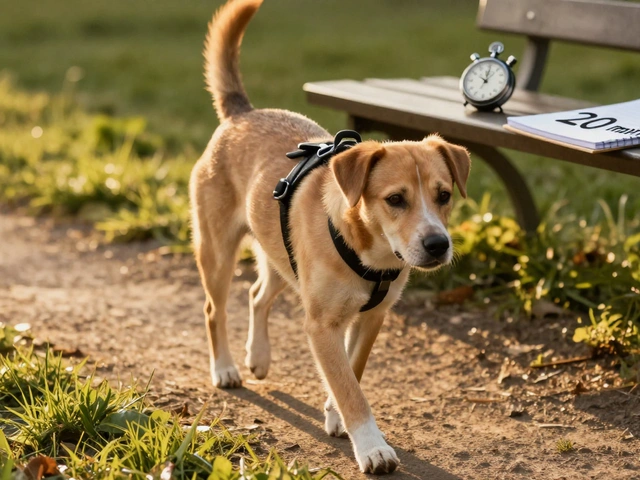
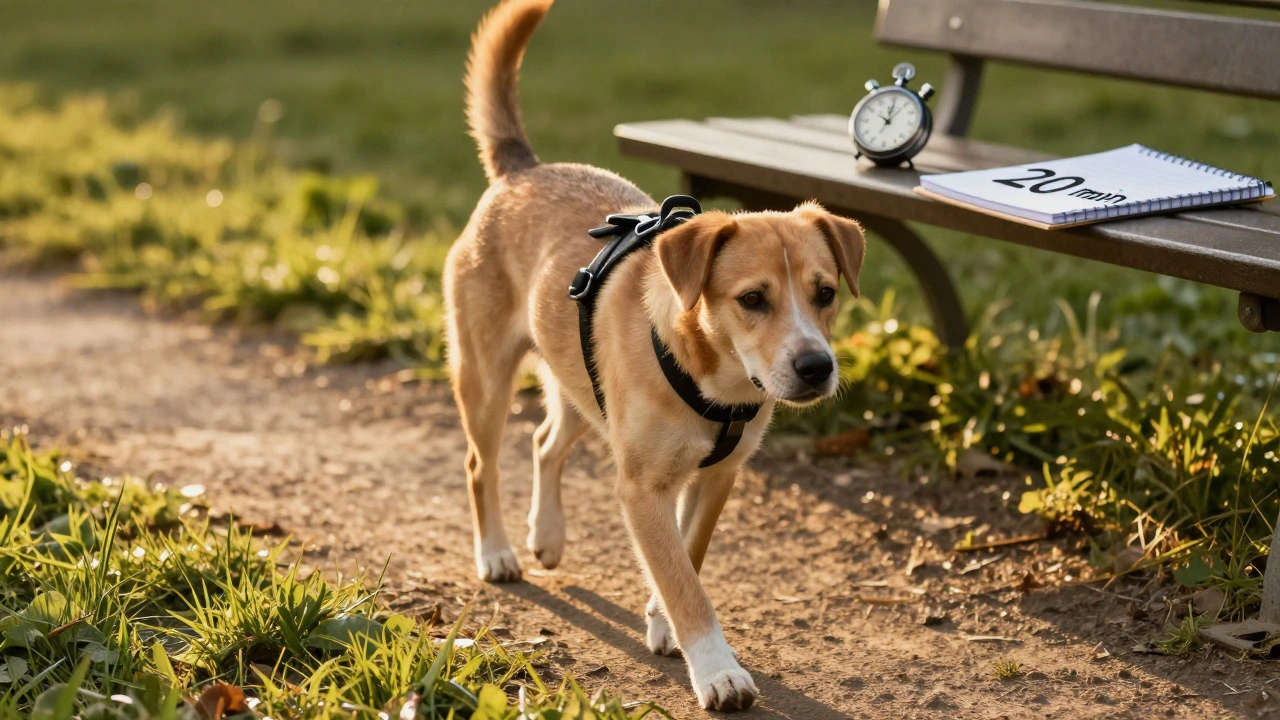
Endurance is your dog’s ability to keep going without tiring. Most dogs can sprint for 10 seconds. Very few can walk or trot steadily for 30 minutes. Start here:
- Current baseline: Time how long your dog can walk without stopping. Use a stopwatch. If they sit down after 5 minutes, that’s your starting point.
- Week 1-2 goal: Add 2 minutes per walk, twice a week. No more than 10 minutes total extra per week.
- Month 1 target: 20 minutes of continuous walking on flat ground.
- Month 3 target: 45 minutes of walking, including light hills.
Use a harness, not a collar. It’s safer for their neck and lets you control pace. Watch for panting that doesn’t slow down after a rest, wobbling, or lagging. If they do that, you’re pushing too hard. Rest days matter. Two walks a week is enough to start. Let their body adapt.
Pro tip: Try walking on sand or grass. It’s harder than pavement and builds stabilizing muscles without impact.
Build Strength: No Weights Needed
Strength isn’t about muscle size. It’s about control. Can your dog stand up from lying down without using their front legs? Can they hold a sit on an incline? Can they step up onto a curb without help? These are strength tests.
Here’s how to build it:
- Stair climbing: 5-10 steps, twice a day. Go slow. Let them use all four legs. Don’t pull.
- Weight shifting: Place a treat under a low table. Ask them to reach for it without standing. This works their core and hind legs.
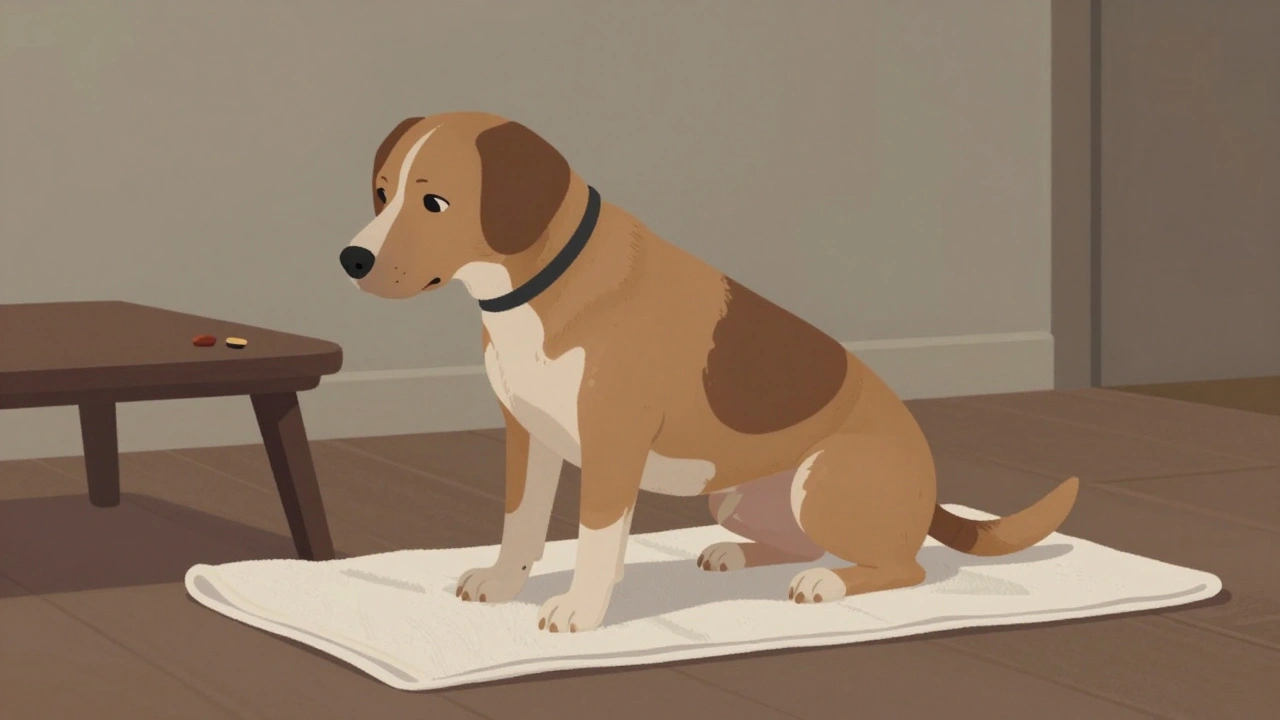
- Balance exercises: Stand on a foam pad or folded towel. Ask them to sit or stand on it for 5 seconds. Increase to 15 seconds over time.
- Resistance walking: Attach a light leash (no pull) and walk backward slowly. Your dog will have to push forward to follow you.
Do these 3 times a week, on non-walking days. No jumping. No running. Just slow, controlled movements. Strength builds slowly. If your dog is older or has joint issues, skip stairs and focus on flat-surface holds.
Develop Skill: Coordination Over Speed
Skills are what turn a fit dog into a confident, agile dog. This isn’t obedience. It’s movement literacy.
- Heel turns: Walk in a figure-eight pattern. Ask them to stay close. No pulling. Reward smooth transitions.
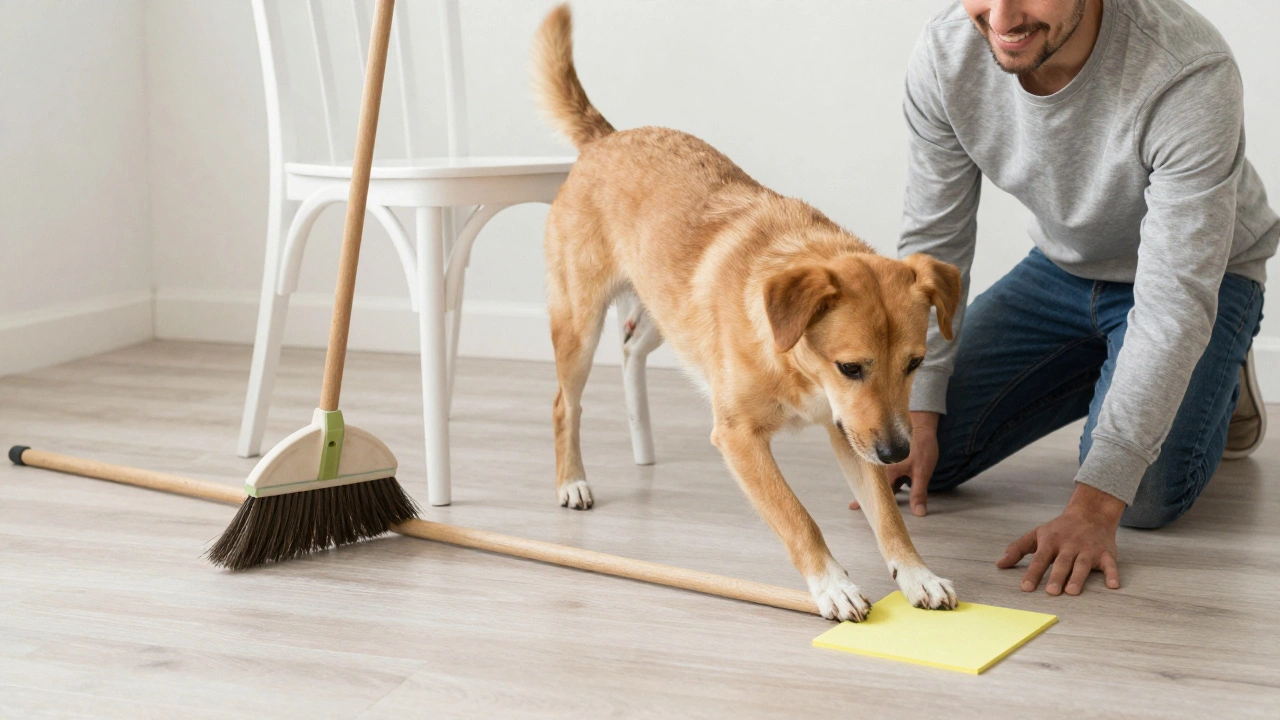
- Target training: Place a sticky pad on the floor. Teach them to step on it with their front paws. Then back paws. Then all four. This improves body awareness.
- Obstacle navigation: Use household items-a broomstick on the floor (low hurdle), a cardboard box (tunnel), a chair leg (weave). Let them figure it out. No forcing.
- Direction changes: Walk forward, then suddenly stop and turn left. Reward when they follow without bumping into you.
These drills take 5-10 minutes a day. Do them on a non-walking day. The goal isn’t perfection. It’s awareness. Dogs that can control their bodies are less likely to twist a knee, slip on ice, or get hurt chasing a squirrel.
Putting It All Together: A 30-Day Plan
Here’s a simple weekly schedule to build all three at once:
- Monday: Endurance walk (20 minutes)
- Tuesday: Strength drills (5-10 minutes)
- Wednesday: Rest or light sniffing game
- Thursday: Skill drills (5-10 minutes)
- Friday: Endurance walk (25 minutes)
- Saturday: Strength + skill combo (10 minutes total)
- Sunday: Rest
After 30 days, test yourself:
- Can you walk 45 minutes without stopping?
- Can your dog hold a sit on a slight slope for 10 seconds?
- Can they step over a broomstick without hesitation?
If yes, you’ve built real fitness. If not, repeat the cycle. Progress isn’t linear. Some dogs improve fast. Others take months. That’s normal.
When to Stop-And When to Push
Signs you’re going too hard:
- Panting doesn’t slow after 5 minutes of rest
- Limping or favoring one leg
- Refusing to move or showing signs of pain (whining, licking joints)
- Loss of appetite or lethargy the next day
Signs you’re not pushing enough:
- They still get winded after 10 minutes
- They can’t climb a single step without help
- They bounce off walls or furniture when turning
Always check with your vet before starting, especially if your dog is over 7, has arthritis, or has heart issues. Some conditions need modified plans.
What Happens When You Stick With It
After 3 months of consistent goal-based training, you’ll notice:
- Your dog walks with better posture-head up, tail level
- They jump into the car without hesitation
- They recover faster after playtime
- They sleep deeper and seem more relaxed
- You can take them on longer hikes, bike rides, or trail walks
More than that-they’ll seem like a different dog. More alert. More confident. More present. That’s not magic. That’s fitness.
Most people think dogs are naturally active. But without structure, they become lazy, stiff, or injured. Goal setting gives you a map. Endurance builds stamina. Strength builds control. Skill builds confidence. Together, they give your dog a longer, happier life. And honestly? It’s way more fun than just walking on a leash.
Can any dog do this fitness plan, even an older one?
Yes, but you must adjust. Older dogs (7+) need slower progress. Skip high-impact moves like stairs or jumps. Focus on low-intensity endurance walks, balance work on soft surfaces, and gentle skill drills. Always check with your vet first. Many senior dogs regain mobility with consistent, gentle training.
How often should I change the goals?
Every 4 weeks. If your dog hits the current target easily, raise it. If they struggle, stay there longer. Goals should be challenging but not frustrating. Think of it like leveling up in a video game-each step should feel earned, not impossible.
Do I need special equipment?
No. A harness, a stopwatch, and a few household items (towel, broomstick, chair) are enough. You don’t need treadmills, agility courses, or expensive gear. Real fitness comes from movement, not gadgets.
What if my dog hates training?
Make it fun. Turn drills into games. Use treats, praise, or a favorite toy as rewards. Keep sessions under 10 minutes. If they walk away, stop. Try again later. Never force. Dogs learn best when they want to participate-not when they’re being pushed.
Can I do this with multiple dogs?
Yes, but train them one at a time. Dogs get distracted by each other. Focus on one dog during drills. You can walk them together for endurance, but strength and skill work need individual attention. It’ll take longer, but it’ll be more effective.