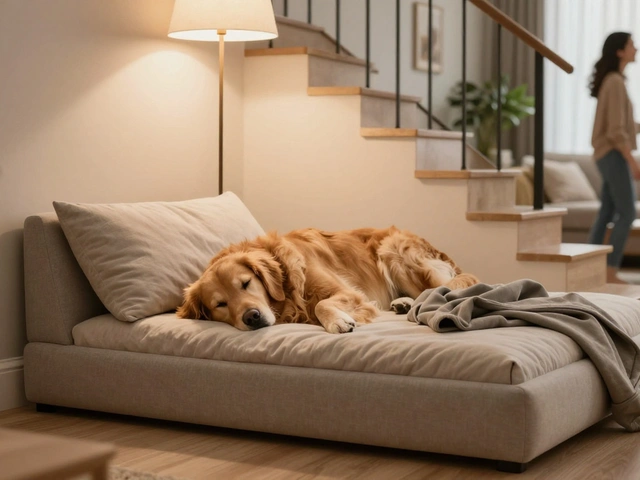
Ever walked into your living room to find your couch shredded, your shoes gnawed to pieces, or drywall covered in claw marks? You’re not alone. Destructive behavior in dogs is one of the top reasons pet owners surrender their dogs to shelters. But here’s the truth: your dog isn’t being spiteful. They’re not trying to punish you. What looks like mischief is usually a cry for help - and it’s fixable.
Why Dogs Destroy Things
Dogs don’t destroy things because they’re bad. They do it because something is off. The most common root causes are boredom, anxiety, lack of exercise, or unmet instincts. Let’s break them down.Boredom is the silent killer of furniture. A dog left alone for hours with nothing to do will find a way to entertain themselves. Chewing, digging, scratching - these are natural behaviors. Without outlets, they become destructive. Studies show that dogs left alone more than 8 hours a day are 3x more likely to develop destructive habits.
Anxiety, especially separation anxiety, is the biggest culprit behind extreme damage. Dogs with this condition panic when you leave. They may chew through doors, scratch windows, urinate indoors, or howl nonstop. It’s not defiance. It’s terror. Their heart rate spikes, their cortisol levels rise, and they’re stuck in fight-or-flight mode. A 2023 study from the University of Edinburgh found that 70% of dogs with separation anxiety showed physical signs of distress within 15 minutes of their owner leaving.
Lack of exercise is another silent trigger. A Border Collie or Australian Shepherd that doesn’t get 90+ minutes of physical and mental activity daily will have surplus energy. That energy turns into chewing, digging, or tearing up rugs. It’s not about being hyper - it’s about being under-stimulated.
Unmet instincts matter too. Breeds like Terriers and Huskies were bred to dig, chew, and hunt. If you don’t give them safe outlets - like puzzle toys or designated digging pits - they’ll use your garden, your carpet, or your baseboards instead.
How to Tell What’s Really Going On
Not all destruction is the same. You need to diagnose the cause before you fix it.Start by checking the timing. Did the damage happen right after you left? That’s likely separation anxiety. Did it happen while you were home but busy on your phone? Probably boredom. Did it happen in one specific spot, like the door frame? That’s often anxiety-related pacing or scratching.
Look at the type of damage. Chewing on wood trim or door frames? Anxiety. Chewing on shoes or socks? Likely scent-driven - your dog is drawn to your smell. Digging at the base of walls? Could be boredom or a need to burrow. Urinating inside? Could be anxiety, or a medical issue - always rule out urinary tract infections first.
Set up a camera. Even a simple phone camera on a tripod can tell you everything. Watch how your dog behaves in the first 10 minutes after you leave. Do they whine and pace? That’s anxiety. Do they nap, then wake up and start chewing? That’s boredom.
Solutions That Actually Work
There’s no magic spray, no shock collar, no quick fix. But there are proven, humane methods that work - if you’re consistent.1. Increase Exercise and Mental Stimulation
Your dog needs more than a walk. They need mental work. A 20-minute walk won’t cut it for most breeds. Aim for:- Two 30-minute walks daily
- One 15-minute training session (teach new tricks or reinforce commands)
- Two puzzle toys per day (Kong, Nina Ottosson, or DIY treat-dispensing bottles)
For high-energy breeds like Labs, Huskies, or Border Collies, add agility drills, fetch sessions, or scent games. Hide treats around the yard and let them hunt. It’s exhausting - in a good way.
2. Manage the Environment
You can’t trust a dog with destructive tendencies until they’re trained. So don’t. Confine them to a safe space when you’re not home.- Use a crate if they’re crate-trained. Make it cozy with a blanket and a long-lasting chew.
- If they hate crates, use a baby gate to limit them to one room - remove all valuables, wires, and plants.
- Keep shoes, clothes, and trash in closed cabinets.
Think of it like baby-proofing your home. You wouldn’t leave a toddler alone with scissors. Don’t leave a dog alone with your favorite shoes.
3. Address Separation Anxiety
This needs a step-by-step plan. It’s not about leaving them longer - it’s about changing how they feel about being alone.- Start with 1-minute absences. Leave the room. Come back. Repeat 10 times.
- Gradually increase time - 2 minutes, then 5, then 10. Always return before they panic.
- Make departures and arrivals calm. No big goodbyes or hello hugs. Ignore them for 5 minutes before leaving and after returning.
- Use a white noise machine or play a recording of your voice (many apps offer this).
- Try a calming vest like the ThunderShirt - studies show 80% of dogs show reduced stress with pressure-based tools.
Never punish a dog for destructive behavior that happened while you were gone. They don’t connect the punishment to the action. You’re just teaching them to fear you.
4. Use Appropriate Chew Toys
Not all chew toys are equal. A rubber Kong stuffed with peanut butter (xylitol-free) and frozen will last 30+ minutes. A rawhide? It’s a choking hazard. A squeaky toy? It might trigger prey drive and make things worse.Rotate toys weekly. Dogs get bored with the same thing. Keep 3-4 toys on rotation. Introduce new ones with excitement - make it feel like a gift.
5. Consider Professional Help
If the behavior is severe - your dog is injuring themselves, destroying multiple rooms, or showing signs of panic - see a veterinary behaviorist. They’re not just trainers. They’re licensed professionals who can rule out medical causes and prescribe behavior modification plans. Some even work with vets to recommend anti-anxiety medication like fluoxetine (Prozac) for dogs, which can be a game-changer when paired with training.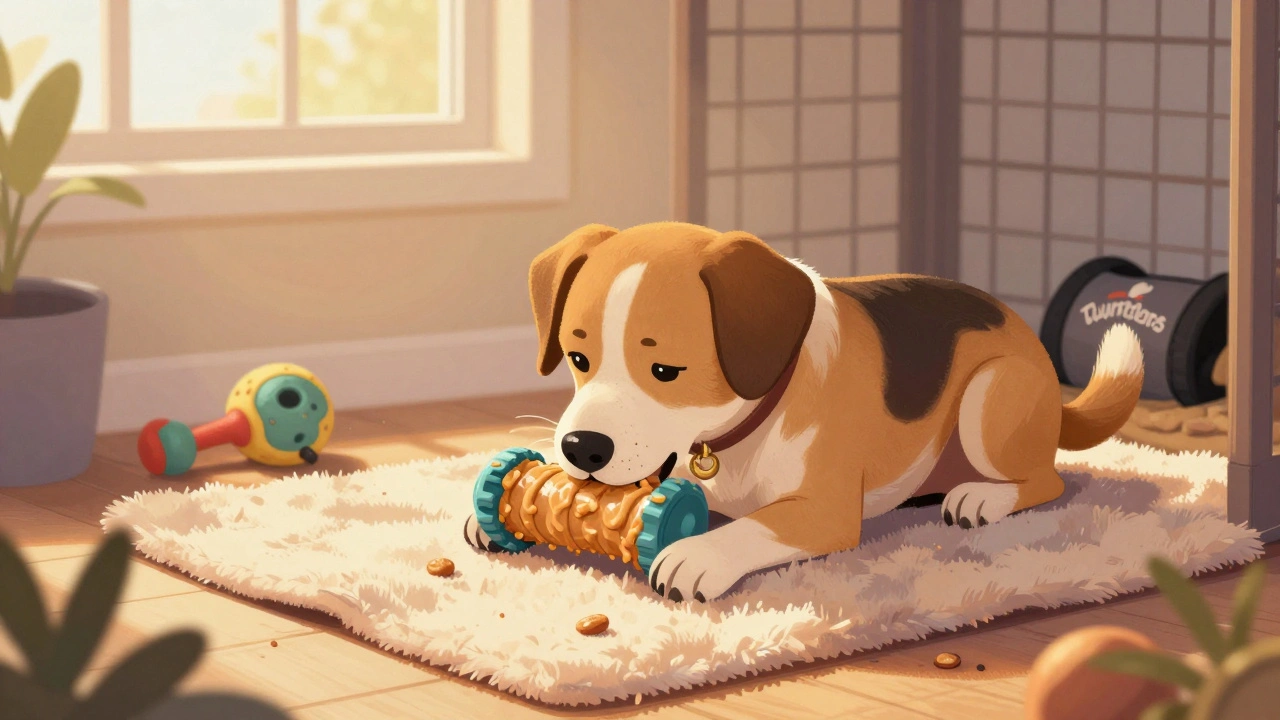
What Doesn’t Work
Stop wasting time on these myths:- Yelling or scolding - it increases anxiety. Your dog doesn’t understand why you’re mad.
- Crating as punishment - the crate should be a safe space, not a jail.
- Leaving the TV on - dogs don’t watch TV like humans. The noise might help, but it’s not enough.
- Buying a new dog - if your current dog has anxiety or boredom issues, the next one probably will too.
Real-Life Success Story
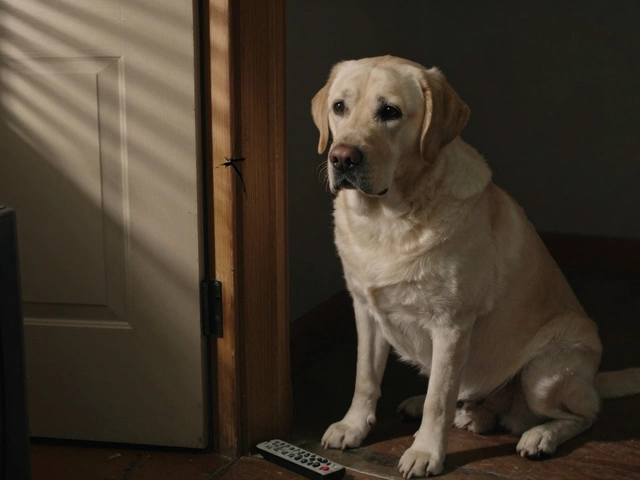
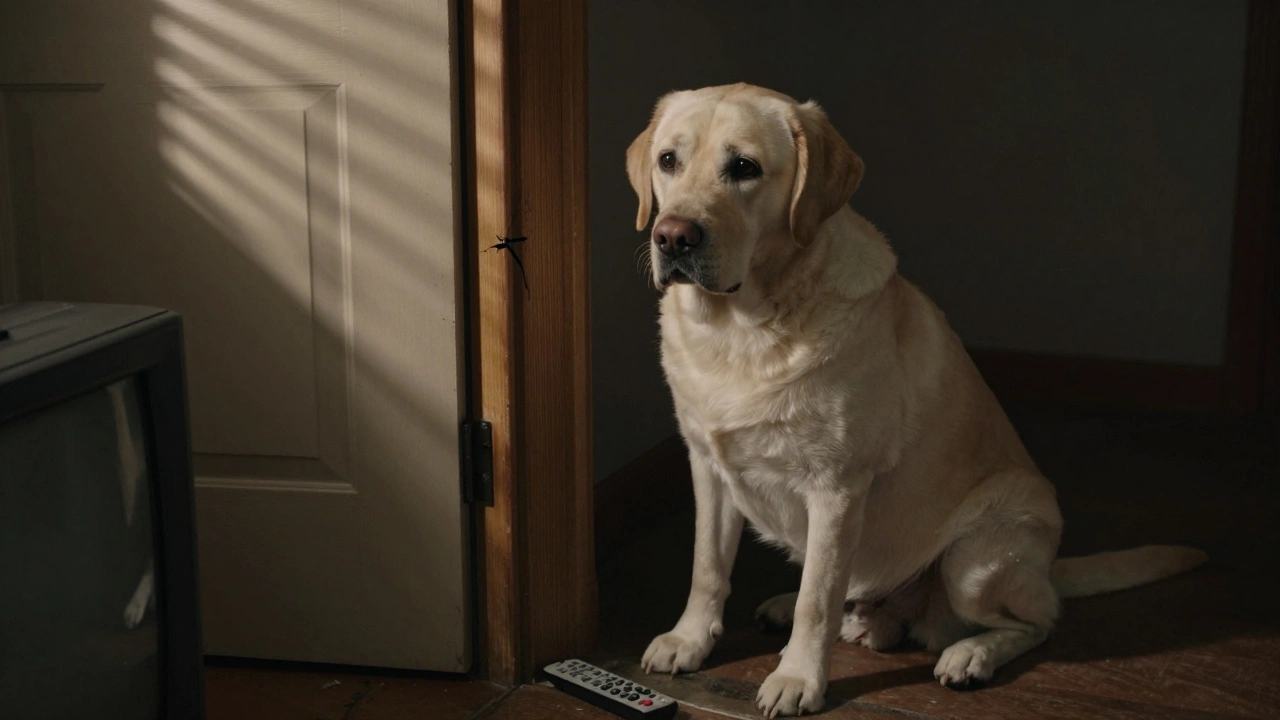
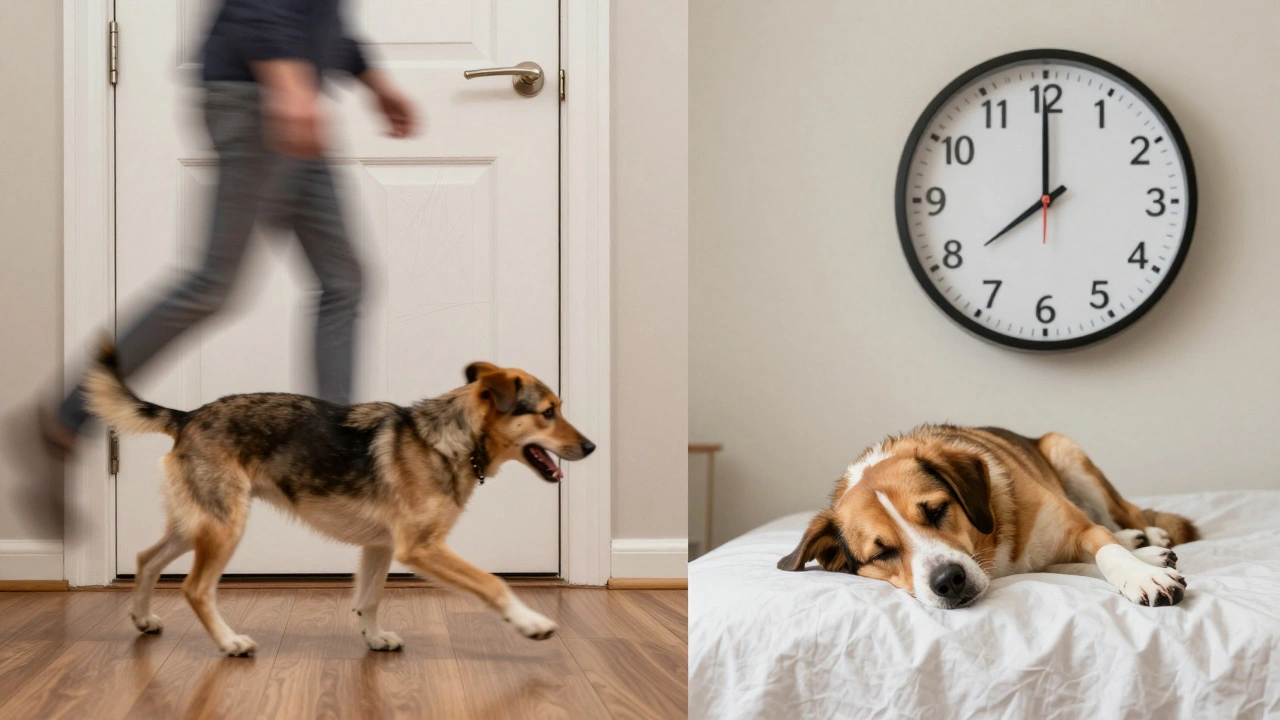
A client named Lisa had a 2-year-old Labrador named Max who destroyed everything when left alone. She found chewed-up couch cushions, a torn-up rug, and even a broken TV remote. She tried everything: chew sprays, bark collars, yelling. Nothing worked.She started with a camera. Max wasn’t chewing right away. He paced, whined, then sat by the door for 20 minutes. Classic separation anxiety. Lisa began the 1-minute absence training. She left the house for 1 minute, then 2, then 5. She added a frozen Kong with peanut butter and a calming vest. Within 3 weeks, Max stopped pacing. By week 6, he was napping on his bed while she was gone. No more destruction. No more guilt. Just a tired, happy dog.
When to Worry
Destructive behavior is normal in puppies - it’s teething. But if your adult dog (over 1 year) is still chewing, digging, or scratching destructively, it’s a red flag. If the behavior:- Started suddenly after a change (new job, move, death of a family member)
- Is getting worse, not better
- Includes self-harm (licking paws raw, chewing tail)
- Is accompanied by loss of appetite or vomiting
…then see a vet. It could be pain, thyroid issues, or neurological problems.
Final Thought
Dogs don’t destroy things to hurt you. They do it because they’re scared, bored, or confused. Fixing it isn’t about control - it’s about connection. When you meet your dog’s needs - physical, mental, emotional - the chewing stops. The digging fades. The anxiety eases. And you get back your couch, your peace, and your best friend.Why does my dog only destroy things when I’m gone?
If your dog only destroys things when you’re gone, it’s likely separation anxiety. Dogs with this condition feel intense panic when left alone. They may chew doors, scratch windows, or urinate indoors. The behavior isn’t spite - it’s fear. Use gradual desensitization, calming tools, and possibly vet-recommended medication to help them feel safe alone.
Can chewing be a sign of a medical issue?
Yes. Excessive chewing, especially on non-food items like walls or metal, can signal pica - a condition often linked to nutritional deficiencies, gastrointestinal issues, or neurological disorders. If your dog suddenly starts chewing strange things, especially if they’re also lethargic, vomiting, or losing weight, schedule a vet visit. Blood tests can rule out thyroid problems or parasites.
How long does it take to stop destructive behavior?
It varies. For boredom-related chewing, improvements often show in 2-4 weeks with consistent exercise and enrichment. For separation anxiety, it can take 6-12 weeks of gradual training. Progress isn’t linear - expect setbacks. The key is consistency. Don’t give up after a week. Stick with the plan, and you’ll see results.
Are anti-chew sprays effective?
Anti-chew sprays work only if your dog is chewing out of habit, not anxiety or boredom. They’re a temporary deterrent, not a solution. If your dog is chewing because they’re stressed, the spray won’t help - they’ll just find something else to chew. Use sprays only as a backup while you fix the root cause.
Should I get a second dog to keep my dog company?
Getting a second dog rarely fixes destructive behavior. If your dog is anxious or bored, the new dog might be too. You’ll end up with two dogs destroying things - and twice the stress. Focus on fixing the root cause first. If you want another dog, do it for companionship, not as a behavior fix.
Can older dogs develop destructive behavior?
Yes. Older dogs can develop anxiety, cognitive decline, or pain that leads to destructive behavior. Arthritis might make them restless. Dementia can cause confusion and pacing. If your senior dog suddenly starts chewing or digging, check for medical issues first. A vet can test for thyroid dysfunction, joint pain, or cognitive dysfunction syndrome.