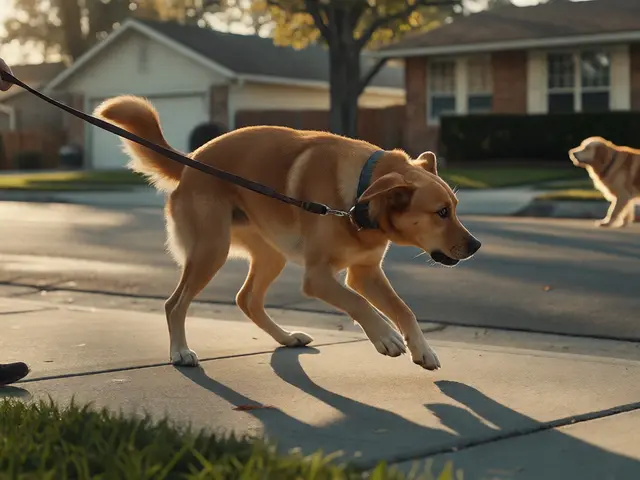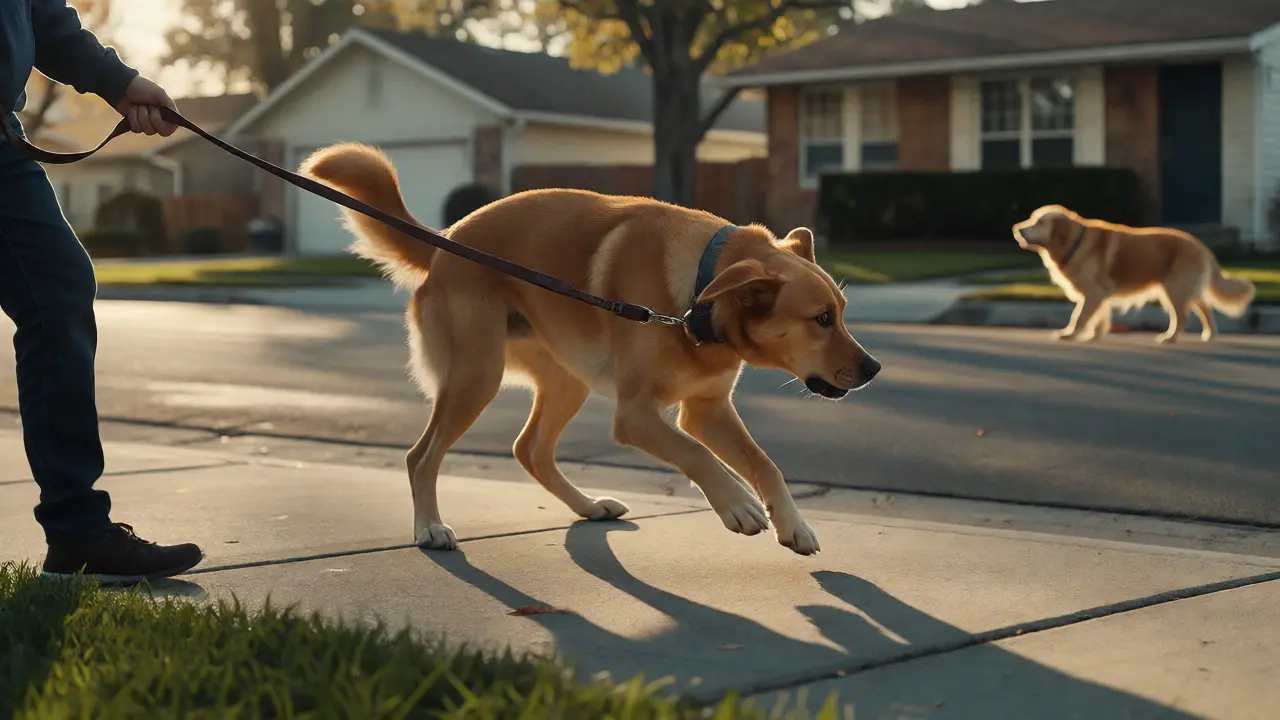
You know that sinking feeling. You step out the front door, leash in hand, ready for a quick potty break, and suddenly your usually calm pup is lunging at a Golden Retriever across the street. It’s not just embarrassing; it’s exhausting. If you’re dealing with a reactive dog, you’ve likely tried every trick in the book to keep walks peaceful. But here’s the truth: managing reactivity isn’t about forcing your dog to be "good" in high-stress environments. It’s about engineering success through smarter routing, precise timing, and the right gear.
This guide breaks down exactly how to structure your walks so both you and your dog can breathe easier. We’ll cover why standard neighborhood loops often fail, how to use time-of-day strategies to lower arousal levels, and which specific tools actually help rather than hinder your progress.
The Myth of the Perfect Neighborhood Loop
Most owners default to the same circular route around their block because it’s convenient. For a reactive dog, however, predictability can sometimes mean predictability of triggers. If there’s always a jogger on Tuesday morning or a barking terrier behind the fence on Thursday evening, your dog learns to anticipate stress before they even leave the house. This anticipatory anxiety raises baseline cortisol levels, making them more prone to overreaction.
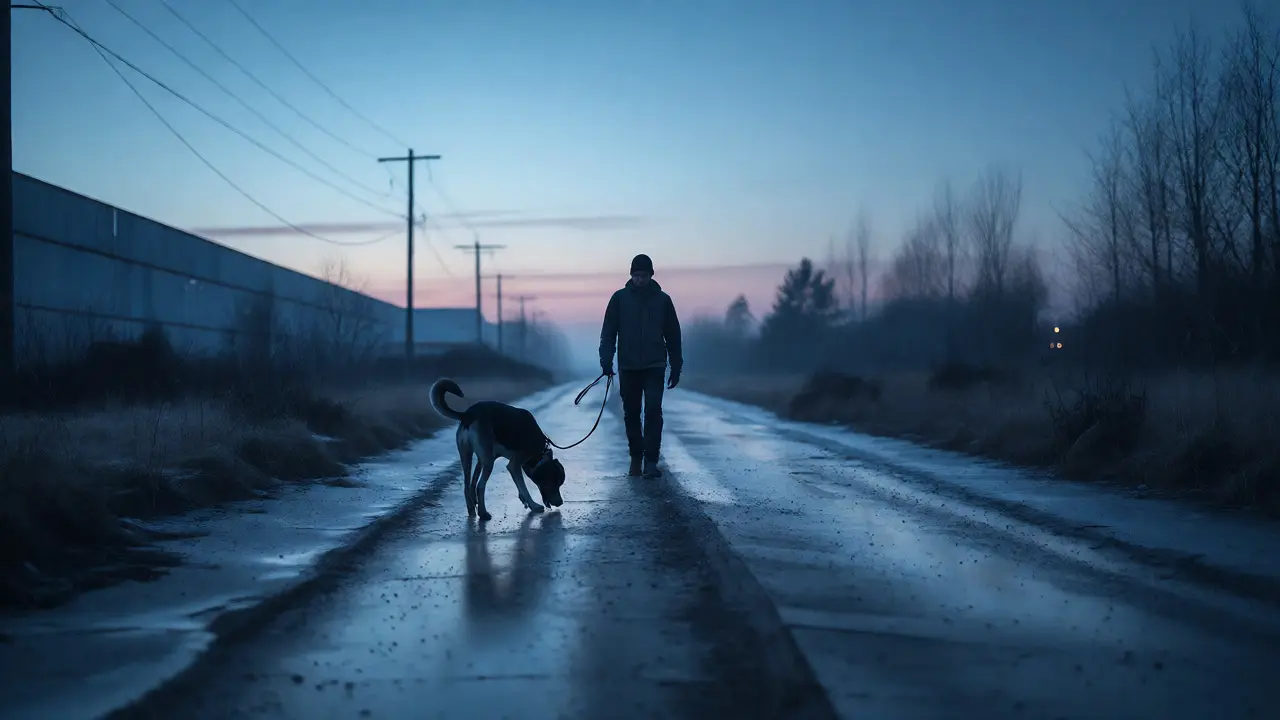
Instead of sticking to one loop, try varying your entry points. Enter the park from the north gate one day and the south path the next. This keeps your dog mentally engaged in navigation rather than scanning for known threats. In Portland, where I live, we have many off-leash areas that are heavily used during peak hours. A reactive dog doesn’t need to visit these hotspots daily. Rotate between low-traffic residential streets, quiet industrial zones (which are surprisingly empty on weekends), and nature trails with wide sightlines.
| Route Type | Pros | Cons | Best For |
|---|---|---|---|
| Residential Grid | Predictable surfaces, easy exits | Unpredictable dogs/joggers, fences | Training focus exercises |
| Nature Trails | Wide spaces, natural smells reduce stress | Hidden wildlife, uneven terrain | Mental decompression |
| Industrial Zones | Low foot traffic, long straight lines | Noise hazards, lack of shade | High-arousal days |
| Quiet Parks (Off-Peak) | Scent variety, open space | On-leash conflicts if rules ignored | Controlled social exposure |
Timing Your Walks to Lower Arousal
Time of day matters more than most people realize. Human schedules create canine traffic patterns. Early mornings (5:30-7:00 AM) and late evenings (8:00 PM onwards) are typically quieter. During these windows, fewer humans are walking dogs, and those who are tend to be serious exercisers who respect distance. Midday and early evening walks coincide with school dismissals, work-from-home breaks, and post-dinner strolls-peak trigger times.
If you can’t walk during these quiet hours due to work constraints, consider splitting your walk into two shorter sessions. A 15-minute focused session in the morning allows for training without overwhelming fatigue. An evening sniff-walk focuses purely on mental enrichment without demanding behavioral perfection. Remember, a tired dog is not necessarily a calm dog. Mental exhaustion from sniffing is far more effective at lowering reactivity than physical exhaustion from running.
Tools That Actually Help vs. Hype
Walk into any pet store, and you’ll see dozens of harnesses claiming to solve pulling and reactivity. Most are marketing fluff. Here’s what actually works based on mechanics and behavior science:
- Front-Clip Harness: Unlike back-clip designs, a front clip attaches to the chest strap. When your dog pulls, the harness gently turns their body sideways toward you, breaking their forward momentum and eye contact with the trigger. Brands like Freedom No-Pull or Hurtta Weekend Warrior are reliable options. Avoid cheap plastic clips that snap under pressure.
- Long Line Leash (10-15 ft): A standard 6-foot leash puts you too close to triggers. A long line gives your dog freedom to move away while keeping you in control. It reduces tension spikes that escalate reactivity. Use a lightweight material like biothane for easy cleaning after muddy Portland trails.
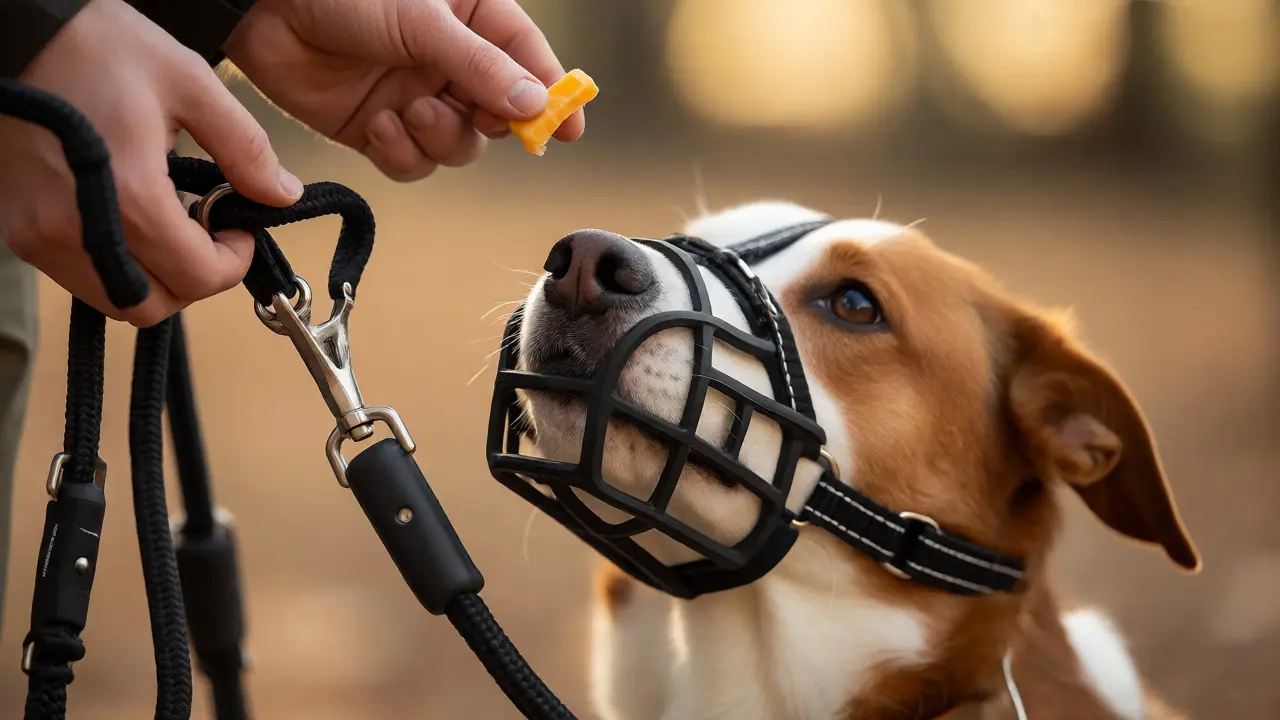
- Muzzle Basket: Not a punishment tool. A well-fitted basket muzzle allows panting and treats but prevents accidental nips during high-stress moments. It protects others and lowers your own anxiety, which your dog reads instantly. Start conditioning at home with peanut butter and gradual wear time.
Avoid retractable leashes entirely. They offer no control when a dog lunges and encourage constant tension, which signals stress to your dog. Stick to fixed-length leashes or long lines.
Mastering Distance Management
Reactive dogs don’t react because they’re "bad." They react because they’re over threshold. Think of it as a volume knob. At 50 feet from another dog, your dog might notice but stay calm. At 20 feet, they start whining. At 10 feet, they explode. Your job is to keep the volume below 4 out of 10.
Use the "U-Turn" technique proactively. As soon as you spot a trigger, mark the moment with a cheerful "Yes!" and toss a high-value treat (chicken, cheese) to the ground. Then immediately turn 180 degrees and walk away. Don’t wait for the reaction. Reward attention on you, not the dog. This teaches your dog that seeing a trigger predicts good things happening, not confrontation.
If you get caught off guard, increase distance immediately. Step behind a car, cross the street, or duck into a shop. Never force your dog to "look at it" if they’re already growling or lunging. You can’t train a dog who is panicking. Get them out of the situation first, then regroup.
Reading Body Language Before the Explosion
Dogs telegraph their stress long before they bark. Learning to spot these subtle signs buys you seconds to act. Common precursors include:
- Freezing: The dog stops moving, stiffens, and fixes their gaze. This is often the last calm state before escalation.
- Whale Eye: Showing the whites of their eyes by turning their head slightly while keeping their body facing forward.
- Lip Licking/Yawning: Out of context (not after eating or waking up), these are displacement behaviors indicating discomfort.
- Weight Shifting: Moving weight backward or sideways, preparing to retreat or lunge.
If you see any of these, you’re already too close. Increase distance now. Waiting for the bark means you’ve missed the window for calm intervention.
Creating a Decompression Routine
After a difficult walk, your dog’s nervous system needs time to reset. Cortisol stays elevated for hours after a stress event. Rushing back inside and expecting immediate calm sets everyone up for failure. Instead, implement a "decompression zone."
Find a quiet corner of your yard or a secluded bench in a park. Let your dog sniff intensely for 5-10 minutes. Sniffing activates the parasympathetic nervous system, helping to lower heart rate and blood pressure. Pair this with slow, deep breathing yourself. Dogs mirror human energy. If you’re tense and rushing, they’ll pick up on it. If you’re slow and deliberate, they’ll begin to settle.
Consider using calming aids like Adaptil pheromone diffusers in your home or ThunderShirts for dogs who seek deep pressure comfort. These aren’t cures, but they support recovery after high-stress outings.
Frequently Asked Questions
Why does my dog react worse on some days than others?
Reactivity fluctuates due to factors like sleep quality, diet, hormonal cycles, weather, and prior experiences. Just like humans, dogs have bad days. On high-reactivity days, prioritize distance and low-stimulation activities rather than pushing training goals.
Should I punish my dog for lunging?
No. Punishment increases anxiety and suppresses warning signs, potentially leading to sudden bites without prior growls. Focus on management (distance) and positive reinforcement for calm behavior instead.
How long until I see improvement?
Progress is non-linear. Expect small wins first (e.g., noticing a trigger without reacting). Consistent management over 3-6 months typically yields noticeable changes. Setbacks are normal and part of the process.
Is a muzzle necessary for every reactive dog?
Not every dog needs one, but it’s highly recommended for safety and liability. It also reduces owner anxiety, which helps the dog feel more secure. Proper conditioning makes muzzles comfortable and stress-free.
Can reactive dogs go to dog parks?
Generally, no. Off-leash parks are chaotic and unpredictable. Reactive dogs often become overwhelmed by multiple stimuli. Opt for parallel walks with a trusted friend or structured playdates instead.
Next Steps for Success
Start small. Pick one new route and one new tool to test this week. Keep a simple log noting time, location, triggers encountered, and your dog’s reaction level (1-10). Over time, patterns will emerge. Maybe your dog struggles near schools but thrives near water. Use that data to build a personalized walking plan that minimizes stress and maximizes confidence. Remember, you’re not fixing a broken dog-you’re teaching a scared one how to cope.