You’re walking your Boxer or Doberman, and they suddenly collapse. The vet says it’s a heart arrhythmia. You might assume this is just bad luck or old age. But for certain breeds, it’s written in their DNA. A genetic mutation passed down from parents can cause the heart to beat too fast, too slow, or irregularly, leading to sudden death in otherwise healthy young dogs.
This isn’t rare. It’s a specific, identifiable risk factor that many owners miss until it’s too late. If you own a breed prone to cardiac issues, understanding the link between arrhythmia genes in dogs and breed predisposition could save your pet’s life. This guide breaks down which breeds are at risk, how the genetics work, and what concrete steps you can take now.
Why Genetics Matter More Than Age
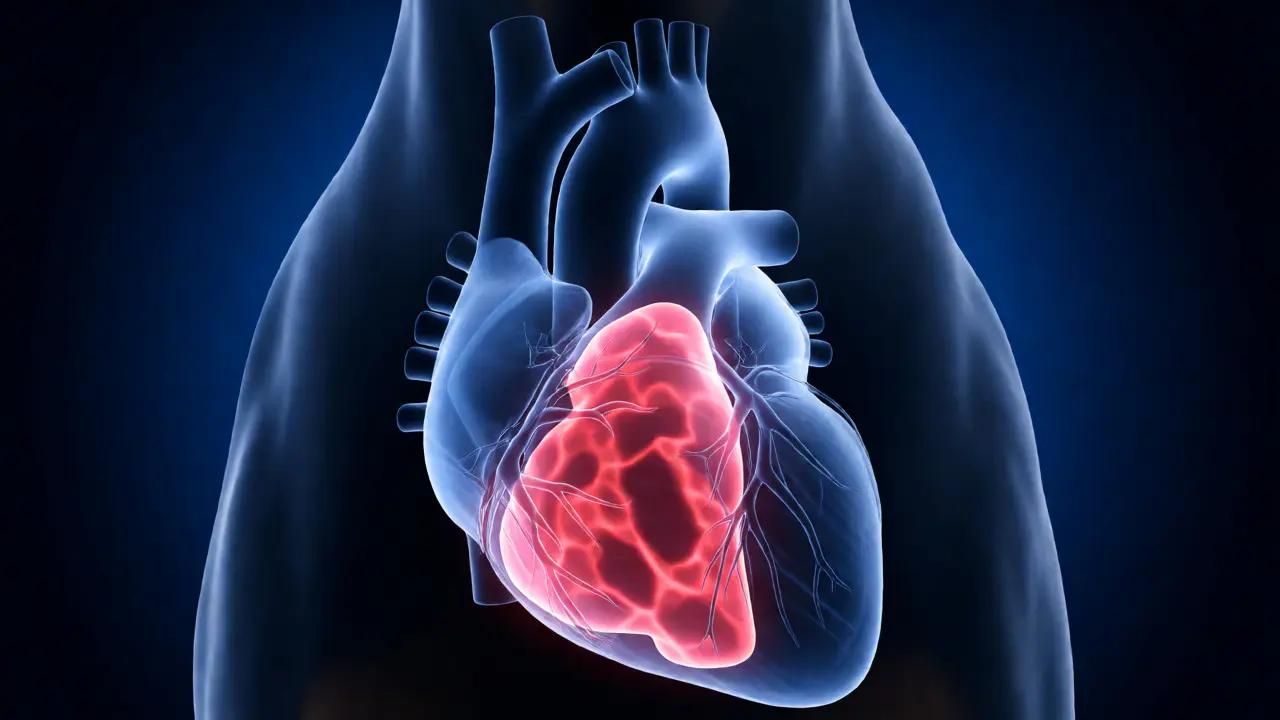
We often think of heart problems as something that happens when dogs get gray muzzles. That’s true for some conditions, but not for genetic arrhythmias. In breeds like Boxers and Great Danes, the problem starts early. The PDK4 gene is a prime example. A mutation here causes Arrhythmogenic Right Ventricular Cardiomyopathy (ARVC), a condition where heart muscle is replaced by fat and scar tissue. This disrupts electrical signals, causing dangerous rhythms.
The scary part? These dogs look normal. They run, play, and eat fine right up until an episode. Unlike arthritis, which shows gradual stiffness, genetic arrhythmias are silent killers. The genetic component means if your dog has two copies of the mutated gene (homozygous), the risk skyrockets. One copy (heterozygous) still carries risk but may have later onset. Knowing your dog’s genotype changes everything about how you monitor them.
Breeds with High Genetic Risk
Not all dogs face the same risks. Certain breeds carry specific mutations more frequently due to selective breeding practices. Here is a breakdown of the most common breed-linked cardiac genetic issues:
| Breed | Primary Condition | Key Gene/Mutation | Typical Onset |
|---|---|---|---|
| Boxer | ARVC (Arrhythmogenic Right Ventricular Cardiomyopathy) | PDK4 | Young adults (3-7 years) |
| Doberman Pinscher | Dilated Cardiomyopathy (DCM) | Multiple loci; PDK1 involved | Middle age (5-8 years) |
| Cavalier King Charles Spaniel | Myxomatous Mitral Valve Disease | Complex polygenic | Early adulthood (4+ years) |
| Great Dane | Dilated Cardiomyopathy | TTN (Titin) variants | Variable, often rapid progression |
| Basset Hound | Sick Sinus Syndrome | Unknown; strong heritability | Middle to older age |
Notice the pattern? Large and giant breeds dominate the list for Dilated Cardiomyopathy (DCM), while smaller breeds like Cavaliers suffer from valve issues that lead to secondary arrhythmias. Boxers are unique because ARVC specifically targets the right ventricle, causing electrical chaos before the heart physically fails.
How to Spot Silent Symptoms
Your vet can’t hear an arrhythmia during a routine checkup if it’s intermittent. You need to be the detective. Watch for these subtle signs, especially after exercise or excitement:
- Coughing without illness: A dry, hacking cough that worsens at night or after drinking water can signal fluid buildup from heart inefficiency.
- Exercise intolerance: Your high-energy dog suddenly slows down or refuses to chase the ball. They aren’t lazy; their heart can’t pump enough oxygen.
- Fainting (Syncope): This is the red flag. A brief loss of consciousness, often triggered by barking, jumping, or stress, suggests the brain didn’t get blood flow due to an irregular heartbeat.
- Restlessness at night: Difficulty getting comfortable or panting while lying down can indicate respiratory distress linked to heart failure.
If you see fainting, record it on video. Showing your vet exactly what happened-how long it lasted, what preceded it-is worth more than a verbal description. Video evidence helps distinguish heart-related syncope from neurological seizures.
Genetic Testing: Worth the Money?
Yes, for at-risk breeds. Companies like UC Davis VGT and OptiGen offer tests for specific mutations like PDK4 in Boxers. However, a negative test doesn’t guarantee a healthy heart. Many cardiac diseases are polygenic, meaning multiple genes contribute, plus environmental factors like diet.
For Dobermans, recent studies highlight the role of Dietary Taurine deficiency as a potential contributor to DCM, though genetics remain the primary driver in many cases. Some breeds, like Golden Retrievers, show links between grain-free diets and DCM, suggesting a complex interaction between genetics and nutrition.
Use genetic testing for breeding decisions primarily. If you’re a pet owner, use it to inform monitoring frequency. If your Boxer is homozygous for the PDK4 mutation, annual Holter monitors starting at age 3 are standard care, not optional extras.

Screening Protocols for At-Risk Owners
Don’t wait for symptoms. Proactive screening catches issues early when medication can extend quality of life significantly. Here’s a realistic schedule based on breed risk:
- Annual Physical Exam: Listen for murmurs. While arrhythmias aren’t always audible, structural changes often accompany them.
- Echocardiogram: An ultrasound of the heart. This visualizes chamber size and wall thickness. Essential for diagnosing DCM and valve disease.
- Holter Monitor: A portable ECG worn for 24-48 hours. This captures intermittent arrhythmias that a 5-minute vet visit misses. Gold standard for Boxers and Dobermans.
- BNP Blood Test: Measures B-type Natriuretic Peptide, a hormone released when the heart is stressed. Elevated levels suggest heart strain even before physical symptoms appear.
Cost varies, but an echocardiogram typically ranges from $300 to $600 depending on location. A Holter monitor adds another $200-$400. Think of it as preventive maintenance. Catching mild dilation early allows treatment with ACE inhibitors or beta-blockers, potentially delaying heart failure by years.
Lifestyle Adjustments to Reduce Strain
You can’t change your dog’s DNA, but you can reduce the workload on their heart. For dogs with known genetic risks:
- Avoid extreme temperature swings: Heat stresses the cardiovascular system. Walk during cooler parts of the day.
- Manage weight strictly: Excess body fat increases blood volume and cardiac output demand. Keep ribs easily palpable.
- Limit intense bursts: Instead of fetching tennis balls for an hour, try shorter, frequent walks. Avoid activities that trigger heavy panting or gagging.
- Monitor hydration: Dehydration thickens blood, making the heart work harder. Ensure constant access to fresh water.
Also, discuss supplements with your vet. Taurine and L-carnitine are often recommended for breeds prone to DCM, especially if dietary sources are insufficient. Do not self-prescribe; dosage matters.
Can arrhythmia in dogs be cured?
Generally, no. Genetic arrhythmias like ARVC or DCM are chronic conditions. Treatment focuses on managing symptoms and slowing progression using medications like beta-blockers or diuretics. In some cases, pacemakers help with slow heart rates, but they don't fix the underlying genetic defect.
Is a heart murmur the same as an arrhythmia?
No. A murmur is turbulent blood flow, often caused by valve leakage. An arrhythmia is an irregular electrical rhythm. A dog can have a murmur with a normal rhythm, or an arrhythmia without a murmur. Both require different diagnostic tools (echocardiogram vs. ECG).
At what age should I start screening my Boxer?
Start genetic testing for PDK4 as a puppy. Begin clinical screening (Holter monitor and echo) around age 3. Repeat annually thereafter, as ARVC can develop progressively in young adults.
Does grain-free food cause heart problems in all dogs?
No. Current FDA data links grain-free diets to DCM primarily in Golden Retrievers and other predisposed breeds, likely due to taurine absorption issues. It does not affect all breeds equally. Consult your vet before changing diets.
What is SADS in puppies?
Sudden Arrhythmic Death Syndrome (SADS) refers to unexpected death due to electrical faults in the heart, often seen in Labrador Retrievers and German Shepherds. It can occur without prior symptoms, highlighting the importance of genetic awareness in these breeds.