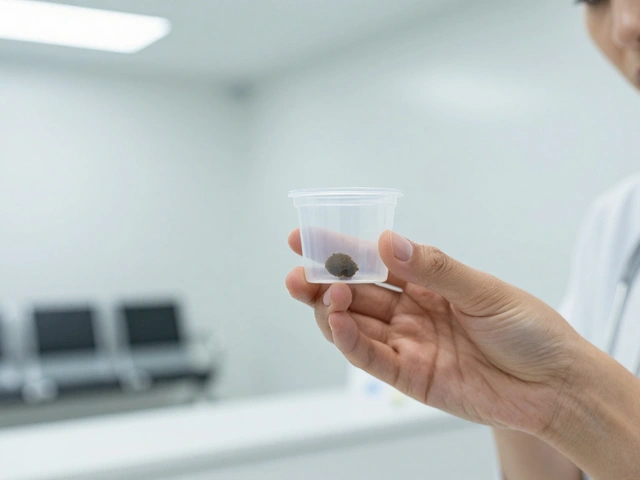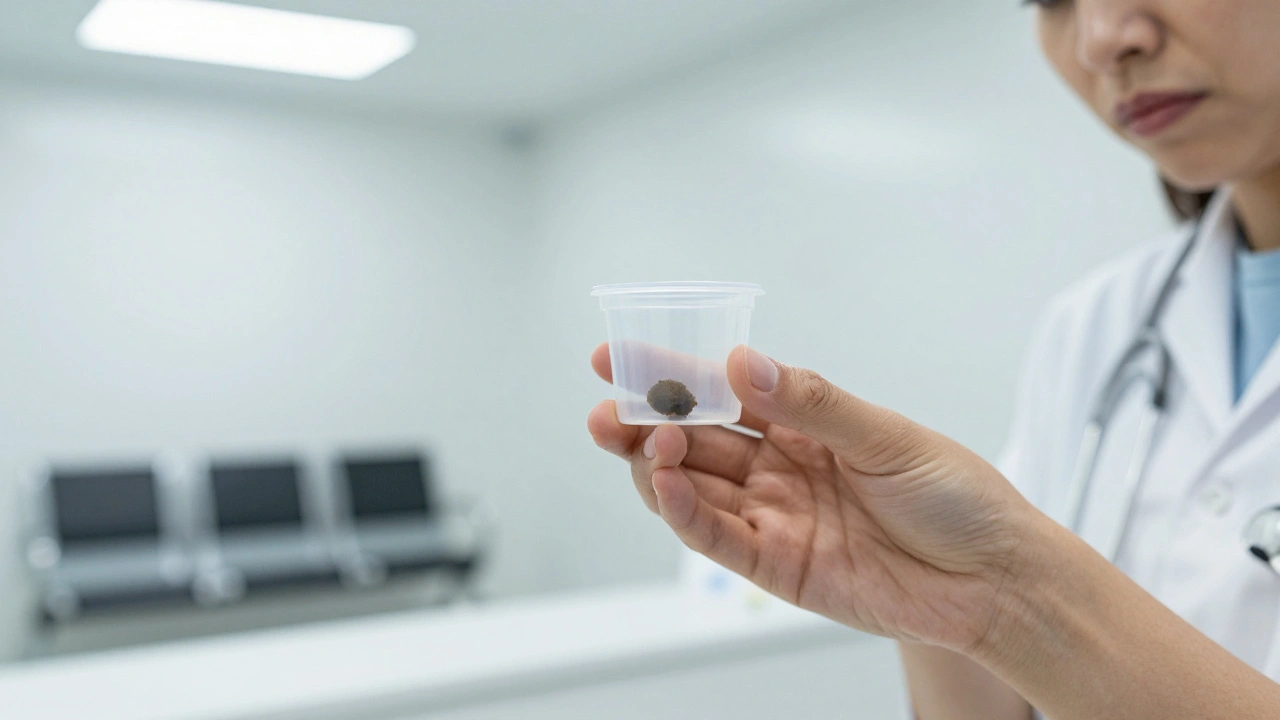
Dog fecal testing isn't just a routine checkbox during a yearly visit; it's a diagnostic tool that identifies specific biological threats. If you don't know exactly what's living in your dog's gut, you might treat them with a generic dewormer that doesn't actually kill the specific parasite they have. This leads to wasted money and a dog that stays sick.
Quick Takeaways for Pet Owners
- Fecal tests detect microscopic eggs, larvae, and cysts that you can't see.
- Not all dewormers work on all parasites; an accurate diagnosis prevents wrong medication.
- Zoonotic parasites can jump from your dog to your children or yourself.
- Consistent testing is vital for puppies and dogs that hunt or eat scraps.
The Science of the Poo: How Vets Actually Test
When you hand over that sample, your vet isn't just glancing at it. They use a few different methods to ensure nothing slips through the cracks. The most common is Fecal Flotation is a laboratory technique where a stool sample is mixed with a high-density solution, causing parasite eggs to float to the top for microscopic observation. This is the gold standard for finding common worms.
In some cases, a vet might use a "fecal smear." They spread a tiny bit of the sample on a slide and stain it with dye. This is specifically used to find Giardia is a microscopic protozoan parasite that causes severe diarrhea and malabsorption in dogs or other single-celled organisms that don't float as easily as worm eggs. For a deeper dive, they might perform a "fecal centrifuge," which spins the sample at high speeds to force the heavy debris down and push the parasites up.
The Usual Suspects: Common Intestinal Worms
There are several types of worms that commonly plague dogs. Each one has a different life cycle and a different way of making your dog feel miserable. Understanding which one is which helps you recognize the symptoms before the test results even come back.
Toxocara canis is the scientific name for the common roundworm, which looks like spaghetti and lives in the small intestine. These are incredibly common in puppies. They often contract them from their mother's milk or by eating contaminated soil. You'll see a "pot-bellied" appearance in pups, and in severe cases, the worms can actually be vomited up.
Then there are Ancylostoma is a genus of hookworms that attach to the intestinal lining and suck blood from the host. Unlike roundworms, hookworms are tiny and hard to see. They cause anemia because they literally bleed the dog from the inside. If your dog's gums look pale instead of bubblegum pink, a hookworm infection is a primary suspect.
Finally, we have Dipylidium caninum is the tapeworm that is typically transmitted via fleas, appearing as small white segments in the stool. If your dog has a flea problem, they likely have tapeworms. The dog swallows a flea containing the worm larva, and the worm attaches to the intestinal wall, absorbing nutrients and leaving those "rice grain" segments behind.
| Parasite | Appearance | Primary Transmission | Key Symptom |
|---|---|---|---|
| Roundworms | Spaghetti-like | Mother's milk / Soil | Pot-bellied abdomen |
| Hookworms | Tiny/Invisible | Skin penetration / Soil | Pale gums (Anemia) |
| Tapeworms | Rice-grain segments | Swallowing fleas | Scooting / Itchy rear |
| Giardia | Microscopic | Contaminated water | Greasy, soft stools |

Protozoa: The Invisible Invaders
Not every parasite is a worm. Some are single-celled organisms called protozoa. These are often trickier to find because they don't always shed eggs consistently. Coccidia is a parasitic organism that causes inflammation of the intestinal lining, often triggered by stress in shelters or boarding. When a dog is stressed-like during a move or a visit to a new groomer-their immune system dips, and Coccidia flares up, causing bloody or mucousy diarrhea.
Giardia is the other big one here. It often comes from drinking out of a stagnant pond or a puddle that looks "clean" but is actually a soup of protozoan cysts. Because Giardia is shed intermittently, a single fecal test might come back negative even if the dog is infected. This is why vets often suggest a "three-sample series" (collecting poop over three different days) to increase the chance of catching the parasite in the act.
Why You Can't Just "Deworm Everything"
Many owners think that buying a generic over-the-counter dewormer is a good shortcut. However, medications are specific. A drug that kills roundworms might do absolutely nothing for Giardia. In fact, using the wrong medication can irritate the gut further, making the diarrhea worse.
Furthermore, some parasites are Zoonotic is the property of a disease or parasite that can be transmitted from animals to humans. For example, hookworms can penetrate human skin if you walk barefoot on a contaminated lawn. Roundworms can cause "visceral larva migrans" in children who put their hands in their mouths after playing with a puppy. Testing your dog isn't just about the dog's health; it's a safety measure for your entire household.

When to Request a Fecal Test
You don't have to wait for a yearly exam to ask for a fecal check. Certain triggers should prompt an immediate sample collection. If your dog is a "vacuum cleaner" and eats dead animals or insects in the yard, they are at a much higher risk. Similarly, if you've recently adopted a dog from a shelter, you should assume they have something until proven otherwise. Shelters are high-stress environments where parasites spread like wildfire.
Keep an eye out for behavioral changes. If your dog is suddenly lethargic or loses weight despite eating normally, parasites could be stealing the nutrients before your dog can absorb them. If you notice a sudden change in stool consistency-from firm to soft, or the appearance of mucus-don't wait. Grab a sample and get it to the clinic within 24 hours, as some parasites degrade quickly once they leave the body.
How often should my dog have a fecal test?
Most vets recommend at least once a year during the annual wellness exam. However, puppies should be tested more frequently-often every few weeks during their first few months-because they are highly susceptible to roundworms and hookworms. Dogs with chronic diarrhea or those that frequently visit dog parks should consider quarterly screenings.
Can I see the parasites in the poop myself?
Sometimes. Tapeworm segments look like small white grains of rice and roundworms look like white spaghetti. However, hookworms, Giardia, and Coccidia are completely invisible to the naked eye. This is why a visual check is never a substitute for a professional laboratory exam.
Do I need to bring a fresh sample to the vet?
Yes. For the most accurate results, the sample should be as fresh as possible-ideally collected within 2 to 6 hours of the appointment. If you can't get to the vet immediately, store the sample in a sealed container in the refrigerator. Do not freeze it, as this can destroy the morphology of the parasite eggs, making them impossible to identify under a microscope.
Will a fecal test find everything?
Not necessarily. Some parasites are shed intermittently. This means the dog might have the parasite, but it didn't happen to be in the specific piece of poop you collected. To solve this, vets often perform a "serial fecal," where they test three samples collected over three different days to increase the detection rate.
Are fecal tests expensive?
Usually, no. A standard flotation test is one of the most affordable diagnostic tools in veterinary medicine. It is significantly cheaper than an X-ray or blood work, and it saves you money in the long run by ensuring you buy the correct medication for the specific parasite found.
Next Steps for Pet Owners
If your dog tests positive for parasites, the first step is to follow your vet's medication plan exactly. Do not stop the medication just because the dog seems better; some worms require multiple doses to kill the larvae that are still developing. You should also sanitize your environment. Wash bedding in hot water and scrub outdoor areas where your dog spends the most time to prevent re-infection.
For those with multi-pet households, remember that if one dog has parasites, the others likely do too. Even if the second dog isn't showing symptoms, they could be a carrier. Discuss a group treatment plan with your vet to clear the whole house at once. Finally, keep up with a monthly preventative that includes a broad-spectrum anthelmintic to keep the parasites from coming back.