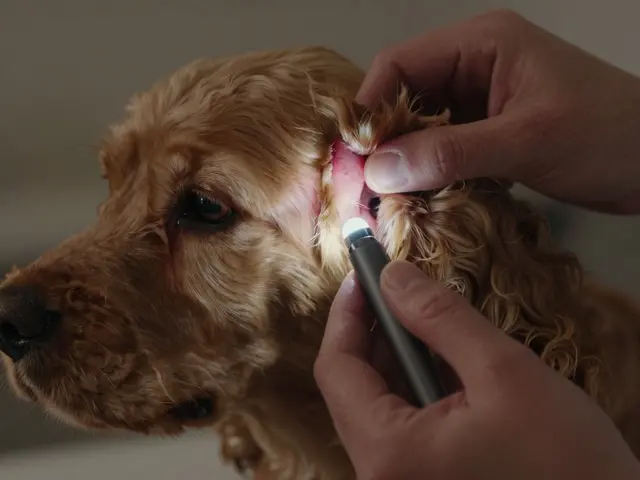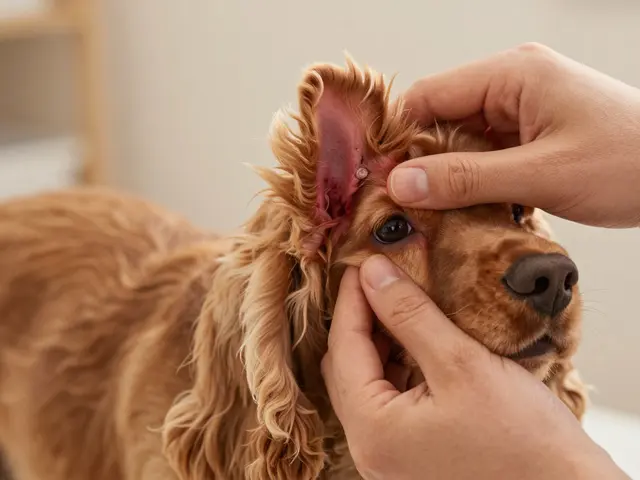
You’re holding a pair of hemostats, staring into your dog’s floppy ear, and wondering if you should just yank those stray hairs out. It’s a common dilemma for owners of breeds like Poodles, Shih Tzus, or Cocker Spaniels. On one hand, you’ve heard that removing excess hair improves airflow and prevents nasty infections. On the other, you’re terrified of hurting your pup or making things worse. The truth isn’t black and white. Dog ear hair plucking is a specific grooming technique used to remove excess ceruminous (wax-producing) hair from the vertical ear canal, but it carries risks if done incorrectly or on the wrong ears. This guide breaks down exactly when this practice saves your dog’s hearing and when it’s better to leave well enough alone.
The Anatomy of the Problem: Why Hairs Matter
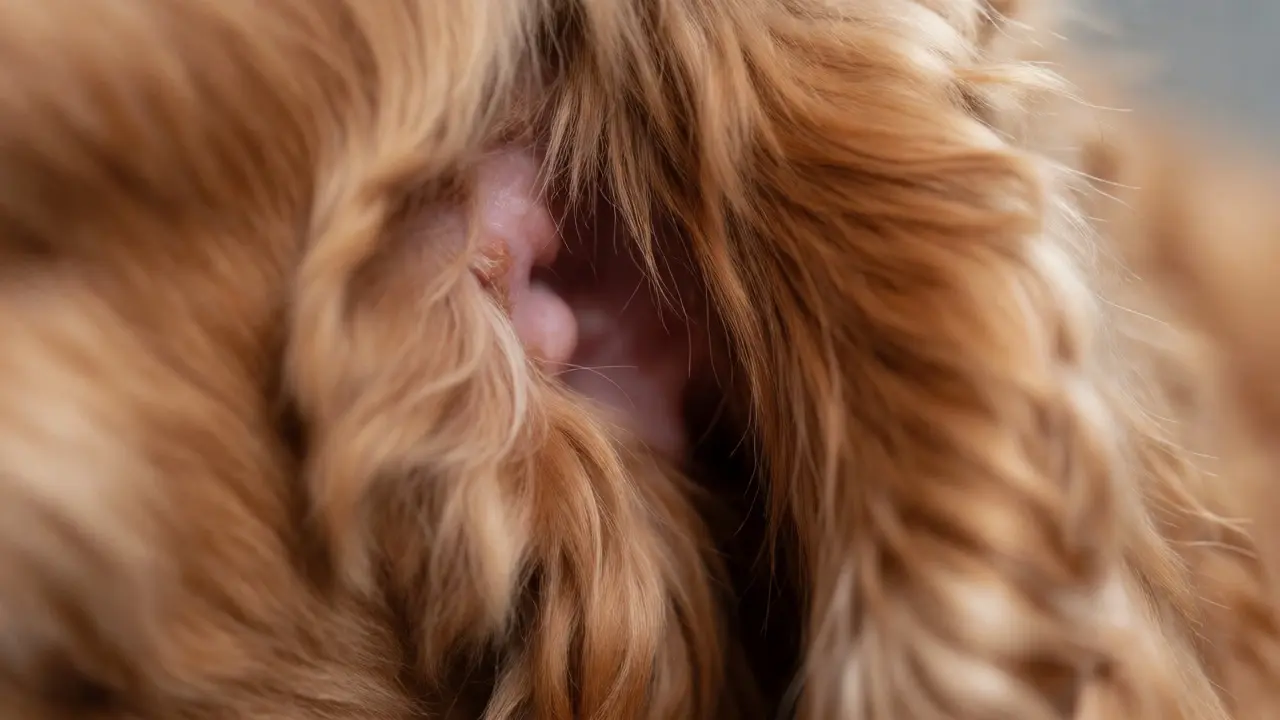
To understand why we even discuss plucking, you have to look at what’s happening inside the ear. The Canine External Ear Canal is an L-shaped tube that leads from the pinna (the visible flap) to the eardrum. Unlike human ears, which are self-cleaning, many dogs produce significant amounts of wax and sebum in this canal. In certain breeds, this area also grows thick, coarse hair. This hair acts as a net, trapping moisture, debris, and bacteria. If water gets trapped after a bath or swim, the warm, dark environment becomes a perfect incubator for yeast and bacteria. This often leads to Otitis Externa, which is simply inflammation of the outer ear canal.
However, not all ear hair is bad. Some hair protects the sensitive skin lining the canal from abrasions. The key is distinguishing between protective hair and obstructive hair. Obstructive hair is usually found deep in the vertical canal of breeds with narrow openings, like Poodles and Bichon Frises. These dogs don’t get enough natural air circulation, so the hair stays damp and matted. For them, plucking can be a medical necessity rather than just a cosmetic choice.
Breed-Specific Needs: Who Actually Needs Plucking?
If you have a Labrador Retriever or a Golden Retriever, you likely don’t need to pluck anything. Their ears are open and airy, allowing for excellent ventilation. Plucking their ears might actually irritate the skin without providing any real benefit. But if you own a breed with hairy ear canals, the rules change. The American Veterinary Medical Association and most board-certified veterinary dermatologists agree that plucking is beneficial for breeds prone to chronic ear issues due to poor ventilation.
| Breed Group | Ear Structure | Plucking Recommendation | Risk Level |
|---|---|---|---|
| Poodle, Bichon, Maltese | Narrow canal, dense hair growth | Yes, regular maintenance required | Low if done correctly; High if neglected |
| Cocker Spaniel, Springer Spaniel | Heavy flaps, moderate hair | Often Yes, especially if history of infection | Moderate |
| Labrador, Golden Retriever | Wide opening, minimal internal hair | No, usually unnecessary | High risk of irritation |
| Afghan Hound, Old English Sheepdog | Long coat covering ear, variable internal hair | Check first, only if blocking view/airflow | Moderate |
Notice how the recommendation shifts based on anatomy. A Poodle’s ear canal is essentially a closed room with a humidifier running constantly. Removing the hair opens the door. A Lab’s ear is more like a screened porch-already ventilated. Trying to "improve" ventilation by pulling hair out of a screened porch just damages the screen.
When to Stop Immediately: Contraindications
There are times when plucking is not just unhelpful, but actively harmful. If your dog’s ears are already red, swollen, painful, or discharging pus or blood, do not pluck. The tissue is inflamed. Pulling hair from inflamed skin causes micro-tears, increases pain, and pushes bacteria deeper into the wound. You could turn a mild irritation into a severe bacterial infection.
Another major red flag is age. Older dogs often have drier, thinner skin. The collagen structure changes, making the skin less elastic and more prone to tearing. Similarly, if your dog has been diagnosed with Allergic Dermatitis, their ears may be hypersensitive. Even a small amount of trauma from plucking can trigger a massive histamine response, leading to intense itching and further self-trauma. If you notice your dog shaking their head violently or scratching at their ears immediately after a previous grooming session, they are telling you that the method-or the frequency-is wrong for them.
The Right Way to Pluck: Technique Matters
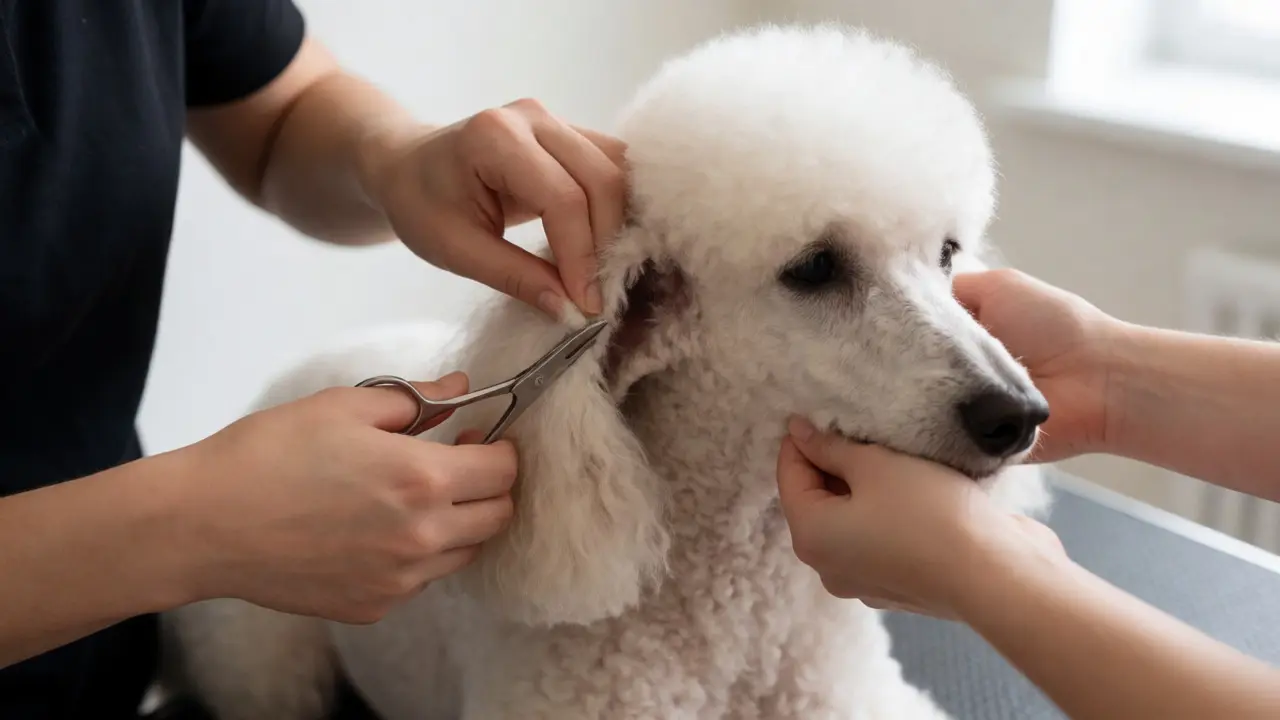
If you’ve determined your dog needs plucking, technique is everything. Never dry pluck. Dry hair pulls against the follicle with high friction, causing pain and potential breakage below the skin surface. Instead, use a dedicated Ear Powder or a gentle drying agent. These products absorb moisture and provide lubrication, allowing the hair to slide out with less resistance.
Here is the step-by-step process recommended by professional groomers:
- Preparation: Have your dog sit comfortably. Use a helper if possible to gently hold the muzzle.
- Application: Sprinkle a small amount of ear powder into the ear canal. Massage the base of the ear gently to distribute the powder.
- Grip: Use blunt-nosed hemostats (locking forceps). Do not use scissors unless you are extremely experienced, as cutting hair leaves sharp stubs that irritate the skin.
- The Pull: Grab a *small* bunch of hair close to the base. Pull firmly but quickly in the direction of hair growth. Think of it as a quick snap, not a slow tug.
- Frequency: Only pluck every 4-6 weeks. Over-plucking strips the protective barrier and causes chronic inflammation.
Why lock the hemostats? Because locking ensures a consistent grip. If you miss a few strands, you don’t want to re-grab and pull again. One clean motion per bundle is ideal. If you see blood, stop. Clean the area with a vet-approved antiseptic and wait two weeks before trying again.
Alternatives to Plucking: Safer Options
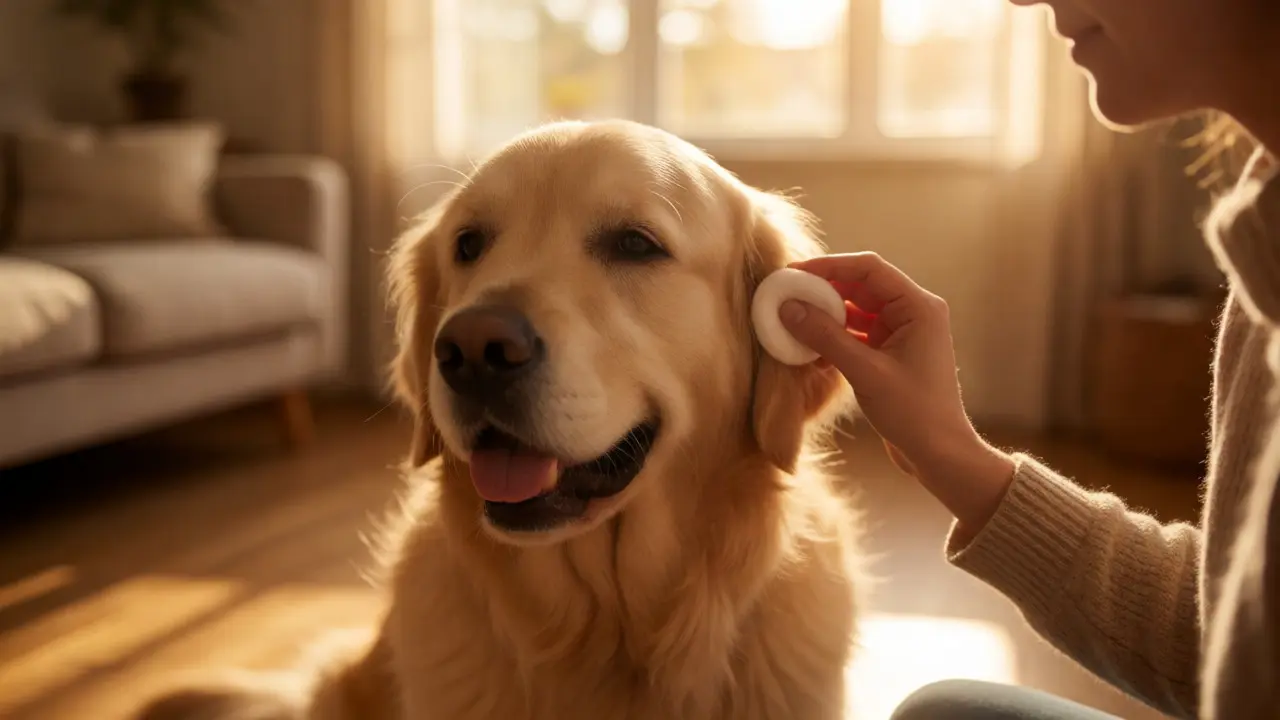
Not everyone is comfortable plucking, and some dogs simply won’t tolerate it. Fortunately, modern veterinary science offers alternatives. Trimming involves using electric clippers with a guard to shorten the hair inside the ear flap and the entrance of the canal. This doesn’t remove the root, but it reduces the volume of hair, improving airflow significantly. Trimming is painless and safe for almost all dogs, including those with sensitive skin.
Another option is chemical dissolution. Some newer ear cleaners contain enzymes or keratolytic agents that help break down the bond between the hair and the follicle over time, making shedding easier during routine cleaning. While this doesn’t instantly clear the canal, it reduces the need for mechanical intervention. Always consult your veterinarian before starting any new chemical regimen, as some ingredients can be toxic if the eardrum is perforated.
Aftercare: Keeping Ears Healthy Post-Grooming
Once you’ve finished plucking or trimming, your work isn’t done. The ear canal is now exposed and potentially slightly irritated. Apply a soothing, alcohol-free ear cleanser. Look for products containing chlorhexidine or ketoconazole if your dog is prone to yeast, but ensure they are labeled safe for daily or weekly use. Avoid products with high alcohol content, as these sting raw skin.
Monitor your dog for 24-48 hours. Mild redness is normal. Persistent head shaking, foul odor, or dark discharge is not. If symptoms persist, book a vet appointment. Chronic ear issues often require prescription medication, not just grooming. Remember, plucking is a preventative measure, not a cure for active infections.
Does plucking ear hair hurt my dog?
It can cause momentary discomfort, similar to tweezing eyebrows. However, if done correctly with powder and proper technique, most dogs tolerate it well. If your dog cries out or shows signs of distress, stop immediately. Pain indicates either improper technique, inflamed skin, or a breed that does not require plucking.
How often should I pluck my dog's ear hair?
For breeds that require it, such as Poodles, plucking is typically needed every 4 to 6 weeks. Doing it too frequently can damage the hair follicles and lead to chronic inflammation. Check your dog's ears monthly; if the canal looks clear and airy, you can skip a session.
Can I cut the ear hair instead of plucking it?
Yes, trimming with clippers is a valid alternative, especially for dogs with sensitive skin or those who refuse plucking. Trimming shortens the hair to improve airflow without removing the root. However, it may need to be done more frequently than plucking because the hair grows back faster and remains in the canal longer.
What happens if I never pluck my Poodle's ears?
Neglecting ear hair in breeds with dense canals often leads to Otitis Externa. The trapped moisture creates a breeding ground for yeast and bacteria. Over time, this causes chronic inflammation, thickening of the ear canal walls, and potentially permanent hearing loss or the need for surgical intervention.
Is it safe to pluck puppy ears?
Generally, yes, but proceed with caution. Puppy skin is delicate. Start with very small amounts of hair and observe their reaction. Many groomers begin introducing ear handling early to accustom the puppy to the sensation. Always use plenty of powder and avoid aggressive pulling.