You just brought home a bundle of joy. The puppy is sleeping in your lap, and life feels perfect. But here is the hard truth nobody tells you at the breeder’s or shelter: that cute, clumsy phase comes with a high risk of accidental injury and unexpected illness. Puppy health insurance is a type of pet insurance policy designed to cover veterinary expenses for young dogs, often including accidents, illnesses, and sometimes routine care. Many owners wait until their dog is older to sign up. That is usually a mistake. Waiting can cost you thousands of dollars and leave you uninsured when it matters most.
Why does timing matter so much? It comes down to how insurance companies assess risk and define "pre-existing conditions." If you enroll while your puppy is still healthy, you lock in coverage for issues that haven't happened yet. If you wait until after the first vet visit reveals a minor issue, that issue might never be covered. This article breaks down exactly why signing up early protects your wallet and your pup, what to look for in a plan, and how to avoid common traps.
The Pre-Existing Condition Trap
This is the single biggest reason to act fast. In the world of pet insurance, a pre-existing condition is any medical issue that showed signs, symptoms, or was diagnosed before the policy's effective date or waiting period ended. Insurers do not cover these. Period.
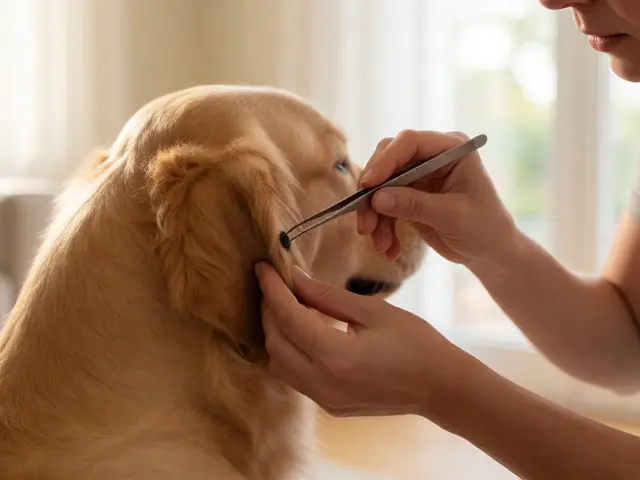
Think about what happens in those first few months. Puppies are prone to ear infections, skin allergies, and digestive upset. You might notice your pup scratching an ear during a play session. You think nothing of it. Two weeks later, you finally get around to buying insurance. By then, that ear scratch counts as a symptom. If your puppy develops chronic otitis media (a middle ear infection) six months from now, the insurer will likely deny the claim because the symptom existed before coverage started.
Early enrollment minimizes this gap. Most policies have a waiting period-usually 14 to 30 days for illnesses and 24 hours for accidents. Enrolling immediately means that clock starts ticking sooner. You want that coverage active before the next potential incident occurs.
Lower Premiums for Young Dogs
Insurance premiums are based on age. A 6-month-old Labrador Retriever is statistically less likely to need major surgery than a 6-year-old one. Consequently, monthly rates are significantly lower for puppies. As your dog ages, premiums rise. Some insurers use a "rated" system where rates increase annually based on age bands (e.g., 0-2 years, 2-5 years, 5-8 years).
By locking in a rate while your dog is young, you often secure a baseline that grows more slowly than if you started at age five. While rates do adjust over time, starting early gives you a financial head start. Consider the difference between paying $25 a month versus $45 a month. Over ten years, that $20 difference adds up to $2,400. That money could pay for a significant portion of a future emergency bill.
Coverage Gaps: What Puppies Actually Need
Not all plans are created equal. When you shop for veterinary coverage for a puppy, you need to understand the three main tiers of protection:
- Accident-Only: Covers broken bones, lacerations, and ingestion of foreign objects. Cheap, but limited. Puppies chew everything. Swallowing a sock can cost $2,000 in endoscopy and surgery.
- Accident-and-Illness: The standard choice. Covers cancer, infections, hereditary conditions, and injuries. This is what most owners should buy.
- Wellness/Routine Care: An add-on for vaccinations, flea prevention, and annual exams. This is essentially a budgeting tool, not true insurance. It rarely saves money unless you use every benefit.
For a puppy, the Accident-and-Illness plan is non-negotiable. Hereditary conditions like hip dysplasia or heart defects may not show symptoms until later, but if they are genetic and present at birth, some strict insurers might argue they are pre-existing. However, many modern insurers cover hereditary conditions as long as there were no clinical signs before enrollment. This makes early enrollment critical.
| Feature | Accident-Only | Accident & Illness | Wellness Add-On |
|---|---|---|---|
| Average Monthly Cost (Labrador) | $15 - $25 | $30 - $50 | $20 - $40 |
| Covers Broken Bones | Yes | Yes | No |
| Covers Ear Infections | No | Yes | No |
| Covers Vaccinations | No | No | Yes |
| Best For | Tight budgets | Most owners | Budgeters who hate surprises |

The Breeder Factor
If you bought from a reputable breeder, ask them about health testing. Good breeders screen parents for genetic issues. They might offer a health guarantee that covers congenital defects for the first year or two. Read the fine print carefully. Often, these guarantees require you to return the dog or provide proof of treatment to get reimbursed. They do not replace insurance.
Some breeders even partner with specific insurance companies, offering free initial months of coverage. Take advantage of this. It lets you test-drive the policy without immediate financial commitment. Just remember to check if the coverage continues automatically and what the renewal terms are.
Common Pitfalls to Avoid
Don't let marketing jargon fool you. Here are three traps new owners fall into:
- The "Per Incident" Limit: Some cheaper plans cap payouts per condition. If your puppy gets a severe infection requiring multiple visits, you might hit the limit quickly. Look for plans with annual maximums or lifetime unlimited coverage.
- High Deductibles: A low premium often means a high deductible. If your deductible is $500, you pay the first $500 out of pocket every year. For a puppy with frequent minor issues, this can mean you never reach the insurance payout threshold.
- Exclusion Lists: Read the exclusions. Some plans exclude dental work, which is vital since puppies lose baby teeth and can damage adult ones. Others exclude behavioral therapy, though that is less common for physical health claims.
How to Choose the Right Provider
You don't need to research twenty companies. Narrow it down to three questions:
- Do they reimburse actual vet bills? Some companies pay a "benefit schedule" amount regardless of what the vet charged. If the vet charges $1,000 but the schedule pays $400, you're shortchanged. Look for actual cost reimbursement.
- What is the waiting period? Ideally, you want accident coverage starting within 24-48 hours and illness coverage within 14 days. Anything longer leaves you exposed.
- Is the insurer stable? Check their financial ratings. You want a company that will still be around when your dog is fifteen and needs expensive geriatric care.
In Portland, where I live, veterinary costs are higher than the national average. A simple blood panel might cost $150 here versus $90 elsewhere. Factor local vet prices into your decision. If you choose a plan with a $500 deductible, ensure your typical emergency costs justify the premium.
When to Re-evaluate Your Plan
Your puppy's needs change rapidly. At eight weeks, they are vulnerable to parvo and distemper. At six months, they are spayed/neutered and prone to chewing hazards. At one year, they are adults with different risks.
Review your policy annually. If your dog has had zero claims for two years, see if you can raise your deductible to lower your premium. Conversely, if you anticipate a breed-specific issue (like IVDD in Dachshunds), consider lowering your deductible or adding a wellness rider for preventive screenings.
Remember, insurance is a gamble. You hope to never use it. But for a puppy, the odds of needing *some* veterinary intervention in the first year are high. Whether it's a swallowed toy, a bad reaction to food, or a twisted stomach, being prepared beats scrambling for credit cards at 2 AM.
Can I insure a puppy before its first vaccination?
Yes, you can often enroll a puppy as young as 6 to 8 weeks old, even before full vaccination. However, most insurers require the puppy to be at least 7-8 weeks old. Check with your vet to ensure the puppy is healthy enough for the policy's requirements, but generally, earlier is better to avoid pre-existing condition issues.
Does pet insurance cover spaying and neutering?
Standard accident-and-illness policies usually do not cover routine spaying or neutering. These procedures are considered elective or preventative. You typically need to purchase a separate "wellness" or "routine care" add-on to get reimbursed for these surgeries. Even then, there is often a cap on the reimbursement amount.
What happens if my puppy gets sick during the waiting period?
If symptoms appear during the waiting period, the condition is considered pre-existing. The insurer will likely deny claims related to that specific illness for the duration of the policy, or potentially for the rest of the dog's life depending on the insurer's definition of curable vs. incurable pre-existing conditions.
Is pet insurance worth it for purebred puppies?
Generally, yes. Purebreds are prone to hereditary conditions like hip dysplasia, heart disease, and certain cancers. These can develop later in life and cost thousands to treat. Since these conditions may not show symptoms at enrollment, early insurance ensures they are covered when they eventually manifest.
Can I cancel pet insurance if I never use it?
Yes, you can cancel at any time. There are usually no cancellation fees. However, keep in mind that if you cancel and try to re-enroll later, your dog's age will be higher (increasing premiums), and any health issues that arose during the gap in coverage will become pre-existing conditions.