Weight gain after dog spaying happens because the procedure changes your dog's internal chemistry. When the ovaries are removed, the primary source of estrogen disappears. This hormone doesn't just control heat cycles; it plays a massive role in how your dog burns energy and manages appetite. Without it, their metabolic rate drops, and their drive to eat often spikes. You're essentially dealing with a dog that needs fewer calories but wants more of them.
Key Takeaways for Managing Weight
- Metabolism drops significantly after the removal of ovaries.
- Calorie intake usually needs to be reduced by 10% to 20% to maintain weight.
- Consistency in exercise is more important than occasional long hikes.
- High-protein, low-calorie treats are the secret to keeping them happy without the bulk.
- Regular weighing is the only way to catch weight creep before it becomes obesity.
The Science Behind the Scale
To fix the problem, we have to understand why it's happening. When a dog is spayed, the loss of Estrogen creates a metabolic shift. Estrogen helps regulate energy expenditure. Once it's gone, the body becomes more efficient at storing fat and less efficient at burning it. This is combined with a change in the Hypothalamus-the part of the brain that controls hunger signals. Many dogs experience an increase in appetite because the hormonal brakes that previously suppressed hunger are no longer there.
It's not just about "eating too much." It's about the fact that the amount of food that kept your dog lean while they were intact is now simply too many calories for their new, slower metabolism. If you keep feeding the same portion, you're effectively overfeeding them every single day.
Adjusting the Menu for a New Metabolism
The most immediate step in prevention is auditing the food bowl. You can't rely on the "suggested feeding」 guidelines on the back of the bag because those are generic averages. Instead, you need to treat your dog's calories like a budget. Since their metabolic rate has dropped, you generally need to reduce their daily caloric intake by about 10% to 20%.
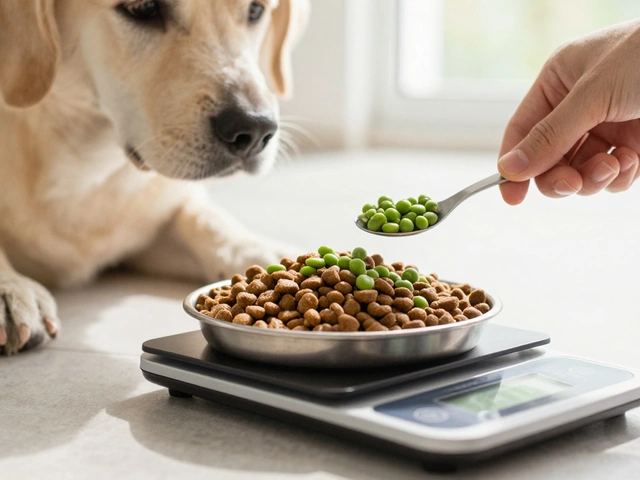
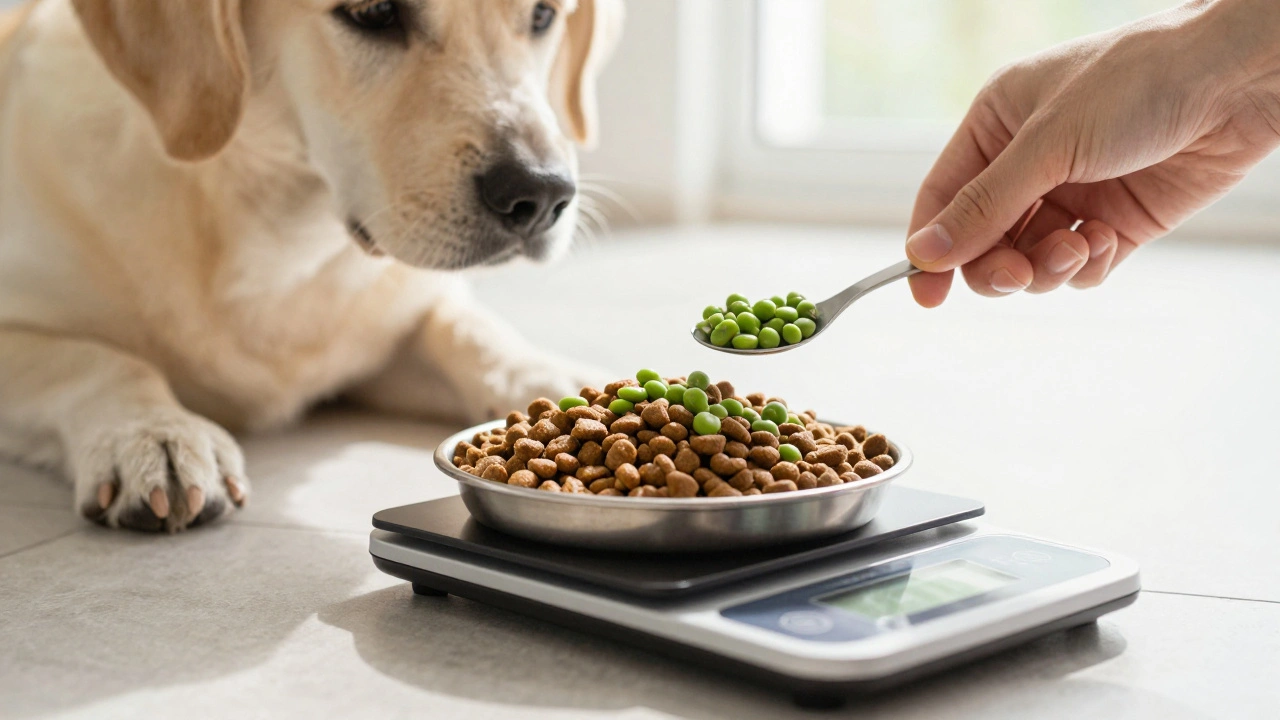
If you're using a standard Kibble, try using a measuring cup with precise grams rather than a scoop. A slight overpour of just a few kibbles every meal can add up to an extra pound of weight over a few months. If your dog seems ravenous after a portion cut, don't reach for more calories. Instead, add bulk. Green beans (fresh or frozen, no salt) are a fantastic tool here. They add volume to the meal, making the dog feel full, but add almost zero calories.
| Current Strategy | The "New Normal" Strategy | Expected Impact |
|---|---|---|
| Following bag guidelines | Reducing portions by 10-20% | Prevents gradual weight creep |
| High-calorie treats | Fresh blueberries or cucumber slices | Lowers total daily caloric load |
| Free-feeding (Bowl always full) | Scheduled meals (2-3 times daily) | Better control over intake |
| Standard kibble only | Adding steamed green beans | Increases satiety without weight gain |
Designing an Activity Plan That Actually Works
Walking your dog once a day isn't enough to offset a metabolic drop. You need to move from "passive exercise" to "active engagement." The goal is to keep the Basal Metabolic Rate higher by building lean muscle mass. Muscle burns more calories at rest than fat does, so the more muscle your dog has, the more leeway they have with their food.
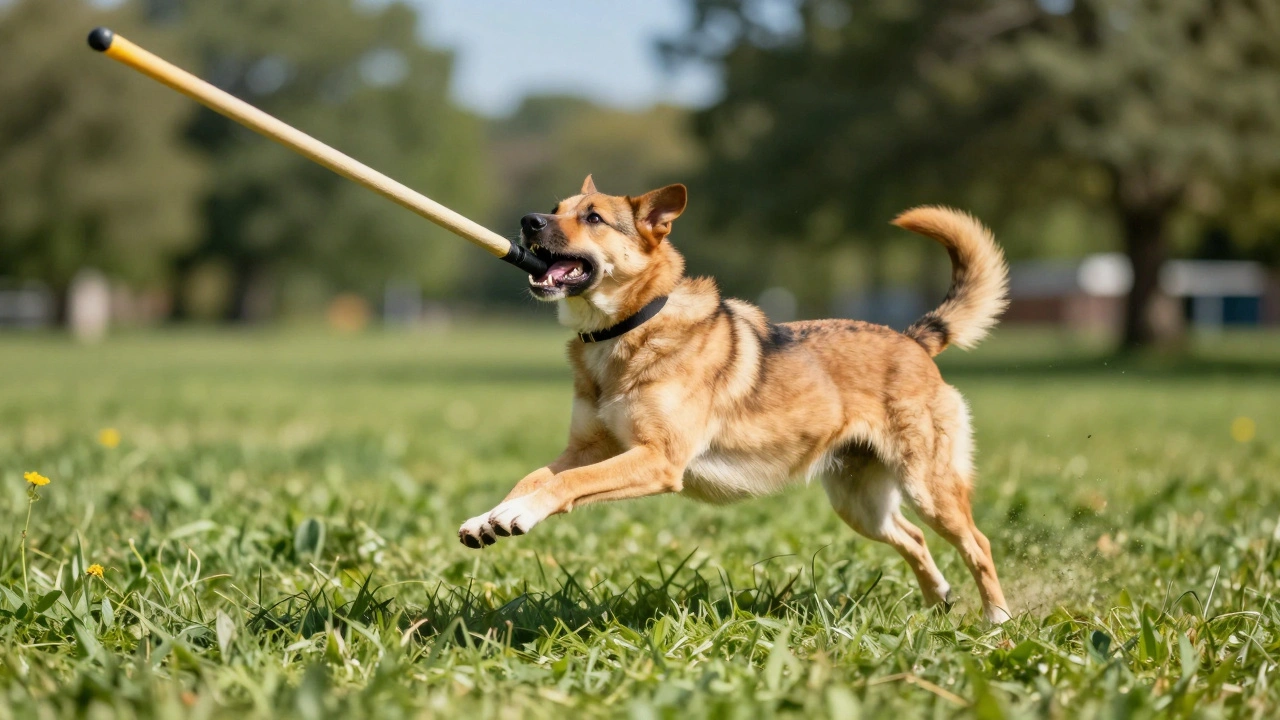
Instead of one long walk, try three shorter, more intense bursts of activity. Incorporate "interval training" for dogs-short sprints followed by a slow walk. If you have a yard, a game of fetch is great, but if you really want to burn calories, try "flirt poles." These are essentially giant cat toys for dogs that get them jumping, pivoting, and sprinting in a small space. This type of high-intensity movement is far more effective for weight loss than a leisurely stroll around the block.
Mental stimulation also helps manage the "boredom hunger" that often mimics metabolic hunger. Use puzzle feeders or Lickimats. When a dog spends 20 minutes working for their food rather than eating it in two minutes, they feel more satisfied and are less likely to beg for extra treats.
The Hidden Danger of "Just One Treat"
Many owners are diligent about the main meals but ignore the treats. This is where most weight gain after spaying actually happens. A single commercial dog treat can contain 50 to 100 calories. For a small dog, that's a significant percentage of their daily allowance. If you give three of those a day, you've essentially added a whole extra meal to their diet.
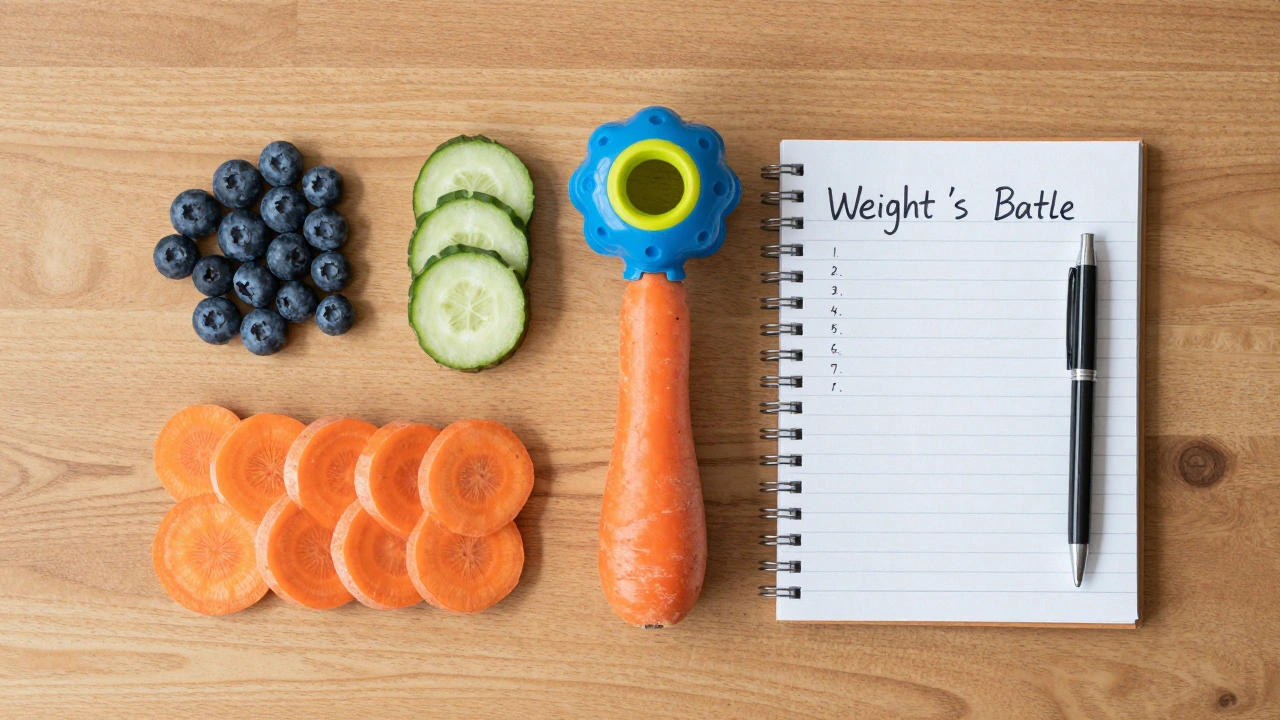
Switch to "low-value' caloric treats. Instead of processed biscuits, use pieces of carrot, apple slices (no seeds), or frozen peas. If you want to use their own food as treats for training, simply remove the amount of "training treats" from their dinner bowl. This keeps the total caloric count identical regardless of how many times you reward them during a training session.
Monitoring Progress and Knowing When to Pivot
You can't manage what you don't measure. Relying on your eyes is risky because we often don't notice the weight gain until the dog looks significantly overweight. Use a home scale-put the dog on the scale while you hold them, then subtract your own weight. Do this once every two weeks.
Check their Body Condition Score (BCS). You should be able to feel the ribs without pressing hard, and they should have a visible waist when viewed from above. If the waist is disappearing, it's time to trim the calories further or increase the intensity of the exercise. If they are losing weight too quickly, you can bump the food back up by 5%.
If you've cut calories and increased exercise but the weight is still climbing, it's time to visit the vet to rule out other issues. While spaying is the most likely culprit, hypothyroidism can sometimes mimic these symptoms, and a simple blood test can tell the difference.
How soon after spaying does weight gain start?
It varies, but most owners notice a change within 3 to 6 months. The metabolic shift isn't instant, but as the hormonal balance stabilizes, the decrease in energy expenditure becomes more apparent. Starting preventative measures immediately after the recovery period is the best approach.
Should I switch to "light" or "weight management" dog food?
Not necessarily. Many weight management foods are simply lower in calories but can also be lower in the protein your dog needs for muscle maintenance. It's often better to stick with a high-quality adult food and simply reduce the portion size. If your dog is constantly starving, then a high-fiber "light" food can help them feel full.
Is weight gain after spaying inevitable?
It is not inevitable, but it is a strong biological tendency. With proactive calorie management and a consistent exercise routine, many dogs maintain their lean weight perfectly. The key is adjusting the lifestyle to match the new hormonal reality rather than waiting for the weight to appear.
Can I just give my dog more exercise instead of cutting food?
While exercise is vital, it's very hard to "out-run" a bad diet. The caloric deficit created by a walk is often much smaller than the surplus created by an extra handful of kibble. The most effective method is a combination of both: slightly fewer calories and slightly more movement.
What are the best low-calorie treats for dogs?
The best options are fresh vegetables. Green beans, carrots, celery, and cucumber slices are all very low in calories and provide a satisfying crunch. Small pieces of apple or blueberries are also great, though they have slightly more sugar, so keep those in moderation.
Next Steps for Different Scenarios
For the "Hungry Dog": If your pup is begging constantly, focus on high-volume, low-calorie additions. Add a handful of steamed cabbage or zucchini to their bowl. This tricks the stomach into feeling full without adding significant calories.
For the "Lazy Dog": If your dog hates exercise, start with "scent work." Hiding treats around the house forces them to move and use their brain, which burns more energy than you'd think and keeps them mentally exhausted.
For the Small Breed: Small dogs are more prone to rapid weight gain because a few extra calories represent a larger percentage of their total needs. Be extremely strict with treats-use tiny pieces of a single carrot instead of a whole slice.