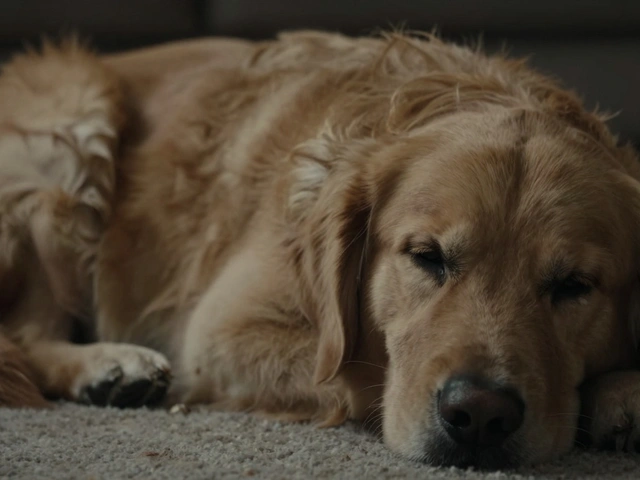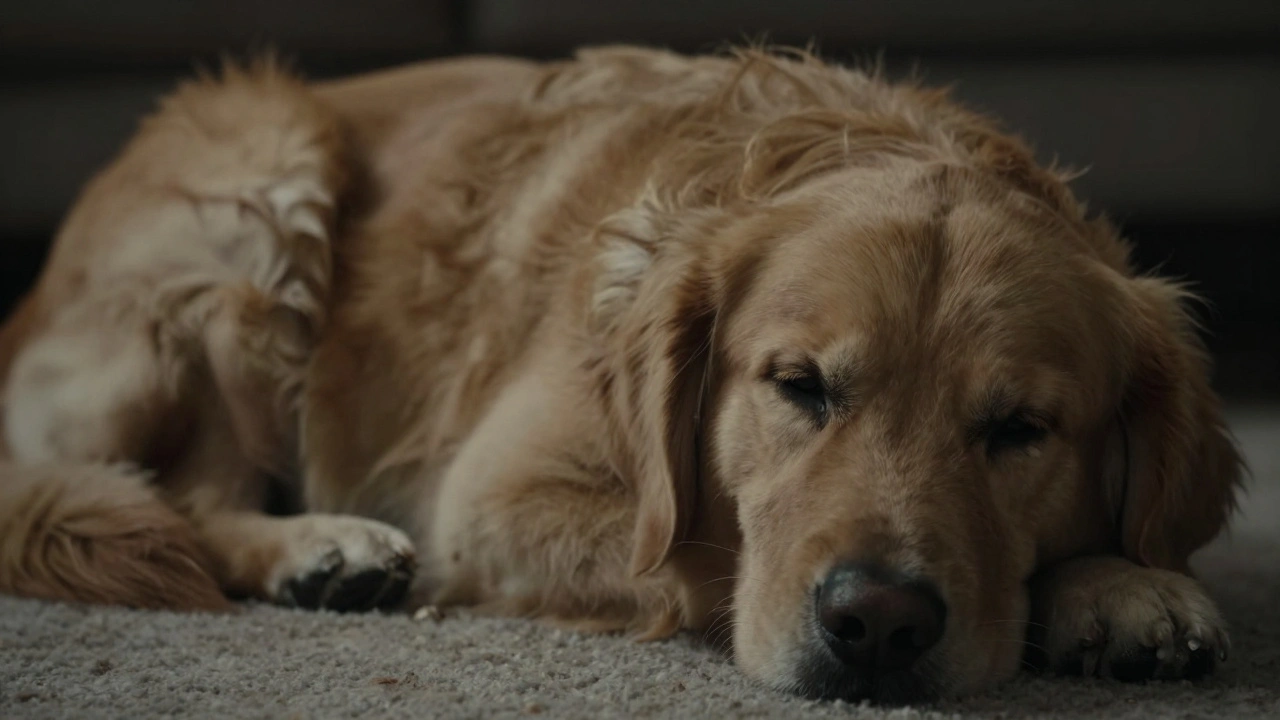
Dogs are masters of disguise. They hide their discomfort instinctively, a survival trait carried over from their wild ancestors where showing weakness meant becoming prey. This makes recognizing canine pain is a critical challenge for pet owners who want to ensure their dog's well-being and longevity. You might think your dog is just being grumpy or old, but they could be suffering silently. The good news? With careful observation, you can catch the subtle signals before they become emergencies.
We often wait for obvious signs-limping, crying, or refusal to eat-to suspect something is wrong. But by then, the issue has likely been festering for days or even weeks. Early detection isn't just about comfort; it’s about preventing chronic conditions that can permanently alter your dog’s quality of life. Let’s look at what you actually need to watch for, beyond the obvious.
The Shift in Daily Routine: Activity and Rest Patterns
The first place to look is in your dog’s daily rhythm. A sudden change in how they move or rest is often the loudest silent alarm. If your usually energetic Labrador suddenly wants to nap on the couch instead of going for a walk, don’t just assume they’re tired. Look closer.
- The "Loaf" Position: Healthy dogs often stretch out on their sides. A dog in pain may curl up tightly into a "loaf" position to protect their abdomen or spine. This is common with abdominal pain or spinal issues like intervertebral disc disease (IVDD).
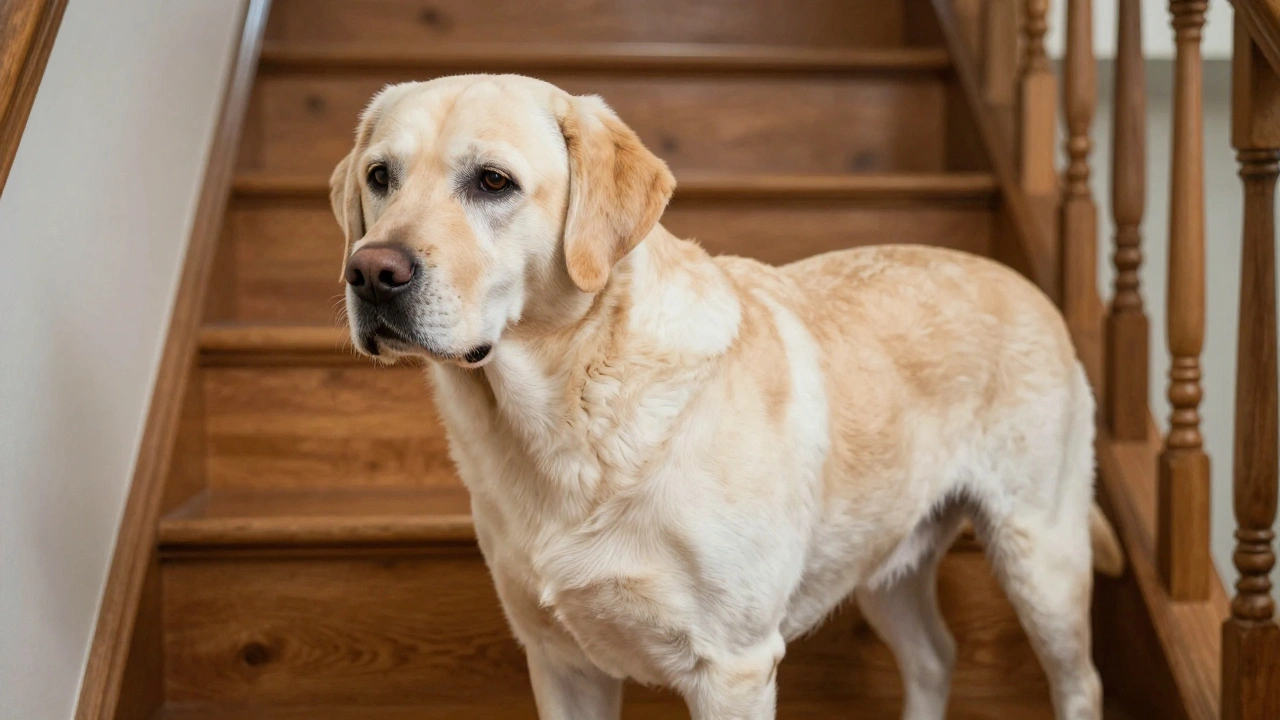
- Reluctance to Jump or Climb: Does your dog hesitate before jumping onto the bed or climbing stairs? This hesitation, especially if accompanied by a stiff posture, often points to joint pain or arthritis. Older dogs frequently suffer from osteoarthritis, which affects nearly 80% of dogs over age six.
- Frequent Shifting: If your dog cannot get comfortable, constantly shifting positions while lying down, they may have internal pain or pressure on an organ. This is different from normal restless settling; it looks uncomfortable and anxious.
Pay attention to the "post-walk slump." A healthy dog might be tired after exercise, but a dog in pain will often seem drained, stiff, or reluctant to move for hours afterward. This is a key indicator of musculoskeletal strain.
Vocalization Cues: Beyond the Obvious Whine
Most people associate pain with loud whining or yelping. While these are clear signals, they are often reactive-occurring only when pressure is applied. Subtle vocal changes are more telling of constant, low-grade pain.
- Low Growling or Grumbling: If your dog growls softly when you touch a specific area, or even when they’re just moving around, this is a warning sign. It’s not always aggression; it’s often a plea for space because movement hurts.
- Sighing or Heavy Breathing: Deep, audible sighs can indicate stress or discomfort. If paired with panting when the room is cool, it suggests anxiety or pain rather than heat regulation.
- Silent Suffering: Some breeds, particularly sighthounds like Greyhounds or older dogs, tend to endure pain quietly. Their silence doesn’t mean they’re okay; it means they’ve accepted the pain as their new normal.
If your dog’s bark sounds different-higher pitched, weaker, or less frequent-it’s worth investigating. Vocal changes reflect emotional state, and pain deeply impacts mood.
Grooming Habits: Over-Grooming vs. Neglect
Your dog’s grooming routine is a direct window into their physical state. Changes here are among the most reliable indicators of hidden pain.
- Excessive Licking or Chewing: If your dog obsessively licks a paw, leg, or belly button, they are likely trying to soothe inflammation or irritation. This can signal allergies, joint pain, or even nerve damage. Look for redness, swelling, or hair loss in those areas.
- Neglected Coat Care: Conversely, a dog that stops grooming itself may lack the energy or flexibility to reach certain spots. An unkempt coat, especially if combined with matting, can indicate severe lethargy or mobility issues.
- Flank Scratching: Frequent scratching of the side or back can indicate skin irritation, but if no fleas or rashes are present, it might point to nerve pain or referred pain from the spine.
Regular brushing sessions are a great diagnostic tool. If your dog flinches, pulls away, or becomes aggressive during brushing, note exactly where the sensitivity occurs. This data is invaluable for your veterinarian.
Behavioral Shifts: Mood and Social Interaction
Pain changes personality. A friendly, social dog may become withdrawn, irritable, or fearful. These behavioral shifts are often misinterpreted as "bad behavior" rather than symptoms of suffering.
- Irritability and Aggression: If your dog snaps when approached, especially by children or other pets, pain is a primary suspect. They may feel vulnerable and lash out to protect themselves. This is common in dogs with hip dysplasia or dental pain.
- Hiding Behavior: Dogs in pain often seek isolation. Finding your dog hiding under the bed, in closets, or in dark corners is a significant red flag. They are trying to avoid stimulation and potential triggers.
- Loss of Interest in Toys: A dog that ignores their favorite ball or tug toy is experiencing cognitive or physical decline. Pain drains mental energy, making play feel like too much effort.
Watch for "freezing" behavior. If your dog freezes mid-step or refuses to move in certain directions, they may be protecting a painful joint or muscle. This is distinct from stubbornness; it’s a protective reflex.
Physiological Signs: Posture, Eyes, and Vital Stats
Physical cues provide concrete evidence of pain. These signs are often overlooked because they seem minor in isolation, but together they paint a clear picture.
- Changes in Gait: Look for limping, favoring one leg, or a "bunny hop" gait (using both hind legs simultaneously). Even subtle stiffness in the morning that improves with movement is a hallmark of arthritis.
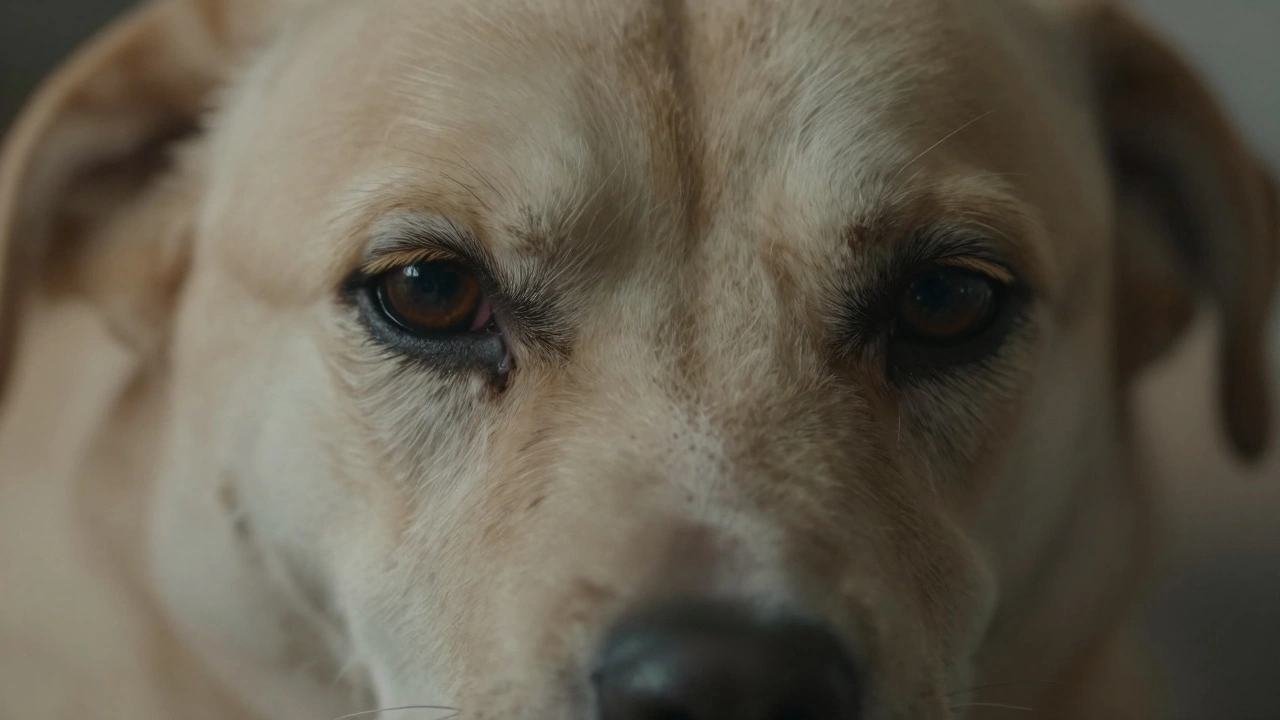
- Eye Appearance: Pain causes stress hormones to rise, leading to dilated pupils. Your dog’s eyes may also appear dull, squinted, or sensitive to light. Bright, alert eyes are a sign of comfort; glassy or narrowed eyes suggest distress.
- Eating and Drinking Changes: Loss of appetite is a late-stage symptom, but reduced water intake or difficulty chewing can signal dental pain or gastrointestinal issues. Monitor food bowl cleanliness closely.
- Temperature Variations: Ears or paws that feel unusually hot or cold can indicate inflammation or circulation problems. Touch your dog’s joints gently; warmth often signals acute inflammation.
Keep a simple log. Note any changes in weight, appetite, or bathroom habits. Sudden weight loss or gain can accompany chronic pain conditions, affecting overall health.
| Sign Category | Subtle Indicator | Potential Cause | Urgency Level |
|---|---|---|---|
| Movement | Hesitation before jumping | Arthritis, Joint Pain | Moderate |
| Vocalization | Low grumbling when touched | Abdominal Pain, Spinal Issue | High |
| Grooming | Obsessive paw licking | Allergies, Nerve Damage | Moderate |
| Behavior | Hiding in dark places | Severe Pain, Anxiety | High |
| Physical | Dilated pupils, dull eyes | Stress, Chronic Pain | Moderate |
When to Seek Veterinary Help
You don’t need to be a vet to know when something is wrong. Trust your instincts. If you notice three or more of these subtle signs occurring simultaneously, schedule an appointment immediately. Do not wait for the pain to worsen.
Bring your observations to the vet. Describe specific behaviors: "He hesitates before stairs," not just "He seems sad." This helps your veterinarian pinpoint the issue faster. Diagnostic tools like X-rays, blood work, and ultrasound can confirm suspicions, but your detailed history is the starting point.
Early intervention is key. Pain management plans, including anti-inflammatories, physical therapy, or dietary changes, are far more effective when started early. Ignoring subtle signs leads to chronic pain, which rewires the nervous system and becomes harder to treat.
How do I know if my dog is in pain versus just being old?
Age-related slowing is gradual and consistent. Pain-related changes are often sudden or progressive despite normal aging. Look for stiffness that doesn’t improve with gentle movement, reluctance to perform previously easy tasks, or vocalizations during movement. If in doubt, consult your vet for a geriatric wellness exam.
Can dogs hide pain effectively?
Yes, dogs are evolutionarily wired to mask pain to avoid appearing weak. This is why subtle behavioral changes, rather than obvious cries, are the best indicators. Owners must actively look for deviations from their dog’s normal baseline behavior.
What should I do if I suspect my dog is in pain?
Stop strenuous activity immediately. Provide a quiet, comfortable space. Do not give human pain medication like ibuprofen or acetaminophen, as these are toxic to dogs. Contact your veterinarian promptly for guidance and diagnosis.
Are there natural ways to help manage mild dog pain?
While veterinary care is essential, complementary approaches like warm compresses, gentle massage, and omega-3 fatty acid supplements can support joint health. Always discuss any home remedies with your vet to ensure they don’t interfere with prescribed treatments.
Why does my dog lick its paws excessively?
Excessive paw licking can indicate allergies, foreign objects stuck in the pads, joint pain, or anxiety. Inspect the paws for cuts, stones, or swelling. If the skin looks healthy but licking persists, consult your vet to rule out internal pain or neurological issues.