Most dog owners think leash walking is just about getting from point A to point B. But if your dog pulls, lunges, or drags you down the street, it’s not a walk-it’s a tug-of-war. The heel command isn’t about control. It’s about partnership. When your dog walks calmly beside you, tail in rhythm with your steps, you’re not just training. You’re building trust.
Why Heel Matters More Than You Think
Heel isn’t a trick for dog shows. It’s a safety skill. A dog that doesn’t heel can dart into traffic, chase a squirrel into a busy yard, or knock over an elderly person. In Portland, where narrow sidewalks and bike lanes are common, leash discipline isn’t optional-it’s necessary.
Studies from the American Veterinary Medical Association show that over 60% of dog-related injuries to owners happen during leash walks. Most of those involve pulling, sudden lunges, or lack of response to basic commands. Heel training cuts that risk dramatically. It gives you control without force. It lets your dog enjoy the walk without losing freedom.
What Heel Actually Means
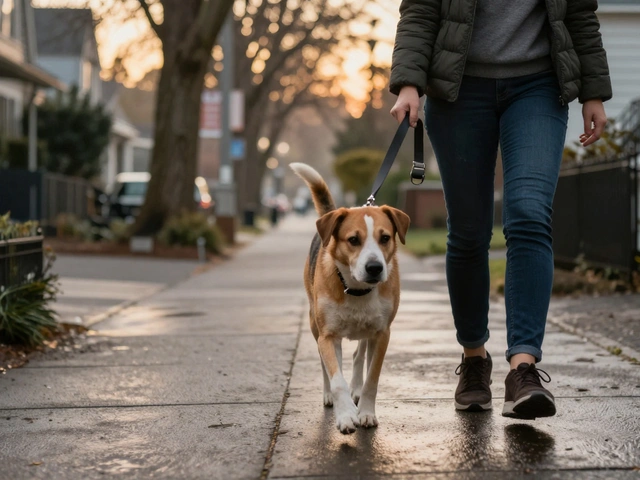
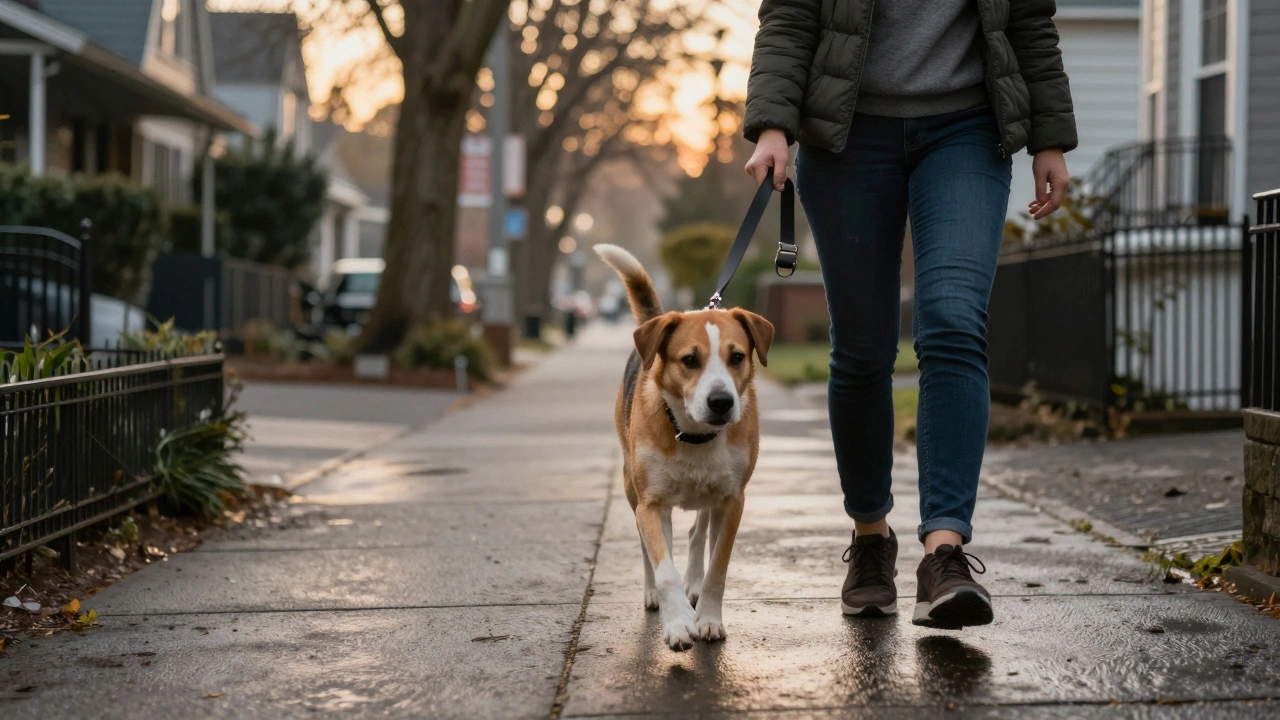
Heel means your dog walks on your left side, close enough to brush your leg, with their head aligned with your knee. Their pace matches yours. No pulling. No weaving. No stopping to sniff unless you say so. It’s not about speed-it’s about consistency.
Many people confuse heel with “walking nicely.” But walking nicely is vague. Heel is precise. Think of it like dancing. If you’re leading, your partner needs to stay in step. If they step on your toes, you stop. That’s the rule.
Start Indoors-No Leash Needed
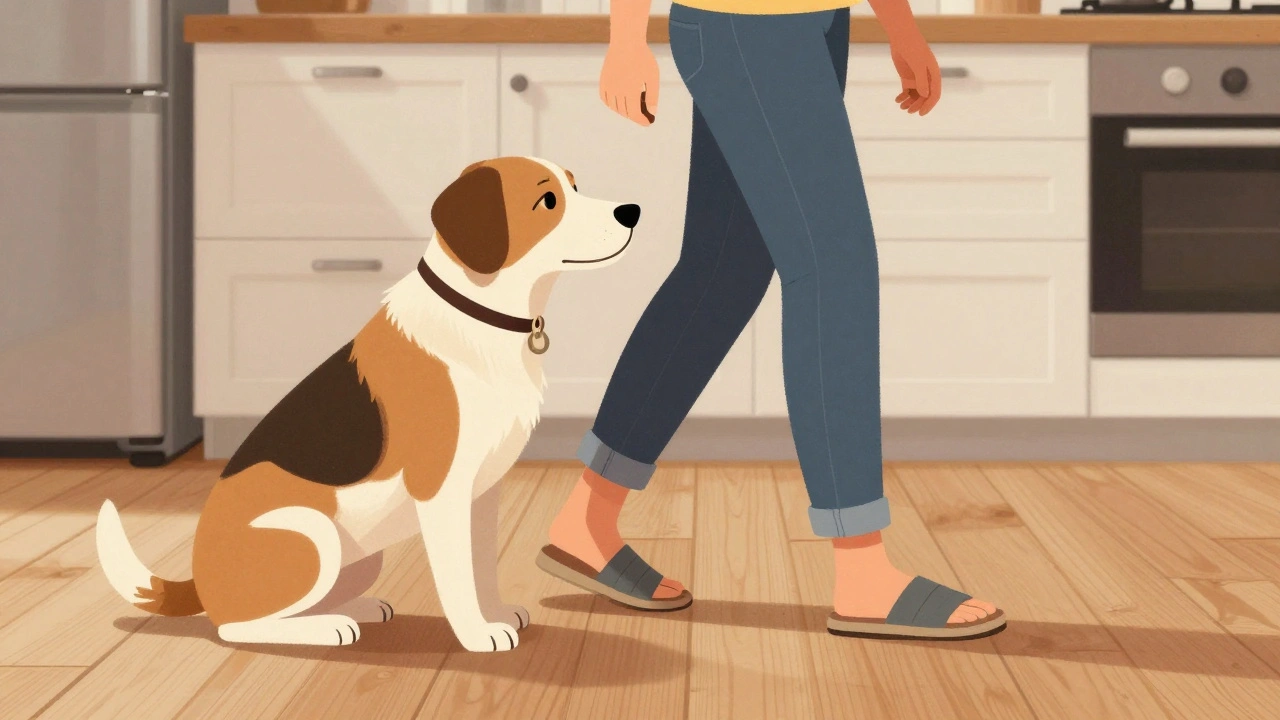
Don’t start on the sidewalk. Start on your kitchen floor.
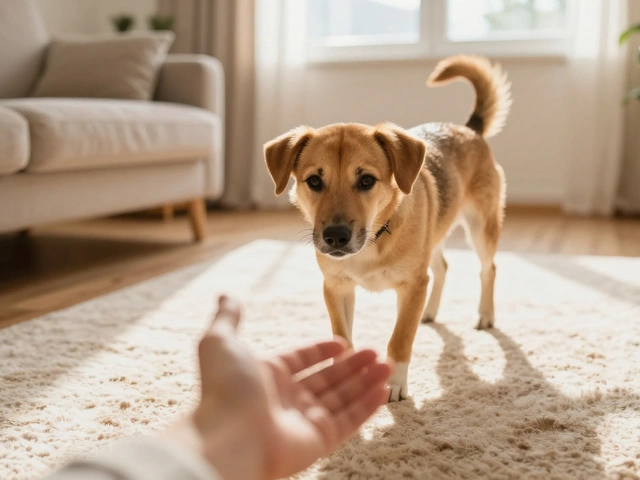
Put your dog in a sit position right beside your left leg. Hold a treat in your left hand, close to your hip. Say “heel” clearly. Take one step forward. If your dog moves with you, mark it with a click or “yes!” and give the treat. If they lag or pull ahead, stop. Wait. Don’t tug. Just stand still. When they return to position, step again.
Do this for five minutes a day. Three days in, your dog will start to anticipate the step. By day five, they’ll be matching your pace without treats. That’s the goal: movement, not reward.
Introduce the Leash-Gently
Once your dog can heel without a leash, attach it. Use a 4- to 6-foot nylon leash. No retractables. They teach pulling, not control.
Hold the leash in your right hand, with about 12 inches of slack. Keep your left hand holding the treat. When your dog moves ahead, gently stop your step. Don’t yank. Don’t say “no.” Just pause. Wait. When they turn back to you, say “heel,” step forward, and reward.
Here’s the trick: every time they pull, you become a statue. Every time they return to your side, you move forward. Dogs learn from consequences. If pulling leads to standing still, and staying close leads to walking, they’ll choose the walk.
Practice in Low-Distraction Zones
Start in your backyard. Then move to quiet streets-early morning, when few people or cars are around. Avoid parks until your dog has 10 clean heel sessions in a row.
Portland has great quiet neighborhoods like Sellwood or Laurelhurst for this. Walk the same route every day for a week. Repetition builds habit. Don’t try new places until your dog’s focus is solid.
Handle Distractions Without Losing Control
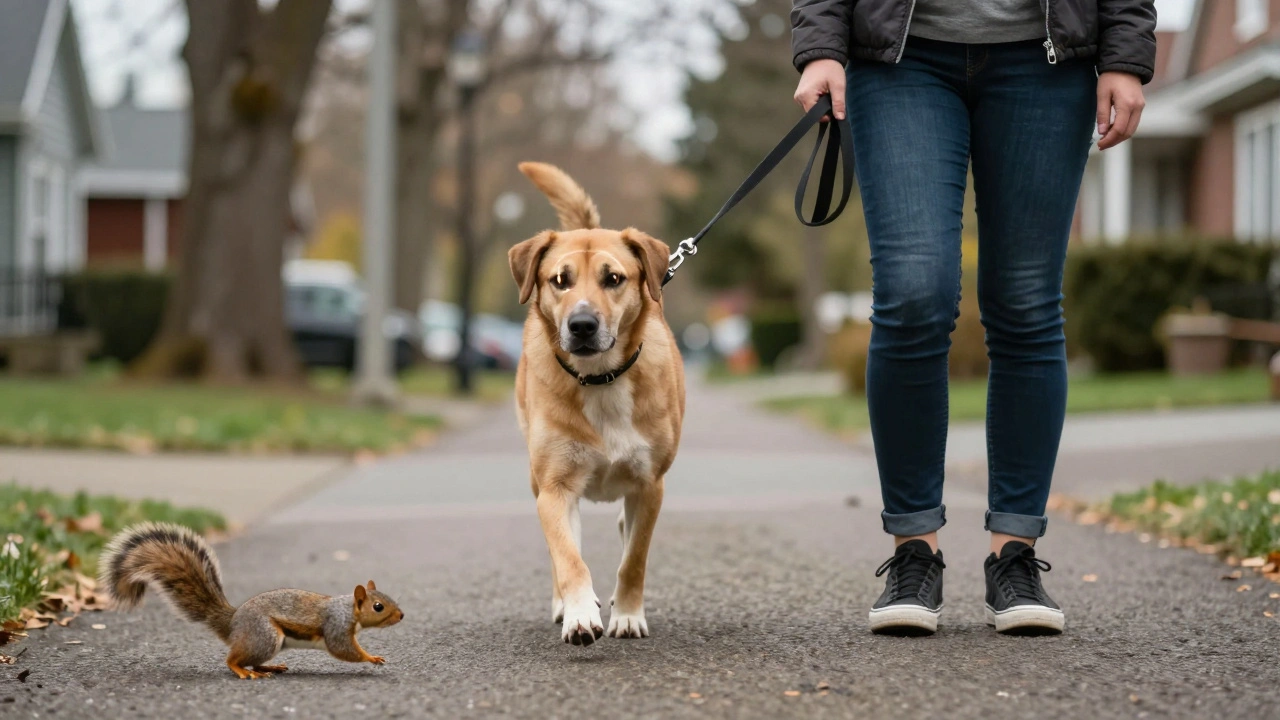
One day, a squirrel will run across the path. A cyclist will zoom by. Your dog will freeze, stare, then explode forward.
Here’s what to do: as soon as they react, stop. Don’t yell. Don’t pull harder. Say “heel” in a calm, firm voice. Wait. Let them look. Let them think. Then, take one step to the side, away from the distraction. Move in a small circle. Turn around. Walk backward a few steps. This resets their focus.
After two or three of these resets, they’ll realize: chasing distractions doesn’t get them anywhere. Staying with you does.
Use the “Look at Me” Bridge
Some dogs get so fixated on smells or movement, they forget you exist. That’s when you need a bridge.
Before you start walking, ask your dog to make eye contact. Say “look” and hold a treat near your eyes. When they glance at you, mark it and reward. Do this five times before each walk.
Now, during the walk, if they start to drift, pause. Say “look.” Wait. When their eyes meet yours, say “heel” and keep walking. This links attention to movement. It trains their brain to check in with you before reacting to the world.
When to Reward-And When Not To
At first, reward every correct step. But after two weeks, start fading treats. Reward every third step. Then every fifth. Use praise, petting, or a toy instead.
Never reward after pulling. Never reward after stopping. Only reward when they’re in position, moving with you. If you reward the wrong behavior, you’re teaching them to pull harder.
Some owners think treats mean the dog will only heel for food. That’s not true. It’s like learning a language. You use flashcards at first. Eventually, you speak without them.
Common Mistakes (And How to Fix Them)
- Mistake: Walking too fast. Fix: Slow down. Heel is about precision, not pace. Walk like you’re strolling through a museum.
- Mistake: Letting the dog sniff during heel. Fix: Save sniffing for designated breaks. Say “go sniff” only when you stop and release them.
- Mistake: Using a choke chain or prong collar. Fix: These teach fear, not learning. Use a harness or flat collar. Your goal is cooperation, not compliance through pain.
- Mistake: Training once a week. Fix: Five minutes daily beats one hour weekly. Consistency builds neural pathways.
Progress Tracking
Keep a simple log. Each day, note:
- How many steps without pulling?
- How many distractions handled calmly?
- Did they stay in heel for the full walk?
After 10 days of daily practice, most dogs can heel for 15 minutes without treats. After 30 days, they’ll do it in busy areas. That’s not magic. It’s repetition.
Heel Is a Lifelong Skill
You won’t always need to treat or correct. But you’ll always need to reinforce. Every walk is a chance to remind your dog: I’m your guide. You’re not alone out there.
On rainy Portland mornings, when the sidewalks are slick and the world feels gray, your dog walking calmly beside you? That’s not just obedience. That’s peace.