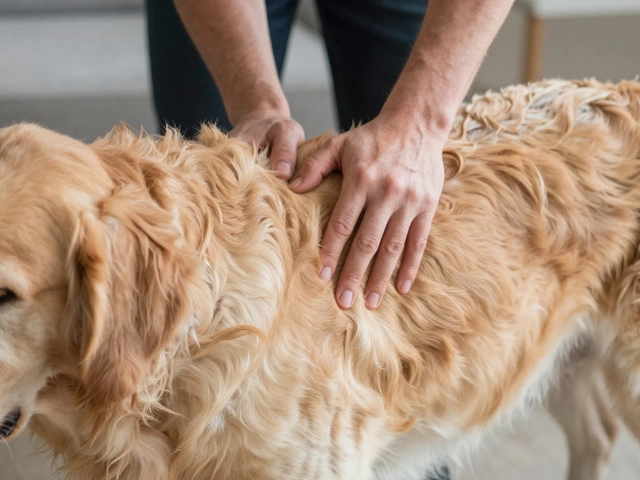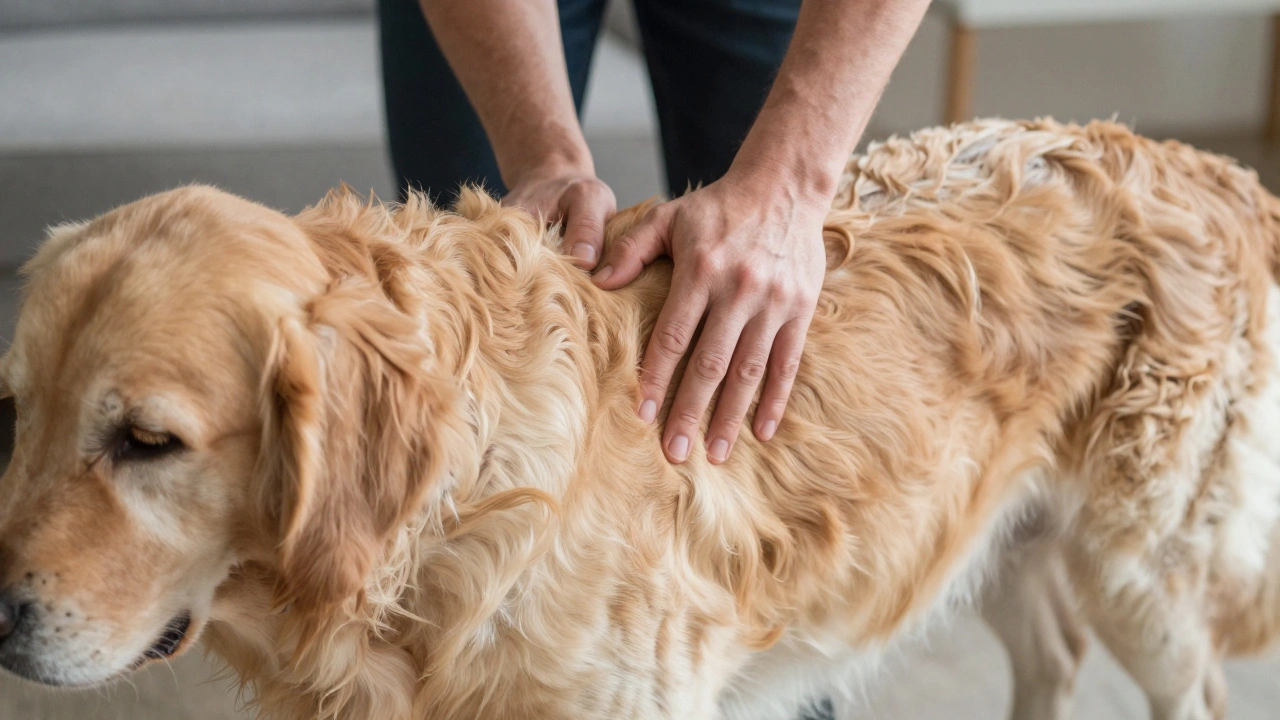
It’s a quiet panic that hits many owners when they pick up their aging companion. The ribs feel more prominent than last year. The coat looks duller. You swear you’re feeding them the same amount of food, yet your senior dog seems to be shrinking before your eyes. This isn’t just about appetite; it’s a complex biological shift involving metabolism, muscle mass, and nutrient absorption.
Aging changes how your dog’s body processes energy. It’s not simply a matter of “old age.” Specific physiological mechanisms drive these changes, and understanding them is the key to keeping your dog strong, comfortable, and vibrant in their golden years. Ignoring these shifts can lead to rapid decline, while addressing them can add quality months or even years to their life.
The Silent Shift: How Canine Metabolism Changes with Age
Metabolism isn’t static. In young dogs, the body burns calories efficiently to support growth and high activity levels. As dogs enter their senior phase-typically around seven years for medium-to-large breeds and nine for smaller ones-their basal metabolic rate (BMR) often drops. However, this drop doesn't always mean they need less food. In fact, many senior dogs require *more* calories per pound of body weight because their bodies become less efficient at using those calories.
This inefficiency stems from reduced cellular function. Mitochondria, the powerhouses of cells, become less effective at producing energy. Your dog might seem lethargic not because they are lazy, but because their cells are struggling to generate fuel. Simultaneously, hormonal changes occur. Levels of growth hormone and insulin-like growth factor decline, which naturally slows down tissue repair and maintenance. This creates a paradox: the dog needs more energy to maintain basic functions, but their digestive system may struggle to extract it all from standard kibble.
| Factor | Adult Dog | Senior Dog |
|---|---|---|
| Basal Metabolic Rate | Stable/High | Decreased efficiency |
| Nutrient Absorption | Optimal | Reduced (especially protein & fats) |
| Digestive Enzyme Production | High | Declining |
| Hunger Signals | Clear | Dulled or inconsistent |
Sarcopenia: The Hidden Thief of Strength
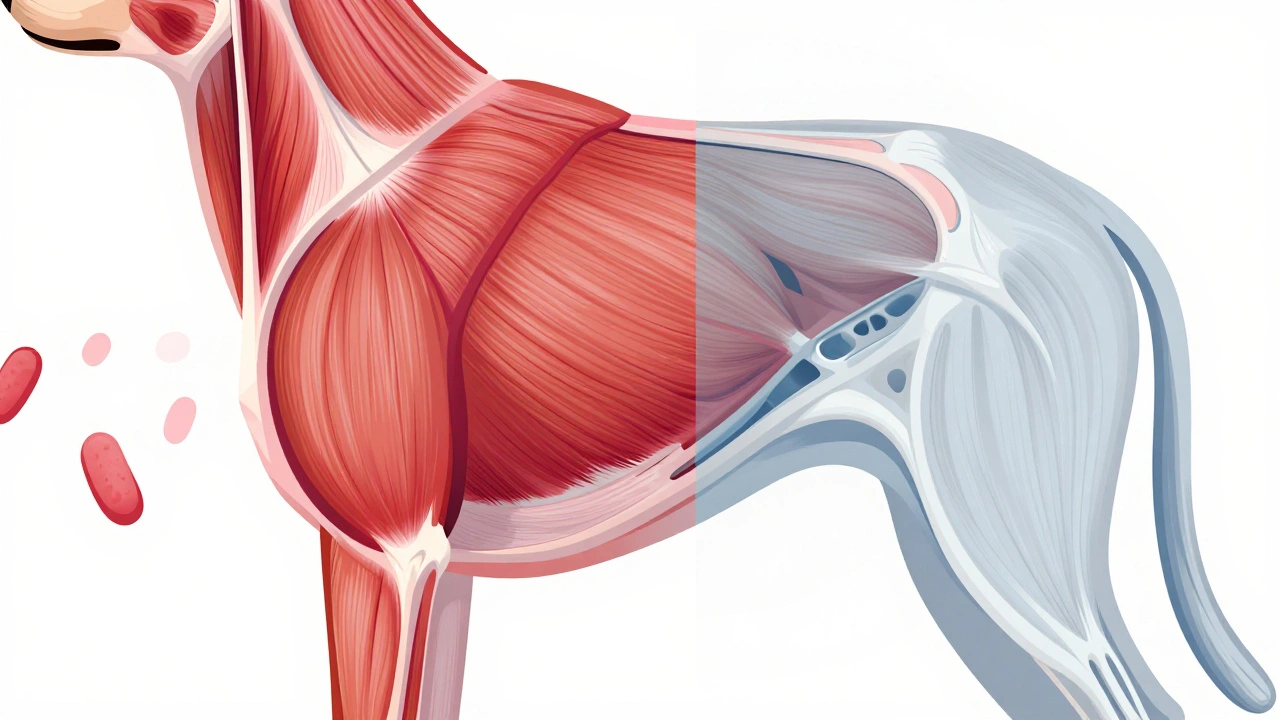
If weight loss is visible, sarcopenia is the structural crisis happening underneath. Sarcopenia is the age-related loss of skeletal muscle mass and strength. In humans, it’s a major health concern; in dogs, it’s equally critical but often overlooked until mobility issues arise.
Muscle tissue is metabolically active. It requires energy to maintain. When a senior dog loses muscle, they lose the very engine that helps them burn calories and stay warm. This creates a vicious cycle: less muscle leads to lower metabolic demand, which can cause further fat redistribution and weakness. You might notice your dog struggling to stand up after napping, jumping onto the couch, or walking on slippery floors. These aren’t just signs of arthritis; they are red flags for significant muscle depletion.
To combat sarcopenia, diet alone isn’t enough. While adequate protein is non-negotiable, physical stimulation is required to signal the body to retain muscle fibers. Gentle, low-impact exercises like short leash walks or hydrotherapy can help preserve what remains. Without movement, even the best senior food cannot prevent muscle wasting.
Why Are They Losing Weight? Beyond Appetite
Weight loss in senior dogs is rarely due to a single cause. It’s usually a combination of factors that compound over time. Identifying the root cause is essential because treating symptoms without addressing the underlying issue won’t stop the decline.
- Dental Disease: This is the most common culprit. Painful gums, loose teeth, or broken roots make chewing painful. A dog might eat quickly to get it over with, swallowing large pieces that don’t digest properly, leading to poor nutrient absorption.
- Gastrointestinal Issues: Conditions like inflammatory bowel disease (IBD), exocrine pancreatic insufficiency (EPI), or even subtle tumors can prevent the gut from absorbing nutrients. You might see normal-sized stools that are loose, greasy, or unusually foul-smelling.
- Endocrine Disorders: Diabetes mellitus and hyperthyroidism (rare in dogs, but possible) accelerate metabolism, burning through calories faster than the dog can consume them. Cushing’s disease, while often associated with weight gain, can also lead to muscle wasting and abdominal distension.
- Cognitive Decline: Canine Cognitive Dysfunction (CCD), similar to dementia in humans, can alter eating habits. A dog might forget how to eat, ignore their bowl, or wander away mid-meal due to confusion or anxiety.
Nutritional Strategies for Aging Bodies
Feeding a senior dog requires precision. Standard adult formulas are often too dense in fiber and too low in bioavailable protein for an aging system. The goal is to maximize nutrient intake while minimizing digestive stress.
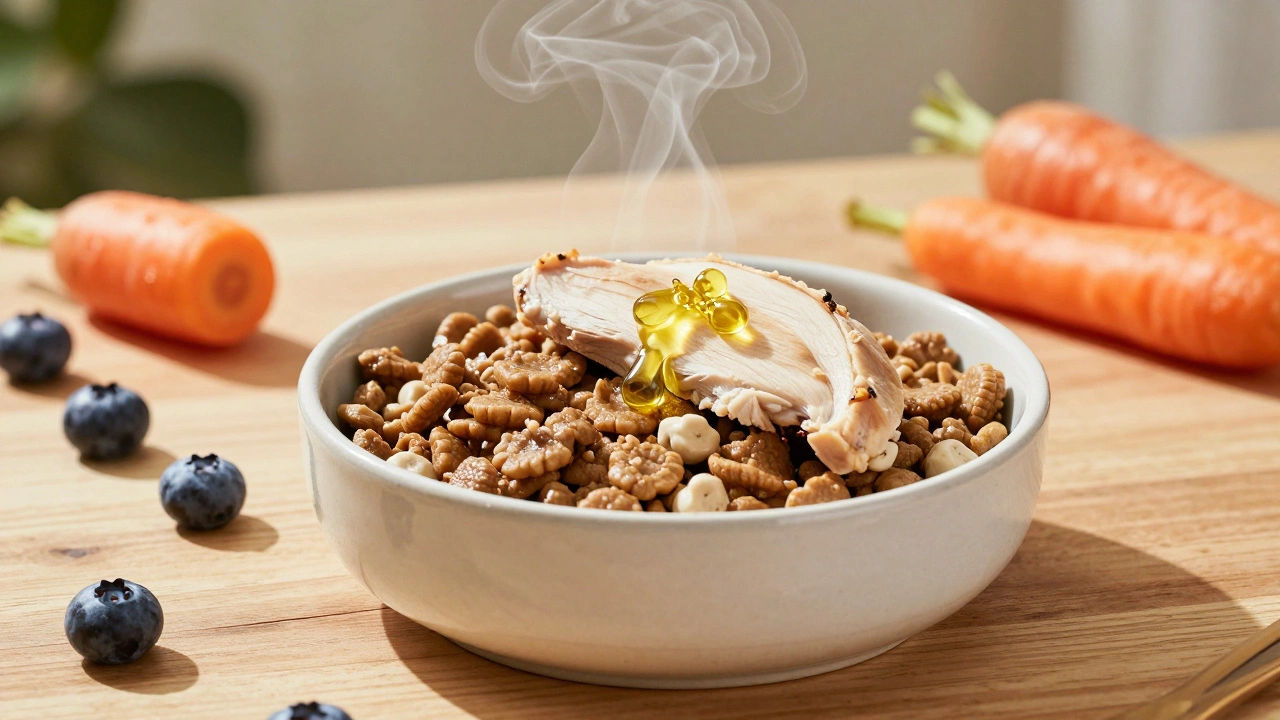
Protein Quality Matters More Than Quantity Many owners fear high-protein diets will harm aging kidneys. This is a misconception unless kidney disease is already diagnosed. For healthy senior dogs, high-quality, easily digestible protein is crucial for maintaining muscle mass. Look for sources like chicken, turkey, fish, or egg. Plant-based proteins are harder for older dogs to break down and utilize effectively.
Fat as Fuel Fat is calorie-dense and easier to digest than carbohydrates. Increasing the fat content slightly can boost caloric intake without increasing the volume of food, which is helpful if your dog has a small appetite. Omega-3 fatty acids, particularly EPA and DHA found in fish oil, have anti-inflammatory properties that support joint health and cognitive function.
Enhancing Palatability If your dog is losing interest in food, try warming the kibble slightly to release aromas. Adding a small amount of low-sodium bone broth, wet food, or plain pumpkin puree can stimulate appetite. Feeding smaller, more frequent meals throughout the day can also reduce nausea and improve absorption.
When to Seek Veterinary Intervention
Monitoring your senior dog’s weight should be part of your routine care. Use a body condition score (BCS) chart, available at most vet clinics, to track changes objectively. If you can easily see all ribs without pressing, or if there’s no waist visible from above, action is needed.
Consult your veterinarian immediately if you notice:
- Rapid weight loss over a few weeks
- Increased thirst and urination
- Vomiting or diarrhea lasting more than 24 hours
- Lethargy that prevents normal activity
- Bad breath or drooling, indicating dental pain
Your vet may recommend blood work, ultrasound, or fecal tests to rule out serious conditions. Early detection of issues like kidney disease or cancer significantly improves treatment outcomes and quality of life.
Practical Tips for Daily Care
Small adjustments in daily routine can make a big difference. Provide orthopedic beds to reduce joint strain during rest. Use ramps instead of stairs to protect their spine and muscles. Keep their environment consistent to reduce stress, which can suppress appetite.
Regular grooming also plays a role. Mats and skin irritations can cause discomfort that affects eating. Brushing your dog regularly allows you to check for lumps, skin changes, or signs of parasites that could contribute to weight loss.
How much weight is too much for a senior dog to lose?
A loss of 10% or more of their ideal body weight is considered significant and warrants veterinary investigation. Even a 5% loss can indicate underlying health issues that need attention.
Can I give my senior dog human food to help them gain weight?
Some human foods are safe and beneficial, such as boiled chicken, plain rice, carrots, and blueberries. Avoid foods high in salt, sugar, or spices. Always consult your vet before making significant dietary changes to ensure they meet your dog's specific nutritional needs.
What are the signs of dental pain in dogs?
Signs include dropping food, chewing on one side of the mouth, bad breath, pawing at the mouth, reluctance to play with hard toys, and sudden aggression when the face is touched. Regular dental check-ups are crucial for early detection.
Is raw food better for senior dogs with weight loss?
Raw diets can be highly palatable and digestible, but they carry risks of bacterial contamination and nutritional imbalances. For senior dogs with compromised immune systems, cooked or high-quality commercial diets are generally safer and more reliable.
How does exercise help a weight-losing senior dog?
Gentle exercise stimulates muscle retention, improves appetite, and maintains joint flexibility. Short, frequent walks are better than long hikes. Hydrotherapy is an excellent option for dogs with arthritis or severe muscle loss.