You just brought home a fluffy bundle of joy. They follow you to the bathroom, sleep on your feet, and whine if you leave the room for more than ten seconds. It’s adorable right now, but that constant attachment is the seedling of separation anxiety in dogs. Most owners wait until the howling starts or the couch gets chewed to address it. Big mistake. The secret to raising a confident, independent dog isn't fixing panic later-it's teaching solitude from day one.
This isn't about ignoring your puppy. It's about structured, intentional alone-time training. Think of it like teaching a child to play independently. If they only know how to play with you, they panic when you step out. If they learn that being alone is safe and boring (in a good way), they relax. Here is exactly how to build that confidence before the problem even has a chance to grow.
Why Waiting Is the Worst Strategy
When a puppy first arrives, everything is new. Their world consists of you, their littermates, and maybe a few other family members. To them, you are their entire social group. In the wild, leaving the pack meant death. So, when you walk away, their instinct screams "danger." If you rush back every time they whimper, you teach them two things: 1) Being alone is scary, and 2) Whining makes you come back.
By starting independence training immediately, you rewire this expectation. You teach the puppy that absence is normal and presence is optional. This prevents the escalation from mild boredom to full-blown distress. We're talking about avoiding behaviors like destructive chewing, excessive barking, and house-soiling due to stress. These issues often stem from a lack of early exposure to solitude, not just "bad manners."
The Core Principle: Boring Alone Time
The goal isn't to make alone time fun; it's to make it neutral. If you give your puppy a special treat only when you leave, they might start associating your departure with excitement, which can heighten anxiety. Instead, aim for low-key departures and arrivals. Your puppy should feel no different whether you are in the next room or gone for an hour.
To achieve this, we use a concept called graduated exposure. You expose the puppy to increasing durations of isolation, ensuring they remain calm at each stage before moving up. If they panic, you've moved too fast. Go back a step. Patience here saves months of behavioral therapy later.
Your Week-One Schedule: The Foundation
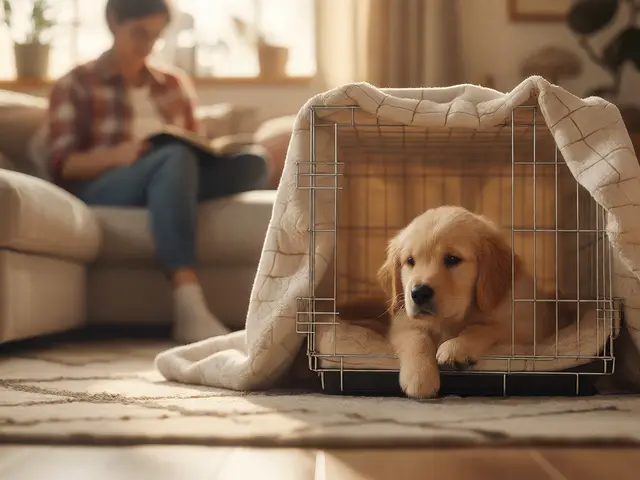
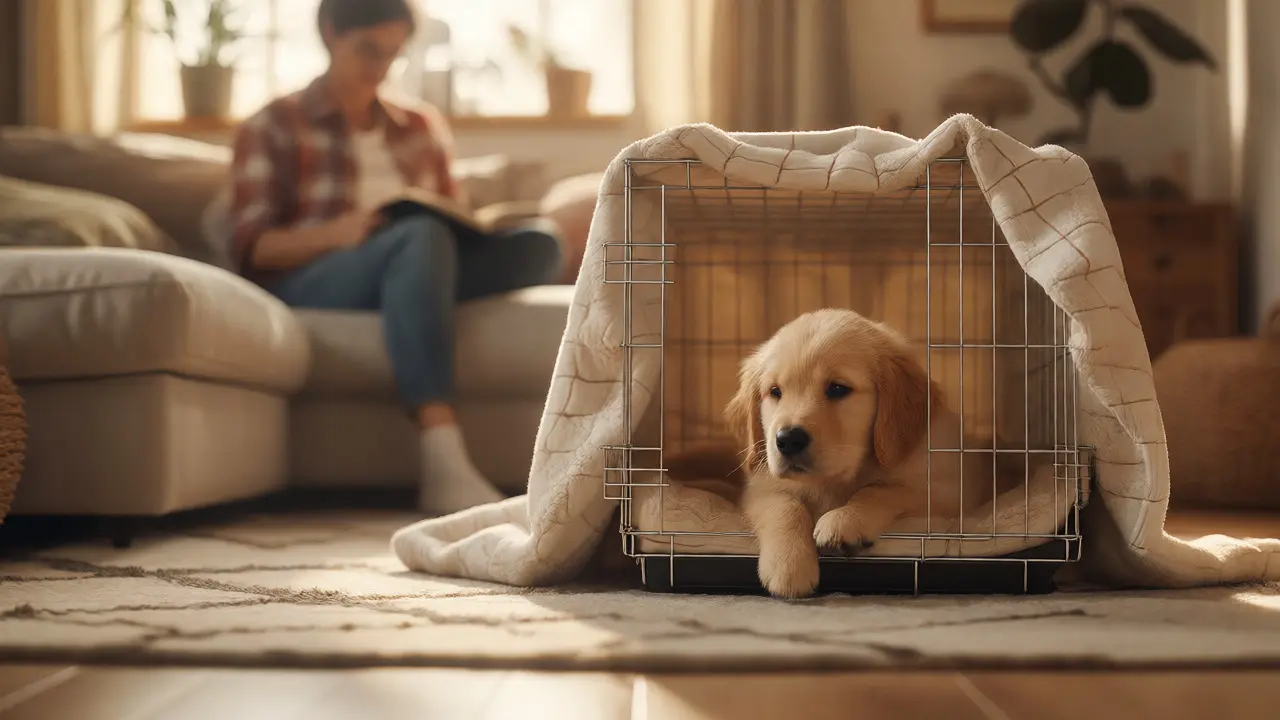
In the first seven days, keep sessions incredibly short. We are building trust, not endurance. Use a crate or a secure playpen as your safe zone. Never use these spaces as punishment. They must be associated with safety and comfort.
- Days 1-2: Place the puppy in their pen/crate while you are in the same room. Do your own thing. Ignore them unless they need potty breaks. Duration: 5-10 minutes. Repeat 3-4 times a day.
- Days 3-4: Step out of sight for 1 minute. Return calmly. No big greetings. Increase to 2-3 minutes if calm. Repeat 4 times daily.
- Days 5-7: Leave the room entirely for 5 minutes. If they settle down quickly, try 10 minutes. Keep it under 15 minutes total per session.
Notice the pattern? Short bursts. Frequent repetitions. This builds the neural pathway that says, "Human leaves, human returns, nothing bad happened."
Reading Your Puppy's Stress Signals
Dogs don't speak English, but they scream body language. You need to become fluent in canine stress signs to adjust your plan effectively. Ignoring these signals leads to setbacks.
| Stress Signal (Stop & Reduce Time) | Calm Signal (Continue or Extend Time) |
|---|---|
| Pacing in circles | Lying down comfortably |
| Whining or high-pitched barking | Sighing and settling |
| Drooling excessively | Chewing a toy slowly |
| Scratching at door/gate | Resting head on paws |
| Refusing treats | Eating treats eagerly |
If you see stress signals, do not open the crate immediately upon seeing them, or you reward the panic. Wait for a brief pause in the whining, then let them out. Better yet, end the session earlier next time. Prevention beats correction.
Tools That Help: Enrichment vs. Distraction
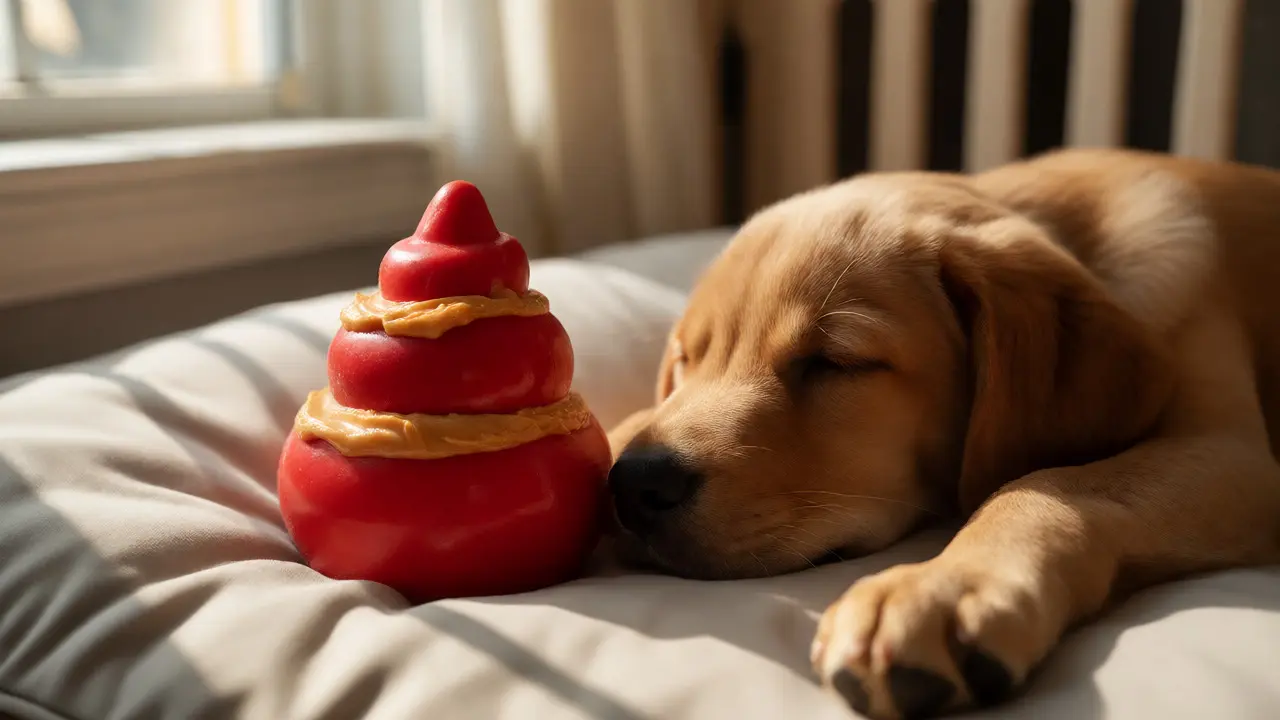
Many owners confuse distraction with enrichment. Turning on the TV or giving a rawhide bone isn't necessarily teaching independence; it's masking anxiety. True mental enrichment helps puppies self-soothe. A stuffed Kong frozen with peanut butter is great because licking releases endorphins, calming the nervous system. However, ensure the puppy learns to occupy themselves without food sometimes, too.
Try this rotation:
- Monday: Frozen Kong during alone time.
- Tuesday: No toys. Just a comfortable bed. Let them nap.
- Wednesday: A durable chew toy.
- Thursday: No toys again.
Advanced Steps: Building Duration and Distance
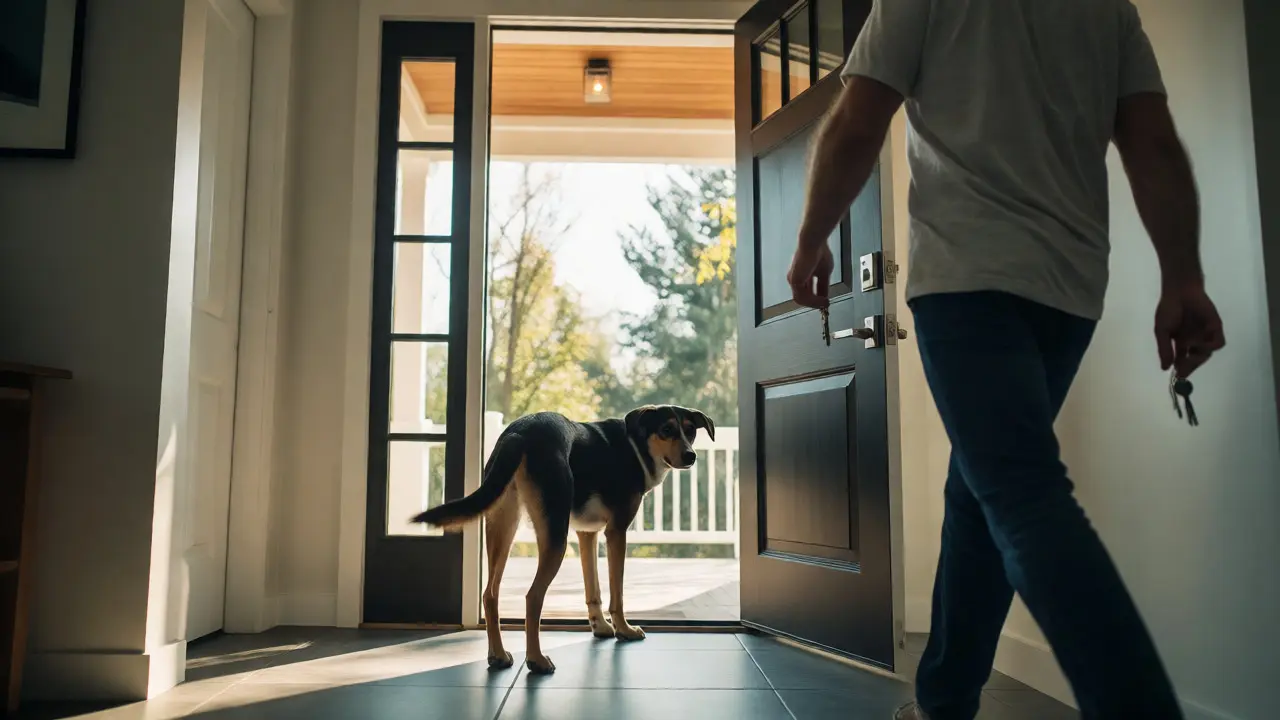
Once your puppy handles 30 minutes in their crate while you are out of sight, you can expand. This phase usually starts around week three or four, depending on the breed and individual temperament. High-energy breeds like Border Collies or Jack Russells may progress slower due to higher arousal levels.
Introduce distance gradually. Start by going to the mailbox. Then the car (engine off). Then drive around the block. Each step requires the puppy to remain calm. If they panic at the car engine sound, desensitize them separately by playing recorded car sounds at low volume while feeding treats.
A common pitfall is combining variables. Don't increase duration and distance simultaneously. If you extend alone time to two hours, stay home. If you go out for ten minutes, keep the duration short. Change one variable at a time to isolate what triggers anxiety.
Troubleshooting Common Roadblocks
Even with a perfect plan, hiccups happen. Here is how to handle the most frequent issues.
The "Cry It Out" Debate: Some trainers suggest letting puppies cry until they stop. For young puppies (under 6 months), this is risky. They lack the emotional regulation to self-soothe effectively for long periods. If crying lasts more than 5-10 minutes, intervene calmly. Do not yell. Just check if they need to pee or are uncomfortable.
Regression After Illness: If your puppy was sick or had a vet visit, their routine might shatter. Expect a temporary setback. Drop back to the previous successful duration for a few days, then rebuild. Consistency is key, but flexibility is necessary.
Weekend Warriors: Owners who work from home often neglect alone time on weekends because they are always present. This creates a "weekend gap" where the puppy thinks humans never leave. Stick to the schedule 7 days a week. Predictability reduces anxiety.
Long-Term Maintenance: Independence as a Lifestyle
Once your puppy masters basic alone time, integrate it into daily life. Send them to their mat while you cook dinner. Have them stay in a gated area while you shower. These micro-sessions reinforce the habit without feeling like formal training.
Remember, the ultimate goal is a dog that chooses to relax near you rather than clinging to you. This freedom benefits both of you. You get your space back; they gain confidence. By starting on day one, you aren't just preventing problems-you're building a resilient, adaptable companion ready for whatever life throws their way.
How long can I leave my puppy alone based on age?
A general rule of thumb is one hour of bladder control per month of age, up to a maximum of 8 hours for adult dogs. For example, a 3-month-old puppy can typically hold it for about 3 hours. However, mental tolerance for being alone is different from physical bladder capacity. Always prioritize shorter, frequent sessions for mental well-being over pushing physical limits.
Should I cover my puppy's crate with a blanket?
Covering the crate can help create a den-like atmosphere, reducing visual stimuli that might cause anxiety. Many puppies find it comforting. However, ensure there is adequate ventilation and observe your puppy's reaction. If they seem restless or try to escape the covered crate, remove the blanket. Some dogs prefer visibility, so tailor this to your specific pet's preference.
What if my puppy destroys things when left alone?
Destruction often indicates boredom or anxiety. Ensure the puppy gets sufficient exercise and mental stimulation before alone time. A tired puppy is less likely to chew furniture. If destruction persists despite proper exercise, the duration of alone time may be too long. Reduce the time significantly and rebuild gradually. Consider using a confinement area (like a playpen) instead of free-roaming the house until reliability is established.
Is it okay to leave a radio or TV on for my puppy?
Yes, background noise can mask startling outdoor sounds like traffic or sirens, which might trigger alertness or fear. Choose quiet, consistent audio like classical music or white noise. Avoid loud action movies or news channels with sudden shouting. Test different types of sound to see what calms your specific puppy best.
My puppy sleeps through the night but panics during the day. Why?
Nighttime sleeping often occurs in a crate placed in the bedroom, where the puppy can hear and smell you. Daytime alone time usually involves isolation in another room or house. The context is different. To bridge this gap, practice daytime naps in the same crate location initially, or move the crate to a quieter part of the house during the day to mimic the security of the nighttime setup.