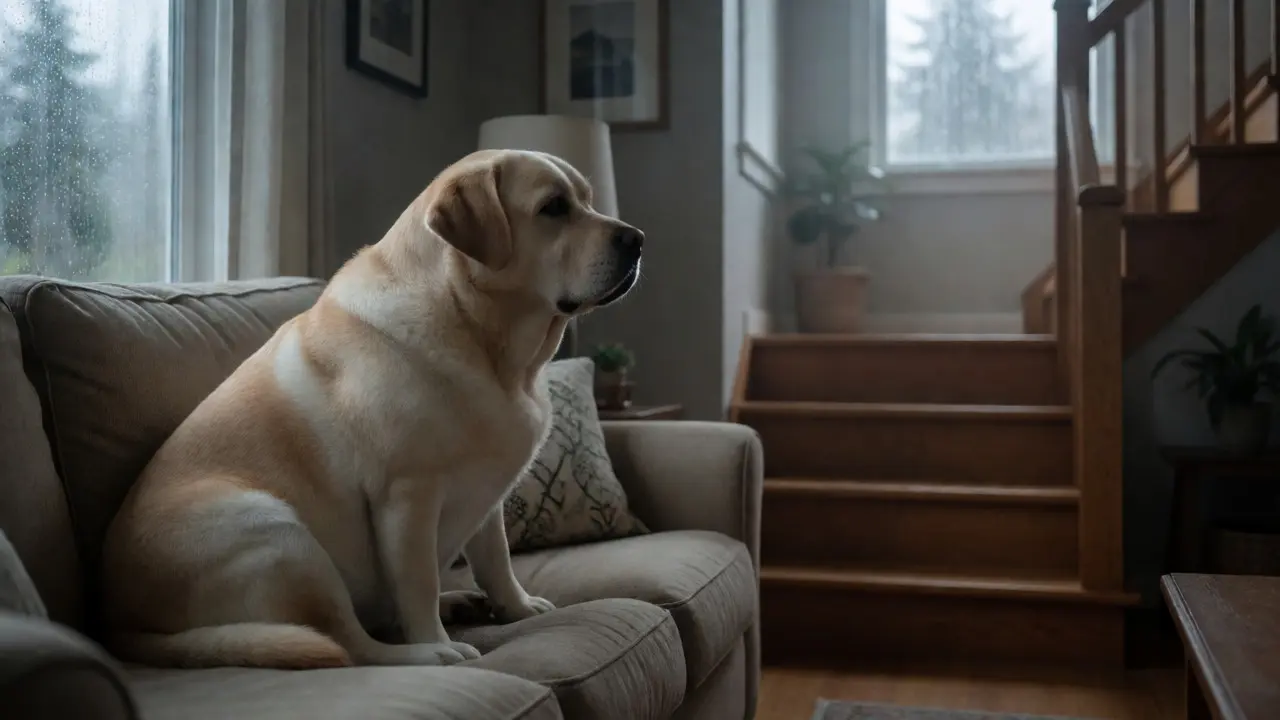
You look at your dog, then you look at the stairs, and you both sigh. It’s a familiar scene in Portland homes, especially after the rainy season keeps everyone indoors. Your pup isn’t just "chubby"; they are carrying extra pounds that strain their joints and shorten their lifespan. But here is the hard truth: you cannot treat a dog like a human who wants to run a marathon next month. If you take an overweight dog from the couch straight to a three-mile jog, you aren’t helping them. You’re risking a torn ligament or heatstroke.
The Couch-to-5K concept, originally designed for humans by Jeff Galloway, works beautifully for dogs if you adjust the timeline and intensity. For a human, this program takes nine weeks. For a dog, especially one with arthritis or low stamina, it often takes twelve to sixteen weeks. The goal isn't just to make them thinner; it's to build cardiovascular endurance safely so they can enjoy life again. This guide breaks down how to adapt that famous running plan for your four-legged friend, focusing on gradual progression rather than sudden exertion.
Why Gradual Progression Matters More for Dogs Than Humans
Humans can talk themselves through pain. We know when we are pushing too hard because our brains send clear signals. Dogs hide pain instinctively. A dog with early-stage hip dysplasia might wag their tail and keep moving even as their cartilage grinds away. If you push an overweight dog too fast, you aren't just making them tired; you are accelerating joint degradation.
Consider the biomechanics. When a dog carries excess weight, every step sends shockwaves through their skeletal structure. The Cruciate Ligament, which stabilizes the knee, is under constant stress in obese dogs. Ruptures are common. By starting slow, you allow the muscles around these joints to strengthen before adding high-impact loads. Think of it as building armor before entering battle. You need strong quadriceps and hamstrings to support the knees before you ask them to absorb the impact of jogging.
| Factor | Standard Human Plan | Canine Adaptation |
|---|---|---|
| Duration | 9 Weeks | 12-16 Weeks |
| Intensity | Jogging intervals | Brisk walking to light trotting |
| Rest Days | Optional active recovery | Mandatory full rest or gentle sniff walks |
| Heat Management | Sweating regulates temp | Panting is inefficient; strict time limits required |
| Feedback Loop | Verbal communication | Observation of gait, breathing, and eagerness |
Phase One: Building the Foundation (Weeks 1-4)
Do not start running. Not yet. The first month is about consistency and establishing a baseline. If your dog currently gets zero structured exercise, jumping into intervals is a recipe for disaster. Start with five-minute sessions. Yes, five minutes. It sounds ridiculous, but for a sedentary, 80-pound Labrador, five minutes of brisk walking is a workout.
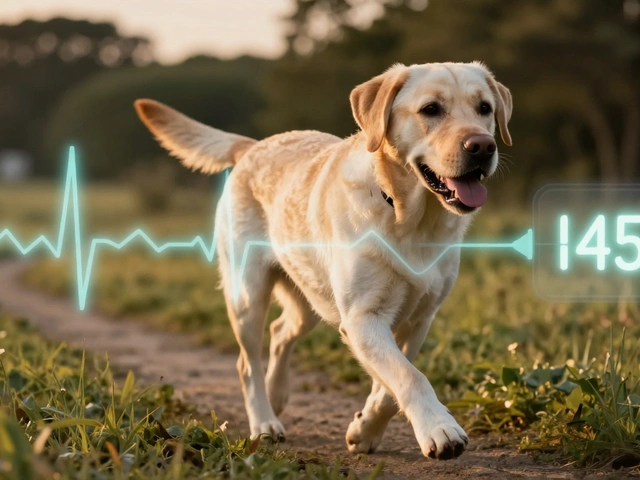
During these first four weeks, your job is to monitor their recovery rate. After a walk, count their breaths per minute. If it takes more than ten minutes for their breathing to return to normal, you pushed too hard. Cut the duration in half for the next session. You want them eager for the next walk, not dreading it.
- Week 1: Five-minute brisk walks, twice a day. Focus on keeping the pace steady, not fast.
- Week 2: Increase to seven minutes. Introduce short bursts of faster pacing (30 seconds) followed by two minutes of slow walking.
- Week 3: Ten-minute sessions. Try to maintain a consistent "power walk" speed where the dog is slightly out of breath but can still pant comfortably.
- Week 4: Twelve-minute sessions. Check their paws. If you see redness or limping, you’ve overdone it.
In Portland, rain is inevitable. Wet pavement is slippery, which increases the risk of slipping for heavy dogs. Use traction boots if necessary, or stick to grassy areas like Forest Park trails where the ground absorbs impact better than concrete sidewalks.
Phase Two: Introducing Movement Patterns (Weeks 5-8)
Once your dog can handle twenty minutes of continuous brisk walking without excessive fatigue, you can introduce movement variety. This phase mirrors the "run/walk" intervals of the original C25K but replaces running with trotting. Most dogs do not naturally jog; they either walk or sprint. Teaching them to hold a middle gear-a trot-is key to efficient calorie burning without joint trauma.
Use the "Sniff and Go" method. Allow the dog to sniff freely for two minutes (mental stimulation burns calories too), then call them to heel and trot for thirty seconds. Repeat this cycle. The mental engagement prevents boredom-induced pulling, which spikes heart rate unnecessarily.
Watch for the "second wind." Many overweight dogs will struggle initially, then suddenly perk up. This is good, but don't let them sprint. Keep the leash slack but ready. If they pull hard, stop. Wait for them to settle. This teaches impulse control, which reduces the strain on their neck and spine.
At this stage, consider the surface. Concrete heats up quickly in late summer and retains cold in winter. Asphalt is softer but rougher. Grass is ideal for joint health but can be uneven. Vary your routes to prevent repetitive strain injuries. If you notice favoring one leg, switch surfaces immediately.
Phase Three: Endurance and Strength (Weeks 9-12+)
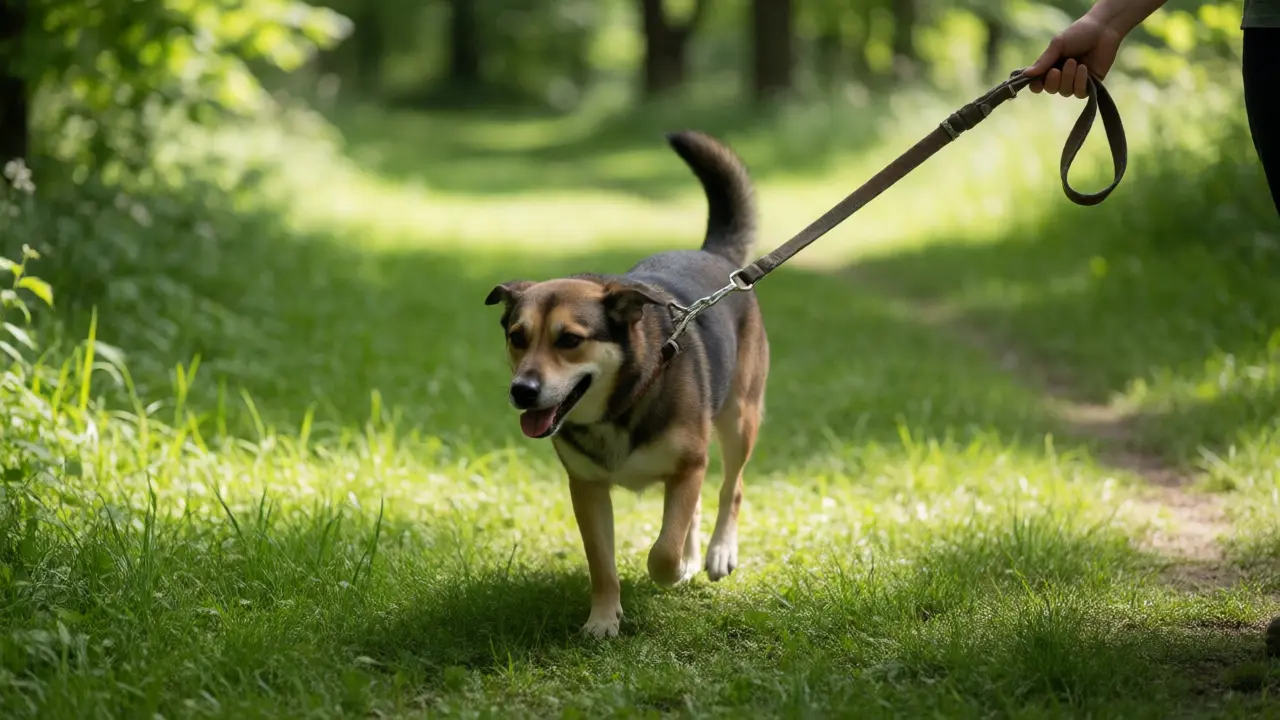
By week nine, your dog should be capable of thirty-minute outings. Now you can increase distance rather than speed. The goal shifts from conditioning to endurance. In the human C25K, you aim for a 5K run. For a dog, a "5K" equivalent is roughly 30 to 45 minutes of moderate activity, depending on breed size and metabolism.
Add inclines. Walking uphill engages different muscle groups, specifically the glutes and hindquarters, which are crucial for supporting a heavier frame. Avoid steep hills initially; a slight grade is enough. Downhill walking is actually harder on joints than uphill because gravity adds load to the front legs. Keep downhill sections short and controlled.
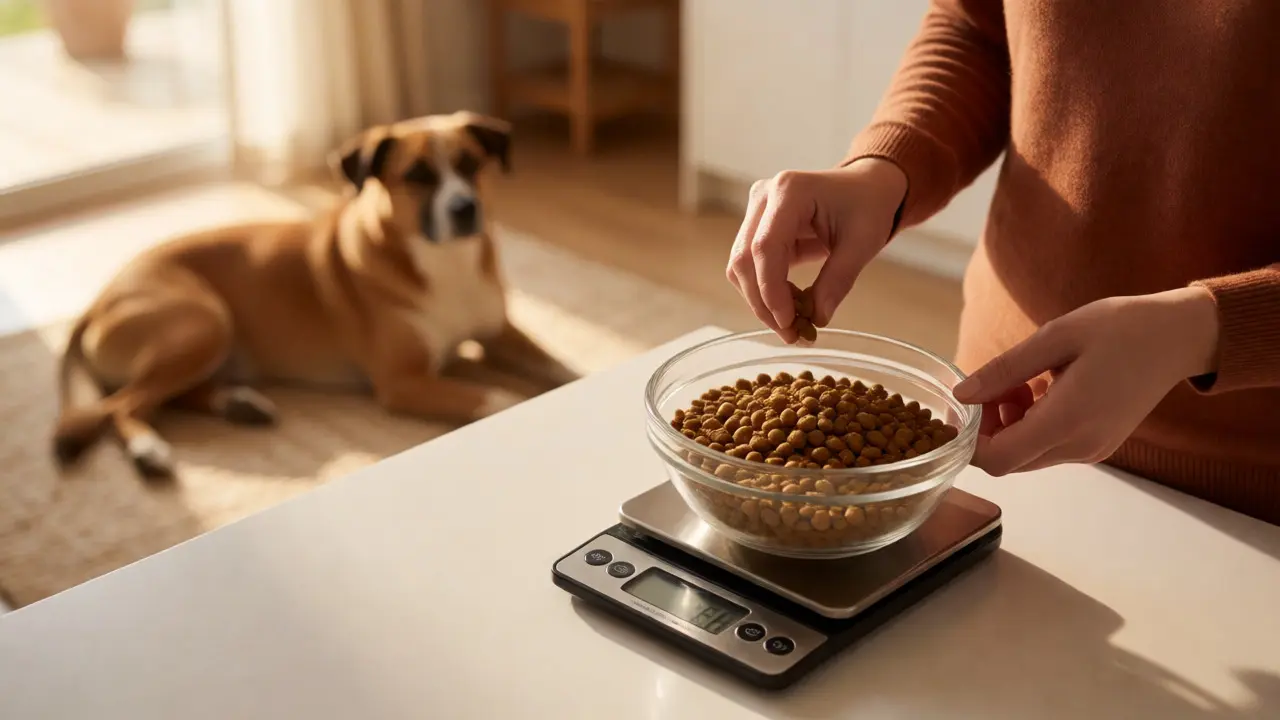
This is also when you evaluate diet. Exercise alone rarely fixes obesity in dogs. According to the Association for Pet Obesity Prevention, nearly 60% of pets in the US are overweight. You cannot outrun a bad diet. Review their portion sizes. Are you measuring kibble with a cup, or eyeballing it? Eyeballing leads to overfeeding. Switch to a scale. Weigh the food. It’s boring, but it works.
Reading Your Dog’s Body Language
Your dog won’t tell you when they are injured. They will lie to you. Here is what to watch for during and after exercise:
- Excessive Panting: Normal panting cools them down. Heavy, loud panting with a wide-open mouth indicates overheating or extreme distress. Stop immediately.
- Limping: Subtle limping may only appear after the dog has warmed up and cooled down. Watch them get up from a nap. If they hesitate or shift weight, check for swelling.
- Reluctance to Move: If your dog usually jumps on the couch but now uses the steps, something hurts. Do not force them to jump.
- Bright Red Gums: Pale gums suggest poor circulation; bright brick-red gums suggest overheating. Both require immediate veterinary attention.
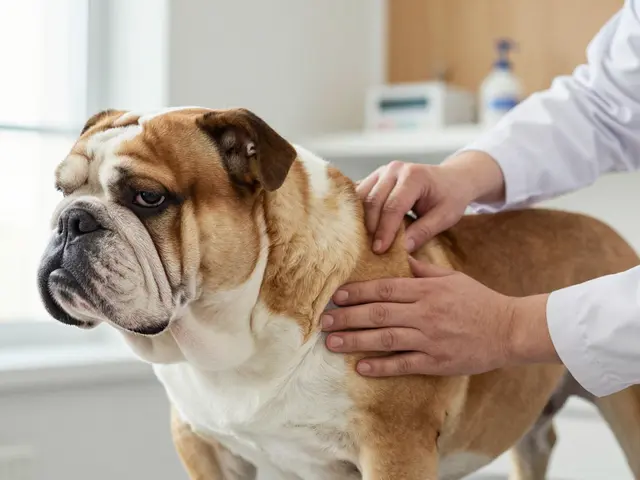
Remember, brachycephalic breeds (Pugs, Bulldogs, Frenchies) have restricted airways. They cannot cool themselves efficiently. For these dogs, the "Couch-to-5K" plan must be slower, shorter, and strictly limited to cooler parts of the day. A fifteen-minute walk in 75-degree weather might be their limit.
Nutrition Synergy: Pairing Exercise with Diet
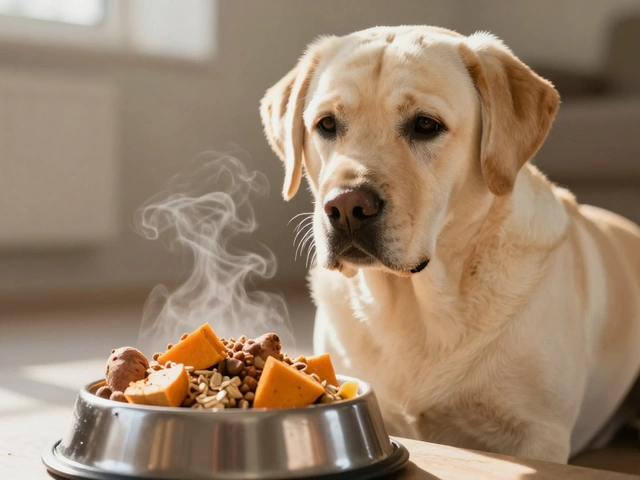
Increasing exercise often triggers increased hunger. If you feed them more because they worked out, you negate the effort. Stick to the same caloric intake unless a vet advises otherwise. However, timing matters. Feed the main meal after the long walk, not before. Exercising on a full stomach increases the risk of bloat, especially in deep-chested breeds like Great Danes or German Shepherds.
Supplements can help. Glucosamine and Chondroitin are popular for joint support, though scientific evidence varies. Omega-3 fatty acids, found in fish oil, have stronger backing for reducing inflammation. Consult your veterinarian before adding anything new. They can perform a blood panel to ensure your dog’s liver and kidneys can handle dietary changes.
Troubleshooting Common Roadblocks
You will hit plateaus. Your dog might lose interest, gain back weight, or suffer a minor injury. Here is how to handle the most common issues:
The Weather Wall: Portland winters are wet and gray. Dogs hate getting wet paws. Invest in waterproof booties. If the rain is torrential, indoor play counts. Flirt poles (a toy on a string) provide excellent cardio in small spaces. Just avoid high-jumping activities for heavy dogs.
The Social Distraction: Your dog sees another dog and pulls like crazy. Heart rate spikes, form breaks. Practice loose-leash walking in low-distraction environments first. Reward calm behavior heavily. If they pull, stop. Consistency beats intensity.
The Owner Burnout: Let’s be honest, you might get bored too. Join a local dog hiking group. Accountability helps. Or hire a dog walker for midday breaks to keep activity levels high while you focus on evening training sessions.
Transforming your dog’s health is a marathon, not a sprint. The Couch-to-5K approach works because it respects biology. It builds strength, protects joints, and creates habits that last. Start today with five minutes. Tomorrow, do it again. Next month, you’ll both feel lighter, stronger, and happier.
How long does it take for an overweight dog to lose weight?
Safe weight loss for dogs is typically 1-2% of body weight per week. For a 50-pound dog, this means losing 0.5 to 1 pound weekly. Rapid weight loss can cause liver issues, especially in cats, but is also risky for dogs. Patience is essential; expect 3-6 months for significant results.
Can I run with my overweight dog?
Not initially. Running places high impact on joints. Start with brisk walking. Only introduce jogging once the dog has lost some weight and built muscle strength, usually after 8-12 weeks of consistent walking. Always consult your vet first.
What are signs my dog is exercising too much?
Look for limping, reluctance to move, excessive panting that doesn't subside, or sleeping significantly more than usual. If your dog refuses to go for a walk, they are likely sore or exhausted. Scale back the intensity immediately.
Is swimming better than walking for overweight dogs?
Yes, swimming is excellent for overweight dogs because it provides resistance without joint impact. It’s ideal for dogs with arthritis. However, it requires access to safe water and supervision. Combine swimming with walking for balanced conditioning.
Do treats ruin a dog weight loss plan?
Treats can add hidden calories. Use low-calorie options like green beans, carrots, or commercial low-cal treats. Ensure treats make up no more than 10% of daily caloric intake. Factor them into the total daily food amount.