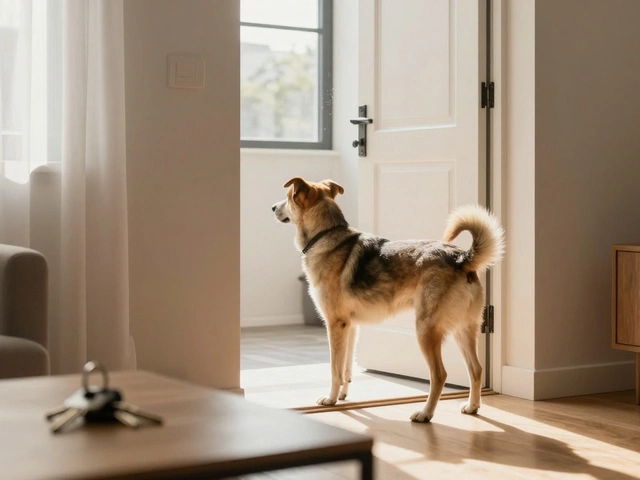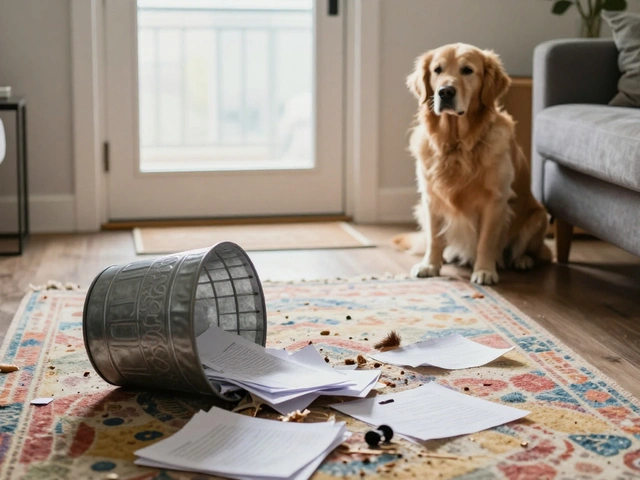
It is 8:15 AM on a Tuesday. You have just stepped out the door for work, and within thirty seconds, your phone buzzes. It’s a text from your downstairs neighbor, Karen. "Is everything okay? Your dog sounds like he’s being attacked." You feel that familiar knot in your stomach. This isn’t just about a noisy pet; it’s about the stress of living in close quarters with a dog who panics when left alone. If you live in an apartment and own a dog with separation anxiety, you are walking a tightrope between your pet’s mental health and your relationship with the people around you.
This problem is growing. Urbanization has led to more people keeping dogs in smaller spaces, and post-pandemic lifestyle shifts have left many pets struggling with sudden changes in routine. The good news? You don’t need to move to a house with a yard to fix this. With the right strategies, you can help your dog cope while keeping the peace with your neighbors. Here is how to manage separation anxiety in an apartment setting without becoming the building’s nuisance.
Understanding the Noise Problem
Before you start training, you need to understand what your neighbors are actually hearing. Separation anxiety manifests in specific ways that travel easily through thin apartment walls and floors. It’s not just barking. It includes whining, howling, scratching at doors, and even destructive chewing that creates sharp, rhythmic noises.
| Behavior | Sound Profile | Neighbor Impact |
|---|---|---|
| Vocalizing (Barking/Howling) | High-pitched, repetitive | High - travels vertically and horizontally |
| Scratching/Pacing | Rhythmic thumping or scraping | Medium - heard clearly by downstairs neighbors |
| Destructive Chewing | Crunching, snapping | Low-Medium - intermittent but alarming |
The key insight here is timing. Most separation anxiety episodes peak within the first 30 minutes after you leave. This is the window where your neighbors are most likely to complain. Understanding this timeline helps you structure your morning routine and communicate effectively with those around you.
The Pre-Departure Protocol
Your goal is to make leaving the house as boring as possible. When you have separation anxiety, departures are often dramatic. You hug your dog, say goodbye, grab your keys, and walk out. To your dog, this sequence signals panic. You need to break that association.
- Desensitize the Triggers: Pick up your keys and sit back down. Put them down. Do this throughout the day. Make the sound of keys jingling meaningless.
- Ignore the Exit: Leave without fanfare. No eye contact, no petting, no "be a good boy." Just slip out the door calmly.
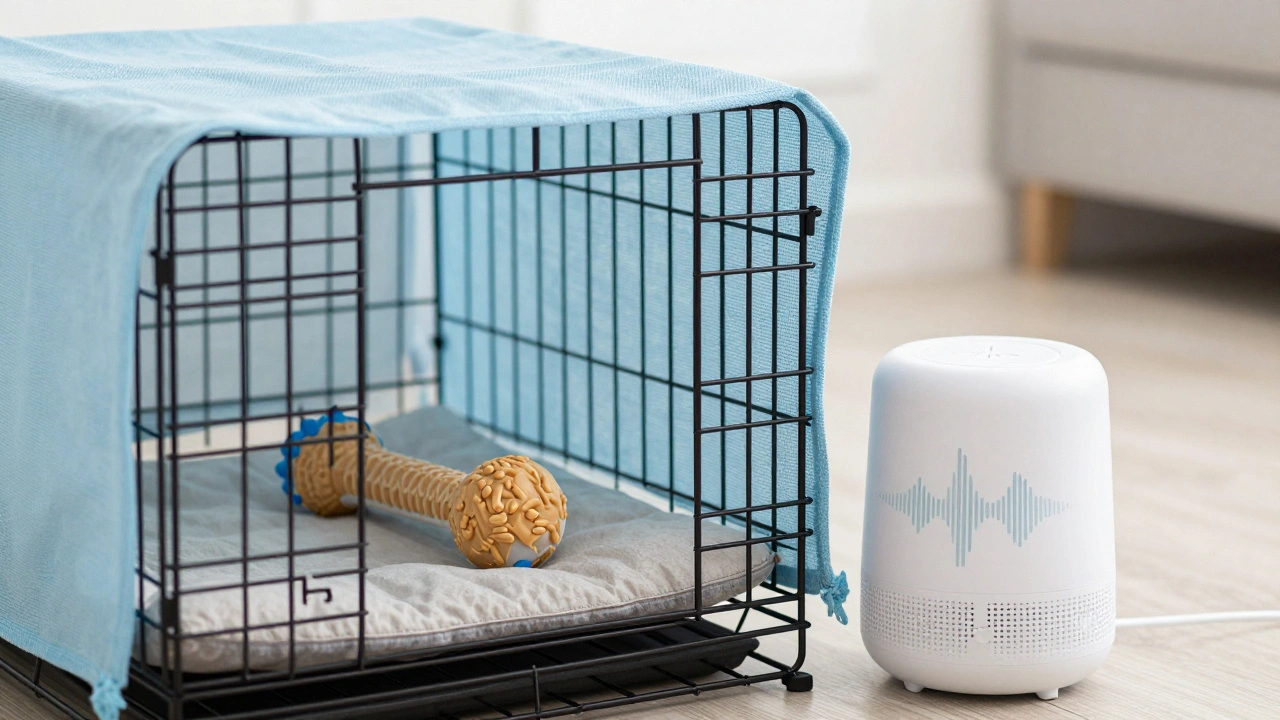
- Create a Safe Zone: Use a crate or a specific room if your dog is crate-trained. If not, use baby gates to restrict access to high-traffic areas. Provide a long-lasting chew toy, like a frozen Kong, only when you leave. This creates a positive association: you leave = I get a treat.
This protocol takes time. Start with short absences-five minutes, then ten, then thirty. Only increase the duration when your dog remains calm during the shorter periods. Rushing this process will reinforce the anxiety.
Technology as a Mediator
In an apartment, you cannot always see what your dog is doing. Technology bridges this gap and provides tools to soothe your pet remotely. These aren’t gimmicks; they are essential management tools for urban dog owners.
- Smart Cameras: Devices like Furbo or Ring Indoor Cam allow you to monitor your dog’s behavior. More importantly, many feature two-way audio. If your dog starts whining, you can speak calmly to reassure them. However, be careful not to overuse this, as it can create dependency.
- White Noise Machines: Apartment walls are thin. A white noise machine or a fan running in your dog’s area masks outside sounds that might trigger anxiety and dampens the sound of your dog’s vocalizations, making them less noticeable to neighbors.
- Automatic Treat Dispensers: Some smart cameras can dispense treats remotely. This can interrupt a panic spiral by redirecting your dog’s attention to food.
Using these tools requires discipline. Don’t check the camera every five minutes. Check it at set intervals to avoid reinforcing your own anxiety about your dog’s well-being.
Managing Neighbor Relations
This is the part most dog owners ignore, but it is critical for apartment living. Proactive communication prevents resentment. Waiting for a complaint to arrive under your door is a losing strategy.
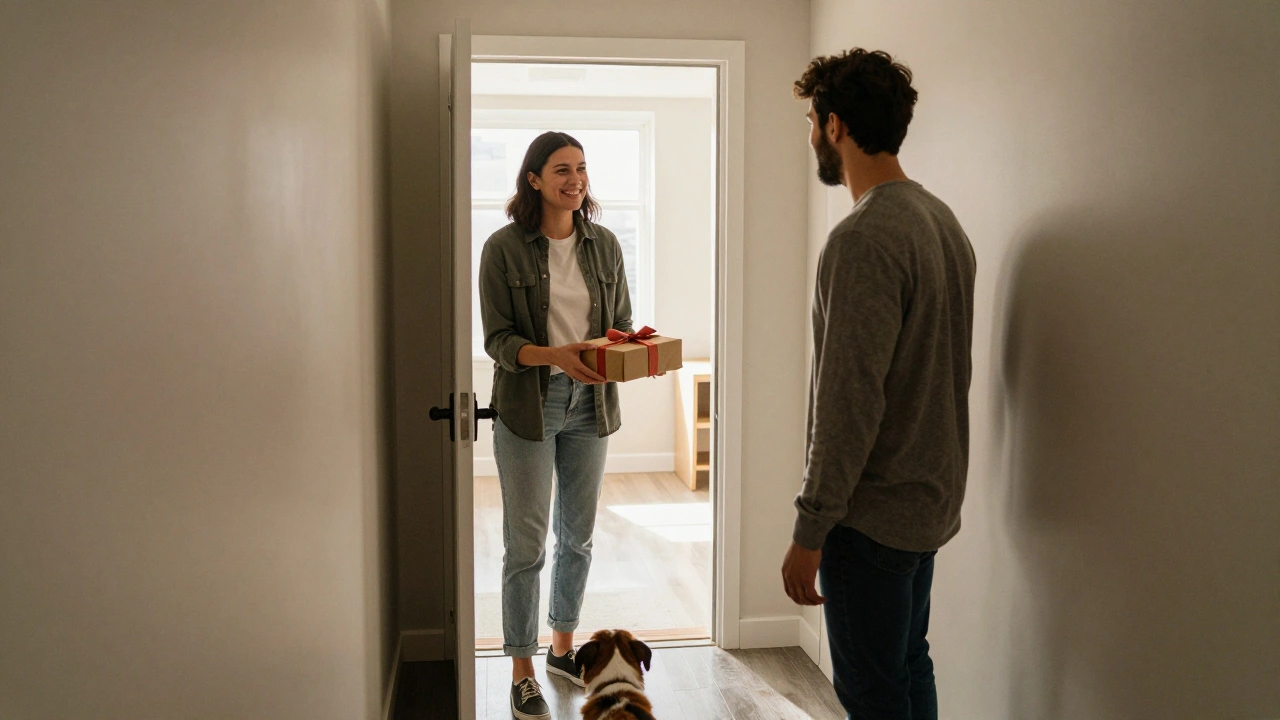
Introduce yourself to your immediate neighbors-above, below, and beside you. Bring a small gift, like homemade cookies or a bottle of wine, and explain your situation. "I’m working on training my dog, Max, who gets anxious when I leave. I’m using [specific method], but if he does bark, please text me so I can address it immediately."
Giving them your number empowers them to reach out directly rather than calling building management or filing a formal noise complaint. Most people are reasonable if they feel respected and informed. Acknowledge their inconvenience and assure them you are taking active steps to resolve it.
Physical and Mental Exhaustion
A tired dog is a calm dog. But in an apartment, "tired" doesn’t just mean physical exercise. It means mental stimulation. A twenty-minute walk might burn off some energy, but it won’t satisfy a bored mind.
Incorporate scent work into your daily routine. Hide treats around your apartment and let your dog sniff them out. Use puzzle toys that require problem-solving to get food. These activities engage your dog’s brain, which is far more exhausting than running laps. Aim for 15-20 minutes of intense mental stimulation before you leave for work. This could be a training session, a snuffle mat, or a flirt pole game in the hallway (if allowed) or nearby park.
When to Seek Professional Help
Sometimes, home strategies aren’t enough. If your dog shows signs of self-harm, destroys property repeatedly, or if the anxiety persists despite consistent training, you may need professional intervention. Look for a certified applied animal behaviorist (CAAB) or a veterinary behaviorist. They can assess whether medication is necessary. Drugs like fluoxetine or trazodone can lower the threshold for anxiety, making training more effective. This is not a failure on your part; it’s a medical approach to a behavioral issue.
Living with a dog with separation anxiety in an apartment is challenging, but it is manageable. By combining desensitization techniques, technology, proactive neighbor communication, and mental enrichment, you can create a peaceful environment for everyone involved. Remember, progress is measured in small steps, not overnight miracles.
How long does it take to cure separation anxiety in an apartment dog?
There is no fixed timeline, but most dogs show significant improvement within 4 to 6 weeks of consistent training. Severe cases may take several months. Consistency is key; skipping days or rushing the process can reset progress.
Should I use a crate for a dog with separation anxiety?
Only if the dog is already crate-trained and views the crate as a safe space. Forcing a panicked dog into a crate can worsen anxiety and lead to destructive behavior. If the dog is not crate-trained, start with a gated area instead.
What should I do if my neighbor complains about my dog barking?
Respond immediately and apologetically. Thank them for letting you know, explain the steps you are taking to address the issue, and ask for patience. Offering a small gesture of goodwill, like a coffee gift card, can help maintain a positive relationship.
Can music help reduce separation anxiety in dogs?
Yes, studies suggest that classical music or specifically designed dog calming music can lower heart rates and reduce stress. Play it at a low volume while you are away to mask outside noises and provide a soothing background.
Is it better to hire a dog walker or leave my dog alone?
If your dog has severe separation anxiety, leaving them alone for extended periods is counterproductive. Hiring a dog walker or daycare service to break up the day can prevent panic episodes. As training progresses, you can gradually increase alone time.