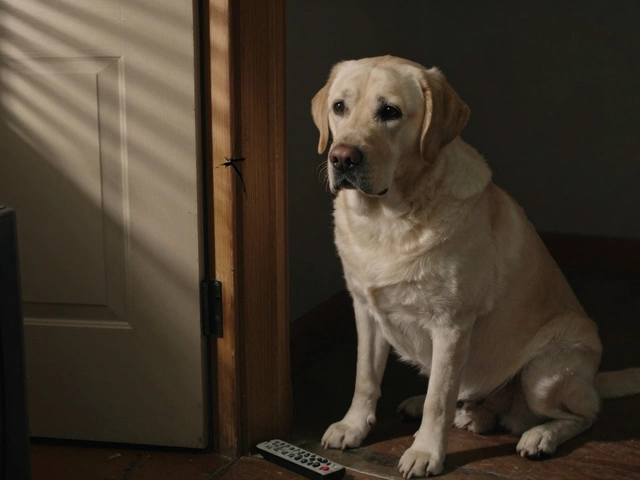
Does your dog panic when you pick up your keys? Do they pace the hallway, whine, or destroy furniture the moment you step out the door? You are not alone. Separation anxiety affects millions of dogs, and it is one of the most stressful conditions for both pets and their owners. The good news is that you can help. By creating a dedicated safe space for your anxious dog, you give them a physical anchor for calmness. This isn't just about buying a fancy bed; it is about engineering an environment that signals safety to your dog's nervous system.
Understanding Canine Anxiety and the Need for Security
To build a solution, we first need to understand the problem. Dogs are pack animals. In the wild, being separated from the group meant danger. When your dog experiences separation anxiety, their brain triggers a fight-or-flight response. Their heart rate spikes, cortisol levels rise, and they feel genuine terror. A safe space works by interrupting this cycle. It provides a den-like environment where the dog feels protected from perceived threats.
Think of it like a child’s blanket or a weighted vest for humans. These items provide deep pressure stimulation or familiar scents that lower physiological arousal. For a dog, this might be a crate, a specific corner of the living room, or a covered bed. The goal is to create a zone where the dog associates solitude with comfort rather than fear. Without this designated area, an anxious dog often roams the house, looking for exits or sources of stress, which exacerbates their panic.
Why do dogs need a specific safe space?
Dogs are den animals by nature. A confined, cozy space mimics a natural den, triggering instinctual feelings of security. For anxious dogs, this reduces the urge to roam and patrol, lowering overall stress levels.
Choosing the Right Location for the Safe Zone
Where you place the safe space matters as much as what you put in it. Many owners make the mistake of isolating the dog in a basement or garage. While quiet, these areas can feel lonely and cold. Instead, look for a spot that balances tranquility with connection. The ideal location is near the main living area but removed from high-traffic zones like the front door or the kitchen sink.
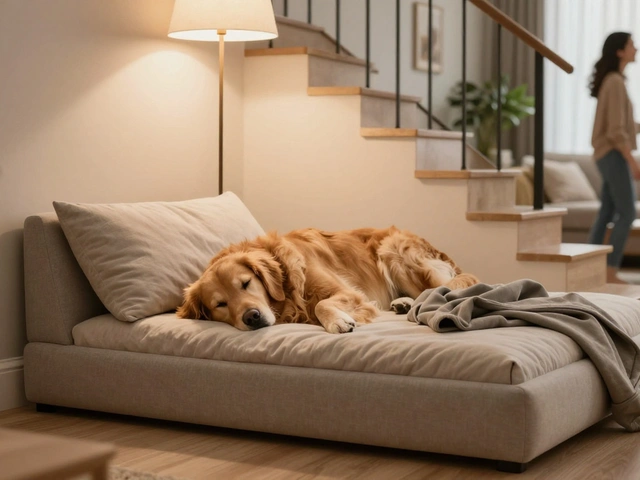
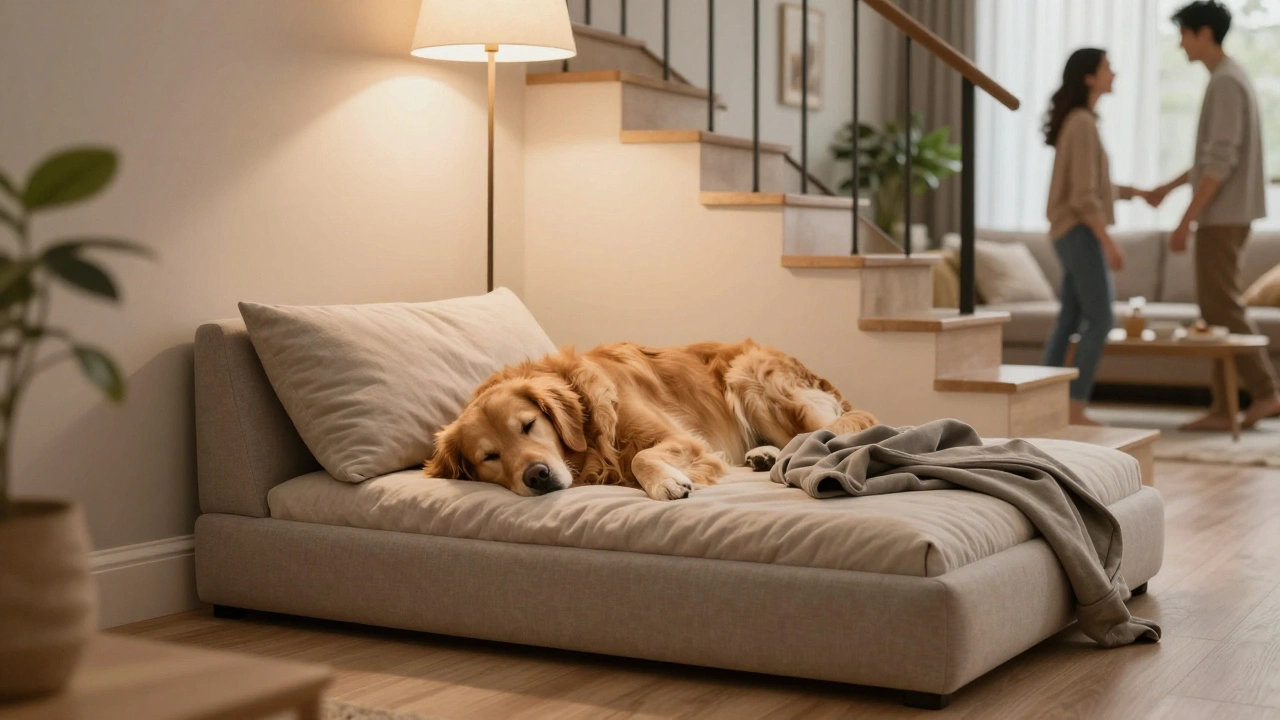
Consider the acoustics of your home. If your dog is sensitive to loud noises, avoid placing the safe space next to the washing machine or the TV. Look for a corner with two walls behind it; this gives the dog a sense of enclosure and protection. Avoid open spaces where the dog feels exposed on all sides. A nook under a staircase or a alcove in the living room often works well because it offers visual barriers while still allowing the dog to see family members moving around.
You also need to consider temperature and light. Dogs regulate body heat differently than humans. Ensure the area is free from direct drafts in winter and excessive sunlight in summer. Natural light is good, but harsh glare can be overstimulating. Soft, ambient lighting helps maintain a calm atmosphere throughout the day.
Essential Elements of a Calming Environment
Once you have chosen the location, you need to furnish it correctly. The core components of a successful safe space include comfort, scent, and sound control. Start with bedding. Standard flat mats are often insufficient for anxious dogs. Opt for orthopedic foam beds that support joints and reduce pressure points. Elevated bolsters or cave-style beds provide additional psychological security by surrounding the dog with soft edges.
Scent is a powerful tool in canine psychology. Dogs process smell through the limbic system, which controls emotion. Place an item with your scent in the safe space. An unwashed t-shirt or a worn hoodie works perfectly. This familiar smell reassures the dog that you are nearby, even when you are not. Some owners use synthetic pheromone diffusers, such as Adaptil, which mimic the calming pheromones produced by nursing mother dogs. These can significantly reduce signs of stress in many breeds.
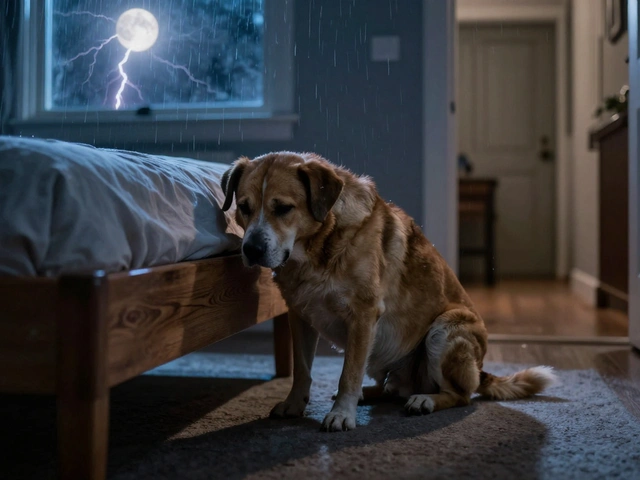
Sound management is the third pillar. White noise machines or fans can mask outside disturbances like thunderstorms or traffic. Classical music or specially designed reggae playlists, known as "Through a Dog's Ear," have been shown to lower heart rates in shelter dogs. Keep the volume low; the goal is background ambiance, not entertainment.
| Bed Type | Best For | Pros | Cons |
|---|---|---|---|
| Cave Bed | Dogs who seek enclosure | High security feeling, blocks light | Can retain heat, hard to clean |
| Bolster Bed | Dogs who lean against things | Supports head and neck, cozy | Takes up more floor space |
| Orthopedic Flat Mat | Older dogs or those with joint pain | Easy to wash, durable | Less psychological enclosure |
Incorporating Crate Training into the Safe Space Strategy
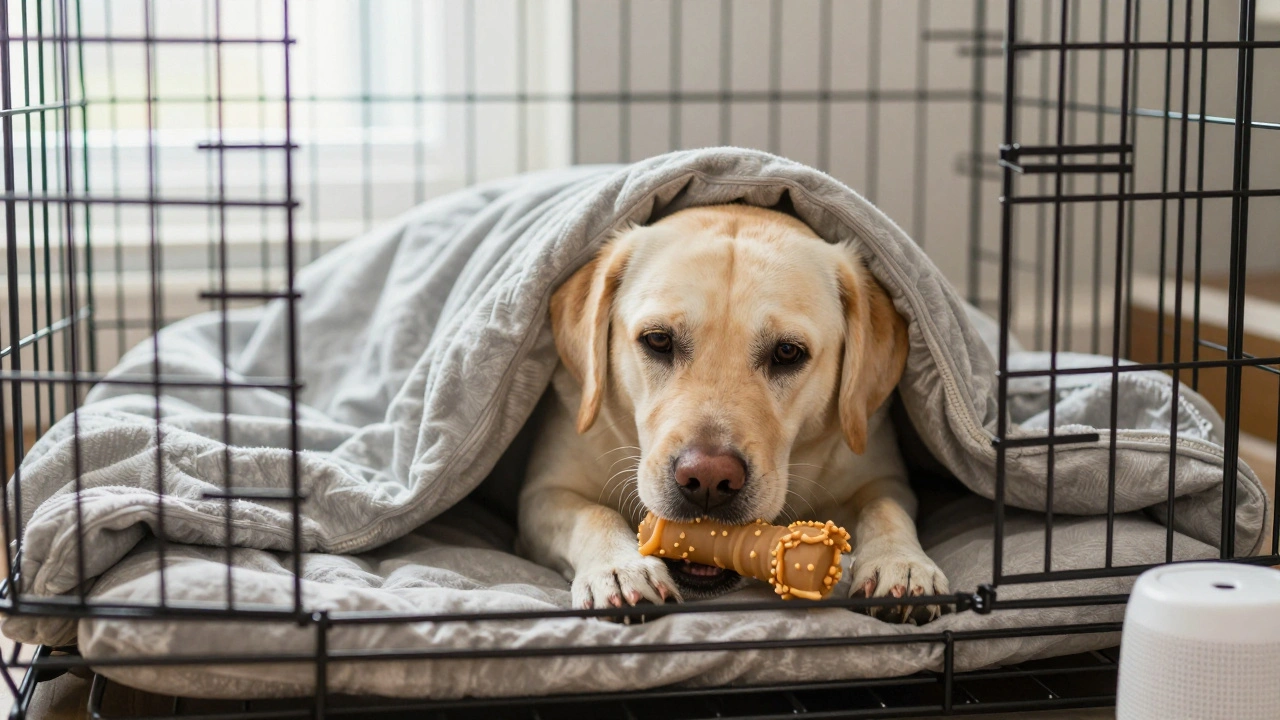
For many dogs, a crate is the ultimate safe space. However, if your dog has negative associations with crating, forcing them inside will backfire. Crate training must be gradual and positive. Start by leaving the crate door open and tossing high-value treats inside. Let the dog explore voluntarily. Never use the crate as punishment.
As the dog becomes comfortable entering, begin closing the door for short periods while you are present. Gradually increase the duration and then introduce brief absences. Covering the crate with a breathable blanket can enhance the den effect, making it darker and quieter. Ensure the crate is large enough for the dog to stand, turn around, and lie down comfortably, but not so large that they can use one end as a bathroom.
If your dog is too large for a standard crate, consider a playpen or a gated-off section of a room. The principle remains the same: defined boundaries create predictability, which reduces anxiety. Consistency is key. Use the safe space every day, not just when you leave. Feed meals there, give chew toys there, and relax there. This builds a strong positive association.
Enrichment Tools to Distract and Soothe
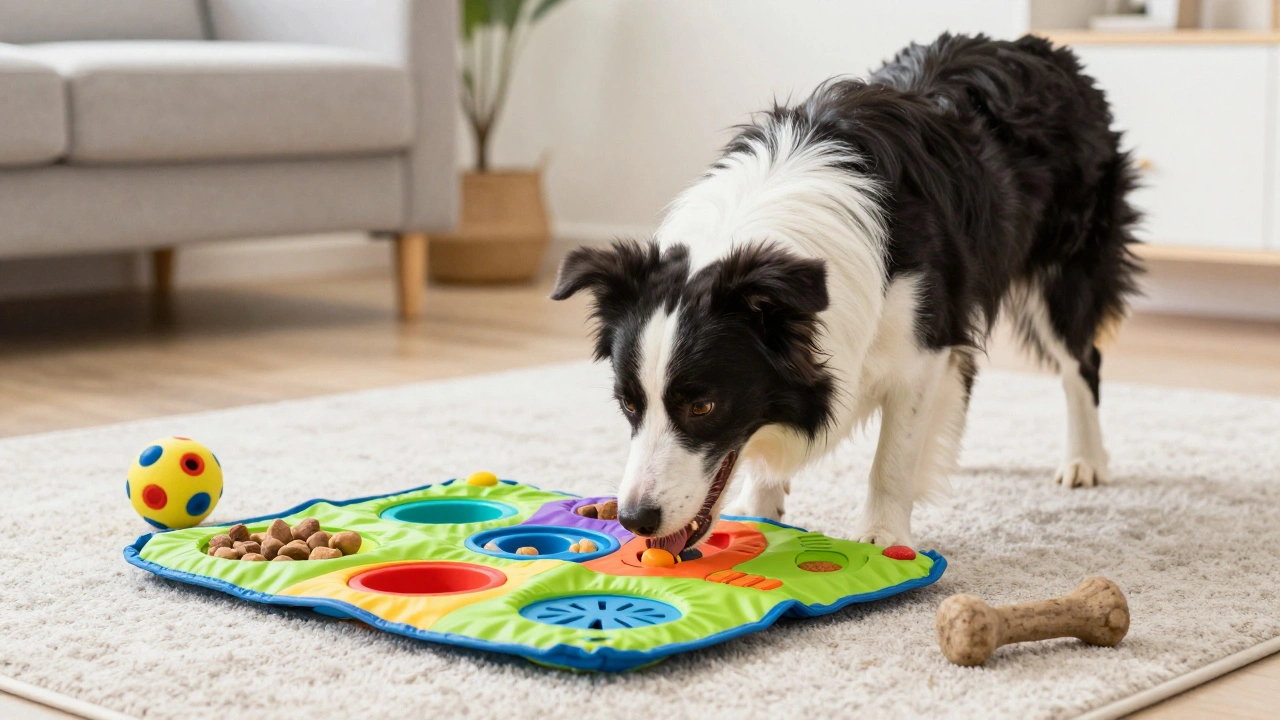
A bored dog is an anxious dog. Mental stimulation is crucial for managing separation anxiety. Incorporate enrichment tools into the safe space routine. Puzzle feeders and lick mats require focus and time, which distracts the dog from your departure. Fill a Kong toy with peanut butter and freeze it overnight. This creates a long-lasting challenge that keeps the dog occupied for hours.
Chewing is naturally soothing for dogs. It releases endorphins and lowers blood pressure. Provide appropriate chew bones or rubber toys specifically in the safe space. Rotate these items to keep interest high. If the dog only gets these special toys when they are in their safe zone, they will start to view the area as a place of reward and relaxation.
Interactive toys that dispense treats slowly can also be effective. They encourage natural foraging behaviors and prevent the dog from fixating on the door. Remember to supervise initially to ensure the dog does not destroy the toy and ingest parts of it. Safety always comes first.
Establishing a Predictable Routine
Anxiety thrives on uncertainty. Dogs feel safer when they know what to expect. Establish a consistent pre-departure and post-return routine. Avoid making a big fuss when you leave or come home. High-energy greetings reinforce the idea that separations are significant events. Instead, stay calm and quiet. Ignore the dog for a few minutes before you leave and after you return.
Create a "safe space cue." This could be a specific phrase like "go to your spot" or a hand signal. Practice this command when you are not leaving, rewarding the dog for going to their safe zone. Over time, this cue will trigger a calming response automatically. Pair this with a predictable schedule for feeding, walking, and playtime. Regular exercise burns off excess energy that might otherwise fuel anxiety.
Practice short departures. Step out the door for ten seconds, then return. Gradually extend this to minutes, then hours. Always wait until the dog is calm before re-entering. If they are barking or panicking, you left too soon. Reset and try a shorter duration. This desensitization process teaches the dog that you always come back and that being alone is manageable.
When to Seek Professional Help
While environmental changes and training can help mild to moderate anxiety, severe cases may require professional intervention. If your dog self-harms, destroys property extensively, or shows signs of extreme distress like continuous vomiting or diarrhea, consult a veterinarian. Rule out medical issues first, as pain can manifest as behavioral problems.
Your vet may recommend medication to lower the baseline anxiety level, making training more effective. Medication is not a failure; it is a tool. Combined with behavior modification, it can give your dog the chance to learn new coping mechanisms. Certified professional dog trainers or veterinary behaviorists can provide personalized plans tailored to your dog's specific triggers and history.
Patient consistency is vital. Progress may be slow, and setbacks are normal. Celebrate small victories, like five minutes of calm silence. Building a safe space is an ongoing project, not a one-time fix. With time, love, and the right environment, your anxious dog can find peace at home.
How long does it take to train a dog to use a safe space?
It varies by dog, but typically 4 to 8 weeks of consistent daily practice. Some dogs adapt quickly, while others with deep-seated trauma may take several months. Patience and positive reinforcement are essential.
Should I cover my dog's crate?
Yes, covering the crate with a light blanket can create a den-like atmosphere, reducing visual stimuli and helping the dog feel more secure. Ensure proper ventilation and monitor the temperature.
What are the best toys for separation anxiety?
Long-lasting chew toys like frozen Kongs, puzzle feeders, and treat-dispensing balls are best. They engage the dog mentally and physically, distracting them from the owner's absence.
Can music help reduce dog anxiety?
Yes, studies show that classical music and specific reggae playlists can lower heart rates and reduce stress behaviors in dogs. White noise is also effective for masking outside sounds.
Is it cruel to leave a dog alone with separation anxiety?
Leaving a severely anxious dog alone without treatment can cause suffering. However, with proper training, a safe space, and potentially medication, dogs can learn to cope. Immediate professional help is recommended for severe cases.