The Quick Truth About Separation Anxiety
- Solo training is for building independence; daycare is for reducing overall stress.
- Dog sitters provide a 'bridge' of safety for dogs who can't handle an empty house.
- Socialization reduces the 'panic threshold' by tiring the dog physically and mentally.
- Over-reliance on daycare can backfire if not balanced with home-alone practice.
Understanding the Panic Loop
Before we look at solutions, we need to understand what's actually happening. Separation Anxiety is a psychological distress experienced by dogs when separated from their primary attachment figure. It's not boredom; it's a panic attack. When a dog is in this state, the prefrontal cortex-the part of the brain that remembers "Mom always comes back"-essentially shuts down. They aren't thinking about the treats you left on the counter; they are in survival mode.
This is why traditional training often fails during a crisis. You can't teach a dog to "stay calm" while they are actively hyperventilating. This is where external support systems like Dog Daycare is a supervised facility where dogs spend the day interacting with other dogs and staff. By shifting the environment, you remove the trigger (the empty house) and replace it with high-value stimulation.
When to Swap Solo Training for Human Company
I've seen owners spend six months on "door-opening" drills only to have their dog relapse the moment they go back to a full-time office job. There is a point of diminishing returns with solo training. If your dog is injuring themselves-chewing through door frames or scratching their paws raw-you have moved past the "training" phase and into the "crisis" phase. At this stage, the priority isn't teaching them to be alone; it's keeping them safe.
A Dog Sitter, specifically a professional caregiver who provides one-on-one attention and routine maintenance in a home setting, can be a game-changer. Unlike a daycare, a sitter provides a controlled environment. For a dog with severe anxiety, the chaos of a daycare might actually spike their stress, whereas a sitter provides the calm, consistent human presence needed to lower their cortisol levels.
| Feature | Solo Training | Dog Daycare | Professional Sitter |
|---|---|---|---|
| Primary Goal | Independence | Socialization/Energy Burn | Stability/Security |
| Stress Level | High (Initial) | Moderate to High | Low to Moderate |
| Cost | Low/Free | Moderate (Daily) | High (Per visit/day) |
| Best For | Mild anxiety | High-energy dogs | Severe panic/Senior dogs |
The Science of the 'Tired Dog' Effect
Ever notice how a dog who has spent three hours chasing a ball is much more likely to sleep through your dinner party? This is because of Canine Socialization, which the process of exposing a dog to various people, animals, and environments to improve behavior. When a dog engages in play, their brain releases endorphins and dopamine. This biochemical shift makes it significantly easier for them to settle down later.
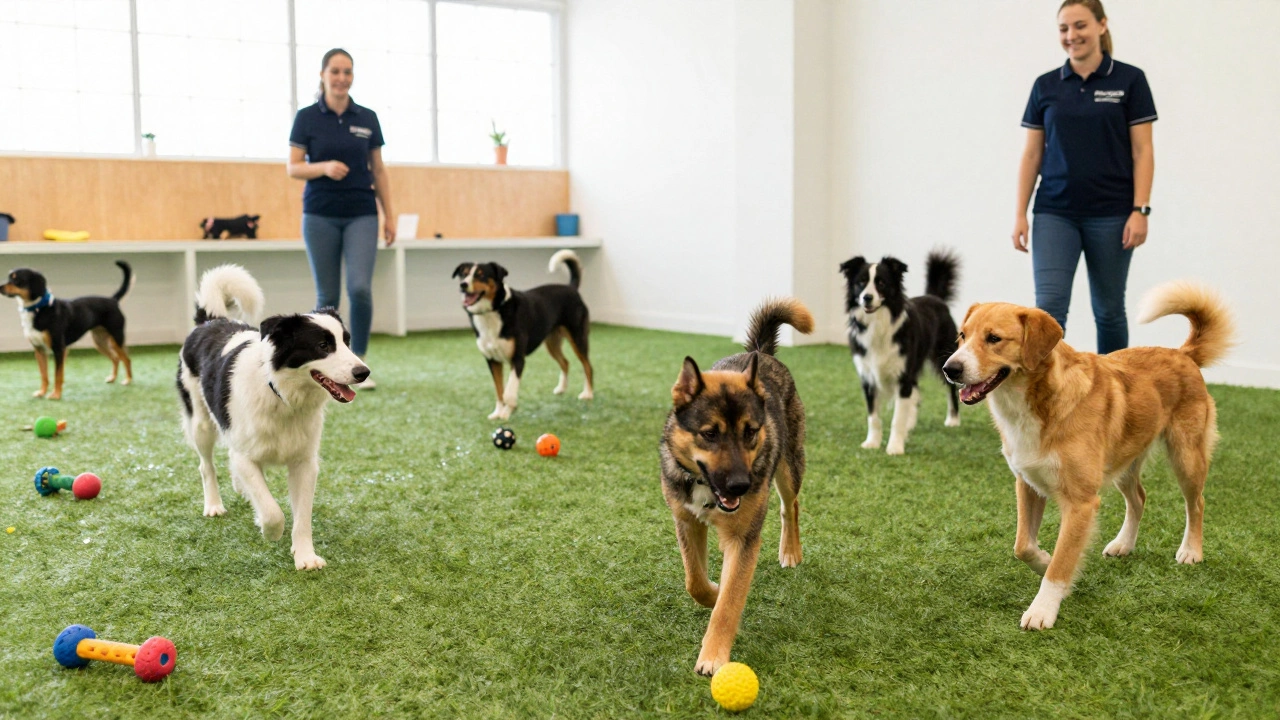
In a professional daycare setting, dogs engage in "complex play." This isn't just running in circles; it's reading other dogs' body language, negotiating space, and problem-solving. This mental exhaustion is far more effective at silencing anxiety than a simple walk around the block. When a dog is physically and mentally spent, the biological drive to panic is dampened by the need for sleep.
Integrating Professional Help with Home Drills
The biggest mistake people make is using daycare as a permanent "band-aid." If you just drop your dog off at a facility and expect them to magically be fine when you're gone for an hour on a Tuesday, you're ignoring the root cause. The goal is to use professional company to create a "success window."
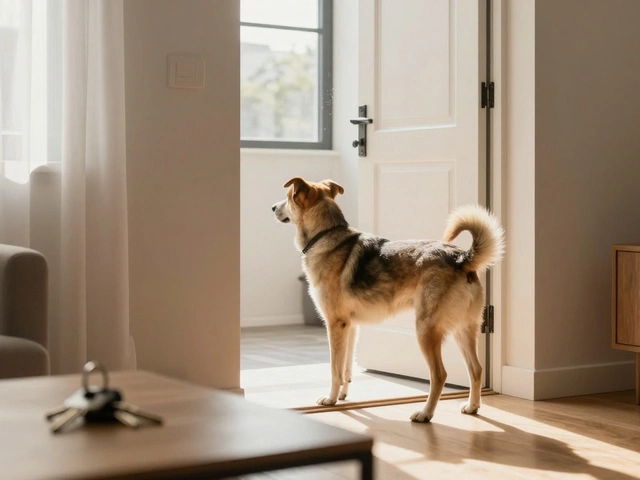
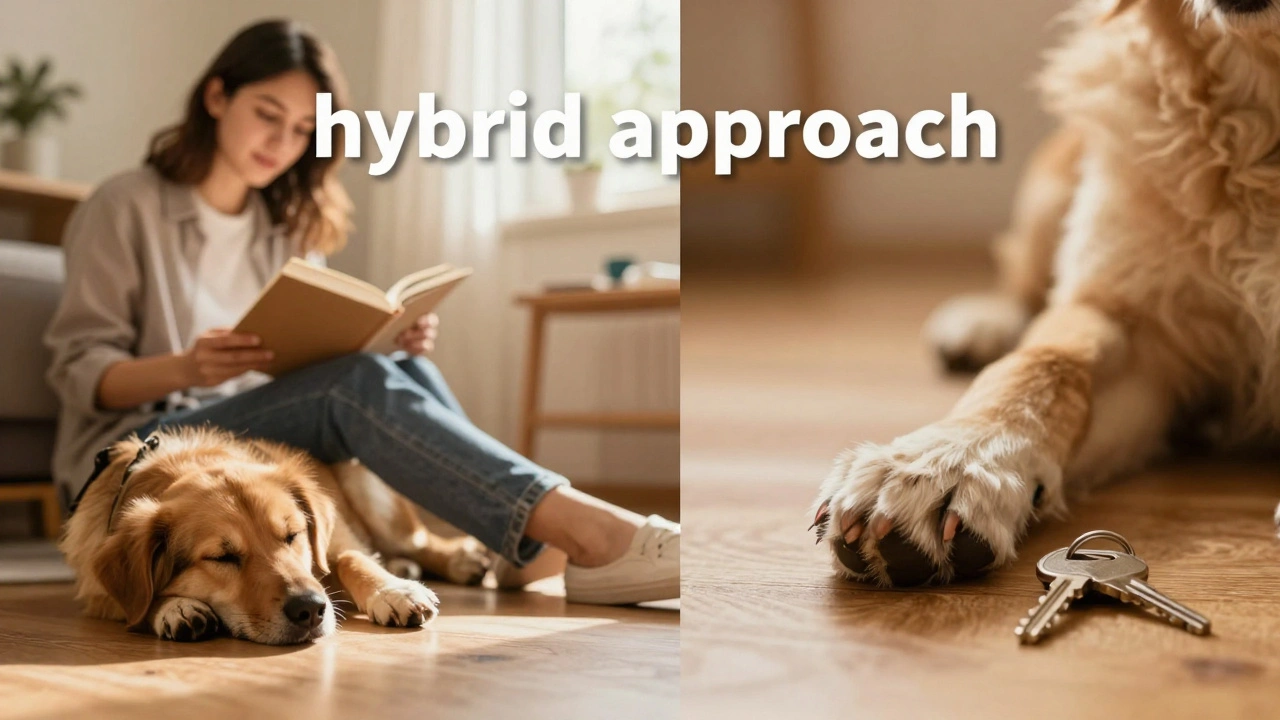
For example, use a sitter for three days a week. On the other two days, implement Desensitization, which is the process of exposing a dog to a stimulus (like picking up keys) at a low intensity to remove the emotional response. Because the dog is less stressed overall due to the sitter's presence, they are more receptive to the training. You aren't fighting a fire; you're preventing one.
Common Pitfalls to Avoid
Not all daycare environments are created equal. Some "warehousing" facilities just put 30 dogs in a room and hope for the best. For a dog with separation anxiety, this can be an absolute nightmare. Look for facilities that use Positive Reinforcement, which a training method that rewards desired behaviors rather than punishing mistakes. If a facility uses "correction" collars or yells at dogs to keep them in line, they are adding to your dog's stress, not reducing it.
Similarly, be careful with sitters who are too indulgent. If a sitter spends the whole day cuddling your dog and treating them like a baby, they might accidentally reinforce the "velcro dog" behavior. You want a sitter who encourages some independent play-perhaps by giving the dog a long-lasting chew in another room for 15 minutes-while still providing the safety of their presence.
The Long-Term Strategy: A Hybrid Approach
The path to a calm dog usually looks like a pyramid. At the base, you have the biological needs: exercise, sleep, and nutrition. Above that, you have the professional support (daycare or sitters) that keeps the dog's stress levels manageable. At the peak is the specialized training you do at home.
If you jump straight to the peak without the base and support, you'll likely fail. Start by securing the environment. Get a sitter or daycare spot that your dog loves. Once the dog feels secure and their energy is being burned, the "independence training" actually starts to work. You'll notice that the time it takes for them to start pacing increases from two minutes to ten, then thirty, then an hour.
Can daycare actually make separation anxiety worse?
Yes, if the environment is too overstimulating or if the dog is not properly matched with other dogs. A high-stress daycare can trigger a fight-or-flight response, leaving the dog more anxious when they return home. This is why a trial day and a facility that monitors stress markers (like lip licking or yawning) are essential.
How do I know if my dog needs a sitter or a daycare?
If your dog loves other dogs and has high energy, daycare is usually the better bet. If your dog is reactive, elderly, or has extreme panic attacks (shaking, vomiting, destructive chewing), a one-on-one sitter is safer and more effective.
Will my dog become too dependent on the sitter?
Only if you don't pair the sitting with independence training. The sitter should be a tool to lower the dog's baseline anxiety, not a replacement for learning how to be alone. Ensure your sitter helps you practice short periods of separation.
Is it okay to use sedatives alongside daycare?
This should only be done under the guidance of a veterinarian. While some dogs benefit from mild anxiety medication to make daycare successful, over-sedating a dog in a social environment can be dangerous as it may impair their ability to read social cues from other dogs.
How long does it take to see results from a hybrid approach?
Every dog is different, but most owners notice a shift in the dog's overall mood within 2 to 4 weeks of consistent professional support and targeted home training. The "recovery time" after you leave the house usually drops first.
Next Steps for Anxious Pet Parents
If you're currently staring at a destroyed sofa, start here: First, document the behavior. Record a video of your dog's reaction when you leave; this is invaluable for both sitters and vets to see. Second, vet your local daycare options-ask about their staff-to-dog ratio and how they handle anxious newcomers. Third, if your budget allows, hire a sitter for a "transition week" where they visit for a few hours a day to build a bond with your dog.
Remember, the goal isn't to create a dog that doesn't miss you-it's to create a dog that feels safe when you're gone. Sometimes, that safety comes from a friendly face and a room full of playmates, giving you the breathing room to actually succeed with your training at home.