Ever come home to find your dog chewing up the couch, peeing on the rug, or barking nonstop-even when you’ve only been gone 20 minutes? You might assume it’s separation anxiety. But what if it’s not? Many dog owners confuse separation frustration with separation anxiety, and treating them the same can make things worse. These aren’t just different shades of the same problem-they’re completely different behaviors with different causes and fixes.
What Is Separation Frustration?
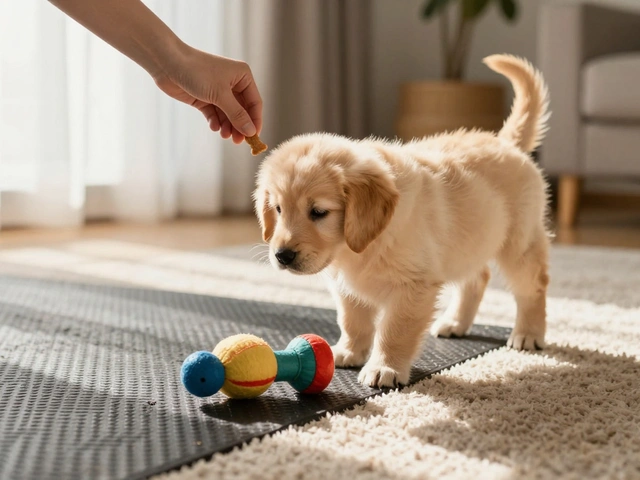
Separation frustration happens when your dog gets upset because they’re used to being with you all the time and now you’re suddenly gone. Think of it like a kid throwing a tantrum because their favorite toy was taken away. It’s not fear-it’s impatience. These dogs don’t panic because they think you’re gone for good. They just think you’re late.
You’ll notice separation frustration in dogs who:
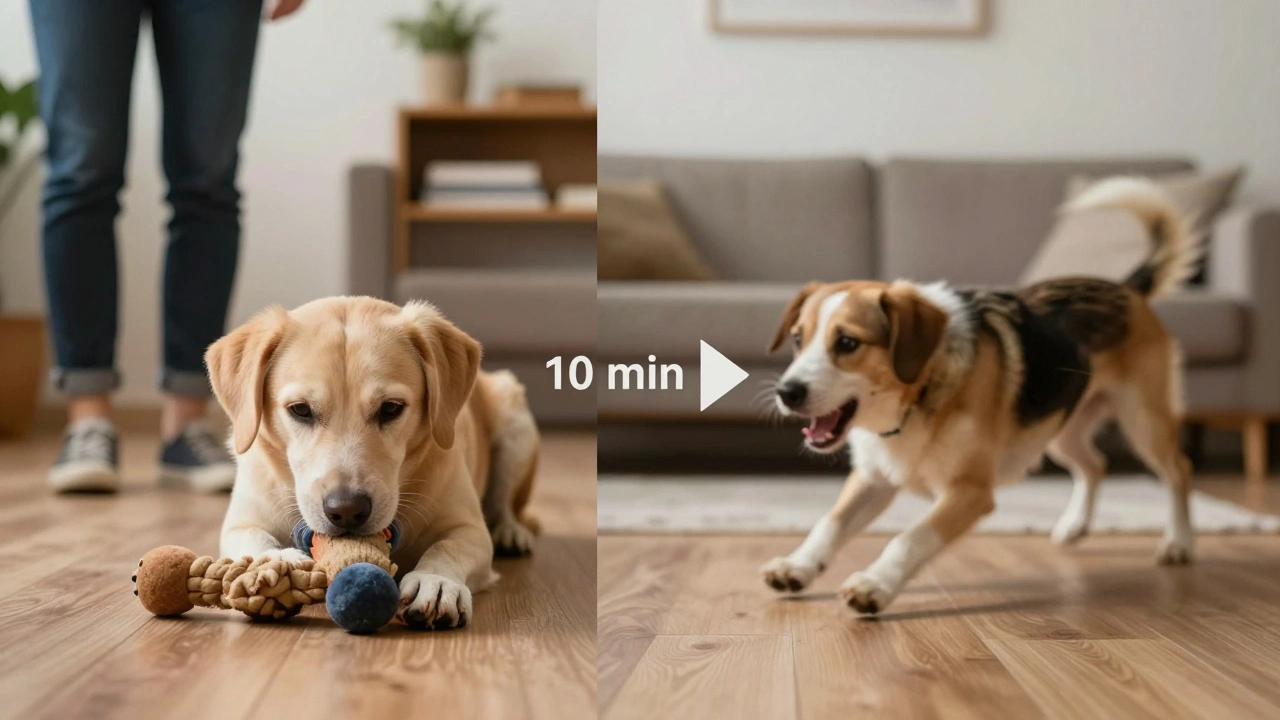
- Start barking or whining right when you leave, but calm down within 10-15 minutes
- Only act out when you’ve been gone longer than usual (like if you left for 2 hours instead of your normal 30 minutes)
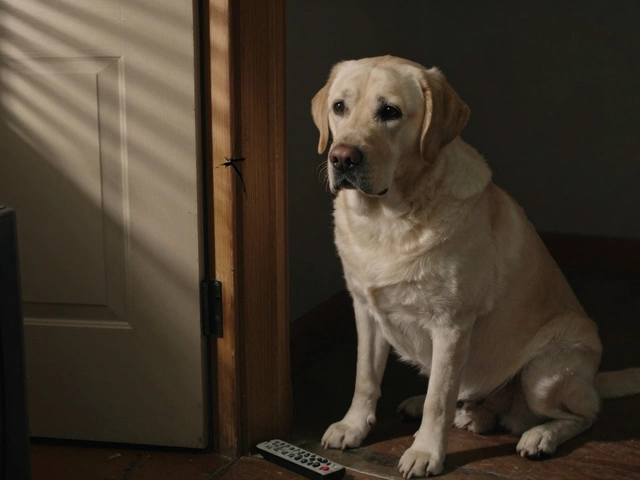
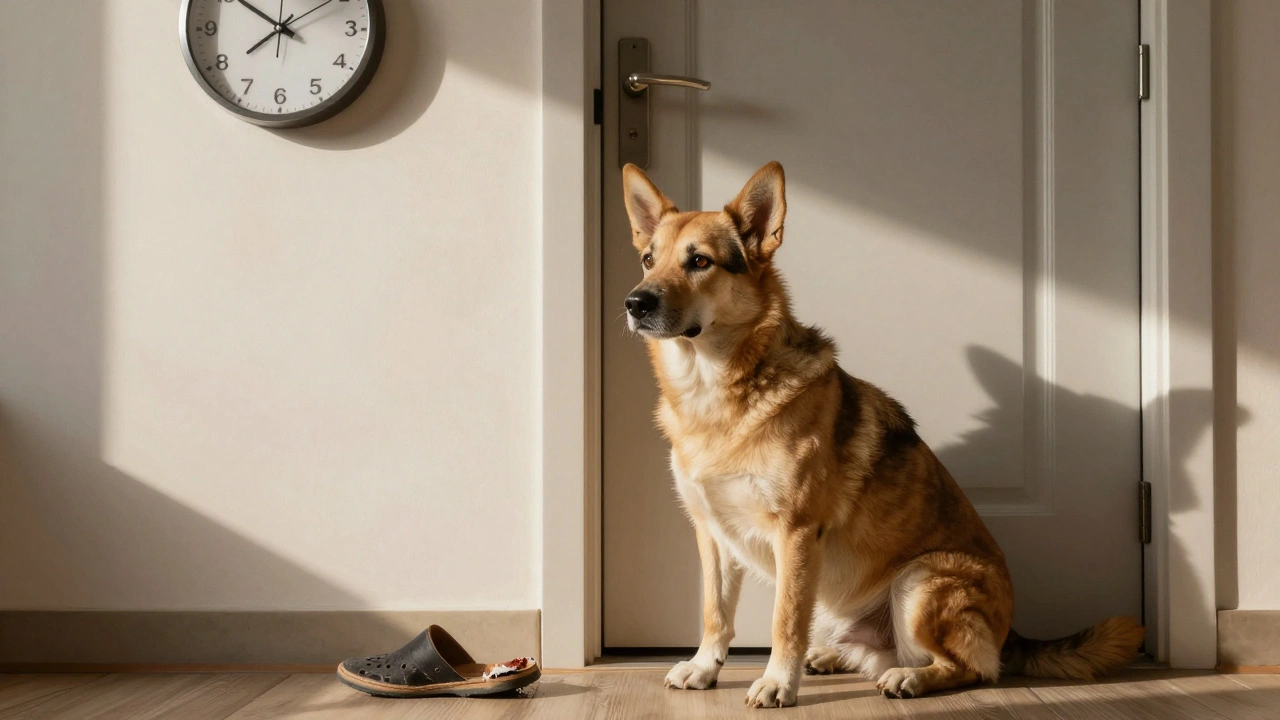
- Seem hyper-focused on the door or windows, watching for you to return
- Don’t damage much-maybe chew a shoe or scratch at the door, but not the whole couch
- Act perfectly fine when you’re home, even if you’re not paying attention to them
These dogs are not terrified of being alone. They’re bored, overstimulated by your presence, or just used to constant interaction. Their behavior is learned: ‘If I make noise, you come back.’
What Is Separation Anxiety?
Separation anxiety is a true emotional disorder. It’s not about being bored or impatient. It’s about deep, irrational fear. Dogs with separation anxiety believe they’re being abandoned-and they panic. Their bodies go into fight-or-flight mode, even if you’re just stepping out to get the mail.
Signs of real separation anxiety include:
- Excessive drooling, panting, or shaking even before you leave
- Urinating or defecating inside, even if they’re house-trained
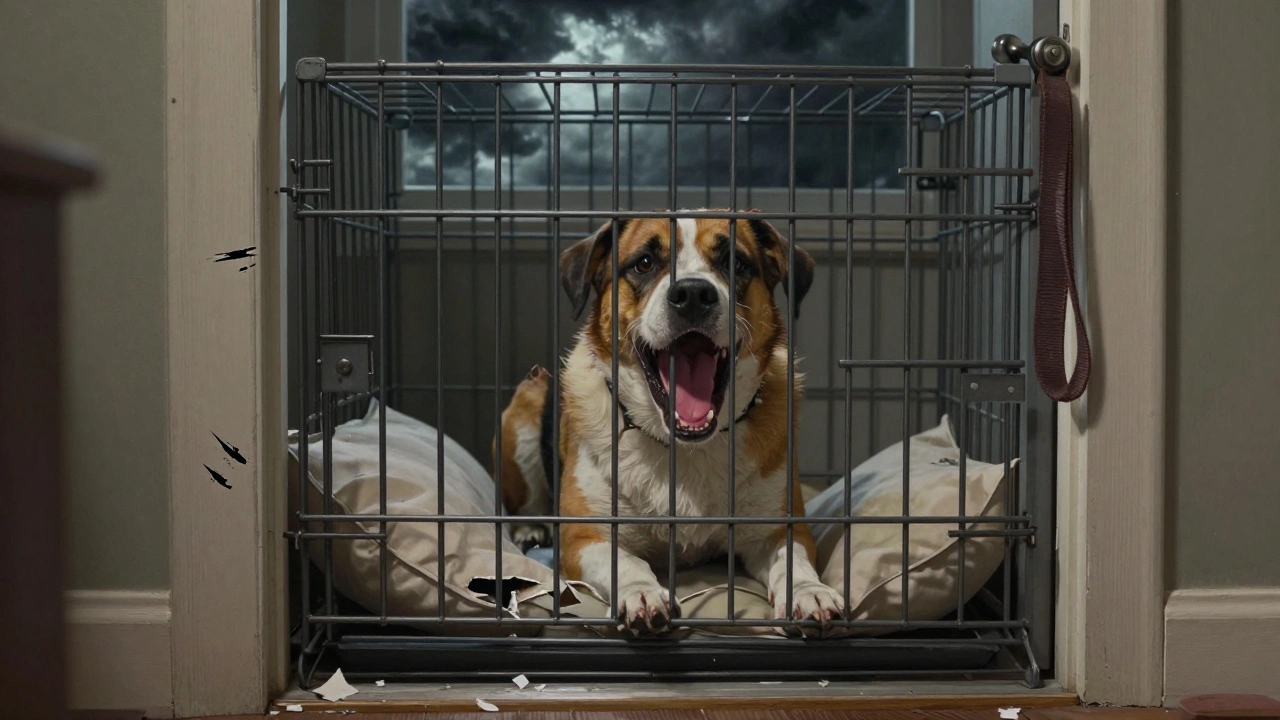
- Destroying things near exits-doors, windows, crates-like they’re trying to escape
- Constant barking or howling that lasts over 30 minutes
- Following you from room to room when you’re home, unable to relax
- Refusing to eat or drink unless you’re there
These dogs often injure themselves trying to escape. You might find broken teeth, bloody paws, or chewed-up door frames. Some dogs won’t even relax for hours after you come back. Their stress levels stay high long after you return.
How to Tell the Difference
Here’s the easiest way to tell them apart: timing and intensity.
Record your dog for 30 minutes after you leave. Watch for:
- When does the behavior start? Frustration: right after you leave. Anxiety: before you even close the door.
- How long does it last? Frustration: fades after 10-20 minutes. Anxiety: lasts the whole time, or gets worse.
- What’s the damage like? Frustration: one or two items destroyed. Anxiety: multiple items, often near exits.
- Do they calm down when you return? Frustration: yes, quickly. Anxiety: they’re still shaking, panting, or pacing.
A 2023 study from the University of Edinburgh tracked 1,200 dogs with separation issues. Researchers found that 68% of dogs labeled as ‘anxious’ were actually frustrated. That means most owners are misdiagnosing the problem-and using the wrong solutions.
Why It Matters: Wrong Treatment = Worse Behavior
If you think your dog has separation anxiety but they’re just frustrated, you might try calming aids like pheromone diffusers, anxiety vests, or even medication. Those might help a little, but they won’t fix the root cause. Your dog learns that making noise gets them attention, so they keep doing it.
On the flip side, if your dog has real separation anxiety and you just ignore them or ‘toughen them up,’ you could make their fear worse. Dogs with anxiety need structure, not tough love. Ignoring their panic is like telling a person with a phobia of heights to just ‘get over it.’
How to Fix Separation Frustration
Separation frustration is easier to fix. It’s a habit, not a fear.
Start with desensitization:
- Practice short absences. Leave the room for 10 seconds, then come back. Gradually increase time.
- Don’t make a big deal when you leave or return. No petting, no talking, no eye contact.
- Give them a food puzzle or stuffed Kong before you leave. It keeps them busy and associates your absence with something good.
- Ignore attention-seeking behavior. If they bark for you to come back, wait until they’re quiet before you return.
Most dogs improve in 1-3 weeks with consistent training. The goal isn’t to stop them from being alone-it’s to teach them that being alone is boring, not scary.
How to Fix Separation Anxiety
Separation anxiety needs a different approach. You can’t just train it away. You need to rebuild their emotional safety.
Start with counter-conditioning and systematic desensitization:
- Work in tiny steps. Start by picking up your keys and sitting down. Do this 10 times a day without leaving.
- Next, put on your coat. Then walk to the door. Then open it. Each step, reward calm behavior with treats.
- Only leave for 1-2 seconds at first. Come back before they panic.
- Use a safe space like a crate or gated room where they feel secure.
- Consider a vet-prescribed anti-anxiety medication like clomipramine or fluoxetine. These aren’t sedatives-they help lower the fear response so training can work.
It can take 2-6 months. Patience is everything. And don’t rush it. If your dog panics, you went too fast.
When to See a Professional
Try the steps above for 2-3 weeks. If nothing changes-or if your dog is hurting themselves-you need help.
Look for a certified dog behaviorist (CAAB or CPDT-KA). Avoid trainers who promise quick fixes or use shock collars. Real behaviorists use science, not force.
Also talk to your vet. Some medical issues (like thyroid problems or bladder infections) can mimic anxiety. Rule those out first.
What Doesn’t Work
Stop doing these things:
- Leaving the TV or radio on-it doesn’t help much. Dogs don’t process sound like we do.
- Getting another dog to ‘keep them company.’ Two anxious dogs just become two anxious dogs.
- Using punishment. Yelling, spraying water, or scolding increases fear.
- Waiting it out. ‘They’ll grow out of it’ is a myth. Anxiety doesn’t vanish on its own.
And no, hiring a dog walker every day isn’t a solution. It might reduce stress temporarily, but it doesn’t teach your dog to be alone.
Final Thought: It’s Not About Control
Neither separation frustration nor separation anxiety is about your dog being ‘bad.’ They’re not trying to get back at you. They’re not being stubborn. They’re reacting to something they don’t understand.
Understanding the difference isn’t just about fixing behavior-it’s about building trust. Whether your dog is frustrated or terrified, they need you to be calm, consistent, and patient. That’s the real fix.