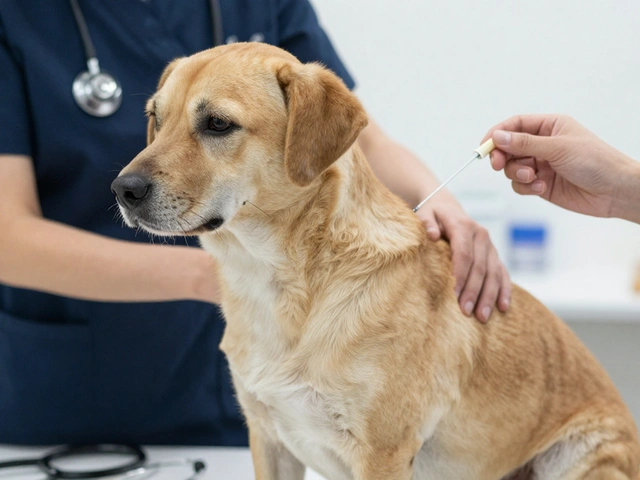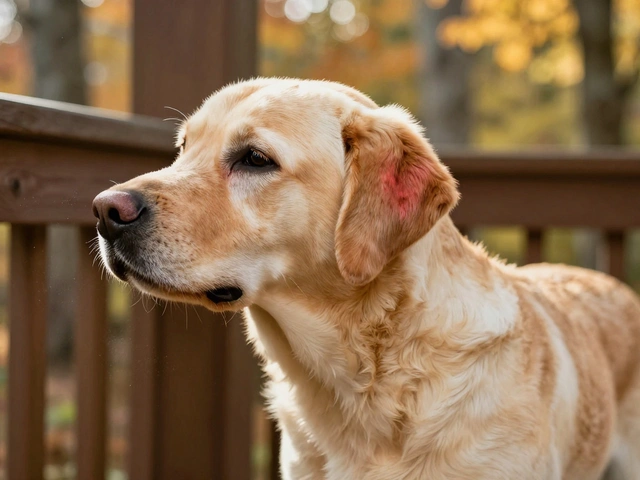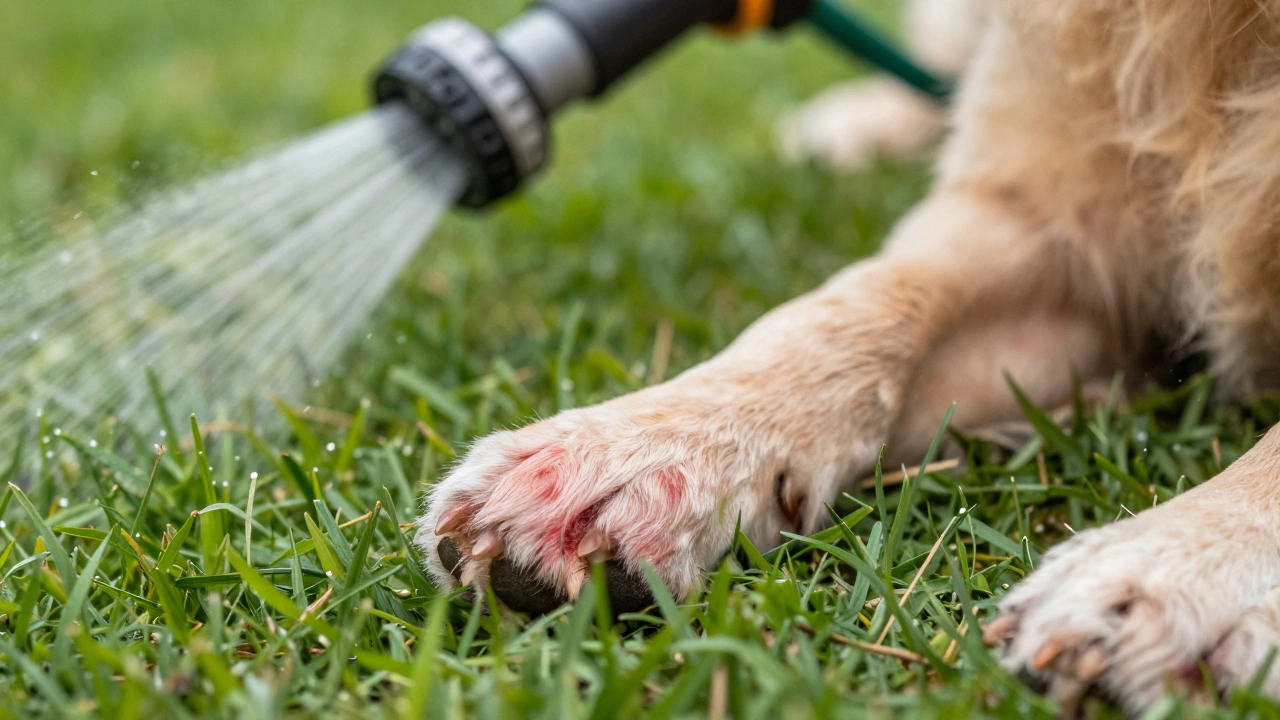
Your dog comes in from the backyard scratching. You check for fleas, but there are none. The redness isn't on his back or belly where ticks hide; it's on his paws, his lower legs, and the tip of his nose. This is a classic sign of contact dermatitis, also known as contact irritant dermatitis. It happens when your dog’s skin touches something that causes an immediate inflammatory reaction. Unlike food allergies or flea bites, this issue starts outside the body. The culprits? Often, they are right under your feet or inside your kitchen cabinets.
Contact irritants are substances that damage the skin barrier directly. They don't require an immune system sensitization phase like true allergens do. If you touch bleach, it burns. If your dog walks through wet fertilizer, it stings. The result is inflammation, itching, and sometimes secondary infections. Understanding what these irritants are and how to avoid them is crucial for keeping your dog comfortable.
The Hidden Dangers in Your Lawn
We treat our lawns like extensions of our living rooms, but chemically, they are often minefields for four-legged companions. Modern landscaping relies heavily on synthetic compounds to keep grass green and weeds gone. For humans, we wear shoes. Dogs walk barefoot. Their paw pads have hair follicles and sweat glands, making them surprisingly permeable to certain chemicals.
Herbicides are perhaps the most common offenders. Glyphosate, found in many weed killers, is frequently cited in veterinary discussions regarding contact irritation. While debate exists over its systemic toxicity, its potential to cause local skin irritation on moist or broken skin is well-documented. When sprayed, these chemicals linger on grass blades. A dog rolling in the grass after treatment can absorb significant amounts through their fur and skin.
Fertilizers pose another risk. Many contain high levels of nitrogen, phosphorus, and potassium. These salts draw moisture out of the skin, leading to dryness and cracking. Worse, some fertilizers include urea, which breaks down into ammonia. Ammonia is a potent irritant. If your dog licks their paws after walking on fresh fertilizer, they ingest this chemical, potentially causing gastrointestinal upset alongside skin issues.
Moss killers and algae treatments often contain copper sulfate or iron sulfate. Copper is particularly harsh. Even small amounts left on the lawn can cause severe irritation to a dog's paw pads. You might notice your dog lifting their paws frequently while walking-a behavior known as "chicken walking." This is a clear signal that something is hurting their feet.
| Chemical Type | Common Ingredients | Primary Risk | Symptoms to Watch For |
|---|---|---|---|
| Herbicides | glyphosate, 2,4-D | Skin irritation, ingestion via licking | Redness, drooling, vomiting |
| Fertilizers | Urea, ammonium nitrate | Dryness, chemical burns | Cracked pads, excessive licking |
| Moss Killers | Copper sulfate, iron sulfate | Toxicity, severe irritation | Lethargy, paw swelling |
| Insecticides | Permethrin (toxic to cats), carbaryl | Neurotoxicity, skin burns | Tremors, seizures, redness |
Kitchen Cleaners That Burn Paws
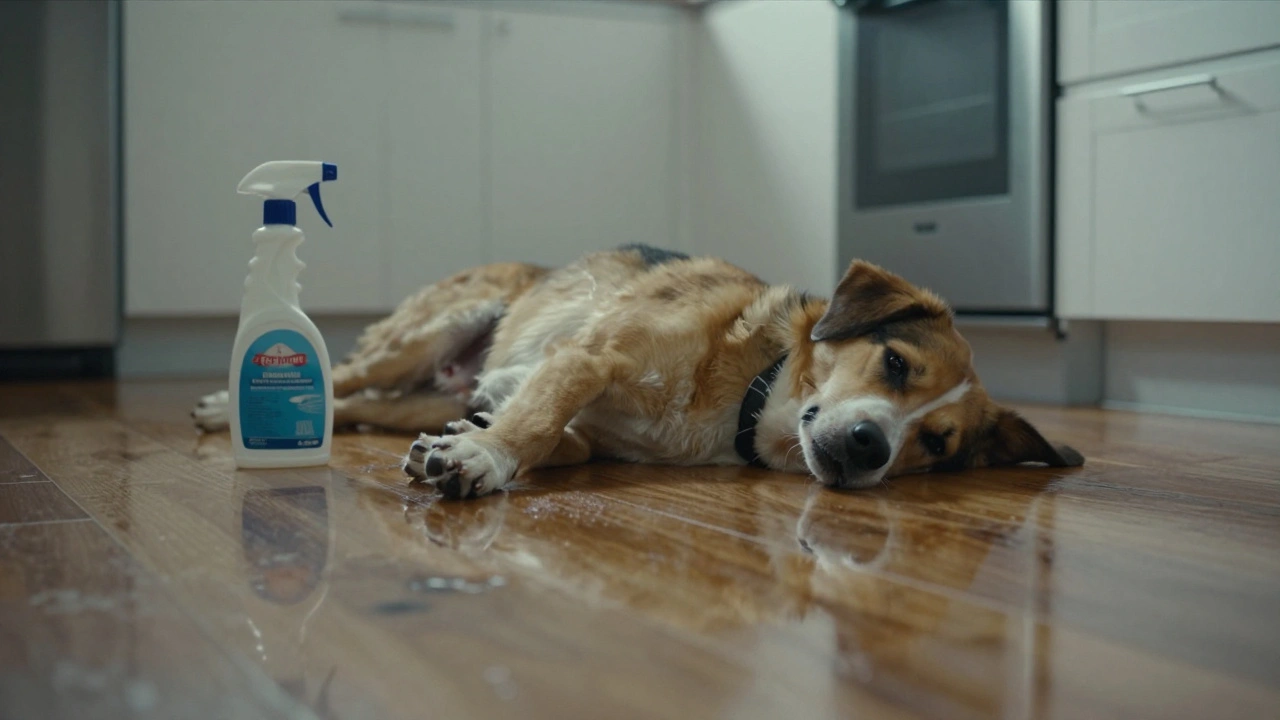
If your lawn is safe, look at your floors. We use powerful detergents to keep our homes sanitary, but these products are designed to cut through grease and grime-not to be gentle on biological tissue. Dogs spend hours lying on hardwood, tile, and linoleum floors. Their bellies, chests, and inner thighs are in direct contact with residual chemicals.
Bleach (sodium hypochlorite) is a staple in many households. It is highly alkaline and corrosive. Even diluted, if not rinsed thoroughly, it strips the natural oils from a dog's skin. This leads to dry, flaky patches that itch intensely. More dangerously, if a dog licks a freshly mopped floor, they can suffer chemical burns in their mouth and esophagus.
Ammonia-based cleaners are equally problematic. Ammonia has a sharp smell that humans find unpleasant, but dogs have a sense of smell 10,000 times more sensitive than ours. The fumes alone can irritate their nasal passages and eyes. Contact with the skin causes similar drying effects as bleach. Many all-purpose sprays contain both ammonia and alcohol, creating a double-whammy for delicate skin.
Essential oil cleaners are marketed as "natural" and safe, but this is a dangerous misconception for pets. Tea tree oil, lavender, and eucalyptus are common ingredients in eco-friendly cleaners. To dogs, especially those with pre-existing skin conditions, these oils can be potent contact irritants. Tea tree oil, in particular, can cause neurotoxicity if absorbed in large quantities through the skin. Always check labels for "pet-safe" certifications, but even then, rinse surfaces thoroughly.
Identifying Contact Dermatitis vs. Other Allergies
Not every itch is a contact irritant. Food allergies usually cause itching around the ears, face, and armpits. Flea allergy dermatitis typically affects the lower back and tail base. Contact dermatitis has a distinct pattern. Look for symptoms on areas that touch the ground or surfaces:
- Paw pads and between the toes
- Belly and chest
- Inner thighs
- Nose and muzzle (if resting on treated surfaces)
The skin may appear red, swollen, or hot to the touch. In chronic cases, you might see hair loss, scabs, or secondary bacterial infections (pyoderma). If your dog suddenly starts licking their paws after a walk or after you've cleaned the kitchen, suspect contact irritation first.
Immediate First Aid Steps
If you suspect your dog has encountered a contact irritant, act quickly. Time matters. Here is what to do:
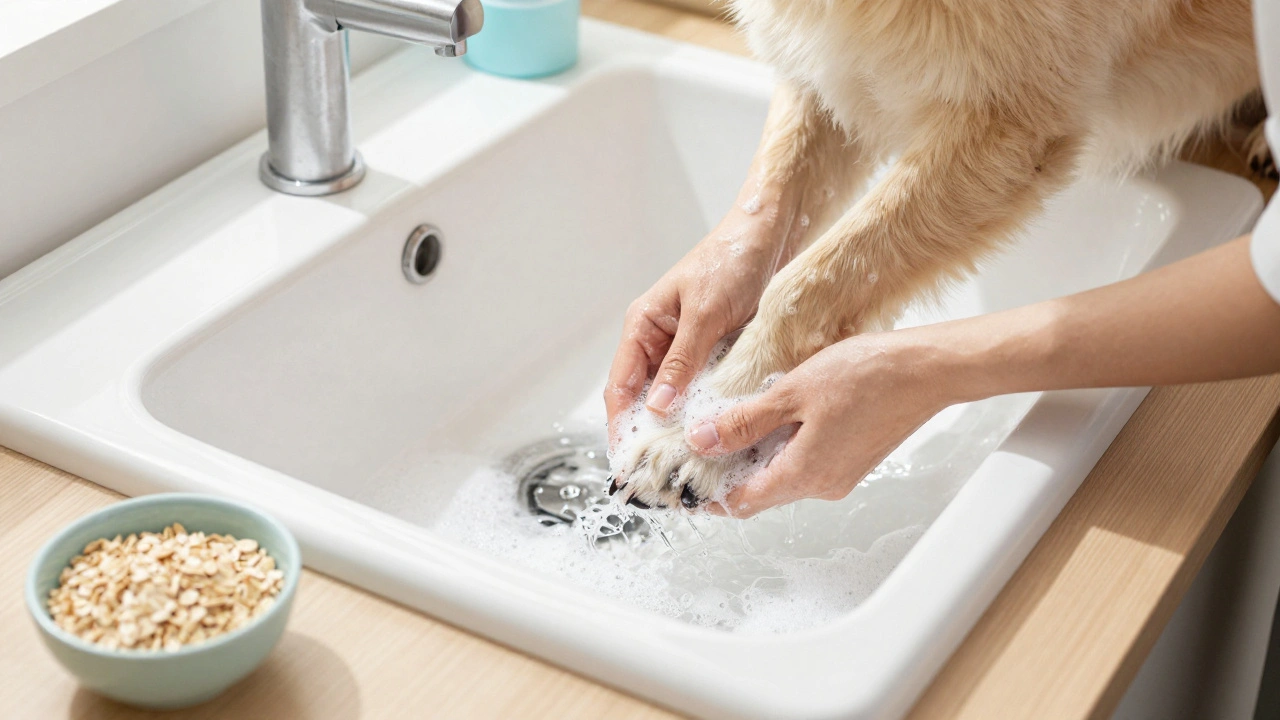
- Wash the area immediately. Use lukewarm water and a mild, unscented soap. Avoid human soaps with fragrances or antibacterial agents, as these can worsen the irritation. Rinse thoroughly to remove all residue.
- Prevent licking. Put an Elizabethan collar (cone) on your dog. Licking introduces bacteria and saliva enzymes that break down skin further, creating a vicious cycle of inflammation.
- Apply a soothing balm. After washing and drying, apply a pet-safe moisturizer. Products containing colloidal oatmeal or aloe vera (pure, without alcohol) can help calm the skin.
- Monitor for systemic signs. If your dog shows vomiting, diarrhea, lethargy, or difficulty breathing, seek emergency veterinary care immediately. This indicates ingestion or a severe allergic reaction.
Creating a Pet-Safe Home Environment
Prevention is always better than cure. You don't need to stop cleaning or gardening, but you do need to adjust your methods. Switch to pet-friendly alternatives. For lawns, consider organic fertilizers made from compost or manure. These release nutrients slowly and are less likely to cause burns. For weed control, manual removal or vinegar-based solutions (used cautiously) are safer options.
In the home, choose enzymatic cleaners for pet accidents. They break down urine proteins without harsh chemicals. For general cleaning, dilute white vinegar with water. It cuts grease and disinfects without leaving toxic residues. Always rinse hard surfaces with clean water after mopping, especially if your dog sleeps on the floor.
Keep all chemical containers locked away. Accidental spills happen. If a bottle tips over, isolate the area until it's completely dry and aired out before letting your dog near it. Remember, dogs explore with their noses and mouths. What seems invisible to you is a playground for them.
When to See a Veterinarian
Some cases of contact dermatitis resolve with home care. Others require professional intervention. Consult your vet if:
- Symptoms persist for more than 48 hours despite washing and avoiding the irritant.
- You see pus, oozing, or a foul odor, indicating infection.
- Your dog is excessively uncomfortable, refusing to walk or eat.
- The rash spreads to other parts of the body.
Veterinarians may prescribe topical steroids, antihistamines, or antibiotics depending on the severity. They can also perform patch testing to identify specific allergens if the problem is recurrent. Early diagnosis prevents chronic skin disease, which is harder to treat and more distressing for your pet.
How long does it take for contact dermatitis to heal in dogs?
Mild cases often improve within 2-3 days after removing the irritant and washing the area. Severe cases with secondary infections may take 1-2 weeks with veterinary treatment. Consistent avoidance of the trigger is key to full recovery.
Is vinegar safe to use on dog skin?
Diluted apple cider vinegar (1 part vinegar to 1 part water) can soothe minor skin irritations due to its anti-inflammatory properties. However, never use undiluted vinegar on open wounds or raw skin, as it will sting and cause further damage. Always consult your vet before trying new remedies.
Can dogs develop allergies to grass itself?
Yes, some dogs are allergic to grass pollen or mold growing on grass. This is different from chemical irritation. Grass allergies often cause itching on the belly and inner thighs. If you suspect a natural allergy, discuss immunotherapy or dietary changes with your veterinarian.
What are the safest lawn fertilizers for dogs?
Organic fertilizers based on compost, manure, or bone meal are generally safer. Look for products labeled "pet-safe" or "organic certified." Avoid fertilizers with added insecticides or herbicides. Always water the lawn thoroughly after application to reduce surface residue.
How can I protect my dog's paws from winter salt?
Winter road salt is a major contact irritant. Wipe your dog's paws with a damp cloth after every walk. Apply a protective balm like Musher's Secret before going out. Consider using dog boots in extreme conditions to create a physical barrier against salt and ice.