Living with a dog while managing allergies isn’t impossible-but it does require more than just popping antihistamines. If you or someone in your home has skin allergies triggered by dog dander, saliva, or urine, the real solution isn’t getting rid of the dog. It’s fixing what’s happening inside your house. A home environment audit for dog allergens isn’t a luxury. It’s a practical, step-by-step way to reduce itching, redness, and flare-ups without sacrificing your pet’s place in the family.
What Exactly Are Dog Allergens?
Most people think dog allergies are caused by fur. They’re not. The real culprits are proteins found in dog dander (tiny flakes of skin), saliva, and even urine. When a dog licks itself, those proteins get stuck to its fur and spread everywhere: on couches, carpets, pillows, and even in the air. These allergens are microscopic, stick to surfaces for months, and can trigger eczema, hives, or itchy, red skin even if you don’t sneeze.
Studies show that homes with dogs have 10 to 100 times more allergens in dust than homes without pets. And unlike pollen or mold, dog allergens don’t go away just because you clean once a week. They build up slowly, like a slow leak in a basement-until your skin starts reacting.
Step 1: Identify High-Risk Zones
Not all rooms are equal when it comes to allergen buildup. Start by mapping out where your dog spends the most time. These are your hotspots:
- The bed (yours or your dog’s)
- The main sofa or favorite chair
- Carpets and area rugs
- Bedding, blankets, and pet beds
- Kitchen or bathroom floors (where dog paws track in saliva and dander)
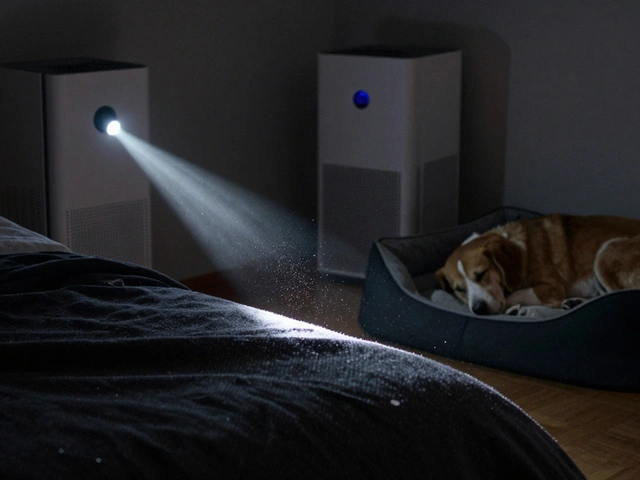
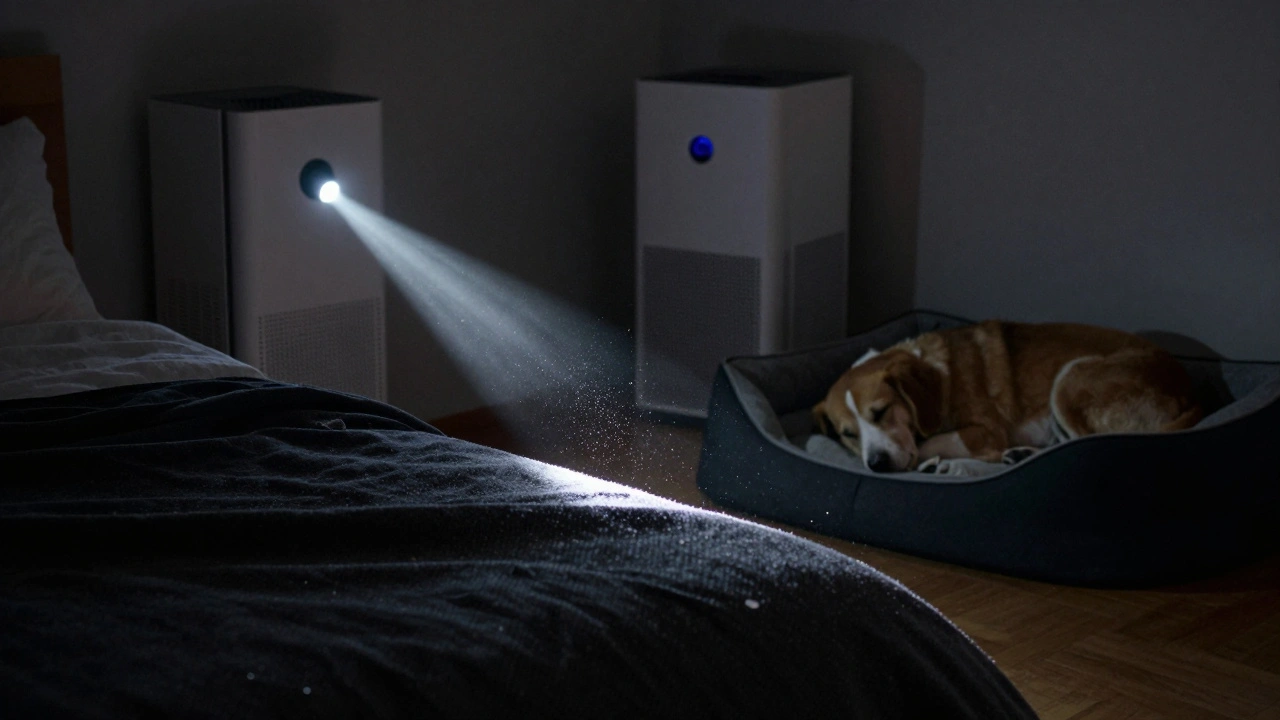
Use a flashlight at night to scan these areas. Dog dander reflects light slightly-look for tiny, glittery flakes on dark fabrics. If you see them, that’s your target zone.
Step 2: Swap Out Allergen Traps
Some materials hold onto allergens like a sponge. Others barely hold on. Here’s what to change:
- Replace shag carpets with hard flooring-tile, vinyl, or sealed wood. If you can’t remove carpet, vacuum daily with a HEPA-filter vacuum.
- Use washable slipcovers on sofas and chairs instead of fabric upholstery. Microfiber is better than cotton or velvet.
- Switch to hypoallergenic bedding. Look for tightly woven cotton (300+ thread count) or bamboo blends. These block dander better than regular sheets.
- Remove fabric curtains and replace them with blinds or roller shades. Dust collects easily on heavy drapes.
One family in Portland switched from a wool rug to a rubber-backed synthetic rug and saw their child’s eczema flare-ups drop by 60% in three weeks.
Step 3: Control Airflow and Filtration
Dander floats. And if your HVAC system is old or dirty, it’s just circulating allergens like a wind tunnel.
- Install a HEPA air purifier in the bedroom. Look for one rated for at least 300 square feet. Run it 24/7. Brands like Winix or Coway have models tested to remove 99.97% of airborne pet allergens.
- Change your furnace filter every 30 days. Use MERV 13 or higher. Most homes use MERV 8-too weak to catch fine dander.
- Keep the bedroom door closed at night. This creates a low-allergen zone where you spend one-third of your life.
A 2023 study from the University of Oregon found that homes using HEPA purifiers and MERV-13 filters reduced airborne dog allergens by 82% within 30 days.

Step 4: Dog Hygiene Isn’t Optional
Washing your dog isn’t just for smell-it’s allergy control. Bathe your dog at least once every 10 days with a hypoallergenic shampoo. Look for ingredients like oatmeal, aloe, or phytosphingosine. Avoid human shampoos-they strip natural oils and make dander worse.
Also:
- Wipe paws with damp microfiber cloths after walks. This removes allergens from outside.
- Brush your dog outdoors, not in the living room. Use a deshedding tool like a Furminator.
- Wash your dog’s bed weekly in hot water (at least 130°F). That kills allergens and dust mites.
One owner in Salem reduced her own skin itching after switching from monthly baths to biweekly washes. She also started using a lint roller on her clothes before sitting down.
Step 5: Limit Access and Create Safe Zones
You don’t have to ban your dog from the whole house. But you do need boundaries.
- Keep dogs out of bedrooms. Use baby gates or closed doors.
- Use a designated pet bed on a hard surface-never on a bed or couch.
- Wash your hands after petting your dog. Don’t touch your face until you do.
- Never let your dog lick your face or open wounds. Saliva proteins are among the strongest allergens.
Even small changes like these cut allergen exposure by half. A 2025 survey of 1,200 dog owners with allergies showed that those who enforced a “no-dog bedroom” rule had 70% fewer skin flare-ups.
What About Allergy Shots or Medications?
Immunotherapy (allergy shots) and antihistamines help-but they’re temporary fixes. They treat symptoms, not the source. If you don’t clean up your home environment, you’re still breathing in allergens every day. Medications might let you function, but they won’t stop your skin from breaking out.
Think of it this way: You wouldn’t take painkillers for a leaky roof. You’d fix the roof. The same logic applies here.
Monitoring Progress: The Allergen Tracker
After 30 days of changes, do a simple check:
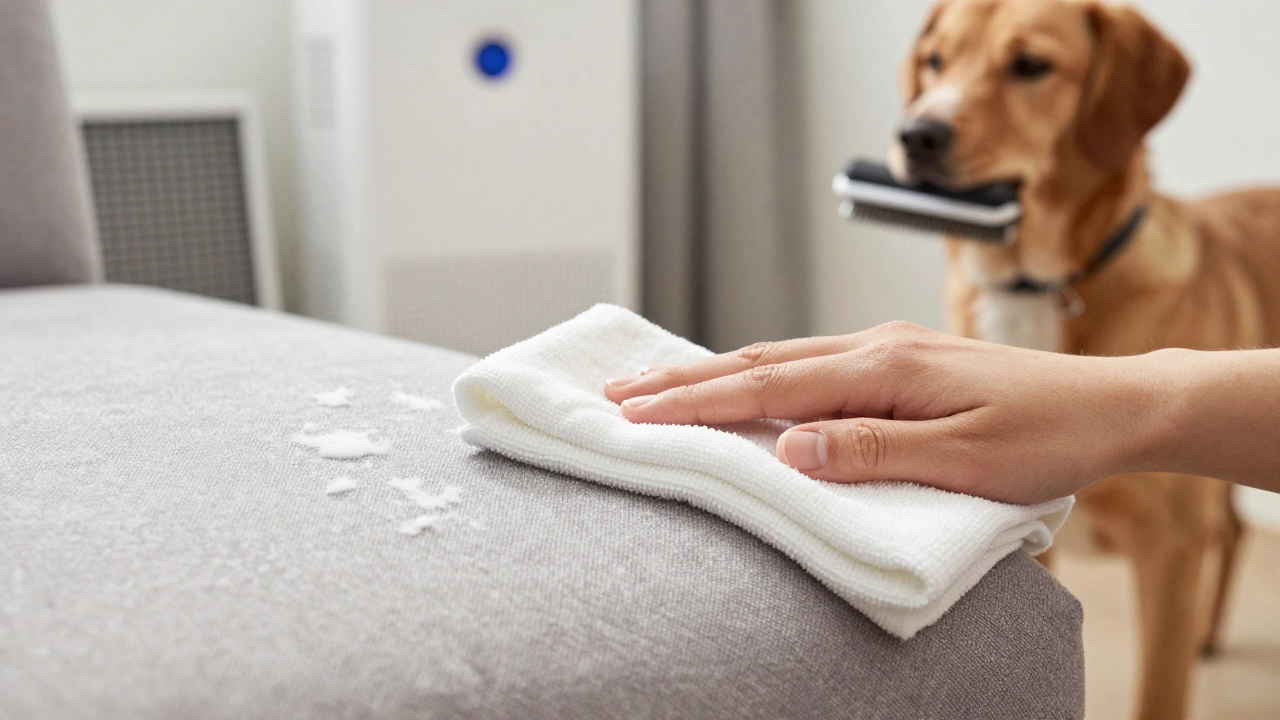
- Use a white cloth to wipe your dog’s favorite spot. Look for visible flakes.
- Check your skin daily. Are flare-ups less frequent? Less intense?
- Track how often you need topical creams or oral meds.
If you see improvement, you’re on the right path. If not, revisit the high-risk zones. Maybe your air purifier isn’t powerful enough. Maybe your dog’s shampoo isn’t strong enough. Small tweaks matter.
Common Mistakes to Avoid
- Thinking “low-shedding” dogs are hypoallergenic. There’s no such thing. Poodles, Bichons, and Yorkies still produce allergens.
- Using air fresheners or scented candles. They mask smells but don’t remove allergens-and can irritate sensitive skin.
- Only cleaning when you see dirt. Allergens are invisible. Clean on schedule, not on sight.
- Letting your dog sleep on your bed because “they’re part of the family.” Your skin health matters too.
Final Thought: It’s About Control, Not Perfection
You don’t need a sterile lab to live with a dog and manage allergies. You need awareness. A home environment audit isn’t about cleaning everything. It’s about targeting the places where allergens gather, and changing the materials, habits, and airflow that let them stick around.
Start with one room. Fix one thing. Notice how your skin feels. Then move to the next. Over time, you’ll build a home that lets you love your dog-and your skin-without compromise.
Can I still have a dog if I have severe skin allergies?
Yes, but only if you take serious steps to reduce allergens in your home. Many people with severe eczema or contact dermatitis from dog dander successfully live with pets by combining HEPA filtration, hard flooring, regular dog bathing, and strict access rules. It’s not about the breed-it’s about the environment.
How often should I bathe my dog to reduce allergens?
Bathe your dog every 7 to 10 days using a hypoallergenic shampoo. More frequent baths can dry out the skin and increase dander. Less frequent allows allergens to build up. Use lukewarm water and rinse thoroughly. Always dry the dog completely-damp fur traps allergens.
Do air purifiers really help with dog dander on skin?
Yes, especially if they have true HEPA filters and are sized for your room. Airborne dander can settle on skin and trigger reactions. A HEPA purifier reduces airborne particles by up to 99.97%, which means less dander lands on your arms, neck, or face. Use one in the bedroom for best results.
Is it better to have a dog outside if I’m allergic?
Not necessarily. Dogs kept outside still bring allergens inside on their fur, paws, and coats. Even if they sleep in a kennel, they’ll track dander in when they come inside to eat, be petted, or go to the bathroom. Indoor-outdoor dogs often make allergies worse because they’re constantly moving allergens between environments.
Can I use a lint roller to remove allergens from clothes?
Yes. Lint rollers are a quick, effective way to remove visible dander from clothing, especially after petting your dog. Use them before sitting down, hugging someone, or going to bed. It’s a simple habit that reduces direct skin contact with allergens.
For long-term relief, pair your home audit with a visit to a dermatologist who specializes in allergic skin conditions. They can help you identify specific triggers and recommend targeted treatments that work with your environment-not against it.