Watching your female dog suddenly act clingy or lose interest in her favorite treats can be confusing. Is she sick? Or is it just that time of year? Understanding the heat cycle is essential for any owner of an intact female dog, whether you plan to breed her or simply want to manage her behavior at home. The canine reproductive cycle is a precise biological process that dictates when a dog is fertile, how long she remains so, and what physical changes to expect.
Unlike humans, who have a monthly cycle, dogs typically go into heat twice a year, though this varies significantly by breed and size. Knowing the exact timing helps prevent accidental litters, manages behavioral shifts, and ensures successful breeding if that is your goal. This guide breaks down each phase of the cycle, explains the signs to look for, and offers practical tips for handling the experience.
The Four Phases of the Canine Reproductive Cycle
The canine reproductive cycle is a sequential series of hormonal and physiological changes that prepare a female dog for pregnancy. It consists of four distinct stages: proestrus, estrus, diestrus, and anestrus. Each phase has specific duration ranges and characteristic symptoms that help owners track where their dog stands in the cycle.
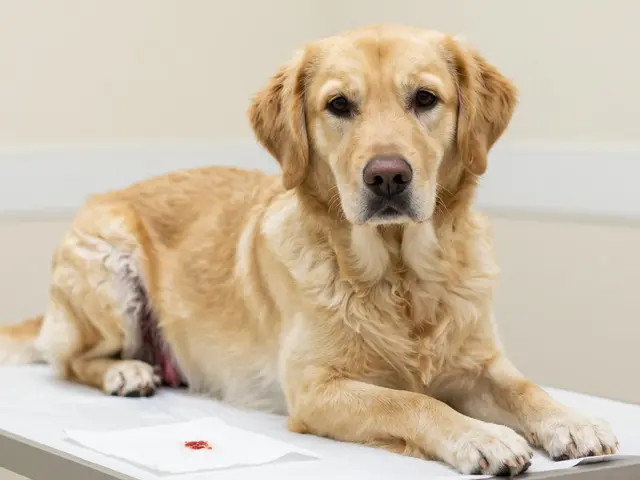
- Proestrus: The "pre-heat" phase. Lasts about 7-10 days. Vaginal swelling begins, and bloody discharge appears. Males are attracted, but the female usually rejects them.
- Estrus: The "fertile" phase. Lasts 5-9 days on average. Discharge becomes thinner and straw-colored. The female accepts mating. Ovulation occurs during this window.
- Diestrus: The post-heat phase. Lasts 60-100 days. If not pregnant, the body resets. If pregnant, this stage overlaps with gestation (63 days).
- Anestrus: The resting phase. Lasts several months. No visible signs. Hormone levels stabilize until the next cycle begins.
Identifying Proestrus: The Warning Signs
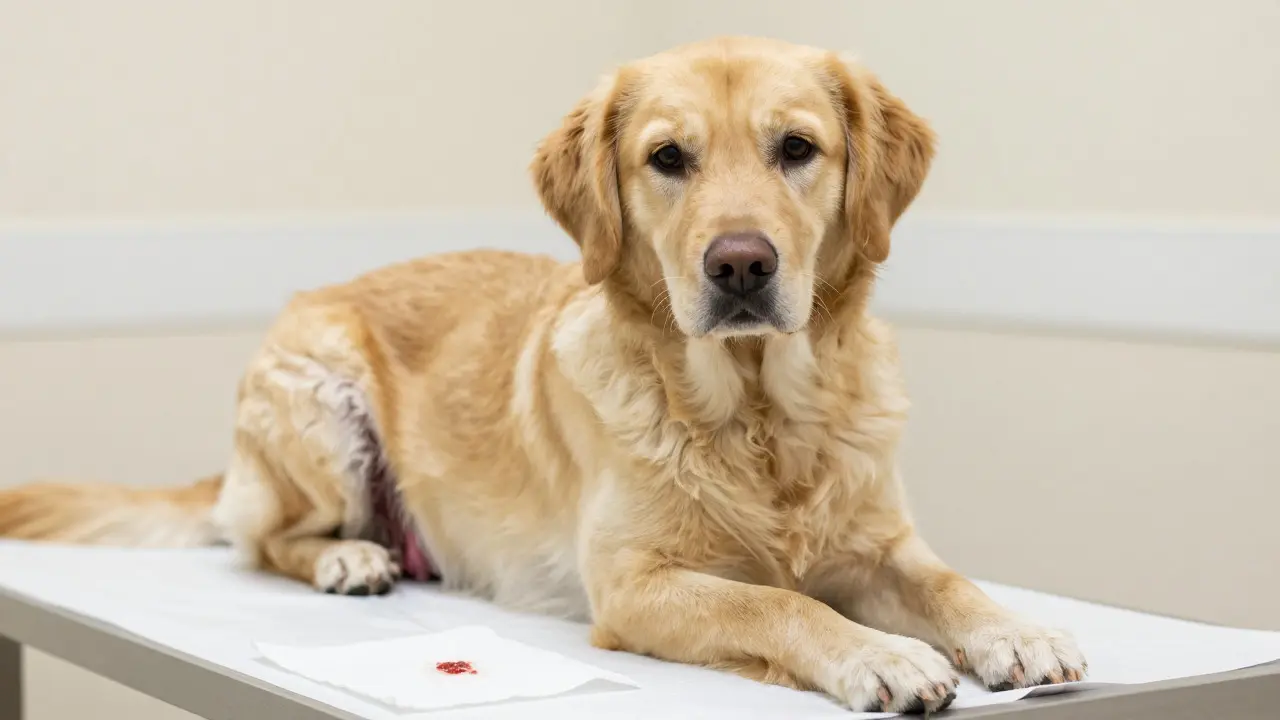
Proestrus is often the first noticeable change. You might see a small amount of bright red blood on the bedding or floor. This isn't menstruation in the human sense; it's a sign that the uterus is preparing for potential implantation. The vulva will swell noticeably, making it larger than usual. Behaviorally, many dogs become more vocal, restless, or clingy. Some may urinate more frequently to mark territory with pheromones that attract males.
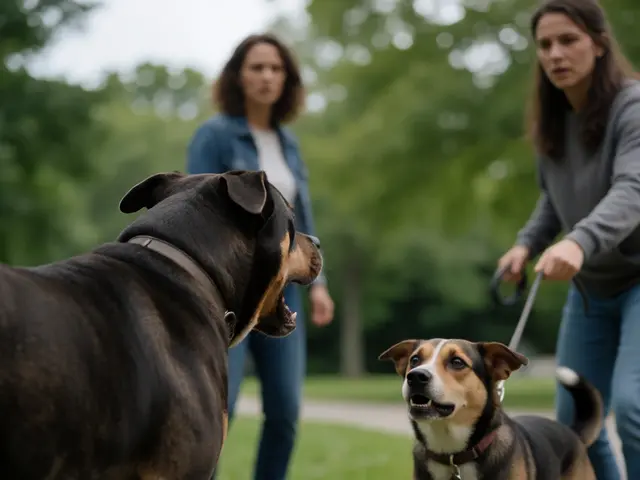
During this time, the dog is not yet ready to mate. If a male approaches, she will likely turn her back or snap. This rejection period lasts until estrogen peaks and progesterone begins to rise, signaling the transition to the next phase.
Estrus: The Critical Window for Fertility
This is the phase every breeder watches closely. In estrus, the vaginal discharge changes from bloody to a lighter, mucoid consistency, often described as strawberry-jam colored. The swelling reaches its maximum. Most importantly, the dog now allows mounting and will hold her tail to one side (flagging) when approached by a male. This is the only time natural conception can occur without artificial intervention.
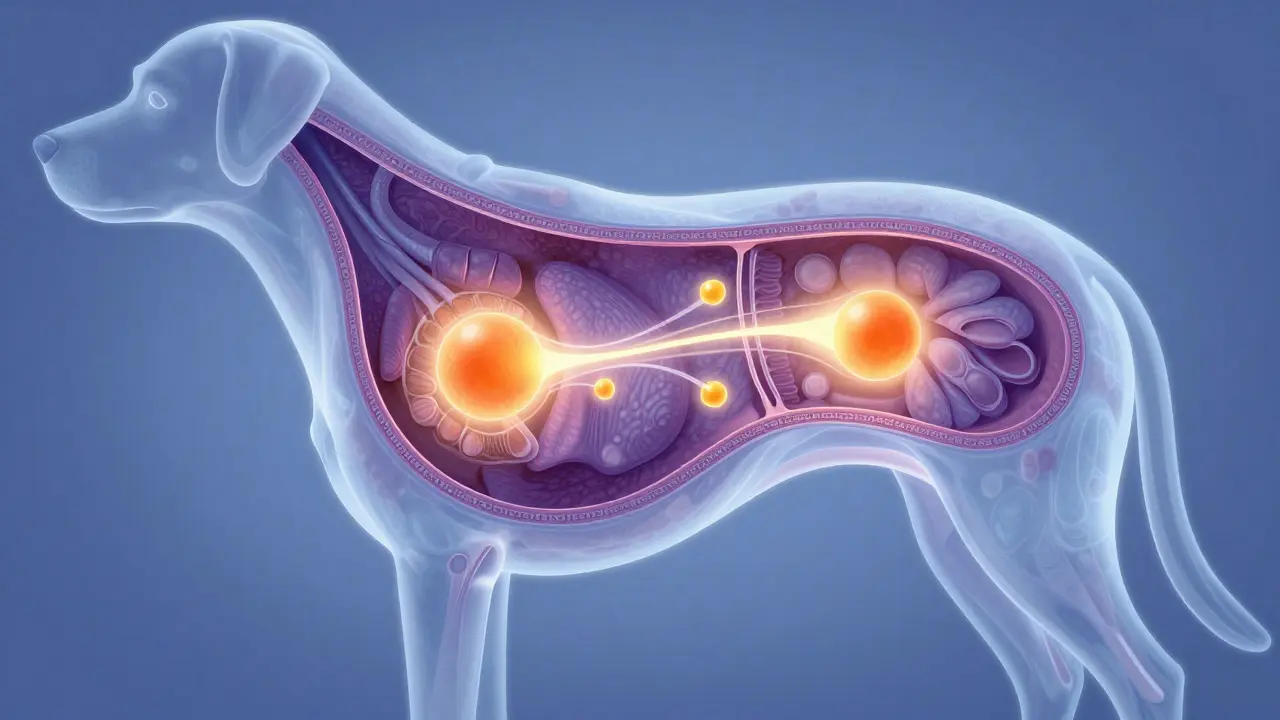
Fertility does not last the entire estrus period. Ovulation-the release of eggs-typically happens 24 to 48 hours after the luteinizing hormone (LH) surge. However, sperm can survive in the female reproductive tract for up to 7 days, while eggs remain viable for only 24 to 48 hours. This means the optimal breeding window is narrow. Waiting too long reduces the chance of fertilization because the eggs die off quickly.
Tracking Ovulation: Why Guessing Isn't Enough
Relying solely on visual signs like discharge color is risky. Two dogs in the same week of estrus can have different ovulation times due to individual hormonal variances. For reliable breeding, veterinarians use specific tests to pinpoint ovulation.
| Method | What It Measures | Accuracy Level | Cost Range |
|---|---|---|---|
| Vaginal Cytology | Cornified epithelial cells indicating estrogen peak | Moderate | $50 - $100 |
| Serum Progesterone | Hormone level rising after LH surge | High | $75 - $150 per test |
| LH Assay | Luteinizing hormone spike | Very High | $100 - $200 |
Progesterone testing is the gold standard for most professional breeders. When serum progesterone reaches approximately 4-7 ng/mL, ovulation is imminent or has just occurred. Breeders often schedule matings when levels hit this threshold, maximizing the overlap between viable sperm and eggs.
Managing the Heat Cycle at Home
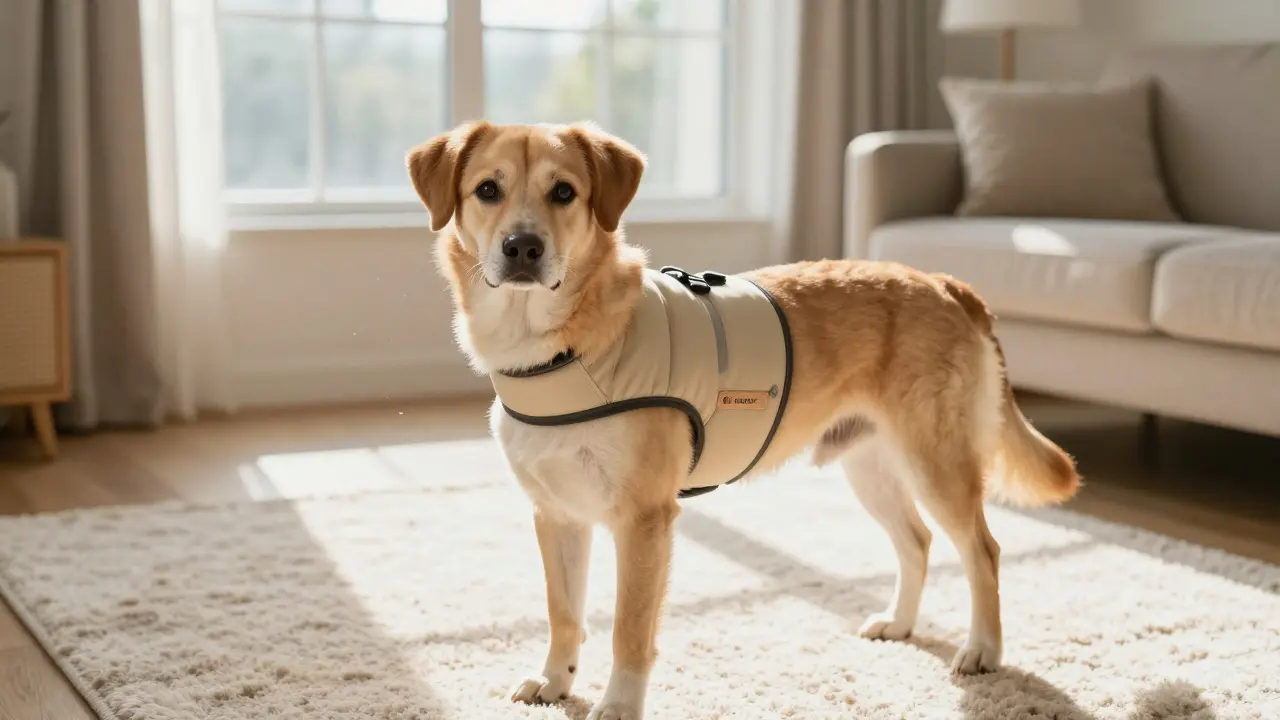
If you aren't planning to breed, managing the heat cycle requires preparation. The discharge can stain furniture and carpets. Using dog diapers or belly bands designed for heat cycles can contain messes and reduce anxiety for both the dog and the owner. Keep the dog indoors or on a leash in safe areas to prevent escape attempts, as roaming males can travel miles to find a receptive female.
Behavioral management is also key. Some dogs become anxious or aggressive during proestrus and estrus. Provide extra exercise, mental stimulation, and calm environments to help them cope. Avoid introducing new pets or high-stress situations during these two weeks.
Breeding Considerations and Risks
Natural breeding requires careful health checks for both parents. Both dogs should be screened for genetic diseases common to their breed, such as hip dysplasia, eye disorders, or heart conditions. A pre-breeding exam ensures the female is physically fit for pregnancy. After successful mating, the first signs of pregnancy appear around day 25-30, including nipple enlargement and weight gain. Ultrasound confirmation is possible as early as day 25, while X-rays show fetal skeletons around day 45.
If no breeding is intended, spaying is the definitive solution. Spaying removes the ovaries and uterus, eliminating the heat cycle entirely. It also drastically reduces the risk of mammary tumors and eliminates pyometra, a life-threatening uterine infection. The best time to spay is often before the first heat cycle, though recent studies suggest waiting until after the first or second heat may offer additional musculoskeletal benefits for large breeds.
When to See a Veterinarian
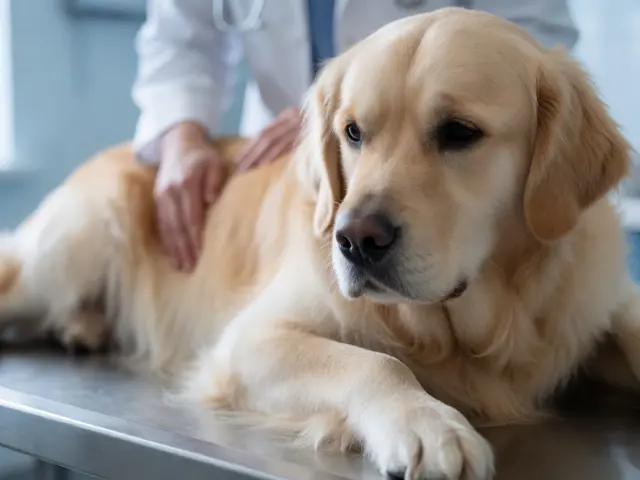
While heat cycles are normal, certain signs warrant veterinary attention. Excessive bleeding lasting more than three weeks, foul-smelling discharge, lethargy, or loss of appetite could indicate an underlying issue like a uterine infection or cyst. Older dogs (over 7 years) may experience irregular cycles or longer intervals between heats. Monitoring these changes helps catch problems early.
How long does a dog stay in heat?
The total heat cycle, from the start of proestrus to the end of estrus, usually lasts 2 to 4 weeks. Proestrus averages 7-10 days, and estrus averages 5-9 days. Diestrus follows immediately but has no external signs unless the dog is pregnant.
Can a dog get pregnant during proestrus?
It is highly unlikely. While sperm can be deposited, the female usually rejects males, and ovulation has not yet occurred. Pregnancy rates are highest during the mid-to-late estrus phase when the dog accepts mounting and ovulation is complete.
Do all dogs go into heat twice a year?
Most medium and large breeds cycle twice a year, roughly six months apart. Small toy breeds like Chihuahuas or Yorkies may cycle once a year or even every 4-5 months. Giant breeds sometimes cycle less frequently. Individual variation is common.
Is it safe to let a dog in heat roam outside?
No. Roaming increases the risk of unwanted pregnancy, injury from fights with other dogs, or getting lost. Pheromones can attract males from far away, leading to chaotic encounters. Keeping the dog leashed or confined is safer for everyone involved.
What is the best age to breed a female dog?
Veterinarians generally recommend waiting until the second or third heat cycle, which corresponds to ages 1.5 to 2.5 years for most breeds. This allows full physical and mental maturity, reducing risks associated with premature reproduction.