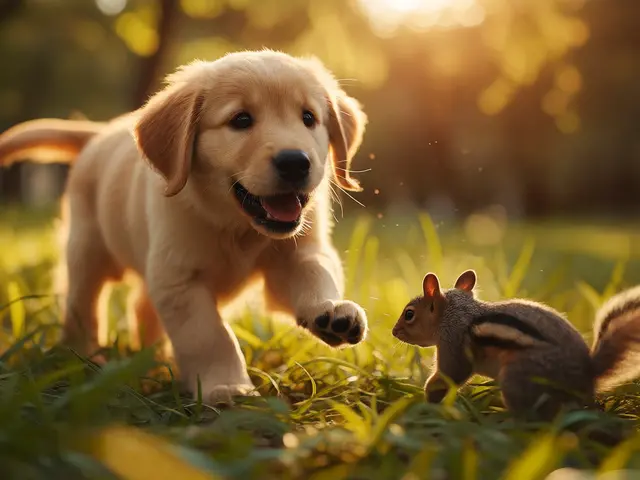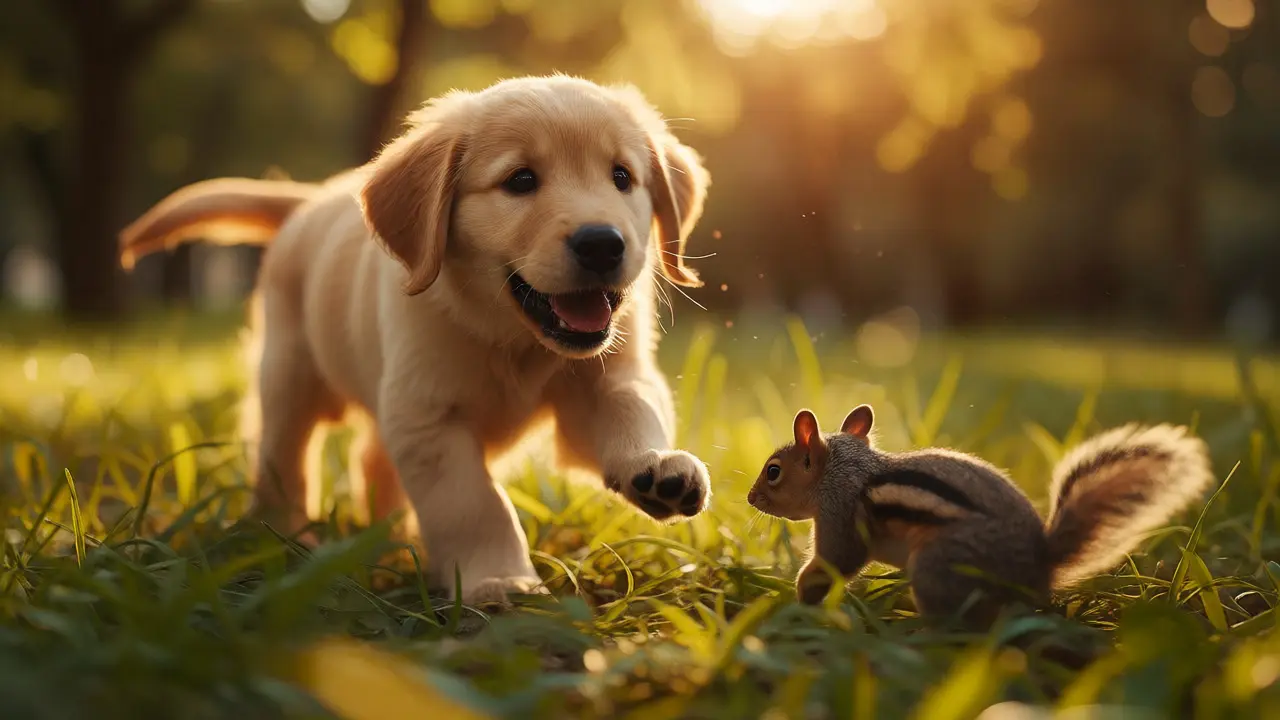
You’re at the park. Your puppy is having the time of their life, chasing a squirrel with the intensity of an Olympic athlete. You call their name. Nothing. You try again, louder. Maybe a glance back, maybe not. Then they disappear behind a bush, and you realize that right now, your puppy’s ears are essentially decorative. This isn’t just annoying; it’s a safety issue. If your dog can’t come when called, they can’t be trusted off-leash, and in some places, that means they can’t really enjoy freedom at all.
Teaching recall is one of the most critical skills in dog training. It’s the difference between a chaotic walk and a relaxed stroll, between panic and peace of mind. But here’s the thing: most people get it wrong because they treat it like a trick instead of a foundation. They use too many words, too much frustration, or worse, they punish the dog for coming. Let’s fix that. We’re going to build a rock-solid recall using simple, science-backed methods that work even with the most distracted puppies.
Why Your Puppy Isn’t Coming (And Why It’s Not Their Fault)
Before we dive into the "how," let’s talk about the "why." Dogs don’t ignore you because they’re stubborn or dominant. That’s old-school thinking that doesn’t hold up. Puppies ignore recalls for three main reasons: distraction, lack of motivation, or negative association.
Think about it from their perspective. You’re standing ten feet away holding a piece of kibble that smells okay. Meanwhile, there’s a rabbit running through the grass that smells amazing and moves unpredictably. The rabbit wins every time if the reward isn’t better than the environment. Or worse, have you ever yelled "Come!" while reaching for a leash when your puppy was having fun? To them, "Come" might mean "The fun ends now." If coming to you results in the end of playtime, being bathed, or getting scolded for chewing something, why would they rush toward you?
The goal is to make yourself more interesting than the squirrel. That sounds hard, but it’s entirely doable with the right tools and mindset. You need to become the source of good things, not the stopper of good things.
The Golden Rule: Never Punish a Come
This is non-negotiable. If your puppy takes ten minutes to finally trot over to you after you’ve been calling them repeatedly, what do you do? Do you say, "Where have you been? I’ve been waiting forever!" while looking annoyed? If so, you just poisoned the cue.
Dogs live in the moment. If they associate the act of coming to you with your anger or the cessation of fun, they will hesitate next time. And hesitation gets dogs hit by cars. So, no matter how frustrated you are, when that puppy reaches your hand, it’s party time. High-pitched voice, treats, petting, praise-whatever your dog loves. Even if they took five minutes to arrive, celebrate their arrival. You can manage their behavior later (like putting on the leash calmly), but the emotional response to the return must always be positive.
Step 1: Build Value Before Adding Distance
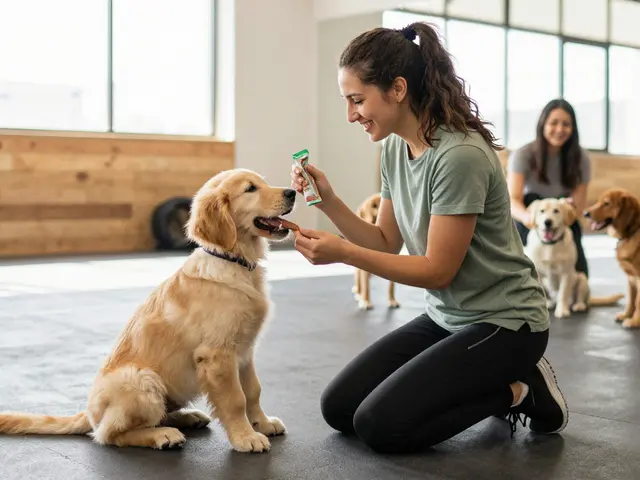
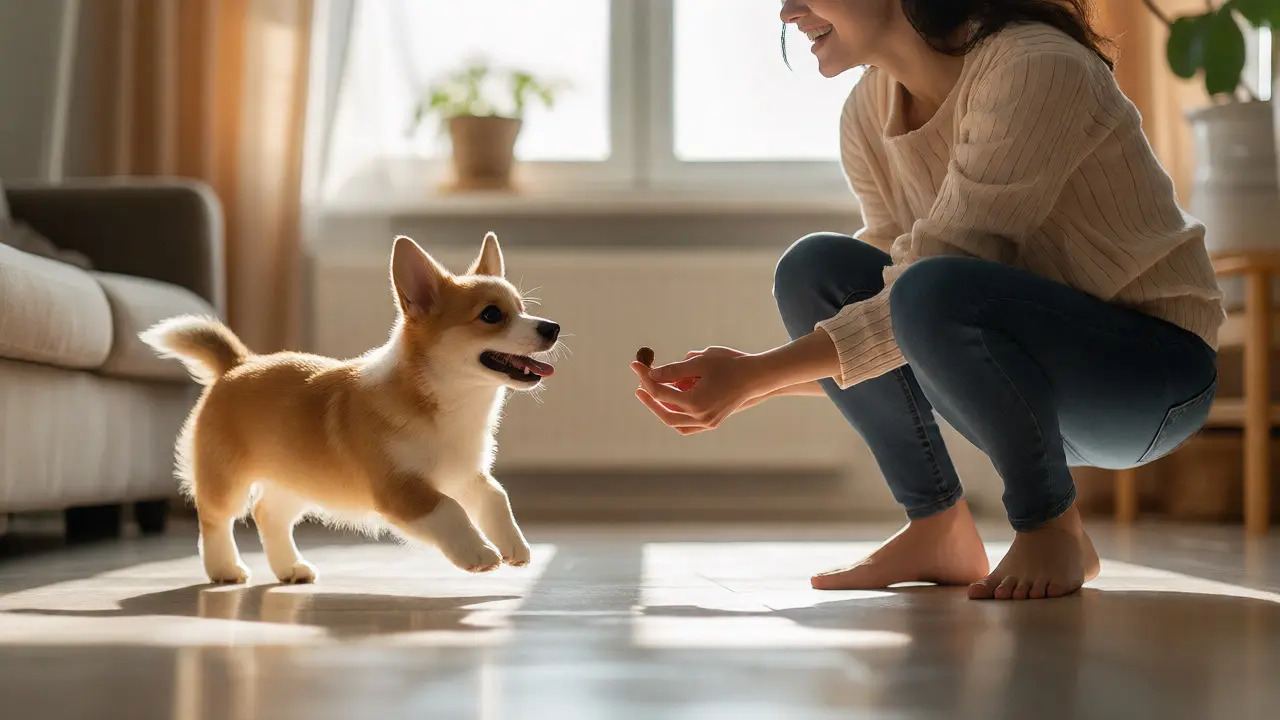
Start inside your house. There are fewer distractions, which sets your puppy up for success. Grab a handful of high-value treats. Not dry kibble, unless your puppy thinks kibble is gold. Use small pieces of chicken, cheese, or specialized training treats. You want something they’d sell their soul for.
Here’s the drill:
- Say the cue: Choose one word. "Come" is standard, but some trainers prefer "Here" or "Touch" to avoid confusion with casual conversation. Stick to one word forever.
- Show the treat: Hold the treat near your chest or nose level to catch their eye.
- Reward immediately: As soon as they move toward you, mark the behavior with a clicker or a verbal marker like "Yes!" and give the treat.
Do this in short bursts. Ten repetitions, then stop. Keep it fun. If your puppy is confused, take a step back. You want them to think, "Wow, when I hear that sound, I should run to Elias because he has pizza!" (Okay, maybe not pizza, but you get the idea.)
Step 2: Add Distance and Distractions Gradually
Once your puppy is reliably coming from across the living room, it’s time to level up. But don’t jump straight to the dog park. That’s like asking a student who just learned the alphabet to write a novel. Increase difficulty in small increments.
| Stage | Environment | Distance | Success Criteria |
|---|---|---|---|
| 1 | Quiet Room | 3-5 feet | Comes within 2 seconds |
| 2 | Hallway/Kitchen | 10-15 feet | Comes despite mild noise |
| 3 | Fenced Yard | 20+ feet | Comes despite visual distractions |
| 4 | Quiet Park | Variable | Comes despite other dogs/people |
Notice the pattern? Low distraction first, then higher. In the yard, you might see a leaf blow by. That’s a distraction. If your puppy breaks focus, you’re moving too fast. Go back a stage. It’s better to spend two weeks mastering the hallway than two months failing at the park.
The Long Line: Your Safety Net
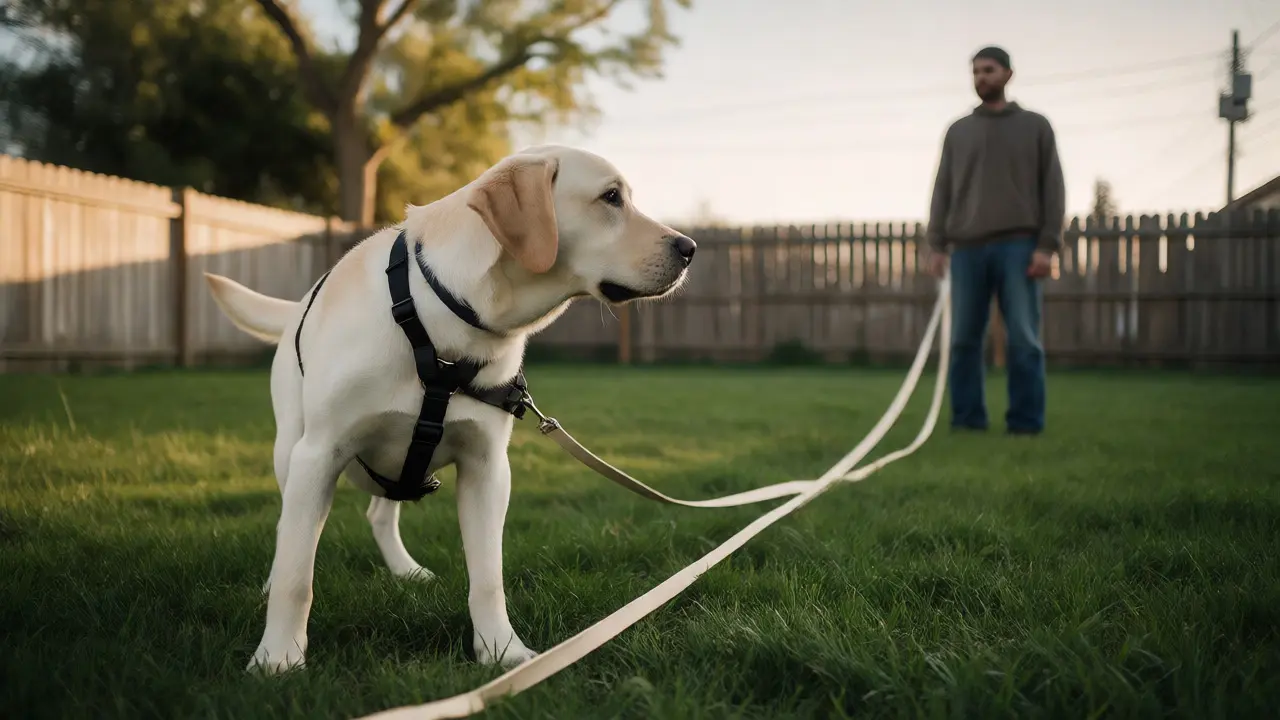
You might be tempted to let your puppy roam free in the yard once they’re doing well indoors. Resist that urge until they have a solid recall. A long line-a 15 to 30-foot lightweight rope-is your best friend. It allows you to simulate freedom while maintaining control.
Attach the long line to a harness (never a collar, to protect their neck) and let them drag it around under supervision. Call them. If they ignore you, gently pick up the line and guide them to you. Don’t yank. Just apply steady pressure. When they reach you, reward heavily. This teaches them that ignoring the cue doesn’t result in escape; it results in a gentle tow back to the reward center. Over time, they’ll realize it’s easier to just turn around and run to you.
Troubleshooting Common Recall Failures
Even with perfect technique, things go sideways. Here’s how to handle the most common issues.
- The Slow-Mo Walk: Your puppy hears you but strolls over casually. Solution: Be more exciting. Run backward while calling them. Make yourself a moving target. Dogs love to chase. Also, check your treat value. Is it worth walking for? Probably not. Upgrade the snack.
- The Look Back: They look at you, then look away. This means the distraction is too strong. Reduce distance or remove the distraction temporarily. Don’t repeat the cue five times. Say it once. If they don’t come, you failed to set them up for success. Reset and try again closer.
- The "I’ll Come Later": They finish sniffing a bush before coming. This is actually okay if they eventually come! Reward the completion of the task. However, if they never come, you need to re-establish the connection. Stop practicing in that specific spot for a few days and try a new location.
Generalizing the Command: Context Matters
Dogs are contextual learners. They learn that "Come" works in the kitchen but might not work at the beach. You need to practice in different environments to generalize the skill. This is called stimulus control.
Vary your locations weekly. Try the driveway, a quiet street, a friend’s backyard, and eventually a busy sidewalk. Each new place resets the difficulty level. Start close and easy in each new spot. Also, vary who calls them. If only you call, they’ll tune out everyone else. Have family members practice with the same rules: one cue, high rewards, no punishment.
Maintaining the Skill for Life
Training isn’t a one-time event. It’s a lifestyle. Once your puppy has a reliable recall, you still need to reinforce it occasionally. Think of it like updating software. You don’t need daily updates, but you do need periodic maintenance.
Keep a jar of high-value treats near the door. Every time you call your dog to come in, give them a jackpot reward (three or four treats). This keeps the association strong. Also, mix up the routine. Sometimes, when they come, clip on the leash and leave. Other times, throw a ball. This prevents them from predicting that "Come" always means the end of the fun. Unpredictability keeps them engaged.
Remember, consistency beats intensity. Five minutes of focused practice every day is far more effective than an hour-long session once a week. Keep sessions short, happy, and frequent. Your puppy’s brain learns best when it’s fresh and motivated.
Frequently Asked Questions
How long does it take to teach a puppy reliable recall?
It varies by breed and individual dog, but most puppies show basic understanding within two weeks of consistent daily practice. True reliability, especially around distractions, typically takes 3 to 6 months. Adolescence (around 6-8 months) can cause temporary regression, so keep practicing even when they seem to know it.
Should I use a clicker for recall training?
Yes, if you are already clicker trained. The click marks the exact moment the behavior occurs, which helps the dog understand precisely what is being rewarded. If you aren't familiar with clickers, a verbal marker like "Yes!" or "Good!" works just as well, provided it is consistent and paired immediately with a treat.
What if my puppy ignores me completely?
If your puppy ignores you, you likely asked too much too soon. The environment was too distracting, or the reward wasn't valuable enough. Go back to a quieter location and shorter distance. Do not repeat the command multiple times; saying "Come, come, come" teaches them that the first one didn't count. Say it once, and if they don't respond, manage the situation physically (using a long line) and reset the training.
Can I use a whistle instead of a voice command?
Absolutely. Whistles carry further than voices and sound the same regardless of your mood. Many hunters and herders use whistles for recall. Just ensure you train the whistle exactly like a verbal cue: blow the whistle, reward when they come. Avoid changing cues mid-training.
Is it okay to chase my puppy when they won't come?
Generally, no. Chasing triggers a prey drive or play instinct, making them run faster. Instead, run away from them while calling their name excitedly. This turns the interaction into a game where they chase you. Only chase them if you need to catch them for safety, and even then, approach calmly rather than lunging.