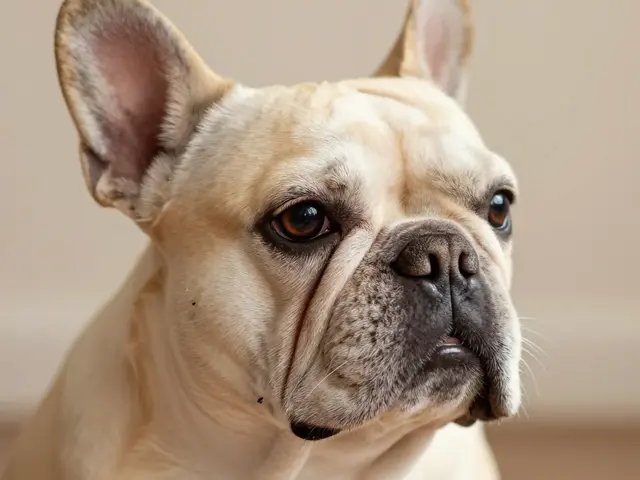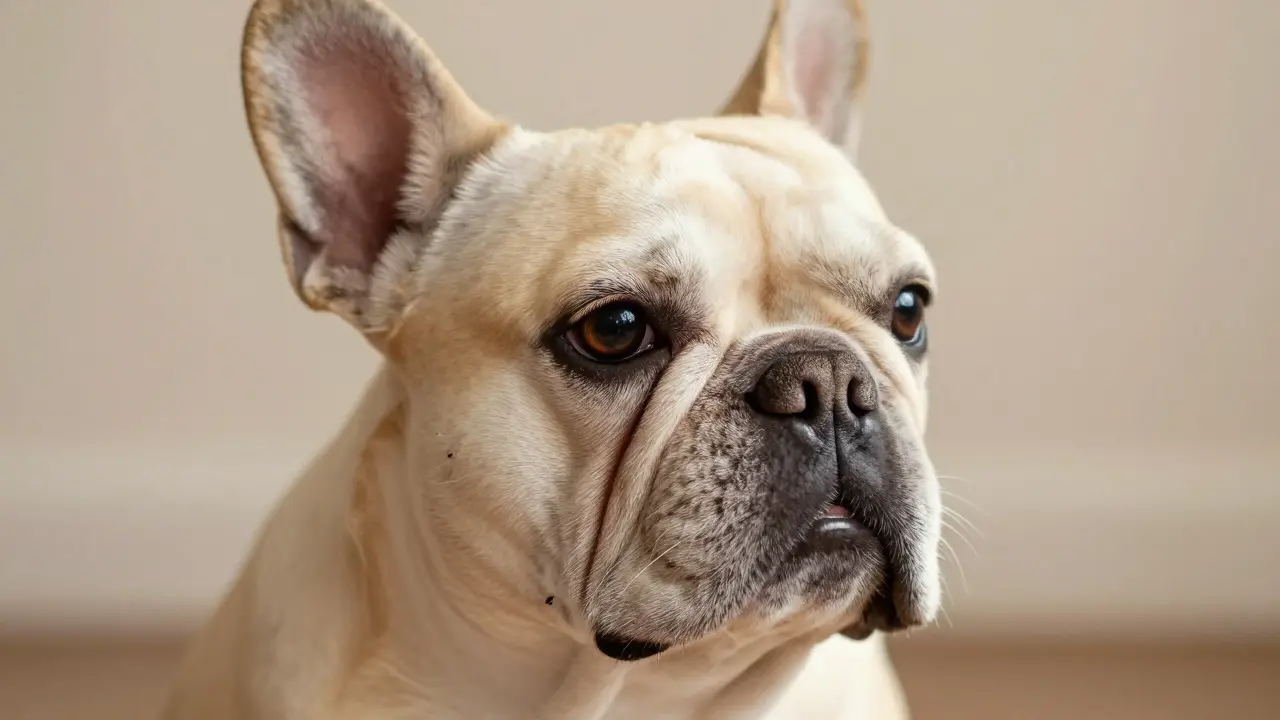
Walking a French Bulldog on a warm afternoon can feel like a test of willpower. One minute they’re happily trotting; the next, their breathing turns into a loud, rattling snore that stops you in your tracks. If you own a Brachycephalic Dog is a dog with a short, flat face and compressed skull structure that affects breathing. Common examples include Bulldogs, Pugs, Boxers, Boston Terriers, and Shih Tzus., you know this struggle well. Their unique anatomy makes standard dog exercise routines risky if not adjusted carefully.
The core problem isn't just laziness or low energy; it’s physiology. These dogs have narrower nasal passages and shorter airways. This setup restricts airflow, especially when heart rate rises during physical activity. Understanding brachycephalic dog exercise needs means shifting from "how much should I walk them?" to "how do I keep them cool and breathing easily?"
Why Anatomy Changes Everything
To understand why these dogs need special care, look at the three main anatomical issues that define the group:
- Narrow Nostrils (Stenotic Nares): The openings are physically too small, forcing the dog to work harder to inhale air.
- Elongated Soft Palate: The soft tissue at the back of the throat hangs down into the airway, acting like a flap that flutters when breathing fast.
- Hypoplastic Trachea: In some breeds, the windpipe is narrower than average, further limiting oxygen flow.
These features don’t just make noise; they limit oxygen intake. When a typical Labrador Retriever runs, their lungs expand fully. For a Pug, the airway bottleneck means less oxygen reaches the blood per breath. This leads to faster fatigue and a higher risk of overheating because panting-their primary cooling mechanism-is less efficient.
The Heat Factor: Your Biggest Enemy
If there is one rule for Heatstroke Prevention in dogs with compromised respiratory systems., it’s this: avoid peak heat hours. Brachycephalic dogs overheat faster than any other group because they rely on panting to dissipate heat. Since their airways are restricted, they can’t pant effectively.
In Portland, Oregon, summers can be deceptively mild in the morning but turn humid by midday. Here is a practical schedule for summer months:
- Morning Walks: Before 8:00 AM. The pavement is cooler, and humidity is lowest.
- Evening Walks: After 7:00 PM. Wait until the sun has set completely.
- Midday Rest: Keep them indoors with fans or air conditioning. Avoid car rides unless necessary.
A good heuristic: If the ground is too hot for your palm for seven seconds, it’s likely too hot for their paws, and the air temperature is probably pushing their thermal limits. Check the "feels like" temperature, not just the actual temp. Humidity traps heat against their skin and fur, making even 75°F (24°C) dangerous for a heavy-coated Boxer.
Breed-Specific Nuances
Not all flat-faced dogs are created equal. While they share the same basic structural issues, their size and coat dictate different exercise approaches.
| Breed | Typical Weight | Daily Activity Goal | Key Risk Factor |
|---|---|---|---|
| French Bulldog | 16-28 lbs | 30-45 mins total (broken up) | Obesity & joint stress |
| Pug | 14-18 lbs | 20-30 mins total | Rapid overheating |
| English Bulldog | 40-50 lbs | 2-3 short walks (15 mins each) | Joint pain & weight gain |
| Boston Terrier | 12-25 lbs | 30-45 mins (more active) | High energy bursts |
| Shih Tzu | 9-16 lbs | 20-30 mins | Coat insulation |
French Bulldogs tend to gain weight quickly, which exacerbates breathing issues. Their exercise needs focus on maintaining a lean body mass rather than endurance. Short, frequent sessions are better than one long walk. English Bulldogs are heavier and often have hip dysplasia. High-impact activities like jumping on furniture or running on hard concrete should be minimized. Grass or dirt paths are safer for their joints. Boston Terriers are generally more energetic than their cousins. They can handle slightly longer walks but still require close monitoring for excessive panting. Shih Tzus have thick coats that trap heat. In summer, consider a professional groom to keep the coat short, reducing the thermal load during walks.
Signs of Overexertion: What to Watch For
Most owners wait until the dog collapses to realize something is wrong. Don’t wait. Learn the early warning signs of respiratory distress:
- Excessive Panting: More than 10 minutes of continuous panting after stopping movement.
- Loud Snoring/Gurgle: Breathing sounds that change from normal snorts to wet, gurgling noises indicate fluid or tissue obstruction.
- Gum Color: Healthy gums are pink. Pale, white, or bluish gums signal poor oxygenation. Bright red gums may indicate overheating.
- Unwillingness to Move: If they sit down and refuse to get up without coaxing, stop the walk immediately.
If you see any of these signs, stop the activity. Offer water (but don’t force them to drink large amounts quickly, as gulping can cause choking). Use a fan or move to shade. If symptoms persist for more than 15 minutes, seek veterinary care.
Low-Impact Alternatives to Walking
Walking isn’t the only way to provide mental and physical stimulation. For days when the weather is bad or the dog is tired, try these alternatives:
- Scent Work Games: Hide treats around the yard or living room. This engages their brain without requiring heavy cardiovascular exertion. It’s excellent for Mental Stimulation in dogs prone to boredom-related behaviors.
- Short Fetch Sessions: Use a lightweight ball. Limit throws to 5-10 times per session. Ensure they retrieve it slowly.
- Swimming (Supervised): Water supports their weight, reducing joint strain. However, not all brachycephalics are natural swimmers. Always use a life vest and stay close.
- Interactive Toys: Kongs filled with frozen yogurt or puzzle feeders keep them occupied for 15-20 minutes without moving their bodies much.
These activities burn calories and prevent obesity, which is critical because extra weight puts more pressure on the diaphragm and worsens breathing difficulties.
Common Mistakes Owners Make
Even experienced dog owners fall into these traps:
- Comparing to Other Breeds: Don’t expect a Pug to match a Beagle’s stamina. Their genetic ceiling is lower.
- Ignoring Body Condition Score: If you can’t feel their ribs easily, they are overweight. Lose weight before increasing exercise intensity.
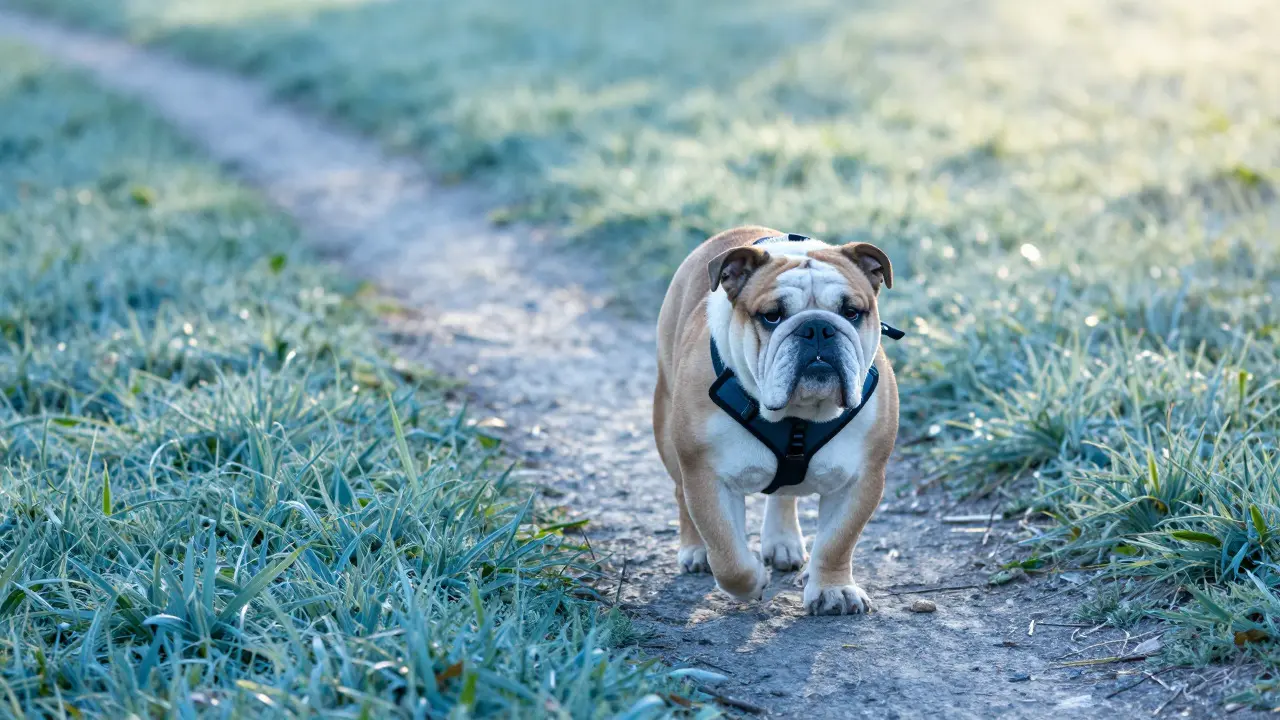
- Using Harnesses Incorrectly: Some harnesses pull on the chest, restricting lung expansion. Use a Y-shaped or H-shaped harness that allows full ribcage movement.
- Leaving Them in Cars: Even with windows cracked, cars become ovens. Brachycephalic dogs can die in minutes in a parked car.
When to See a Vet
Some dogs are born with severe Brachycephalic Obstructive Airway Syndrome (BOAS) in a condition affecting breathing due to anatomical abnormalities.. Signs include chronic snoring, gagging, or fainting episodes. A vet can assess if surgical correction of the nostrils or palate is needed. Early intervention can dramatically improve quality of life and allow for safer exercise later.
Frequently Asked Questions
How many miles should a brachycephalic dog walk per day?
There is no fixed mileage. Focus on time instead. Most small brachycephalic dogs need 20-45 minutes of total activity per day, broken into two or three sessions. Quality of breathing matters more than distance covered.
Can brachycephalic dogs run?
Generally, no. Running increases heart rate and breathing demand too rapidly for their airways to handle. Stick to a brisk walk. If they want to trot, let them, but monitor closely for excessive panting.
Is it safe to walk a French Bulldog in the rain?
Yes, provided the temperature is above 45°F (7°C). Cold, damp air can irritate sensitive airways. Dry them off thoroughly afterward to prevent chills and skin issues.
Do brachycephalic dogs need special collars?
A well-fitted collar is fine, but a harness is often recommended to reduce pressure on the neck. Avoid tight collars that might compress the already narrow trachea.
How do I tell if my dog is overheating vs. just tired?
Tired dogs slow down but breathe normally. Overheating dogs pant heavily, have bright red gums, and may drool excessively. If they collapse or seem confused, it’s an emergency.