Discovering your dog is pregnant can be exciting, but it also brings a lot of questions. When will the puppies arrive? What should you feed her? How do you know if something is wrong? Understanding the dog pregnancy timeline is the single most important thing you can do to ensure a healthy litter. It helps you prepare physically, emotionally, and financially for the arrival of new life.
The average gestation period for dogs is 63 days, or roughly nine weeks. However, this isn't a hard rule. Depending on the breed and the specific mating date, puppies can arrive anywhere from day 58 to day 72. Knowing where your dog fits in this window changes how you monitor her health and what kind of support she needs.
Understanding the Canine Gestation Period
Gestation is the biological process of carrying and developing offspring inside the mother's uterus. In dogs, this process is divided into three distinct trimesters. Each phase has specific physiological changes that dictate how you should care for the dam (the mother dog).
- First Trimester (Days 1-21): This is the foundation phase. The embryos implant in the uterine wall. You likely won't see any external signs yet. The focus here is on maintaining a stable environment and ensuring the dog continues her normal diet unless advised otherwise by a vet.
- Second Trimester (Days 22-45): Rapid growth begins. The puppies' organs form, and their bones start to harden. You may notice the dog's belly starting to swell slightly. Her appetite might increase as energy demands rise.
- Third Trimester (Days 46-63+): The final stretch. Puppies grow significantly in size. The dam's teats become swollen and may leak colostrum (pre-milk). Behavior changes often include nesting instincts and increased protectiveness.
Early Signs: What to Look For in Weeks 1-3
Catching early signs helps confirm the pregnancy before a vet visit. While not every dog shows obvious symptoms immediately, here are the common indicators owners report during the first few weeks:
- Nausea and Vomiting: Similar to morning sickness in humans, some dogs experience mild vomiting or loss of appetite around week 2. This usually resolves quickly.
- Behavioral Changes: Your dog might seem more tired than usual or seek extra attention. Conversely, some become irritable. Watch for shifts in her daily routine.
- Physical Subtleties: By the end of week 3, you might feel small lumps near the abdomen, though these are often too small to detect without ultrasound. The vulva may appear slightly pinker or swollen.
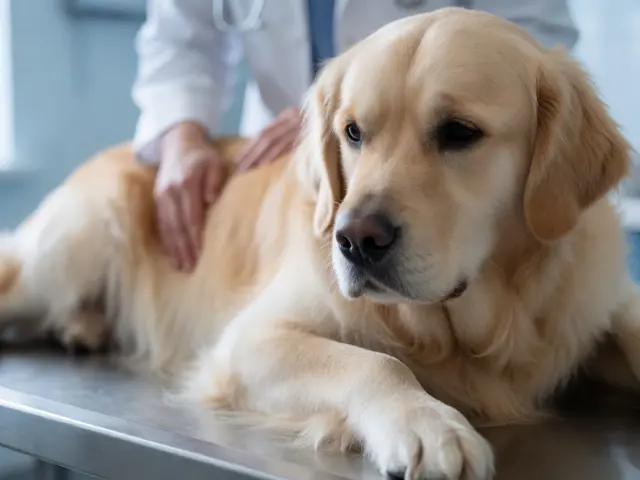
It is crucial not to rely solely on physical signs for confirmation. A veterinary check-up using palpation (feeling the abdomen) or an ultrasound is the only way to definitively diagnose pregnancy and estimate litter size early on.
Mid-Pregnancy Monitoring: Days 22 to 45
As we move into the second month, the stakes get higher. This is when the puppies develop rapidly, and the mother’s nutritional needs shift dramatically. Many owners make the mistake of overfeeding at this stage, which can lead to obesity in the dam and complications during birth.
Instead of simply increasing food volume, switch to a high-quality puppy food or a specialized gestation/lactation formula. These foods have higher concentrations of protein, calcium, and essential fatty acids. Monitor her weight weekly. She should gain about 25% of her pre-pregnancy body weight by the end of gestation. If she gains too little, consult your vet; if she gains too much, adjust portions carefully.
This is also the ideal time to schedule a veterinary examination. Around day 40 to 45, X-rays can accurately count the number of puppies and assess their bone development. This information is vital for preparing for delivery. Do you know how many puppies are coming? If not, ask your vet for an X-ray. It removes guesswork from the whelping process.

Final Week Preparation: The Nesting Phase
In the last seven to ten days, preparation becomes critical. The dam will likely exhibit strong nesting behavior. She may dig at bedding, hide in quiet corners, or become anxious. Respect this instinct by setting up a dedicated whelping box or area away from household traffic.
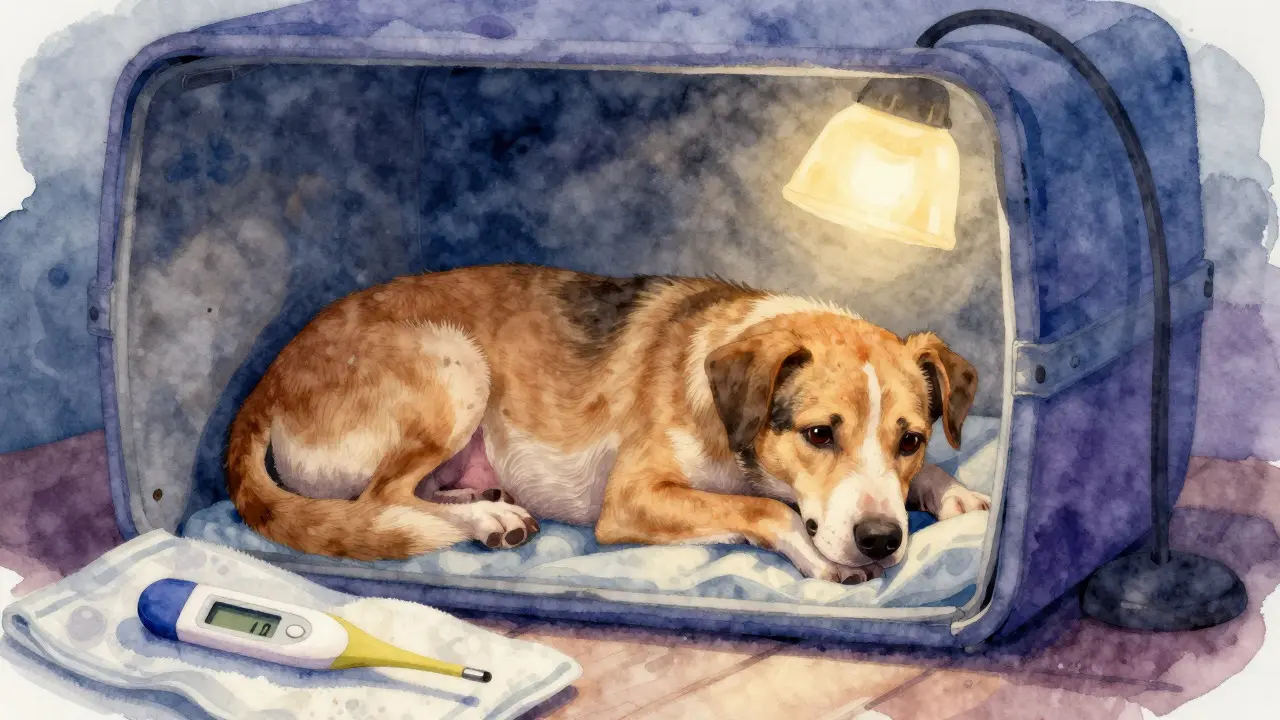
The whelping box should be large enough for her to turn around comfortably but enclosed enough to keep newborns safe. Line it with soft, washable towels. Ensure the room is warm (around 75°F or 24°C) and draft-free. Gather all necessary supplies now: clean towels, scissors, iodine for umbilical cords, a digital scale for weighing puppies daily, and a thermometer for monitoring rectal temperature.
Monitor the dam’s rectal temperature daily starting from day 58. A drop below 99°F (37.2°C) often indicates that labor is imminent, usually within 24 hours. This is one of the most reliable predictors of delivery time. Keep your phone close and have your vet’s emergency number handy.
Nutrition and Exercise During Pregnancy
Diet plays a massive role in a successful pregnancy. Here is a simple breakdown of feeding strategies based on the timeline:
| Stage | Timeline | Diet Recommendation | Exercise Level |
|---|---|---|---|
| Early | Days 1-21 | Normal adult maintenance diet | Regular walks, moderate activity |
| Mid | Days 22-45 | Switch to puppy/gestation food, increase portions by 25% | Shorter walks, reduce intense play |
| Late | Days 46-63 | Feed smaller meals more frequently (3-4 times/day) | Minimal exercise, short bathroom breaks only |
Avoid raw diets unless supervised by a veterinarian, as they carry risks of bacterial contamination like Salmonella or Listeria, which can harm both mother and puppies. Consistency is key. Sudden dietary changes can cause digestive upset, so transition foods gradually over a week.
Recognizing Warning Signs and Complications
While most pregnancies proceed smoothly, complications can arise. Being able to spot trouble early saves lives. Watch for these red flags:
- Prolonged Labor: If contractions last more than two hours without producing a puppy, call your vet. Dystocia (difficult birth) is a serious condition requiring immediate intervention.
- Excessive Bleeding: Some blood is normal, but heavy bleeding between puppies or after delivery signals a problem.
- Green Discharge: If greenish mucus appears before the first puppy is born, it means the placenta has separated. Delivery must happen within 30 minutes, or the puppies may suffocate.
- Fever or Depression: High fever, lethargy, or refusal to eat in the final days could indicate infection or other systemic issues.
Do not wait and see. If something feels off, trust your gut. Veterinary professionals prefer being called too early rather than too late.
After the Whelping: Postpartum Care
The job isn't done when the last puppy is born. The postpartum period is just as critical. The dam needs continued access to high-calorie lactation food to produce milk. Weigh the puppies daily for the first two weeks. They should gain weight consistently. If a puppy stops gaining or loses weight, it may need supplemental feeding.
Keep the whelping area clean to prevent infections. Change soiled towels frequently. Monitor the dam for mastitis (infected mammary glands), which presents as hot, painful, swollen breasts. Early treatment with antibiotics is effective.
Gradually introduce the puppies to the outside world after their eyes open (around day 10-14) and they begin walking (around day 2-3 weeks). Socialization starts early, but keep them safe from diseases until they have completed their initial vaccinations.
Frequently Asked Questions
How long is a dog's pregnancy?
The average dog pregnancy lasts 63 days, ranging from 58 to 72 days depending on the breed and individual factors. Smaller breeds tend to have shorter gestation periods, while larger breeds may take longer.
What are the first signs of dog pregnancy?
Early signs include nausea, vomiting, decreased appetite, and behavioral changes like increased affection or irritability. Physical signs like a swollen belly and enlarged teats usually appear later, around weeks 4-5.
Can I feel puppies in my dog's belly?
Yes, you can often feel fetal movement and individual puppies through abdominal palpation starting around day 45 to 50. However, a veterinary exam is more accurate for counting and assessing health.
What should I feed a pregnant dog?
Start with her regular diet in the first month. From the second month onward, switch to a high-quality puppy food or gestation/lactation formula. Increase portion sizes gradually to meet higher energy and nutrient demands.
How do I know when my dog is going to give birth?
Monitor her rectal temperature daily starting from day 58. A drop below 99°F (37.2°C) usually indicates labor will begin within 24 hours. Other signs include restlessness, nesting behavior, and loss of appetite.