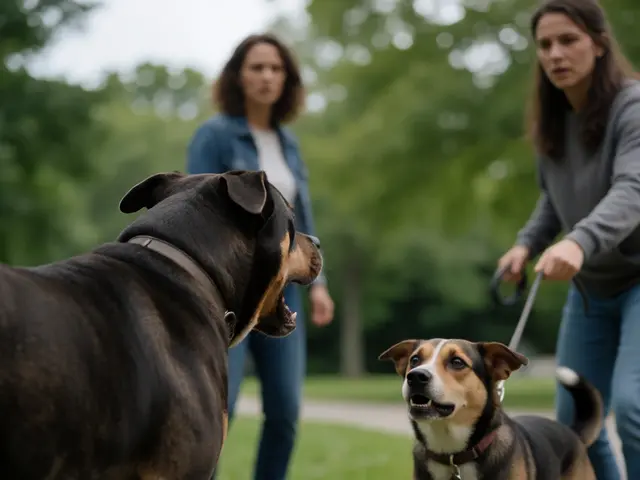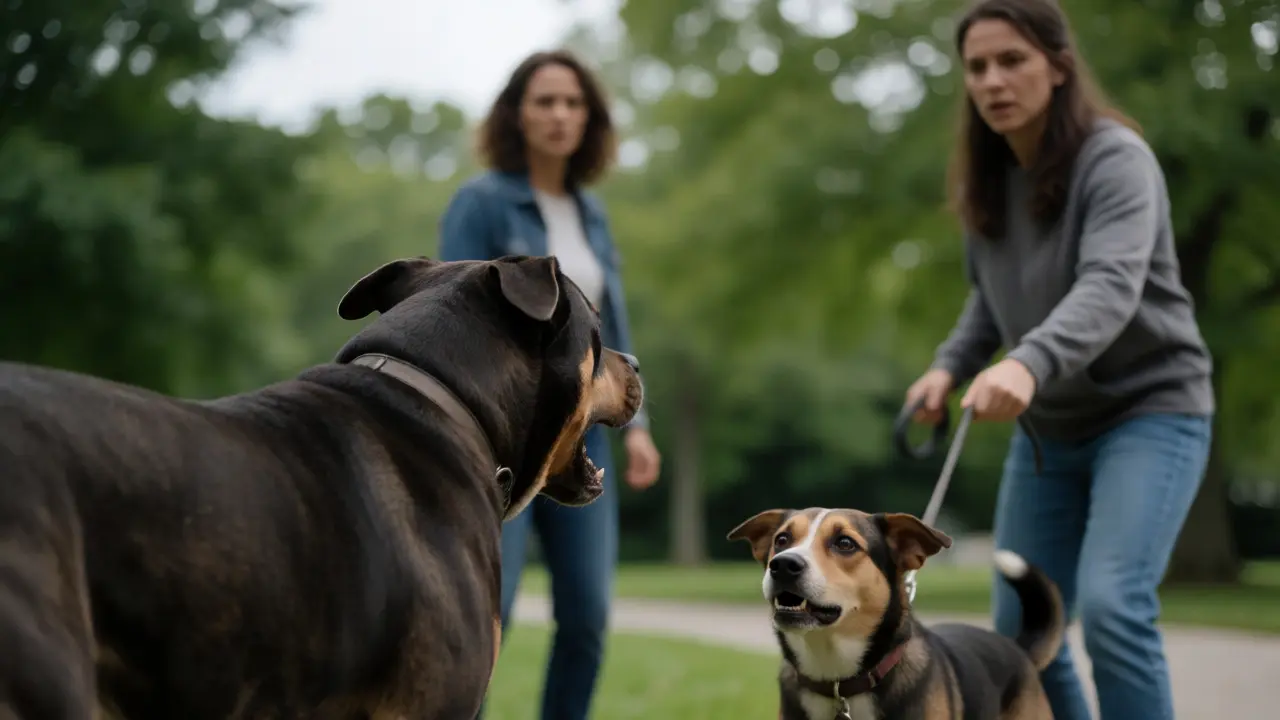
Imagine this: you’re walking your dog in a local park, and suddenly, a neighbor’s large breed lunges at your pet. The aftermath isn’t just emotional stress; it’s often a legal nightmare. If you own a dog with a history of aggression, the law doesn’t care about how cute they look when they sleep. It cares about who pays for the vet bills, the lost wages, and the potential criminal charges. In many jurisdictions, including here in Portland, Oregon, dog owner liability is strict. This means if your dog bites someone, you are almost always financially responsible, regardless of whether you knew the dog was aggressive.
But what exactly does "legal responsibility" entail? Is it just about paying money, or can you lose your home? Can you be arrested? The answers depend on where you live, but the core principles remain similar across most US states. Understanding your obligations as an owner of a potentially aggressive dog isn’t just about avoiding lawsuits-it’s about keeping your community safe and ensuring your dog stays with you rather than being euthanized by animal control.
Understanding Strict Liability vs. Negligence
Most people assume that if their dog has never bitten anyone before, they aren’t liable for the first incident. This is known as the "one-bite rule," and while some rural areas still use it, most modern cities have moved to strict liability. Under strict liability laws, the owner is automatically responsible for damages caused by their dog’s bite, even if the owner took every possible precaution. There is no defense of "I didn't know he would do it."
In contrast, negligence requires the victim to prove that you failed to act reasonably. For example, if you let your dog off-leash in a crowded market despite knowing he pulls hard, and he knocks over a pedestrian, that’s negligence. However, if your dog simply bites someone without provocation, strict liability usually kicks in, shifting the burden entirely onto you. This distinction matters because insurance companies and courts treat these cases very differently. With strict liability, the focus is on the injury, not your behavior. With negligence, they scrutinize your actions leading up to the incident.
Dangerous Dog Designations and Their Consequences
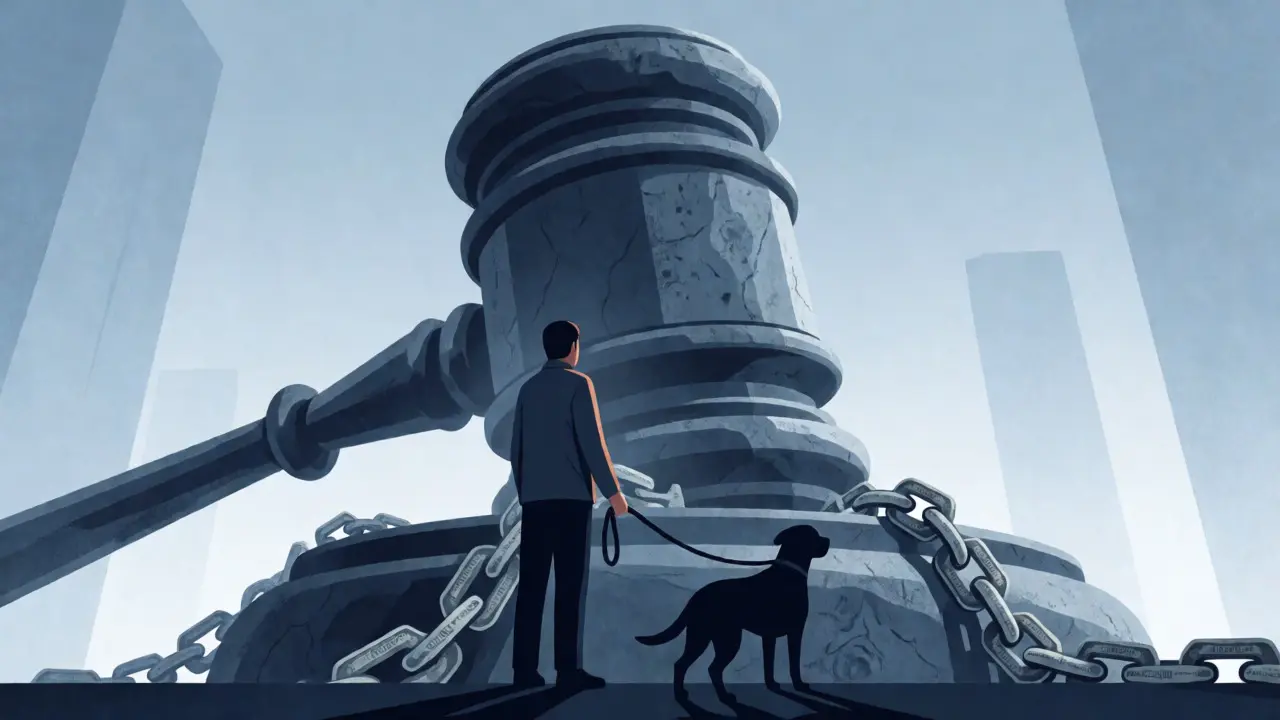
When a dog bites, it’s rarely the end of the story. Animal Control officers will investigate, and if they deem the dog "dangerous," you face specific legal hurdles. A Dangerous Dog designation is a formal legal status assigned by a court or administrative body after a hearing. It’s not just a label; it comes with mandatory compliance requirements.
Once designated, you must register the dog with the city, purchase higher-liability insurance (often $100,000 coverage minimum), and secure the animal in a way that prevents escape. Failure to comply can result in daily fines, seizure of the dog, or even criminal misdemeanor charges. Here is how different designations typically impact owners:
| Classification | Trigger Event | Owner Obligations | Consequence of Non-Compliance |
|---|---|---|---|
| Potentially Dangerous | First minor bite or aggressive display | Muzzle in public, leash restrictions, warning signs | Fines, increased supervision |
| Dangerous Dog | Second bite or severe injury | Secure enclosure, high-limit insurance, sterilization | Seizure, impoundment fees, potential euthanasia |
| Vicious Dog | Unprovoked attack causing serious harm | Total confinement, restricted movement, specialized training | Criminal charges, permanent removal from property |
Homeowner’s Insurance and Exclusions
You might think your standard homeowner’s policy covers everything. Think again. Most policies cover dog bites under personal liability coverage, but there are significant caveats. Many insurers exclude specific breeds deemed "high-risk," such as Pit Bulls, Rottweilers, Dobermans, and German Shepherds. If you own one of these breeds, your insurer might drop your coverage upon renewal or refuse to renew it altogether.
If you don’t disclose your dog’s breed or history of aggression when buying a policy, and a claim arises, the insurer can deny payment, claiming misrepresentation. This leaves you personally liable for thousands of dollars in medical bills and legal fees. To mitigate this, consider umbrella insurance policies that offer broader liability protection. Always read the fine print regarding "animal exclusions." If you have a history of incidents, you may need to seek out specialty carriers who insure high-risk pet owners, though premiums will be significantly higher.
Proactive Measures to Reduce Liability
Waiting for a lawsuit to happen is a risky strategy. Proactive management demonstrates good faith and can sometimes prevent a dog from being classified as dangerous. First, invest in professional behavioral training. Documenting sessions with a certified trainer provides evidence that you are actively managing your dog’s behavior. Courts and animal control officers look favorably on owners who take steps to rehabilitate aggressive tendencies.
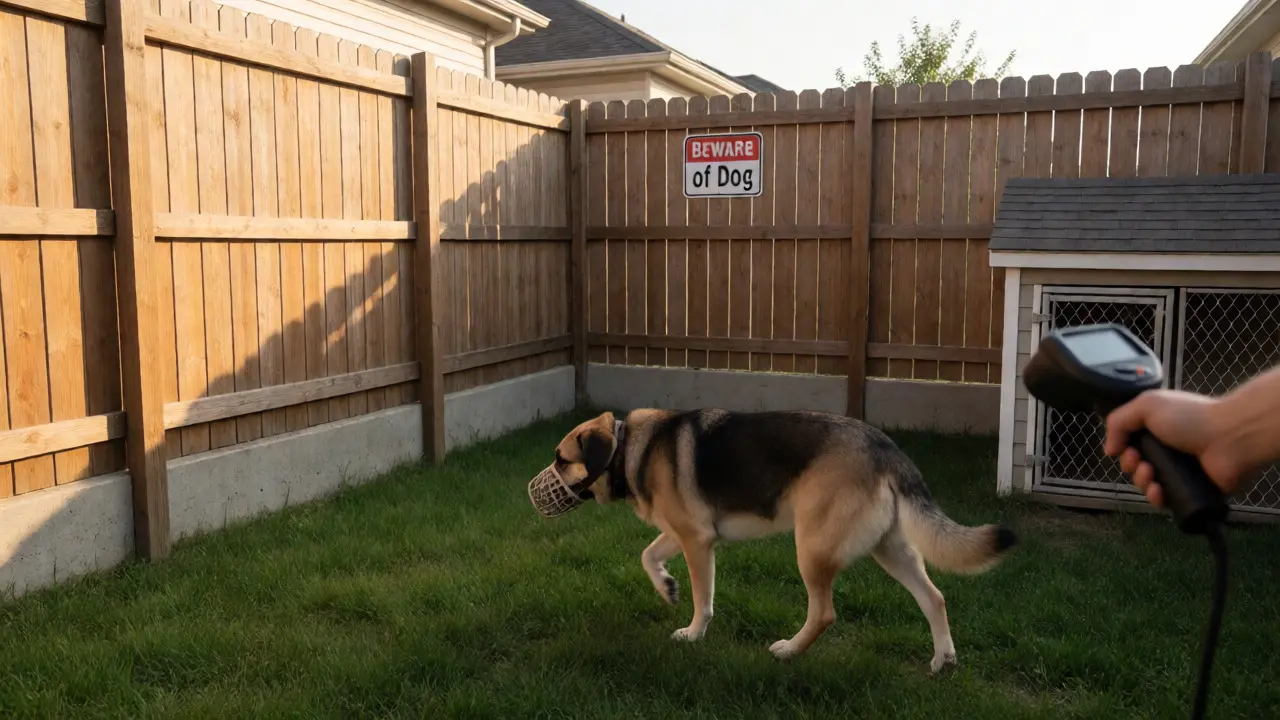
Second, manage your environment. Use sturdy fencing with no gaps. Install "Beware of Dog" signs at visible points around your property perimeter. This serves two purposes: it warns visitors, which can reduce liability for trespassers in some jurisdictions, and it shows due diligence. Third, ensure your dog is microchipped and licensed. If your dog escapes and causes an accident, having proper identification speeds up resolution and proves ownership clearly.
Consider using a muzzle during walks, even if your dog hasn’t bitten recently. It’s a low-cost tool that prevents accidents and signals to others that you are taking safety seriously. Remember, in legal terms, prevention is cheaper than litigation. A $50 muzzle costs far less than a $5,000 legal defense fund.
The Role of Animal Control and Local Ordinances
Local ordinances vary wildly. In Portland, for instance, there are no breed-specific bans, but there are strict rules regarding loose animals and nuisance behaviors. Other cities have enacted Breed-Specific Legislation (BSL), banning certain breeds outright or requiring them to be spayed/neutered and muzzled in public. Ignoring local codes is the fastest way to get into trouble.
When an incident occurs, Animal Control investigates the context. Was the dog provoked? Was the victim trespassing? Did the owner violate leash laws? These factors influence whether the dog is quarantined, fined, or removed. Cooperating fully with Animal Control is crucial. Resisting inspection or hiding the dog can escalate penalties. Keep records of all interactions, including photos of injuries, witness statements, and police reports. This documentation becomes your primary defense in any subsequent hearings.
Criminal Liability: When It’s More Than Civil
While most dog bite cases are civil matters involving money, extreme cases lead to criminal charges. If a dog kills a person or causes grievous bodily harm, the owner can face manslaughter or assault charges. This is particularly true if the owner knew the dog had a violent history and failed to contain it. In some states, leaving a dangerous dog unattended in a public place is a misdemeanor offense.
Jail time is rare but possible. More commonly, judges order restitution payments, community service, or mandatory counseling for the owner. In severe cases, the judge may order the destruction of the animal. Fighting a criminal charge requires a criminal defense attorney, not just a personal injury lawyer, adding another layer of cost and complexity to the situation.
Does my homeowner's insurance cover dog bites?
Usually, yes, under the personal liability section. However, many policies exclude specific breeds like Pit Bulls or Rottweilers. If you have a high-risk breed, check your policy exclusions immediately. You may need a separate rider or a different insurer to maintain coverage.
What happens if my dog bites someone while I am walking them?
If the dog was on a leash and you were compliant with local laws, your liability might be reduced compared to an unleashed incident. However, strict liability laws often apply regardless of leash status. The victim can still sue for medical expenses and pain and suffering. Immediate exchange of contact information and reporting to Animal Control is required.
Can my dog be taken away permanently after one bite?
Rarely after a single, minor bite unless the attack was unprovoked and severe. Typically, a first incident results in a quarantine period and a "Potentially Dangerous" designation. Permanent removal or euthanasia is more common after repeated offenses or attacks resulting in serious injury or death.
Do I need special insurance for an aggressive dog?
Yes, especially if your dog has been legally designated as dangerous. Standard policies may cap liability limits too low (e.g., $100k) or exclude your breed. Look for policies offering $300k+ liability coverage and ensure the insurer accepts your specific breed and history.
Is the "One Bite Rule" still valid everywhere?
No. Most urban areas and many states have adopted strict liability laws, meaning the owner is liable for the first bite. The One Bite Rule, which protects owners from liability for the first incident unless negligence is proven, is mostly limited to rural jurisdictions or specific states with older legal frameworks.