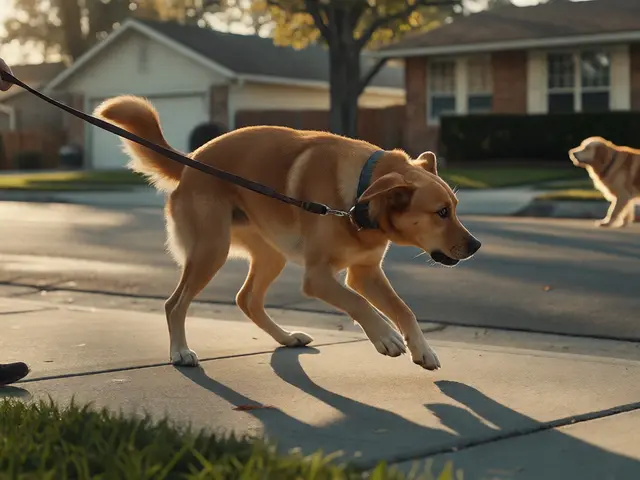
Your dog is finally calm enough to stay home alone. But then you notice they’re drooling excessively, or maybe their appetite has vanished. It’s a stressful moment for any pet owner. You bought the dog anxiety medication because your vet said it was the only way to stop the destruction and the howling. Now you’re wondering if the cure is worse than the disease.
Treating separation anxiety in dogs often involves a combination of behavioral modification and pharmacological support. While these drugs are generally safe when prescribed correctly, they do carry risks. Understanding what is normal versus what requires a phone call to your veterinarian can save your dog from unnecessary suffering and prevent dangerous complications.
Understanding the Common Drugs Used for Canine Anxiety
Before we look at side effects, you need to know what is actually going into your dog’s system. Vets typically prescribe two main classes of drugs for this condition: SSRIs (Selective Serotonin Reuptake Inhibitors) and Benzodiazepines. Each works differently and has a distinct profile of potential reactions.
SSRIs are long-term maintenance medications. The most common ones are fluoxetine (Prozac) and sertraline (Zoloft). These work by increasing serotonin levels in the brain over time. They don't work instantly; you usually won't see results for 4 to 6 weeks. Because they change brain chemistry gradually, the side effects tend to be subtle but persistent.
Benzodiazepines, on the other hand, are fast-acting sedatives. Examples include alprazolam (Xanax) and diazepam (Valium). These are often used for acute stress or as a bridge while waiting for SSRIs to kick in. They act within 30 minutes to an hour. However, because they depress the central nervous system, their side effects are more immediate and noticeable.
There is also a newer class called GABAergic agents, such as gabapentin. This drug is technically an anticonvulsant but is widely used off-label for anxiety. It helps calm the nerves without causing the heavy sedation associated with benzodiazepines.
What to Watch For: Gastrointestinal Distress
The most common complaint owners report is stomach upset. If you give your dog an SSRI like fluoxetine, keep a close eye on their eating habits for the first two weeks.
- Loss of Appetite: A mild decrease in food interest is common. If your dog skips one meal, wait until the next feeding. If they skip two meals, offer high-value treats like boiled chicken or wet food. If they refuse all food for 24 hours, contact your vet.
- Vomiting and Diarrhea: Mild, self-limiting GI issues occur in about 10-15% of dogs. Monitor hydration. If diarrhea persists for more than 48 hours, or if stools contain blood, seek medical attention immediately.
- Drooling: Excessive salivation is a hallmark of benzodiazepines. It’s usually harmless but messy. Keep towels handy. If drooling is accompanied by difficulty swallowing, check for esophageal irritation.
A practical tip: Always administer these medications with a full meal. An empty stomach increases the likelihood of nausea. Do not crush tablets unless your vet explicitly says it’s okay, as some formulations have enteric coatings that protect the stomach lining.
Behavioral Changes That Are Not Just "Calm"
You want your dog to be calm, but there is a difference between relaxed and dull. One of the trickiest side effects is behavioral blunting. Your dog might stop barking, but they might also stop playing, stop greeting you enthusiastically, or seem "zombie-like."
This is particularly common with benzodiazepines. If your dog seems confused, wobbly, or overly sleepy during the day, it may indicate the dose is too high. Benzodiazepines have a short half-life in many dogs, meaning they wear off quickly, leading to rebound anxiety later in the day. This cycle of sedation and panic can make the separation anxiety worse, not better.
Watch for disinhibition. Paradoxically, some dogs become *more* excitable or aggressive on certain anti-anxiety meds. If your gentle dog suddenly snaps at a toy or chases their tail compulsively, note the timing relative to the dose. This is rare but significant. It suggests the medication isn’t right for their specific neurochemistry.

Physical Signs and Long-Term Monitoring
While SSRIs are safe for long-term use, they do require monitoring. Liver enzymes can be affected after several months of therapy. Your vet should recommend a blood panel every 6 months for dogs on chronic SSRI therapy. Look for signs of liver stress, such as yellowing of the gums or whites of the eyes (jaundice), though this is extremely rare in dogs compared to humans.
For dogs taking gabapentin, watch for ataxia (loss of coordination). If your dog stumbles frequently or falls over, the dose might be too high. Gabapentin is renally excreted, so if your dog has underlying kidney disease, the drug can build up in their system faster, leading to toxicity.
| Medication Class | Common Brand Names | Primary Side Effects | Onset of Action | Duration of Effect |
|---|---|---|---|---|
| SSRIs | Fluoxetine, Sertraline | GI upset, lethargy, weight gain | 4-6 weeks | Long-term maintenance |
| Benzodiazepines | Alprazolam, Diazepam | Sedation, drooling, disinhibition | 30-60 minutes | 4-8 hours |
| GABAergic | Gabapentin | Lethargy, ataxia (wobbliness) | 1-2 hours | 6-12 hours |
When to Call the Vet vs. When to Wait
Panic is natural when you see a side effect, but not every reaction is an emergency. Here is a simple decision framework to help you triage at home.
- Mild GI Upset (Vomit/Diarrhea once): Withhold the next dose. Offer water. If it doesn’t recur, resume normal dosing. No vet call needed unless it persists for 48 hours.
- Extreme Lethargy or Wobbliness: Hold the next dose. Monitor for 12 hours. If symptoms persist or worsen, call the vet. This is especially critical for older dogs or those with heart conditions.
- Seizures or Collapse: Emergency. Call immediately. While rare, this can happen with improper dosing or interactions with other drugs like phenobarbital.
- Rebound Aggression: Call your vet within 24 hours. This indicates the current protocol isn’t working and may be causing more harm than good.
Keep a log. Write down the date, time of administration, and any observed behaviors. Vets love data. Instead of saying "he seemed weird," show them a log that says "At 9 AM, gave 10mg fluoxetine. By 2 PM, refused dinner. At 4 PM, mild tremors in hind legs." This precision helps them adjust the dose accurately.

Interactions and Lifestyle Adjustments
Medication is just one piece of the puzzle. If you are using medication for separation anxiety, you must pair it with environmental management. The drug lowers the emotional threshold, making training easier, but it doesn’t fix the root cause.
Be careful with supplements. Many owners add CBD oil or melatonin to help with sleep. While generally safe, combining multiple CNS depressants can lead to excessive sedation. Always disclose every supplement you give your dog to your vet. Also, avoid giving grapefruit juice, as it can interfere with the metabolism of certain SSRIs, potentially leading to higher drug levels in the blood.
Finally, never stop SSRIs abruptly. Stopping fluoxetine cold turkey can cause discontinuation syndrome, which includes irritability, insomnia, and even seizures. Tapering off slowly under veterinary supervision is essential for a safe exit from medication.
Frequently Asked Questions
How long does it take for dog anxiety medication to work?
Benzodiazepines work within 30 to 60 minutes but only last a few hours. SSRIs like fluoxetine take 4 to 6 weeks to reach full therapeutic effect. During this initial period, you may see no change or mild side effects. Patience is key, as rushing to switch medications often leads to a cycle of ineffective treatments.
Can I give my dog human anxiety pills?
Only if prescribed by a veterinarian. Dosages for dogs are based on body weight and species-specific metabolism. Giving a human dose of Prozac or Xanax can lead to overdose or toxicity. Even if the pill size looks small, the concentration per kilogram is different for dogs. Always consult a professional before repurposing human meds.
Is it safe to use medication for a puppy with separation anxiety?
Generally, vets prefer behavioral modification first for puppies. However, if the anxiety is severe and destructive, low-dose gabapentin or clomipramine might be considered. Puppies have developing brains, so long-term SSRI use is less common. The goal is to use the minimum effective dose for the shortest necessary time to allow socialization and training to take hold.
Why did my dog start shaking after taking the new medication?
Tremors can be a sign of over-sedation, particularly with benzodiazepines or gabapentin. It can also indicate pain or neurological issues unrelated to the med. If the shaking is mild and stops after a few hours, monitor closely. If it is persistent, rhythmic, or accompanied by loss of balance, contact your vet to rule out toxicity or adverse reaction.
Do I need to taper off dog anxiety medication?
Yes, especially for SSRIs and tricyclic antidepressants. Abrupt cessation can cause withdrawal symptoms like restlessness, vomiting, and mood swings. Benzodiazepines also require tapering to prevent rebound seizures. Your vet will create a schedule to reduce the dose gradually over 2 to 4 weeks, depending on how long your dog has been on the medication.