Key Takeaways for a Smooth Transition
- Dogs don't have a concept of 'identity' tied to a name; they view names as cues for attention.
- A gradual transition using a 'bridge name' is often less stressful than an abrupt change.
- Positive reinforcement is the only way to ensure the new name is associated with rewards.
- Consistency among all family members is the fastest way to lock in the new name.
The Psychology of a Dog's Name
First, let's clear up a big myth: dogs don't wake up thinking, "I am Buster." In the world of Canine Cognition, a name is simply a sound that means "Pay attention to the human because something good is about to happen." Canine cognition is the study of the mental processes of dogs, focusing on how they perceive language and social cues. When you call a dog, they aren't recognizing their identity; they are recognizing a specific auditory trigger.
Because of this, changing a name isn't like changing a human's legal identity. You aren't erasing their past; you're just updating the trigger. If your adopted dog was called "Rex" for three years, they have a strong neural pathway connecting that sound to a reward. Your goal is to build a new, stronger pathway for the name you've chosen. This is where adopted dog name change strategies come into play.
When Should You Actually Change the Name?
You might be wondering if it's even necessary to change the name. If you love the name the shelter gave them, there's no rule saying you have to change it. However, there are a few practical reasons why a fresh start helps. For instance, if the dog has a history of negative associations with their old name-perhaps a previous owner only yelled it during punishments-starting over can be a psychological reset.
Another common scenario is the "generic name" problem. If you adopt a dog named "Buddy" or "Max," and you have other pets or friends with similar names, the confusion can slow down your training. In these cases, a unique name helps the dog distinguish between different commands and people. But if the dog is highly anxious and struggling to settle into their new environment, adding a name change to the mix might be too much sensory overload. In that case, wait a few weeks until they feel safe before introducing the new label.
Step-by-Step Guide to Changing the Name
Don't just stop saying the old name and start saying the new one. That can lead to a period of confusion where the dog ignores you. Instead, use a phased approach that leverages Positive Reinforcement, which is a training method that rewards desired behaviors to encourage them to happen more frequently.
- The Bridge Method: For the first week, use both names together. If the dog was "Rex" and you want "Oliver," call them "Rex-Oliver." This links the old familiar sound to the new one.
- The Fade-Out: After a few days, start dropping the old name and just use "Oliver." If they don't look at you, quickly say "Rex" to get their attention, then immediately follow it with a high-value treat.
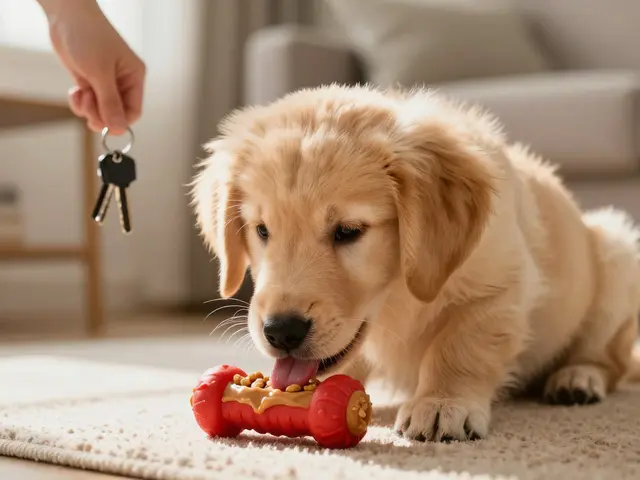
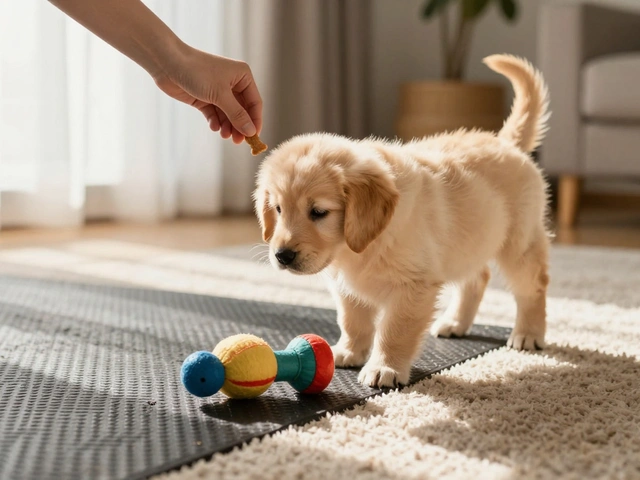
- The Reward Loop: Every single time your dog looks at you after hearing the new name, give them a treat or a piece of praise. You want them to think, "Every time I hear this new sound, I get something awesome."
- Short Sessions: Keep these "naming sessions" short-about 5 minutes, three times a day. Overloading them can make the process feel like work rather than a game.
| Method | Best For... | Pros | Cons |
|---|---|---|---|
| Abrupt Change | Puppies or very young dogs | Fastest transition | Can cause confusion in older dogs |
| Bridge Method | Adult rescues with strong bonds to old names | Low stress, high success rate | Takes longer (1-2 weeks) |
| Stay-the-Same | Dogs with no negative history/trauma | Zero learning curve | Potential for confusion with similar names |
Avoiding Common Training Pitfalls
One of the biggest mistakes owners make is using the name as a correction. If "Oliver" chews your shoe and you yell "Oliver! No!", you are teaching the dog that their name is a signal that something bad is happening. This creates a negative association. If you need to correct a behavior, use a generic "No" or a sharp sound, but keep the name strictly associated with positive outcomes.
Consistency is the other hurdle. If you're calling the dog "Oliver," but your partner is still calling them "Rex" because it's easier, the dog will remain in a state of linguistic limbo. Everyone in the house-including kids-needs to use the same name. If the kids struggle, give them a "nickname" version that sounds similar to the primary name.
Integrating Identity into the Bond
While we've established that dogs don't have a conceptual identity tied to a name, they do have an identity tied to you. The process of naming a dog is actually more about the human-canine bond than the dog's internal monologue. When you choose a name, you are assigning a role to that animal in your family. This is a great time to observe their personality. Do they act like a "Luna" (calm and ethereal) or a "Buster" (clumsy and energetic)?
Pay attention to Operant Conditioning, a learning process where the dog associates their behavior with a consequence. By pairing the new name with a specific, happy routine-like the morning walk or dinner time-you are embedding the name into the most positive parts of their new life. This transforms the name from a mere label into a signal of safety and love.
The Role of Body Language in Naming
Remember that dogs process information through multiple channels. They aren't just listening to the phonetics of the name; they are reading your posture, your tone, and your energy. If you say the new name with a high-pitched, happy tone, the dog is more likely to respond regardless of whether they fully "know" the word yet. This is because Auditory Processing in dogs is heavily influenced by the emotional valence of the sound.
If you notice your dog tilting their head when you use the new name, that's a great sign. It means they are actively trying to decode the new sound. When you see that head tilt, immediately reward them. You're essentially praising them for the act of listening, which speeds up the transition process significantly.
Will my dog be confused if I change their name?
Briefly, yes, but not in a way that causes distress. They might look around confusedly for a few seconds, but as long as you pair the new name with rewards, they will quickly adapt. They don't feel a loss of identity; they just see it as a new set of rules for getting treats.
How long does it typically take for a dog to learn a new name?
Most dogs pick up a new name within one to two weeks if you are consistent. Puppies usually learn faster (often in a few days), while older dogs with very strong bonds to a previous name might take a bit longer. The key is daily, short practice sessions.
Can I use a name that sounds similar to their old one?
Actually, this can be a great shortcut! If their old name was "Bella" and you want "Stella," the similar phonetic structure makes the transition much faster because the dog is already attuned to those specific vowel and consonant sounds.
What if my dog refuses to respond to the new name?
If they are ignoring you, your rewards might not be high-value enough. Switch from dry kibble to small pieces of boiled chicken or cheese. Also, ensure you aren't using the name in a boring or negative context. Make the name a "party"-whenever it's said, something exciting happens.
Should I change the name if the dog is highly anxious?
If your dog is in a state of shutdown or extreme anxiety (common in some shelter dogs), avoid changing the name for the first few weeks. Stability is more important than a new label. Once they trust you and their environment, you can introduce the new name using the bridge method.
Next Steps for New Owners
Once the name is locked in, move on to more complex cues. Now that they know who they are in your house, start teaching them "place" or "stay" using the same positive reinforcement techniques. If you're still seeing some resistance, consider a session with a certified trainer who specializes in rescue dogs to help you bridge the communication gap.
Keep a log of the treats that work best for your specific dog. Some dogs are motivated by food, others by a favorite tennis ball or a belly rub. Use whatever "currency" your dog values most to solidify their new identity and your bond with them.