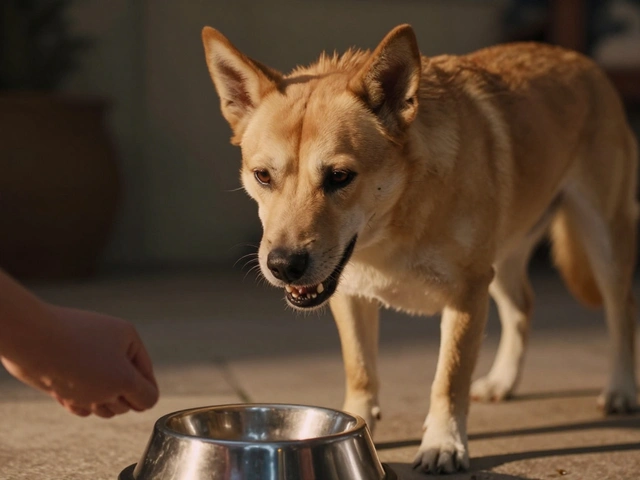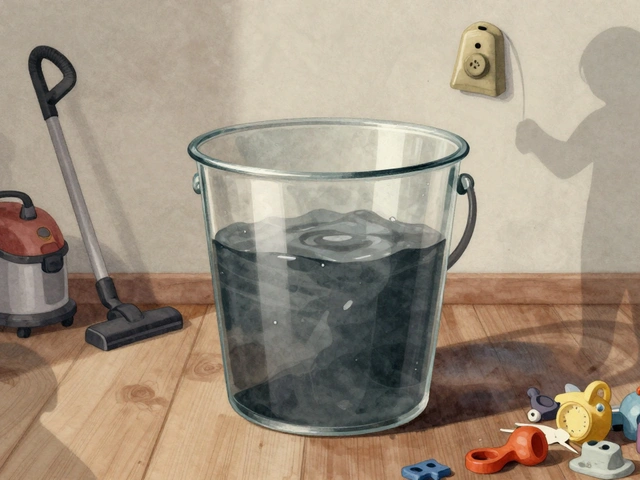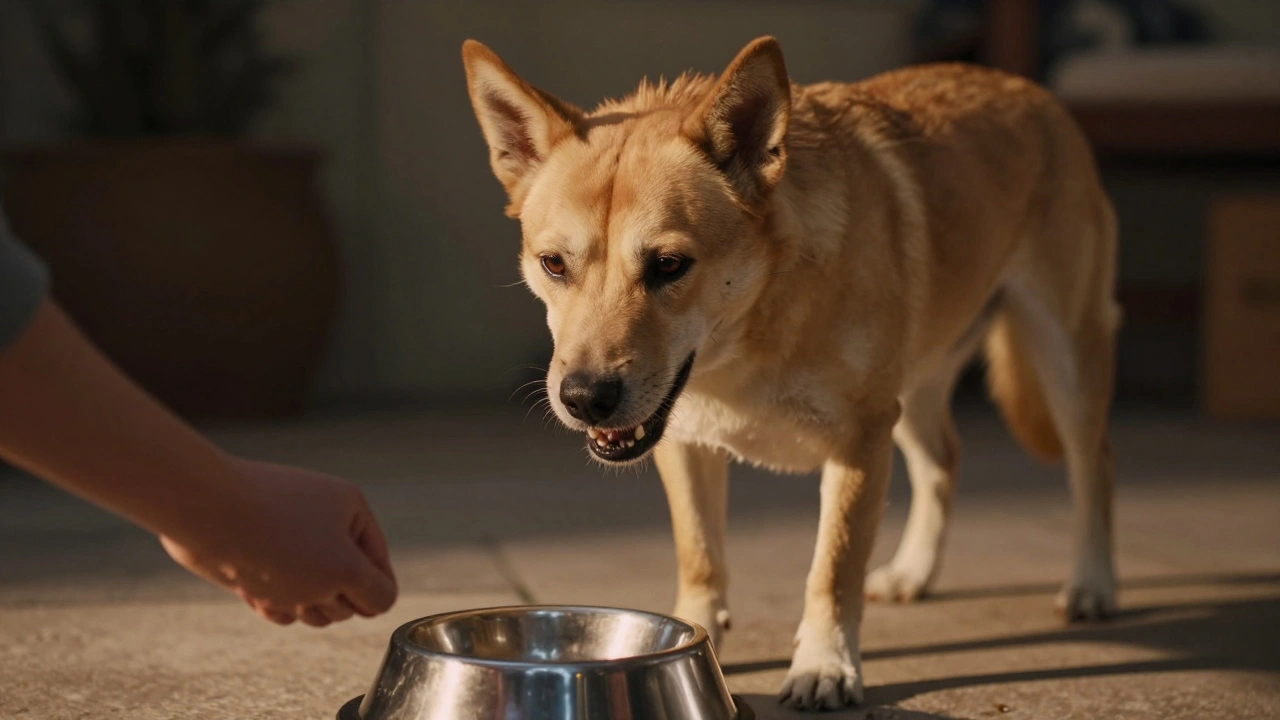
When a dog growls, snaps, or lunges, it’s not just scary-it’s a warning sign that something’s off. But not all aggression is the same. Some dogs bark loudly to scare off strangers. Others bite without warning. Knowing the difference can mean the difference between a manageable behavior issue and a dangerous situation. That’s why assessing aggression in dogs isn’t about labeling them as ‘bad’-it’s about understanding severity and risk so you can act safely and effectively.
What Does Dog Aggression Actually Look Like?
Aggression isn’t one thing. It shows up in many forms, and each tells a different story. A dog that growls when someone approaches its food is showing resource guarding. One that lunges at other dogs on leash is likely fearful or overstimulated. A dog that bites without any warning is a different case entirely. These aren’t just ‘bad habits.’ They’re communication. And if you don’t learn how to read the signs, you’re flying blind.Here’s what to watch for:
- Low-level aggression: Growling, stiff body, raised hackles, avoiding eye contact, or turning away. These are warnings. The dog is saying, ‘I’m uncomfortable.’
- Moderate aggression: Snapping without contact, air biting, or nipping. The dog is escalating. It’s trying to make you back off before things get worse.
- High-risk aggression: Biting that breaks skin, repeated attacks, no warning before biting, or biting with intense jaw pressure. These are red flags that require immediate professional intervention.
It’s easy to misread a growl as ‘bad behavior.’ But in reality, a growl is a gift. It’s the dog saying, ‘Stop before I have to bite.’ Dogs that never growl before biting are the most dangerous-not because they’re evil, but because they’ve learned that warning signals don’t work.
Why Context Matters More Than Breed or Size
People often assume big dogs or certain breeds are naturally aggressive. That’s outdated and dangerous. A 50-pound mixed breed that’s never been socialized can be far more unpredictable than a well-trained Rottweiler. What matters isn’t the dog’s appearance-it’s the context.Ask yourself:
- Where does the aggression happen? (Home? On walks? Around kids?)
- Who triggers it? (Strangers? Other dogs? Men in hats?)
- When does it happen? (When the dog is tired? After a loud noise? When someone reaches for its collar?)
A dog that growls at strangers on walks but is calm at home has a different issue than one that snaps when children hug it. The first might be fear-based overstimulation. The second could be pain or learned avoidance. Treating them the same will make things worse.
In Portland, where leash laws are strict and dog parks are packed, I’ve seen too many owners assume their dog is ‘just protective’-until a child got nipped at the park. That’s not protectiveness. That’s unaddressed fear. Context turns a vague problem into a clear plan.
How to Rate the Risk Level
Not every aggressive dog needs to be euthanized. But some do need urgent help. To figure out where your dog falls, use this simple three-part system:- Frequency: Does it happen once a year or every day?
- Intensity: Is it a snap without contact, or a bite that breaks skin?
- Predictability: Does the dog give warnings (growl, stiffen, freeze), or does it bite without any signal?
Here’s how to score it:
| Level | Frequency | Intensity | Predictability | Risk Rating |
|---|---|---|---|---|
| Low | Occasional (once every few months) | Growl, snap (no contact) | Clear warning signals | Manageable with training |
| Moderate | Monthly or weekly | Bite with skin break, no intent to harm | Some warning, sometimes sudden | Requires behaviorist + management |
| High | Weekly or daily | Severe bite, multiple bites, no warning | No warning, sudden attacks | High risk. Immediate professional help needed |
If your dog scores ‘High,’ don’t wait. Don’t try YouTube videos. Don’t rely on ‘it’ll grow out of it.’ That’s how injuries happen. In Oregon, a 2025 study from the Oregon Humane Society found that 87% of severe dog bites involved owners who delayed professional help for more than six months.
What Triggers Aggression? Common Causes
Understanding why your dog acts out is the first step to fixing it. Most aggression comes from one of five root causes:- Fear: The most common. Dogs that cower, tuck their tail, or avoid eye contact before snapping are scared. They’re not being dominant-they’re trying to escape.
- Pain or medical issues: A dog with arthritis, ear infections, or dental pain may snap when touched. Always rule out health problems first.
- Resource guarding: Protecting food, toys, beds, or even you. This often starts as a growl and escalates if punished.
- Redirected aggression: The dog is upset about something else (a loud truck, another dog on the other side of the fence) and snaps at the nearest person or animal.
- Learned behavior: The dog figured out that growling or biting makes people back off. It works. So it does it again.
One client I worked with thought her dog was ‘dominant’ because he growled when she tried to move him off the couch. Turns out, he had a herniated disc. Once he got pain meds, the growling stopped. No training needed.
What to Do Next
If you’ve noticed aggression, here’s your action plan:- Stop punishing. Yelling, alpha rolls, shock collars-they make fear worse. They don’t fix the root cause.
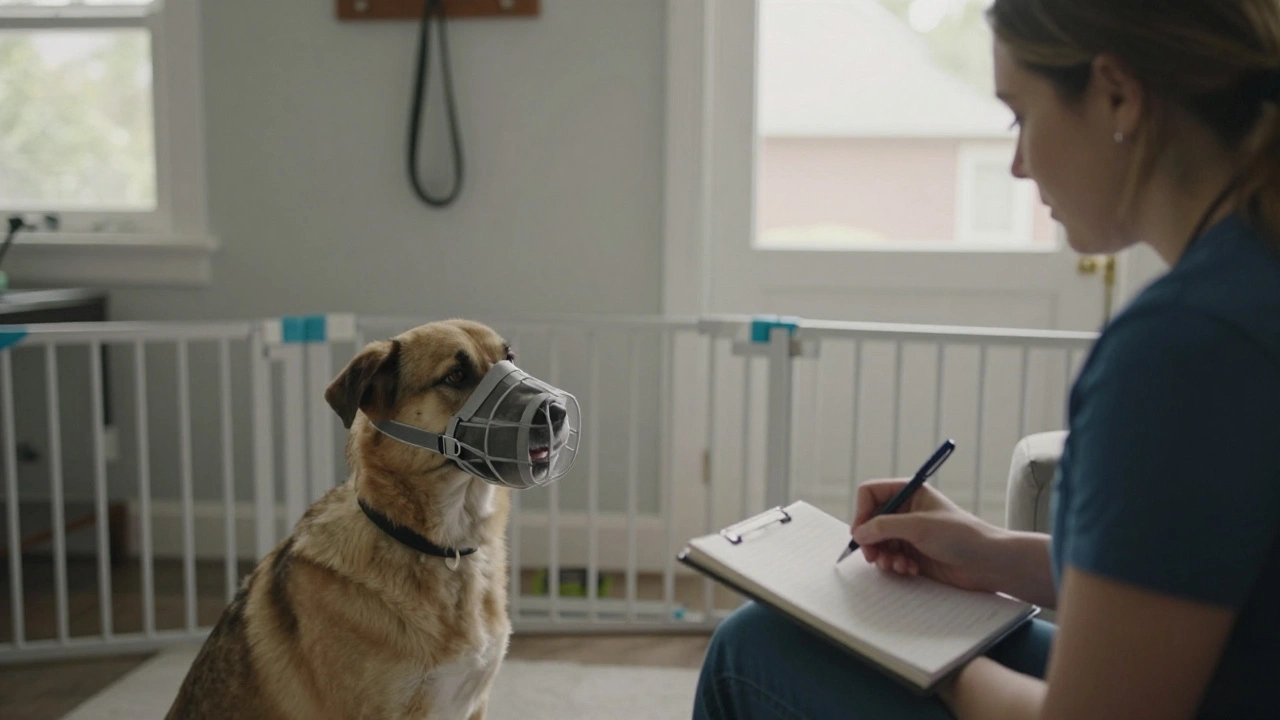
- Keep everyone safe. Use baby gates, leashes, muzzles (yes, they’re humane), and separate spaces if needed. Safety isn’t cruel-it’s responsible.
- See a vet. Rule out pain, thyroid issues, neurological problems. Even a minor infection can trigger aggression.
- Find a certified professional. Look for a certified applied animal behaviorist (CAAB) or a veterinary behaviorist. Avoid trainers who promise quick fixes or say ‘it’s all about dominance.’
- Track everything. Write down: date, time, trigger, behavior, duration, and what happened after. Patterns will show up.
Don’t try to fix this alone. Aggression isn’t a training problem-it’s a communication breakdown. And you can’t fix a conversation if you don’t understand what the other side is saying.
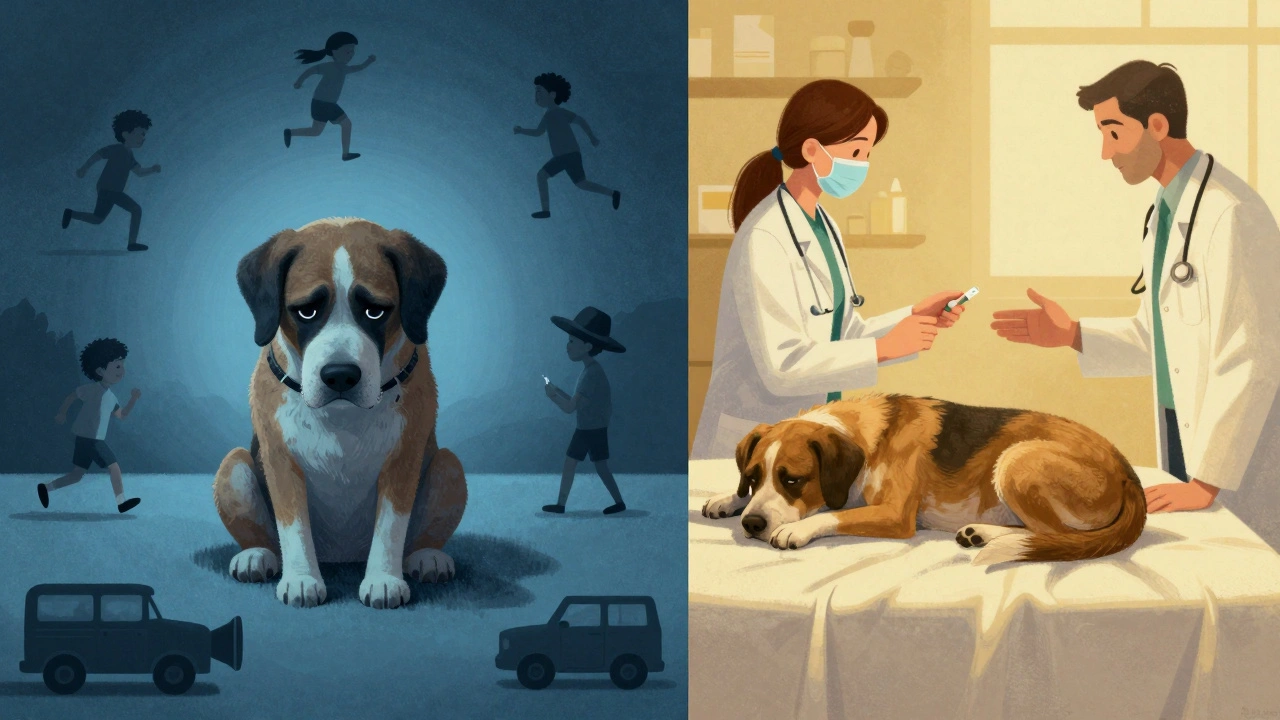
Myths That Put Dogs and People at Risk
There are dangerous myths floating around. Let’s clear them up:- Myth: ‘Only certain breeds are aggressive.’ Truth: Any dog can be aggressive if scared, in pain, or poorly socialized. Pit bulls aren’t inherently dangerous. Neither are Chihuahuas.
- Myth: ‘If you don’t correct it, it’ll get worse.’ Truth: Punishing aggression often makes it worse. Fearful dogs become more reactive. Painful dogs become more defensive.
- Myth: ‘My dog is fine with kids-he’s never bitten one.’ Truth: Dogs who’ve never been around kids might be fine until the moment a child runs, screams, or pulls their tail. That’s when the system crashes.
The goal isn’t to make your dog ‘calm’-it’s to make sure they feel safe enough to stop reacting. That takes time, patience, and the right help.
When to Consider Euthanasia
It’s the hardest question. No one wants to hear it. But sometimes, the risk is too high.If your dog:
- Has bitten a child or vulnerable adult with no warning,
- Has bitten multiple times despite professional intervention,
- Shows extreme aggression toward family members or visitors,
- And you’ve exhausted all options with certified professionals,
then euthanasia may be the most humane choice-for the dog and for your household.
This isn’t about failure. It’s about responsibility. Dogs don’t understand consequences the way we do. If they’re trapped in fear, pain, or learned aggression, and nothing helps, continuing to live that way isn’t fair to them. And it’s not safe for anyone else.
It’s okay to feel grief. It’s okay to feel guilt. But it’s also okay to choose safety. You’re not a bad owner for making this decision. You’re a responsible one.
Can a dog grow out of aggression on its own?
No. Aggression doesn’t disappear with time. If left unaddressed, it usually gets worse. A dog that growls at strangers today might bite next month. Fear and stress build up. Without intervention, the dog learns that aggression is the only way to make threats go away.
Is a muzzle a sign of failure?
No. A muzzle is a safety tool, like a seatbelt. It doesn’t fix the behavior, but it prevents injury while you work on it. Many dogs wear muzzles comfortably after a few days of training. It’s one of the most effective ways to protect people, other animals, and your dog from being euthanized after a single incident.
Can medication help with dog aggression?
Yes, in some cases. Anti-anxiety medications like fluoxetine (Prozac for dogs) or clomipramine can help reduce fear and reactivity when combined with behavior therapy. A veterinary behaviorist can determine if medication is appropriate. It’s not a cure, but it can make training possible for dogs who are too stressed to learn.
What’s the difference between a trainer and a behaviorist?
A trainer teaches commands like sit, stay, or leash walking. A behaviorist treats emotional problems like fear, anxiety, and aggression. They have advanced training in animal psychology, often with a degree in animal behavior or veterinary medicine. For aggression, you need a behaviorist-not a general trainer.
How long does it take to fix dog aggression?
There’s no set timeline. Mild cases might improve in 2-4 months with consistent work. Severe cases can take a year or more. Progress isn’t linear. Some weeks get better. Others slip back. That’s normal. The key is consistency, not speed. Focus on safety and small wins.