Key Takeaways for Your Journey
- Bonded pairs reduce separation anxiety by providing built-in social support.
- Training requires a "one-on-one" approach to prevent the dogs from mirroring bad behaviors.
- Financial and space planning must be doubled, from vet visits to chew toys.
- The "honeymoon phase" is real; expect a few weeks of high energy before a routine sets in.
What Exactly is a Bonded Pair?
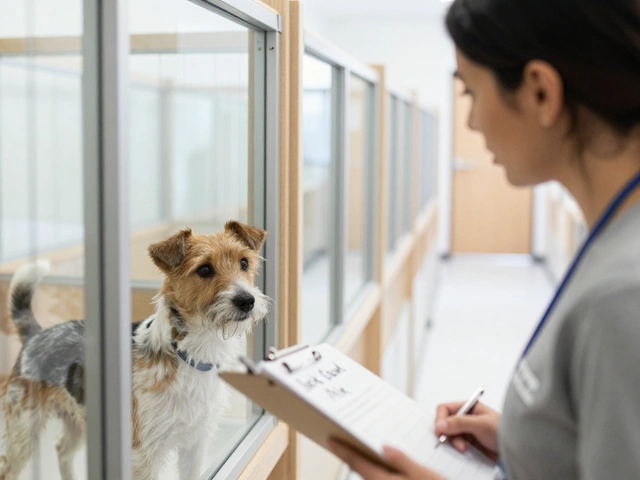
In the world of animal rescue, a Bonded Dog Pair is two dogs that have developed a deep emotional dependency on each other, often formed in high-stress environments like shelters or during shared traumatic experiences. These aren't just "best friends"; it is a relationship where the dogs rely on one another for psychological stability. If you separate them, you might see signs of severe distress, such as refusing to eat, constant howling, or complete lethargy.
When you adopt a pair, you are effectively bringing a pre-existing social structure into your home. Unlike adopting a single dog and then adding another later, there is no "introduction phase" between the animals. However, you still have to introduce them to you. This is where most owners get tripped up. They assume that because the dogs get along, the human element is a breeze. In reality, you are managing a pack dynamic from day one.
The Practical Pros and Cons of Double Adoption
It is easy to get swept up in the emotion of keeping two friends together, but you need to look at the logistics. Let's be honest about the trade-offs.
The biggest advantage is social stimulation. Dogs are pack animals. When they have a partner, they tire each other out through play, which often means less destructive chewing or digging in your living room. You'll also witness an incredible bond that can be heartwarming to watch-they'll sleep in a heap and groom each other while you're watching TV.
The downside? Everything is multiplied. Two sets of vaccinations, two heartworm preventatives, and double the amount of shedding. If one dog has an expensive stomach issue, there is a higher chance the other might pick up a similar bug or simply need a mirrored diet. You also have to consider the "double bark" effect-when one dog alerts to a delivery driver, the other usually joins in, creating a volume of noise that a single dog wouldn't produce.
| Feature | Single Dog Adoption | Bonded Pair Adoption |
|---|---|---|
| Emotional Support | Relies entirely on owner | Shared support between dogs |
| Training Difficulty | Focused and linear | Higher distraction (mirroring) |
| Cost (Food/Medical) | Baseline | ~2x Baseline |
| Exercise Needs | Owner-driven | Self-stimulating play + owner-driven |
Managing the Transition Period
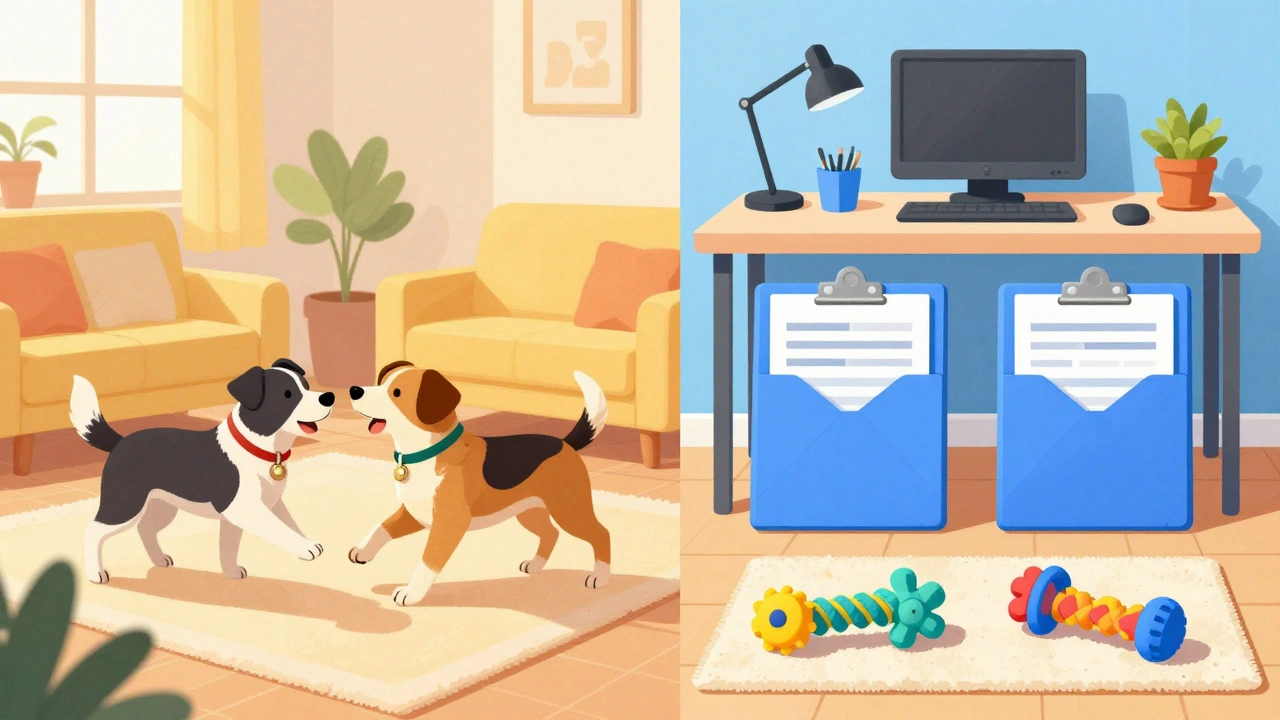
The first few weeks are the most critical. You are introducing a new environment to two animals who already trust each other but don't trust you yet. The biggest mistake people make is treating the pair as a single unit. If you only ever interact with them as "the dogs," they will never develop a strong individual bond with you.
Start with a "decompress and observe" phase. Give them a quiet area of the house with their own beds. Let them navigate the space together, but start incorporating small moments of individual attention. For example, take one dog into the kitchen for a treat while the other stays in the living room for just two minutes. This teaches them that they are safe even when they aren't physically touching.
You should also establish a strict routine. Dogs crave predictability. Feed them at the same time every day, use the same door for walks, and keep a consistent sleep schedule. Because they feed off each other's energy, if one dog gets anxious and starts pacing, the other will likely join in. A predictable schedule lowers the overall cortisol levels in the house.
The Challenge of Individual Training
Training a bonded pair is significantly different from training one dog. You will encounter a phenomenon called "mirroring," where the dogs feed off each other's excitement or frustration. If Dog A decides that jumping up is the way to get attention, Dog B will almost certainly do the same, regardless of how well-behaved they were five minutes prior.
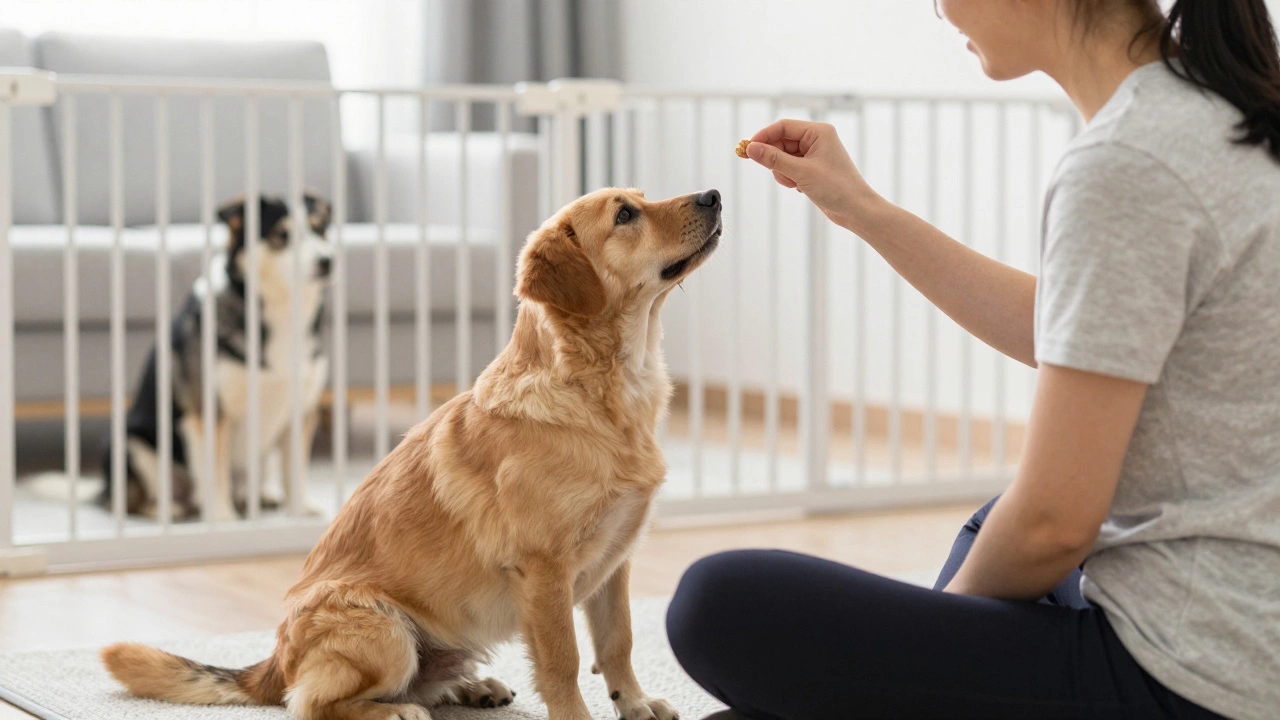
To solve this, you must implement One-on-One Training sessions. This is a process where you isolate one dog in a different room or behind a baby gate to work on basic commands like "sit," "stay," or "leave it." Without this, the dogs are simply performing for each other rather than listening to you.
- Isolate: Put Dog A in the yard or another room for 15 minutes.
- Focus: Work on high-value rewards (like small pieces of plain boiled chicken) to build an individual connection.
- Switch: Give Dog B the same dedicated time.
- Merge: Bring them together and reward them for staying calm while the other is present.
If you skip the individual work, you'll find that the dogs are "bonded" to each other but "detached" from you. You want them to be a team, but you also need to be the leader of that team.
Navigating Health and Lifestyle Logistics
When you adopt two dogs, your lifestyle changes instantly. You can't just "pop out" for a quick errand without considering if they've had enough exercise. In a bonded pair, the dogs often engage in what is known as "zoomies" together. This is great for burning energy, but it can also lead to accidental chaos in a small apartment.
From a health perspective, keep a detailed log for each dog. It is surprisingly easy to mix up which dog had their Rabies Vaccination or who is due for a flea treatment when they look similar or have similar temperaments. Use a digital app or a physical folder to track medical records separately.
Consider the financial ripple effect. While you might save on some things-like buying bulk bags of food-the emergency vet costs can be daunting. Many experienced owners of bonded pairs recommend Pet Insurance for both dogs. Having two policies is an investment, but it prevents a single bad week from becoming a financial crisis.
When the Bond Becomes a Problem
Not every bond is healthy. Sometimes, a bonded pair is actually a case of "codependency." This happens when one dog becomes so anxious without the other that they cannot function. This is often seen in dogs with severe separation anxiety. If you notice that one dog panics violently the moment the other is moved five feet away, you are dealing with more than just a friendship.
In these cases, you might need the help of a certified behaviorist. The goal is to shift the bond from "I cannot survive without you" to "I love being with you, but I am okay on my own." Using tools like "place training" (teaching a dog to stay on a specific mat) can help create a healthy amount of physical and mental space between the two animals.
Will adopting two dogs at once be too overwhelming for a first-time owner?
It can be, but it depends on the dogs' ages and temperaments. Adopting two senior dogs who just want to nap is much easier than adopting two high-energy puppies. If you are a first-time owner, the biggest challenge isn't the dogs themselves, but the time commitment. You'll need to dedicate more hours to training and socialization than you would with a single pet. However, the mutual support the dogs provide can actually reduce the stress of the adoption process.
How do I handle feeding time to prevent fights?
Even the closest bonded pairs can develop "resource guarding" over food. The safest way to handle this is to feed them in separate areas-either in different rooms or with a physical barrier like a door or baby gate between them. This removes the competition element and allows each dog to eat in peace. Once they are fully settled and you are sure there is no guarding behavior, you can gradually move the bowls closer, but separate feeding is the gold standard for safety.
What if one dog is much more dominant than the other?
It is normal for one dog to be the "leader" of the pair. As long as this dominance doesn't involve aggression or bullying, it's usually fine. However, if the dominant dog is preventing the other from eating, sleeping, or accessing toys, you need to step in. Use your one-on-one training to build the confidence of the more submissive dog and set firm boundaries with the dominant one. Ensure both dogs have their own "safe zones" where they can retreat without being bothered.
Can I separate them for a few hours a day?
Yes, and you should. While it seems cruel to separate "best friends," allowing them to be independent is crucial for their mental health. If they are never apart, they may develop severe separation anxiety if one ever needs to go to the vet or groomer alone. Start with very short intervals-five or ten minutes-and reward them for being calm while separate. Gradually increase this time as they become more secure in their environment.
How do I know if the bond is genuine or just a result of shelter stress?
Shelter staff are usually the best judges of this because they observe the dogs daily. A genuine bond involves active seeking of the other dog's company, mutual grooming, and emotional mirroring. If the dogs simply "tolerate" each other because they are the only options in the kennel, that is not a bonded pair. Always ask the rescue for specific examples of their interactions-such as whether they sleep together or protect each other during stressful events-before committing to a pair.
Next Steps for New Pair Owners
If you've just brought your pair home, your first priority is a vet visit for both. Don't wait a week; do it in the first 48 hours. This ensures they are healthy and allows you to discuss a joint nutrition plan. After that, focus on the "Rule of Three": three days to decompress, three weeks to learn the routine, and three months to feel truly at home.
For those feeling overwhelmed, remember that it is okay to ask for help. A professional dog trainer can help you navigate the pack dynamics and prevent bad habits from taking root. The journey of adopting a bonded pair is more demanding than a single adoption, but the reward-seeing two lost souls find a home together-is unmatched.