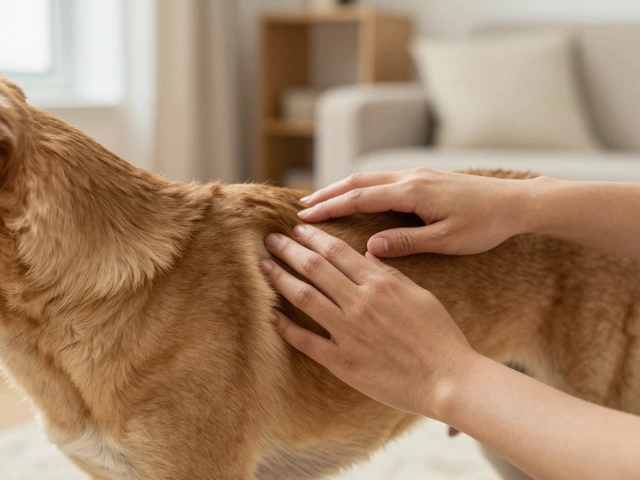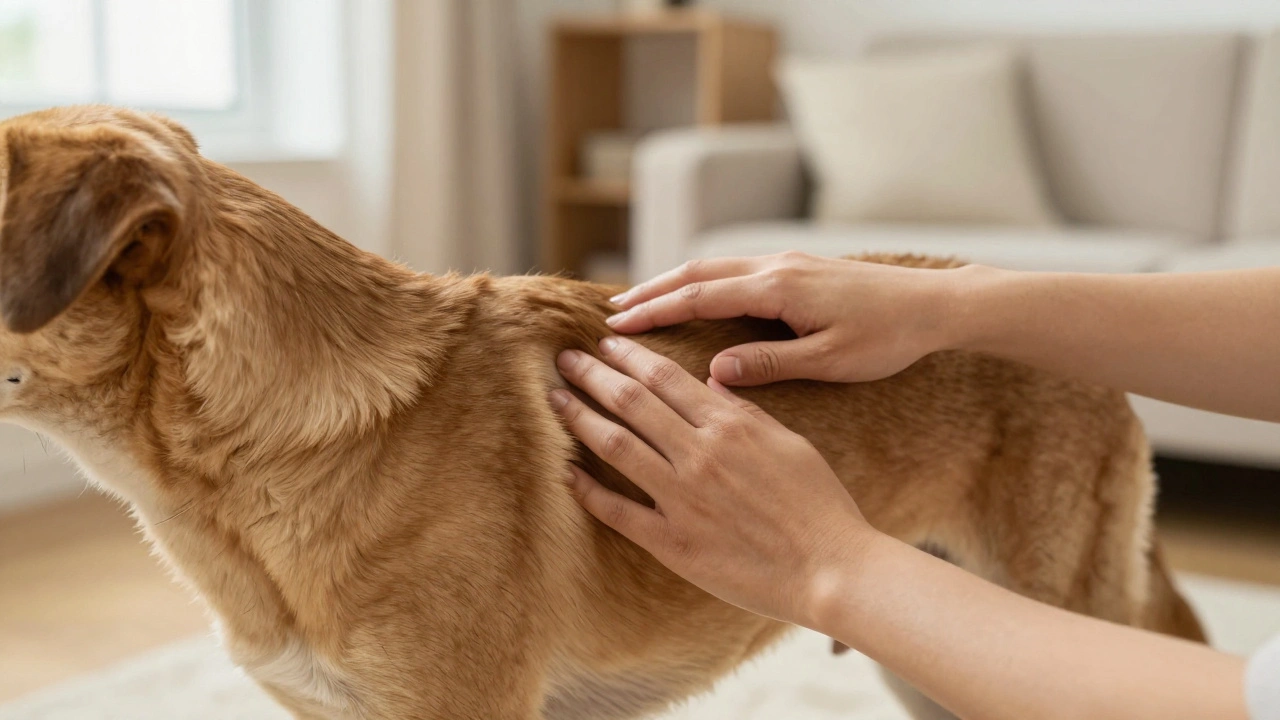
Look at your dog. Really look. Can you feel their ribs without pressing hard? Do they have a visible waist when you look from above? If the answer is no, or if you’re not sure, you might be dealing with one of the most silent crises in modern pet care. Dog obesity is a condition where excess body fat negatively impacts health, affecting nearly 56% of adult dogs in the United States as of recent veterinary surveys. It’s not just about aesthetics; it’s a ticking time bomb for joint disease, diabetes, and heart failure.
We often think of weight gain as a slow, inevitable part of aging. But that’s a myth. Weight gain is usually the result of small, daily choices that add up. The good news? You don’t need a radical overhaul to fix it. You need better daily habits. By adjusting how you feed, walk, and interact with your dog every single day, you can prevent obesity before it starts or reverse it if it’s already creeping in. Let’s break down the practical, science-backed habits that actually work.
The Foundation: Measuring Food Like a Pro
The biggest mistake owners make is trusting their eyes to portion food. “I just scoop a little bit” sounds reasonable until you realize that human hands are notoriously bad at estimating volume. Studies show that over 80% of owners who free-feed or estimate portions underestimate the calories by at least 25%. That extra quarter-cup of kibble adds up to hundreds of calories a week-enough to gain several pounds a year.
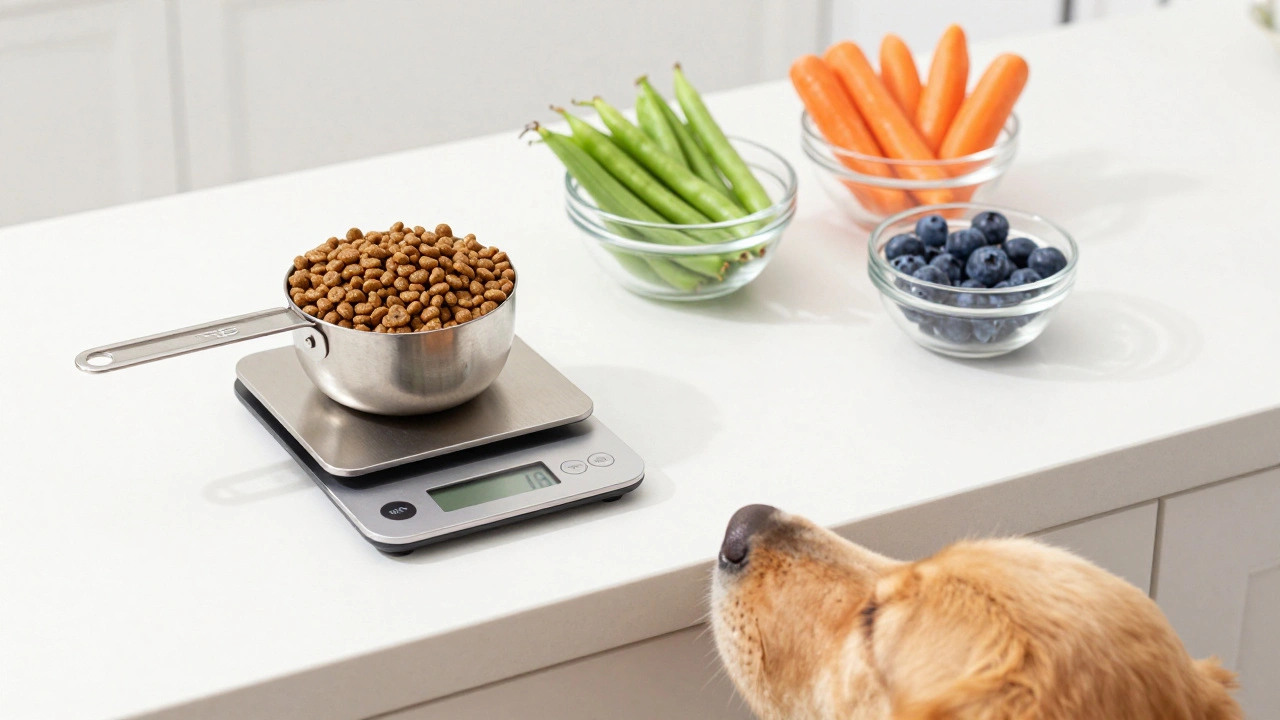
To stop this, you need to introduce precision into your routine. Buy a standard measuring cup set specifically for dry food and liquid. Weigh your dog’s daily ration on a kitchen scale once a month to ensure your cup hasn’t settled or packed down. If your dog eats dry kibble, measure it out every morning. Don’t leave the bag open for them to graze from. Grazing leads to mindless eating, which leads to weight gain.
If you mix wet food, remember that moisture content changes the calorie density. A cup of wet food isn’t equal to a cup of dry food in terms of energy. Check the label for “calories per can” or “calories per cup.” Consistency is key. Feed at the same times each day. This regulates their metabolism and prevents begging behavior, which often tricks owners into giving extra treats.
Rethinking Treats: The 10% Rule
Treats are the enemy of weight control if you aren’t careful. They are high-calorie rewards that often come in bite-sized packages designed to hide their nutritional impact. A single cheese cube can contain more calories than half a day’s worth of maintenance food for a small breed like a Chihuahua.
Stick to the golden rule: treats should never exceed 10% of your dog’s total daily caloric intake. For a 30-pound dog needing 900 calories a day, that’s only 90 calories from treats. That’s roughly two or three standard training biscuits. To stretch this budget, switch to low-calorie alternatives. Green beans, plain carrots, apple slices (without seeds), and blueberries are excellent options. They provide crunch and satisfaction without the fat bomb.
Another pro tip: use their regular kibble as training treats during obedience sessions. This keeps the reward system intact without adding extra calories. If you must give high-value treats, deduct those calories from their main meal. If you gave a 50-calorie treat, remove an equivalent amount of kibble from dinner. It takes a few minutes but saves your dog’s joints in the long run.
Exercise Beyond the Walk
A daily walk is great, but it’s not enough for many dogs, especially high-energy breeds. A 20-minute stroll burns maybe 50-100 calories depending on the size and speed. To truly prevent obesity, you need to increase the intensity and variety of movement. Think about canine fitness as having three components: cardiovascular exercise, strength building, and mental stimulation.
Cardio comes from brisk walking, jogging, or swimming. Swimming is particularly effective because it builds muscle without impacting joints, making it ideal for older dogs or those prone to arthritis. Aim for at least 30 to 60 minutes of moderate activity daily, split into two sessions if needed.
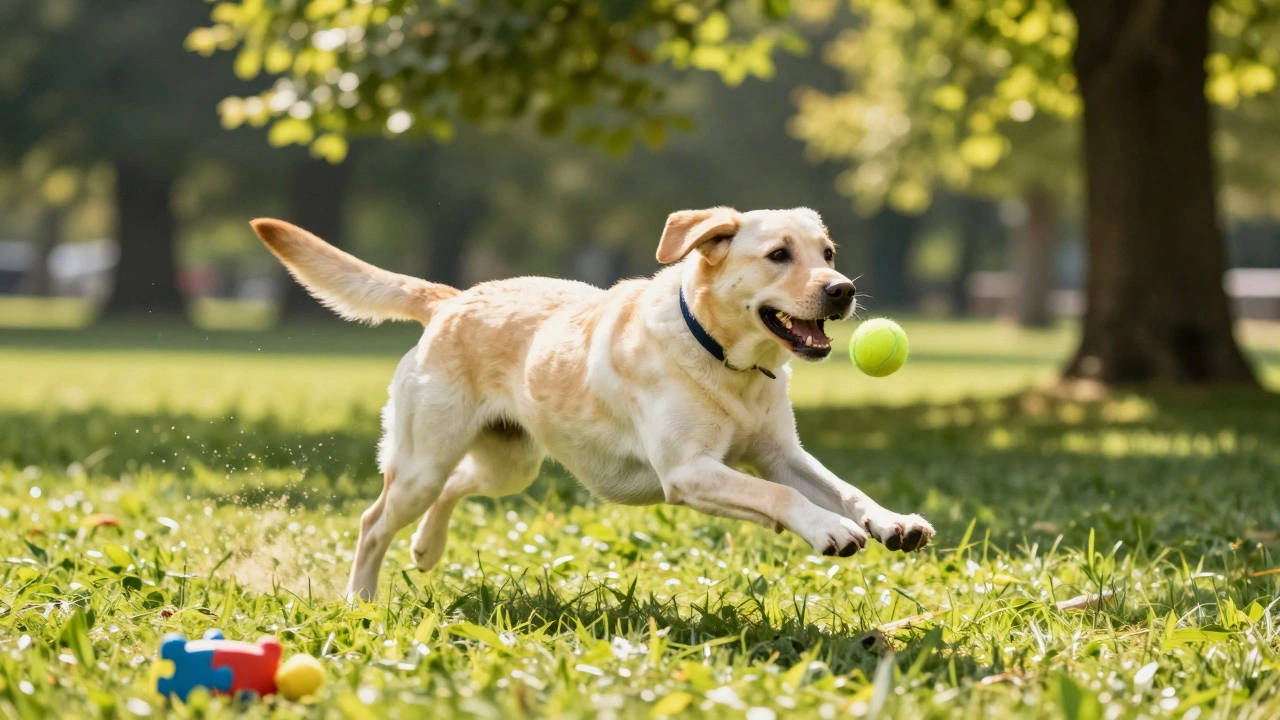
Strength building happens through play. Fetch, tug-of-war, and agility courses engage different muscle groups than walking does. When you throw a ball, encourage your dog to sprint, turn, and jump safely. These bursts of high-intensity activity boost metabolism long after the session ends, a phenomenon known as EPOC (Excess Post-exercise Oxygen Consumption).
Mental stimulation is often overlooked but crucial. A bored dog is a stressed dog, and stress can lead to comfort eating. Use puzzle toys, snuffle mats, or hide-and-seek games with their kibble. Making them work for their food engages their brain and slows down eating, which aids digestion and satiety signals.
Environmental Management: Designing for Success
Your home environment plays a huge role in your dog’s weight. If food is accessible, they will eat it. Counter surfing is a common issue where dogs learn that standing on the kitchen counter yields rewards. This habit is reinforced every time you leave food unattended.
Practice strict environmental management. Keep all human food out of reach. Use baby gates to restrict access to the kitchen during meal prep. Store treats in containers that your dog cannot open, not in clear jars on the pantry shelf. Visual cues trigger appetite; if they can’t see the food, they’re less likely to beg.
Also, manage other household members. Kids often sneak food to pets, thinking they’re being kind. Educate everyone in the house about the dangers of obesity. Create a unified front where no one gives table scraps. Table scraps are unpredictable in calorie content and often high in salt and fat, which can cause pancreatitis-a painful and dangerous condition linked to obesity.
Monitoring Progress: The Body Condition Score
You can’t manage what you don’t measure. Scales can be misleading because muscle weighs more than fat. A fit, muscular dog might weigh more than an overweight one but be healthier. Instead, rely on the Body Condition Score (BCS). This is a visual and tactile assessment used by veterinarians worldwide.
An ideal BCS is 4 or 5 out of 9. Here’s how to check it yourself:
- Rib Check: Place your hands on your dog’s sides. You should be able to feel their ribs easily with a thin layer of fat covering them. If you have to dig to find the ribs, they’re overweight. If the ribs are prominent and stick out, they’re underweight.
- Waist View: Look at your dog from above. There should be a noticeable indentation behind the ribs. An hourglass shape is ideal. A rectangular or barrel shape indicates excess fat.
- Abdominal Tuck: Look from the side. The abdomen should tuck up behind the rib cage. A sagging belly suggests visceral fat accumulation.
Check this score monthly. Take photos from the same angle to track visual changes. Small, gradual adjustments are better than drastic diets, which can cause muscle loss and metabolic slowdown.
| Habit Category | Obesity-Risk Behavior | Health-Promoting Behavior |
|---|---|---|
| Feeding | Free-feeding or eye-balling portions | Measured meals using a scale/cup |
| Treats | High-calorie store-bought treats >10% of diet | Low-cal veggies or kibble as treats |
| Exercise | Sedentary lifestyle, short walks only | Variety: cardio, strength, mental puzzles |
| Environment | Food left on counters, unrestricted access | Kitchen restricted, treats stored securely |
| Monitoring | Ignoring weight changes until vet visit | Monthly Body Condition Score checks |
Special Considerations: Age and Breed
Not all dogs are created equal when it comes to metabolism. Puppies need higher calories for growth, while seniors need fewer due to decreased activity levels. Adjusting food intake as your dog ages is critical. A senior dog that continues to eat puppy-level portions will inevitably become obese.
Breed also matters. Some breeds, like Labrador Retrievers and Beagles, have a genetic predisposition to overeating due to mutations in the POMC gene. These dogs have a stronger drive for food and require stricter portion control. Others, like Greyhounds, are naturally lean and may struggle to maintain weight. Always consult your veterinarian for breed-specific recommendations.
Neutered dogs also tend to gain weight because their basal metabolic rate drops by about 30% after surgery. If you’ve recently had your dog fixed, reduce their food intake by 20-25% immediately to compensate for the slower metabolism.
How quickly should I expect my dog to lose weight?
Aim for a gradual loss of 1-2% of your dog’s body weight per week. Rapid weight loss can lead to muscle wasting and gallstones. For example, a 50-pound dog should lose about 0.5 to 1 pound per week. Consistency in diet and exercise is more important than speed.
Is raw food better for preventing obesity?
Raw food diets can be healthy, but they are not automatically lower in calories. Many commercial raw diets are high in fat. The key is still portion control. Whether you feed kibble, wet food, or raw, you must measure the calories based on your dog’s individual needs. Consult a veterinary nutritionist if switching to a raw diet to ensure it’s balanced.
What if my dog begs for food constantly?
Begging is a learned behavior. Ignore it completely. Do not make eye contact or speak to your dog when they beg. Reward calm behavior instead. Provide mental stimulation with puzzle toys filled with frozen kibble to keep them occupied during mealtimes. Consistency from all family members is essential to breaking this habit.
Can supplements help with weight loss?
Supplements are not magic bullets. Some omega-3 fatty acids may support joint health during weight loss, but they do not burn fat. Glucosamine helps with mobility, allowing your dog to exercise more comfortably. However, no supplement replaces a calorie-controlled diet and regular exercise. Always talk to your vet before adding supplements.
When should I see a vet about my dog's weight?
If your dog has a Body Condition Score of 7 or higher, or if you notice sudden weight changes, see a vet. Underlying medical conditions like hypothyroidism or Cushing’s disease can cause weight gain. A vet can rule these out and create a safe, customized weight loss plan tailored to your dog’s specific health status.