Key Takeaways for Pet Parents
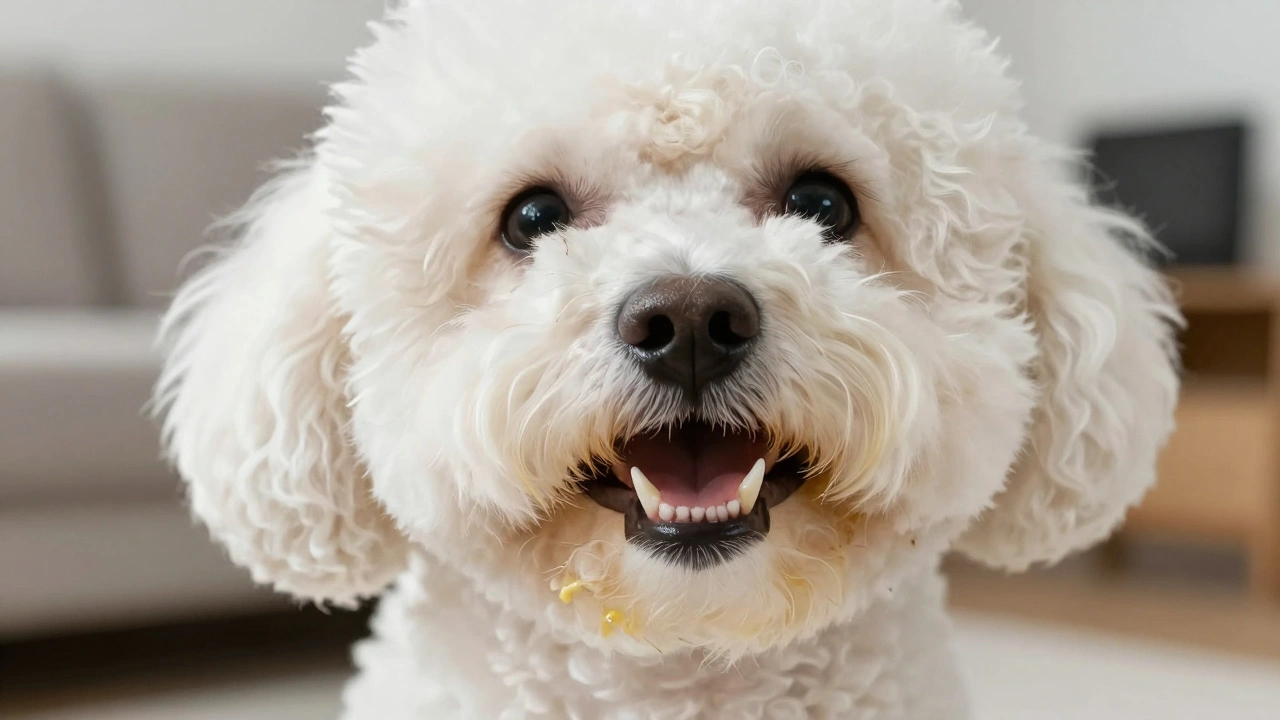
- Small mouths lead to crowded teeth, which create perfect hiding spots for plaque.
- Flat-faced breeds often struggle with saliva flow and tooth alignment.
- Dental disease isn't just about the mouth; it can lead to heart and kidney failure.
- Professional cleaning is a necessity, not a luxury, for high-risk breeds.
- Daily brushing is the only way to truly stop plaque from turning into tartar.
The Anatomy of a Dental Disaster
To understand why some dogs suffer more than others, we have to look at the physics of the mouth. Dog dental disease is a progressive inflammatory condition affecting the supporting tissues of the teeth, ranging from simple plaque buildup to severe periodontal disease. While every dog can get it, toy and brachycephalic breeds are essentially playing the game on 'hard mode'.
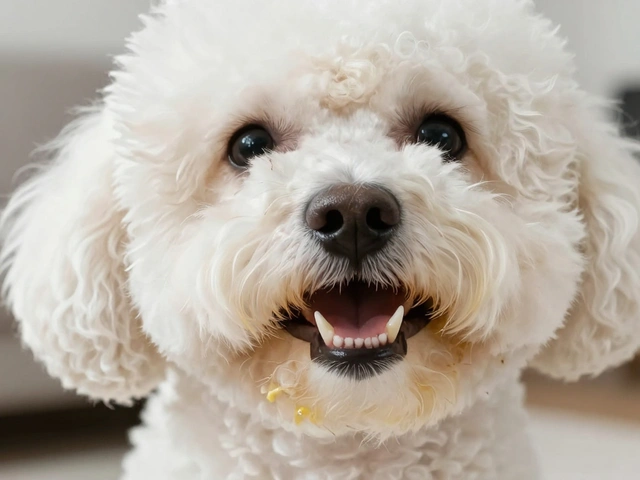
In larger breeds, there is usually enough room for teeth to sit comfortably. But in a Toy Poodle or a Yorkshire Terrier, the jaw has shrunk over generations, but the number of teeth hasn't always decreased proportionally. This results in overcrowding. When teeth overlap, you get tight crevices where food and bacteria get trapped. You can't brush a gap that's smaller than a piece of floss, and that's where the trouble starts.
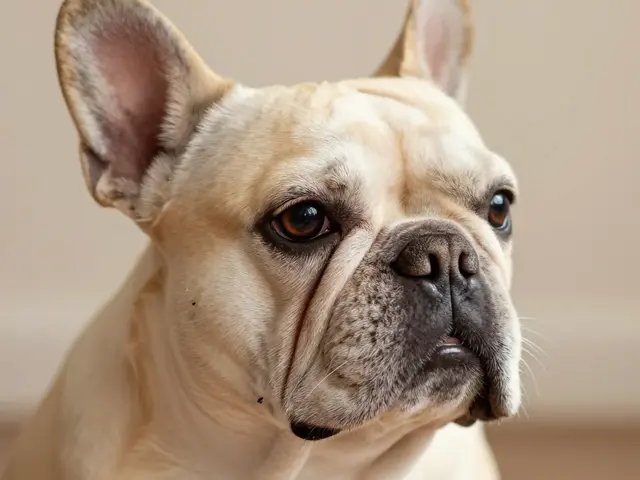
For the flat-faced crowd, the issue is different. Brachycephalic dogs-like Bulldogs and Pugs-have shortened facial bones. This doesn't just affect their breathing; it pushes their teeth into unnatural positions. Many of these dogs have a significant overbite or underbite, which changes how their tongue and cheeks interact with their teeth. Normally, the mechanical action of eating and licking helps clear some debris. In a Bulldog, that natural cleaning process is broken.
Plaque, Tartar, and the Silent Progression
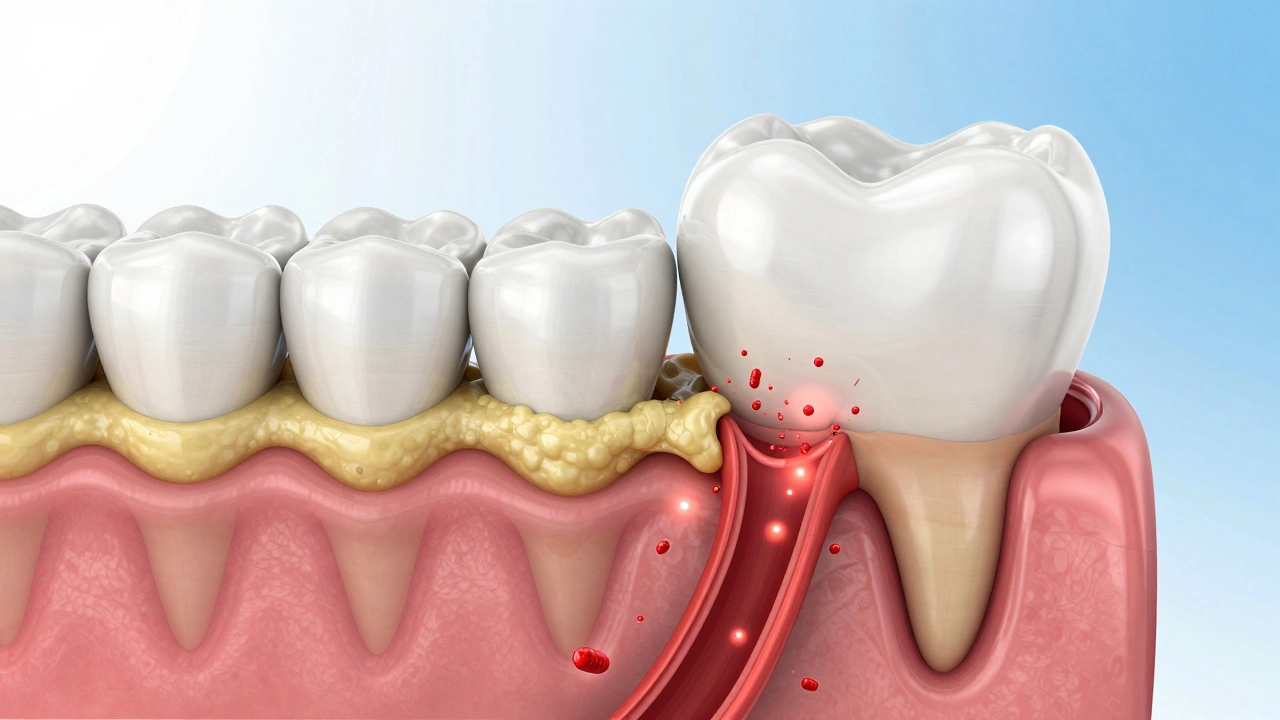
It all starts with Plaque, a sticky film of bacteria that forms on the teeth within hours of eating. If you don't remove it, the minerals in your dog's saliva turn that soft film into Calculus, also known as tartar. Think of tartar like concrete; once it hardens on the tooth, you cannot brush it off. You need a professional vet to scrape it away using ultrasonic tools.
In toy breeds, this process happens faster because the crowded teeth trap plaque more efficiently. By the time a Pomeranian is three years old, they may already have significant tartar buildup. This isn't just a cosmetic issue. The tartar pushes the gums away from the tooth, creating a pocket. Bacteria dive into these pockets, eating away at the bone and ligaments that hold the tooth in place. This is the transition from simple gingivitis to full-blown dog dental disease.
| Feature | Toy Breeds (e.g., Yorkie, Chihuahua) | Brachycephalic Breeds (e.g., Pug, Bulldog) |
|---|---|---|
| Primary Cause | Crowded teeth due to small jaw size | Malocclusion and abnormal jaw shape |
| Plaque Accumulation | High (trapped in tight gaps) | High (poor self-cleaning action) |
| Common Issues | Early tooth loss, severe decay | Gum recession, heavy tartar buildup |
| Risk Level | Critical | High to Critical |
The Dangerous Link: From Gums to Organs
Many people think a smelly mouth is just a nuisance. However, the mouth is a direct gateway to the rest of the body. When a dog has Periodontal Disease, the gums become ulcerated. This creates an open highway for bacteria to enter the bloodstream.
Once those bacteria hit the bloodstream, they travel. They often land in the valves of the heart, leading to endocarditis, or they settle in the filters of the Kidneys. In chronic cases, the kidneys have to work overtime to filter out the constant stream of toxins coming from the mouth. We've seen cases where a dog's kidney failure was actually accelerated by untreated dental disease. This is why a vet's dental checkup is actually a full-body health check.
Practical Prevention Strategies for High-Risk Dogs
If you have a high-risk breed, you can't just 'hope for the best'. You need a proactive system. The goal is to disrupt the bacteria before they can harden into tartar.
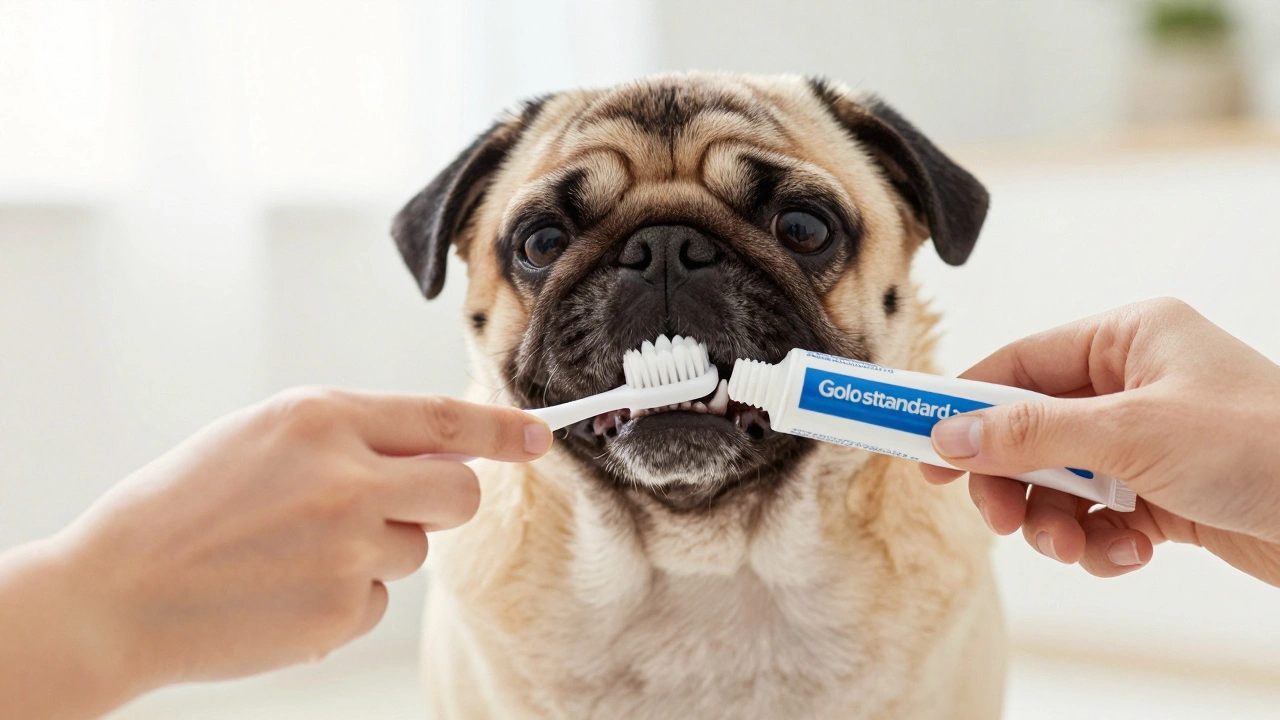
- Daily Brushing: This is the gold standard. Use a finger brush and dog-specific toothpaste (never human toothpaste, as xylitol and fluoride are toxic). Focus on the gum line where the tooth meets the flesh.
- Water Additives: While not a replacement for brushing, certain additives help reduce the overall bacterial load in the mouth by altering the pH of the saliva.
- Dental Chews: Not all chews are equal. Look for the VOHC (Veterinary Oral Health Council) seal. If a chew is too soft, it's just a treat. If it's too hard, it can crack a toy breed's fragile teeth. Medium-firm rubber toys are usually the safest bet.
- Professional Cleanings: For Toy and Brachycephalic dogs, a professional cleaning under general anesthesia every 1-2 years is often a medical necessity. The vet can perform dental X-rays to find infections hidden beneath the gum line that aren't visible to the eye.
Spotting the Warning Signs
Since dogs are masters at hiding pain, they won't tell you their teeth hurt. They'll just keep eating. You have to be the detective. Look for these red flags:
- The 'Stink': If the breath smells like rotting garbage or old fish, there's an active infection.
- Red Gums: Healthy gums are pale pink. If they look bright red or purple, especially along the edges, that's gingivitis.
- Behavioral Changes: Is your dog suddenly dropping food? Are they chewing on only one side of their mouth? This usually means a tooth is loose or an abscess has formed.
- Excessive Drooling: A sudden increase in saliva can indicate oral pain or a foreign object caught in those tight brachycephalic gaps.

Navigating the Vet Visit: What to Ask
When you take your dog in for a checkup, don't just let the vet do a quick glance. Be specific. Ask them to check for 'pocketing'-the gap between the tooth and the gum. If the vet finds pockets, it means the supporting bone is already being lost.
Ask about the need for dental X-rays. This is crucial for toy breeds because they often have 'slab' fractures or root abscesses that are completely invisible from the surface. A tooth might look fine on the outside but be completely rotten at the root. Without X-rays, you're just guessing.
Can't I just use dog dental treats instead of brushing?
Dental treats are helpful for slowing down plaque buildup, but they cannot remove existing tartar. For high-risk breeds like Pugs or Chihuahuas, treats are a supplement, not a solution. Brushing is the only way to physically scrub the biofilm off the teeth before it mineralizes.
Is anesthesia dangerous for my small dog during dental cleaning?
Any anesthesia has risks, but the risk of systemic organ failure from chronic dental infection is often higher. Modern veterinary medicine uses pre-anesthetic blood work and IV fluids to make the process very safe. A 'cleaning' without anesthesia is just a surface polish; it doesn't address the dangerous bacteria under the gums.
Why do Toy Poodles get dental issues more than Labs?
It comes down to space. Labs have large jaws that accommodate their teeth comfortably. Toy Poodles have very small jaws, leading to crowded teeth. These crowded areas act as traps for food and bacteria, making it nearly impossible to keep the teeth clean without intensive effort.
At what age should I start dental care for my puppy?
Start immediately. Even before their adult teeth come in, you should get them used to having their mouth touched. Use a soft cloth or a finger brush to gently rub their gums. If you wait until they are adults, they may fight you, making daily care much harder.
Do all brachycephalic dogs have dental problems?
Not every single one, but the vast majority are genetically predisposed. Their jaw structure almost guarantees some level of malocclusion (misaligned teeth), which naturally leads to higher rates of plaque accumulation and gum disease.
Next Steps for Different Dog Owners
If you have a puppy: Focus on 'mouth acclimation'. Spend five minutes every day lifting their lips and touching their teeth so they don't associate mouth-touching with stress.
If you have an adult dog with yellow teeth: Do not try to scrape the tartar off at home. You can easily crack the enamel or hurt the gums. Schedule a veterinary consultation and ask for a comprehensive oral exam with X-rays.
If you have a senior dog: Be very careful with hard chews. Senior dogs often have thinner enamel and more brittle teeth. Stick to soft dental gels or very soft rubber toys to avoid causing a tooth fracture that would require an expensive extraction.