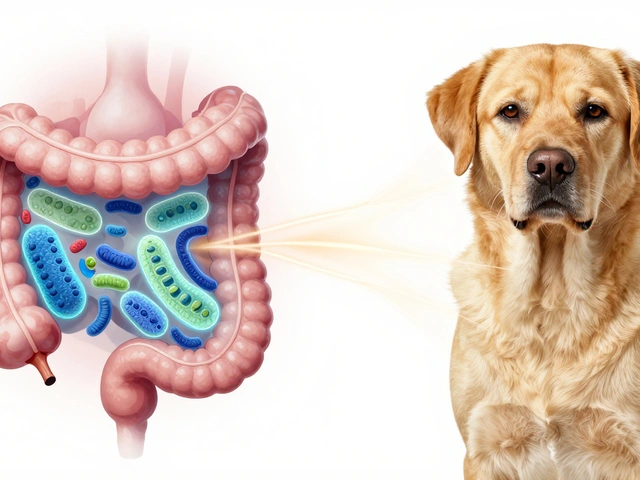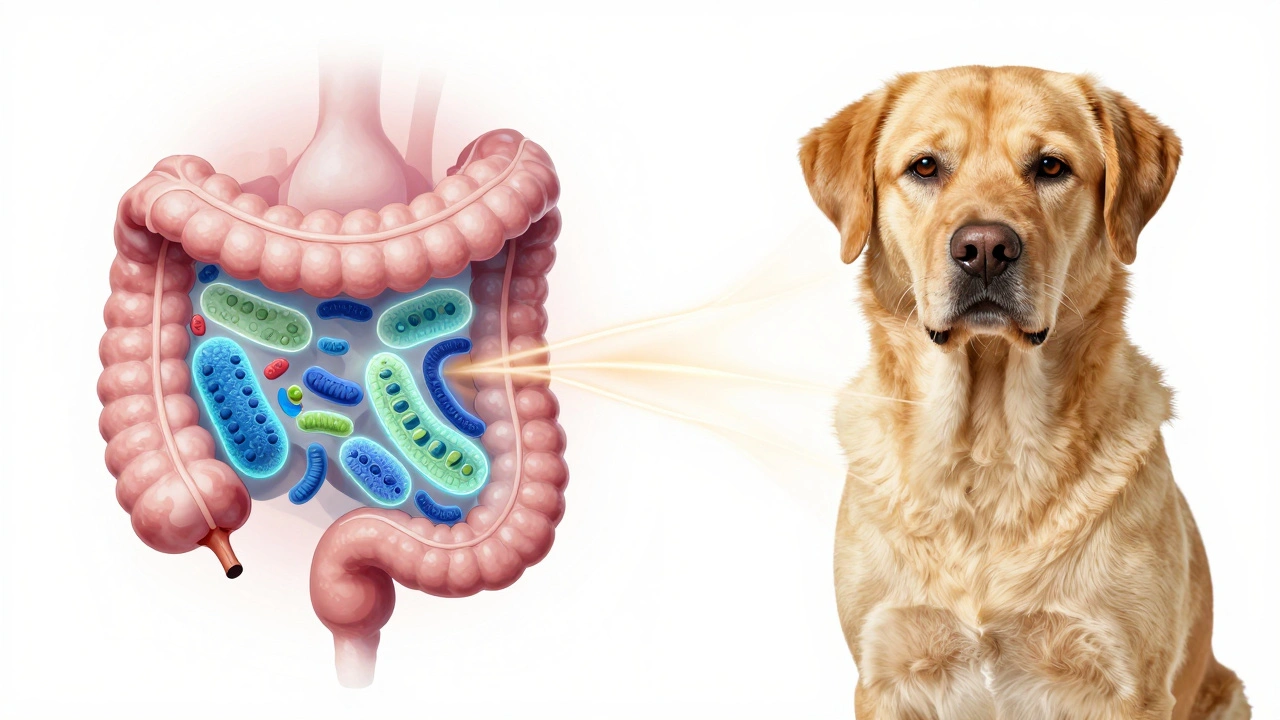
Itchy dogs are exhausting. You’ve tried the medicated shampoo, switched to a hypoallergenic kibble, and maybe even spent hundreds on allergy shots. Yet, your dog still scratches until they bleed. The missing piece might not be in their food bowl or on their coat-it’s likely inside their gut. Dog probiotics are no longer just a trend for digestive upset; they are becoming a frontline defense for canine skin allergies. Recent veterinary research points to a direct line between what happens in the intestines and what breaks out on the skin.
The Gut-Skin Axis: Why Your Dog’s Stomach Affects Their Fur
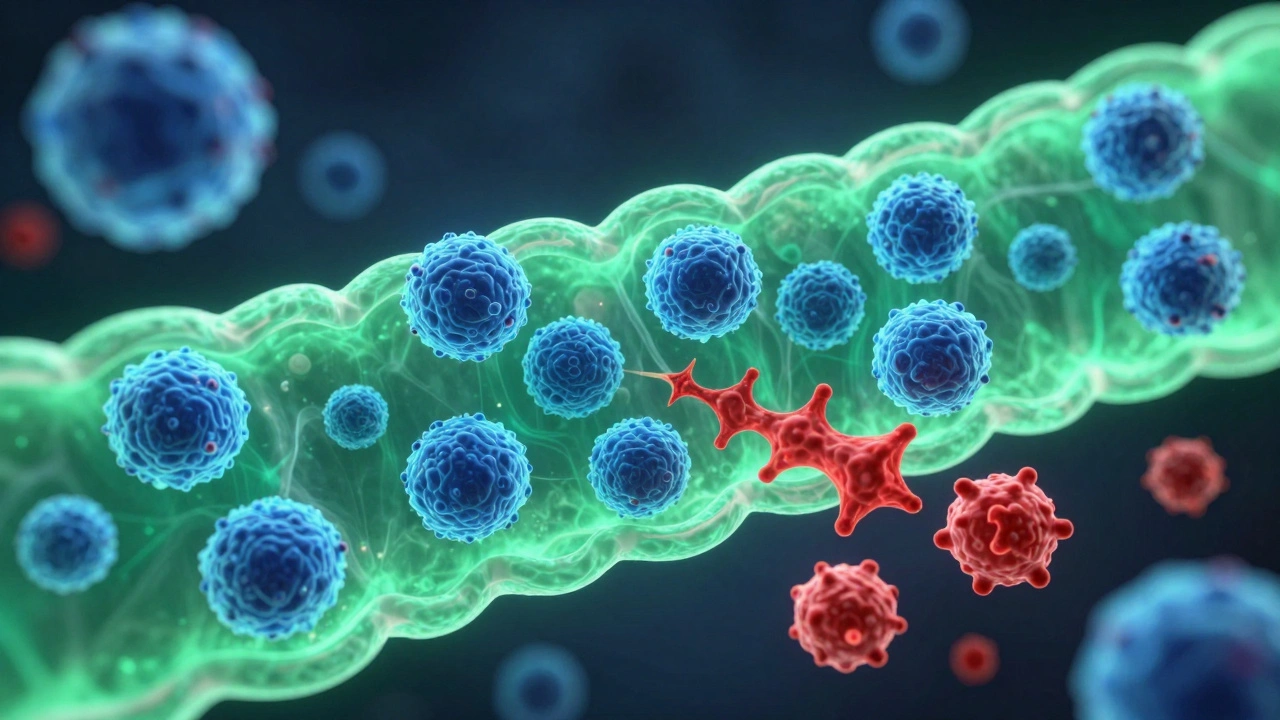
You might wonder how bacteria in the gut connect to red, inflamed ears. It comes down to the gut-skin axis. This is a bidirectional communication network linking the gastrointestinal system with the integumentary system (the skin). When the gut microbiome is balanced, it keeps inflammation low. When it’s disrupted-a condition called dysbiosis-the immune system goes into overdrive, reacting to harmless triggers like pollen or dust mites as if they were deadly threats.
In dogs with atopic dermatitis, studies consistently show a lack of microbial diversity compared to healthy dogs. Specifically, there is often an overgrowth of harmful bacteria and a shortage of beneficial strains like Lactobacillus and Bifidobacterium. By replenishing these good bacteria, you aren’t just helping digestion; you’re calming the immune response that causes the itch.
What the Science Actually Says
Let’s cut through the marketing noise. Not all probiotics work the same way, and not every claim is backed by data. However, several peer-reviewed studies have highlighted specific benefits for canine dermatology.
A notable study published in the Veterinary Dermatology journal found that supplementing dogs with specific probiotic strains reduced the severity of allergic skin reactions. The mechanism? Probiotics help strengthen the intestinal barrier, preventing "leaky gut" where toxins escape into the bloodstream and trigger systemic inflammation. Another key finding is that certain strains can modulate cytokine production-chemical messengers that tell the body to inflame or heal.
While probiotics won’t cure environmental allergies overnight, they act as a force multiplier for other treatments. They make immunotherapy more effective and can reduce the dosage of steroids needed, minimizing side effects like increased thirst or weight gain.
Key Strains That Matter for Canine Skin
Buying a generic "pet probiotic" from a gas station shelf usually won’t cut it. For skin issues, you need specific strains with proven efficacy. Here are the heavy hitters:
- Lactobacillus acidophilus: One of the most researched strains. It helps break down lactose and produces lactic acid, which inhibits the growth of pathogenic bacteria. Studies suggest it reduces itching scores in atopic dogs.
- Bifidobacterium animalis: Known for its ability to survive stomach acid and reach the intestines alive. It supports immune regulation and has been linked to improved skin barrier function.
- Lactobacillus rhamnosus GG: This strain is famous for its resilience. Research indicates it can reduce the incidence of diarrhea associated with antibiotic use, which is crucial since antibiotics often worsen skin conditions by wiping out good gut flora.
- Enterococcus faecium SF68: Often used in veterinary medicine, this strain has shown promise in managing inflammatory bowel disease and associated skin lesions.
When shopping, look for labels that list the specific strain (e.g., L. acidophilus NCFM) rather than just the species. If the label doesn’t specify the strain, you’re guessing.
| Strain | Primary Benefit | Best For | Survivability |
|---|---|---|---|
| Lactobacillus acidophilus | Reduces itching & inflammation | Atopic dermatitis | Moderate |
| Bifidobacterium animalis | Immune modulation | General skin sensitivity | High |
| Lactobacillus rhamnosus GG | Gut barrier repair | Post-antibiotic recovery | Very High |
| Saccharomyces boulardii | Fungal balance | Yeast infections | High |
How to Choose the Right Supplement
The market is flooded with products, but quality varies wildly. Here is how to separate the premium brands from the fillers.
1. Colony Forming Units (CFUs): Look for a product that delivers at least 1 billion CFUs per dose. More isn’t always better, but too little does nothing. For large breeds or severe cases, some vets recommend up to 5-10 billion CFUs daily.
2. Shelf Stability: Many probiotics require refrigeration to stay alive. If the bottle says "refrigerate" but was stored on a hot warehouse shelf, those bacteria are dead. Opt for freeze-dried or enteric-coated capsules that guarantee viability without cold storage.
3. Prebiotics Included: Prebiotics are the food for probiotics. Ingredients like chicory root or inulin help the good bacteria colonize the gut. A synbiotic product (probiotic + prebiotic) is often more effective than a probiotic alone.
4. Third-Party Testing: Reputable brands provide Certificates of Analysis (COA) showing the actual count of live organisms at the time of manufacture. Don’t be shy about asking customer service for this info.
Administering Probiotics: Dosage and Timing
Getting your dog to take the pill is half the battle. Most dogs will eat a capsule hidden in wet food, but powders can be mixed into meals. Here are the rules for success:
- Timing Matters: Give probiotics on an empty stomach or at least 30 minutes before a meal. Food increases stomach acidity, which can kill off fragile bacteria before they reach the intestines.
- Consistency is Key: Unlike pain meds, probiotics don’t work instantly. It takes 2-4 weeks to see changes in stool consistency and 4-8 weeks to notice improvements in skin health.
- Antibiotic Spacing: If your dog is on antibiotics, give the probiotic at least 2-3 hours apart from the antibiotic dose. Otherwise, the antibiotic will kill the probiotic.
Start with a lower dose to assess tolerance. Some dogs experience mild gas or bloating during the first few days as their microbiome shifts. This is normal and usually passes within a week.
Natural Sources vs. Supplements
Can you get enough probiotics from food? Yes, but it’s tricky. Fermented foods like plain yogurt, kefir, and sauerkraut contain live cultures. However, many commercial pet foods are cooked at high temperatures that destroy these bacteria. Raw diets may offer some benefit, but they carry risks of pathogens like Salmonella.
If you choose to feed fermented foods, ensure they are unsweetened and free of toxic ingredients like xylitol or onions. A spoonful of plain Greek yogurt can be a tasty treat, but it rarely contains the concentrated therapeutic doses needed for clinical skin conditions. For serious allergies, supplements remain the most reliable route.
When to See a Vet
Probiotics are supportive, not curative. If your dog has open wounds, fever, or lethargy alongside skin issues, see a vet immediately. These signs indicate infection or systemic illness that requires prescription medication.
Also, consult your vet before starting probiotics if your dog is immunocompromised. In rare cases, introducing new bacteria can cause complications in dogs with severely weakened immune systems.
How long does it take for probiotics to help dog skin allergies?
Most owners see initial improvements in stool quality within 1-2 weeks. However, significant changes in skin health, such as reduced itching and less redness, typically take 4 to 8 weeks of consistent daily use. Patience is critical because rebuilding the gut microbiome is a gradual process.
Can I give human probiotics to my dog?
While not toxic, human probiotics are formulated for human gut pH and metabolism. They may not survive the canine digestive tract effectively. Furthermore, some human formulas contain added sugars or flavors unsafe for dogs. Always choose a product specifically designed for canines to ensure safety and efficacy.
Do probiotics work for yeast infections in dogs?
Yes, particularly strains like Saccharomyces boulardii. Yeast infections often stem from an imbalance in the gut flora. By restoring bacterial diversity, probiotics can inhibit the overgrowth of Candida and other yeasts, reducing recurrent ear and skin infections.
Are there any side effects of giving probiotics to dogs?
Side effects are generally mild and temporary. They may include increased gas, bloating, or loose stools during the first few days as the gut adjusts. If symptoms persist beyond a week or worsen, discontinue use and consult your veterinarian.
Should I refrigerate my dog's probiotics?
It depends on the brand. Check the label instructions. Freeze-dried or enteric-coated probiotics are often shelf-stable. Liquid probiotics usually require refrigeration. If a product requires refrigeration but you leave it in a hot car, the bacteria likely die, rendering the supplement useless.