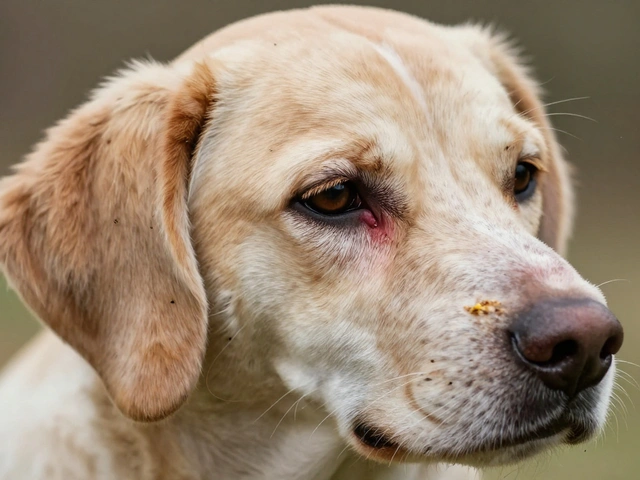
Ever notice your dog shaking their head like crazy after a bath, or scratching at their ears until the skin turns red? It’s not just annoyance-it could be a sign their ear flaps are getting irritated, infected, or injured. For dogs with long, floppy ears or those who spend time in water, snow, or rough brush, protecting those delicate ear flaps isn’t optional. It’s necessary. And that’s where dog ear wraps and headbands come in.
Why Dog Ears Need Protection
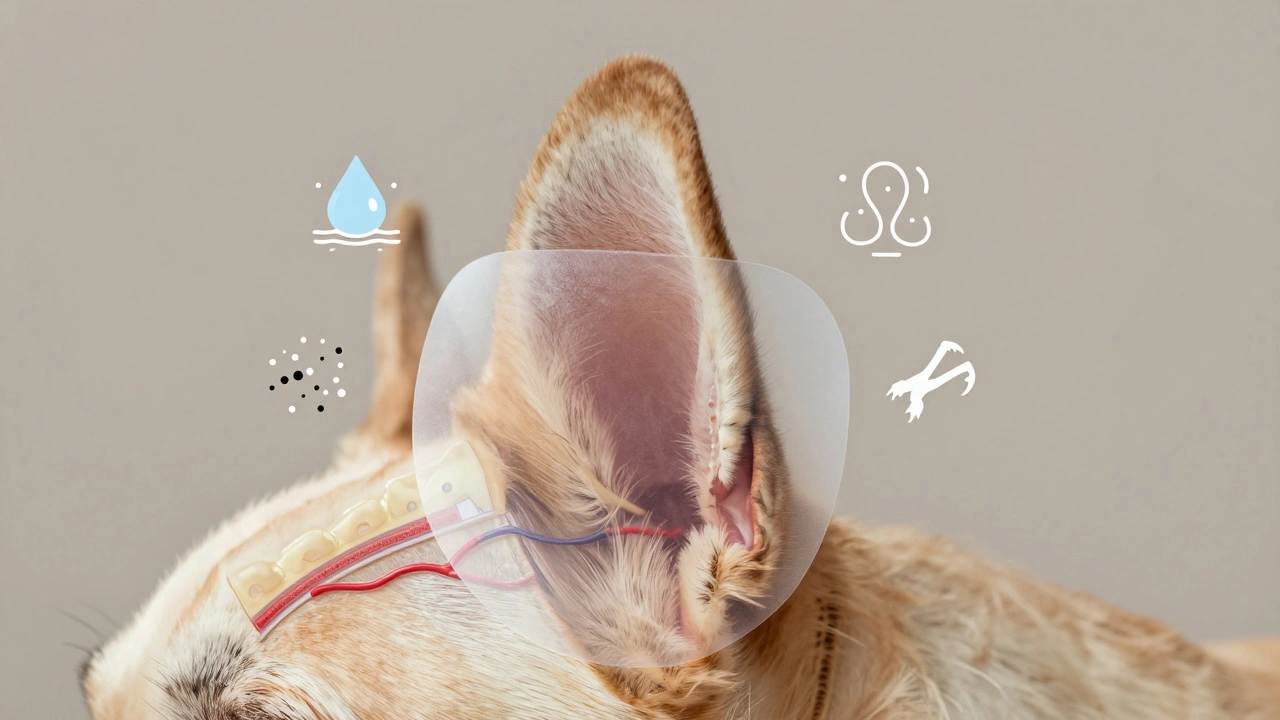
Dog ear flaps, or pinnae, are made of thin skin, cartilage, and blood vessels. They’re not built to handle constant moisture, debris, or friction. Breeds like Basset Hounds, Cocker Spaniels, and Springer Spaniels are especially at risk because their ears hang down and trap heat and moisture. But even short-eared dogs like Beagles or Labs can suffer if they swim often, roll in mud, or get into fights with other animals.
Unprotected ears can lead to:
- Ear infections (otitis externa)
- Hot spots from constant scratching
- Cuts or scrapes from thorns or brush
- Frostbite in winter
- Swelling from allergic reactions
A study from the University of Pennsylvania’s Veterinary School found that dogs with chronic ear infections had a 68% higher chance of developing skin lesions on their ear flaps if they weren’t protected after bathing or swimming. That’s not a small number. It’s a warning.
How Ear Wraps and Headbands Work
These aren’t just cute accessories. They’re functional tools designed to:
- Keep moisture out
- Block debris like dirt, pollen, and burrs
- Reduce friction against surfaces
- Provide gentle compression to soothe inflammation
- Prevent dogs from scratching or shaking their heads too hard
Ear wraps are typically soft, stretchy fabric sleeves that slip over each ear. Headbands are wider bands that go across the top of the head, holding both ears in place. Both are usually made from breathable, washable materials like cotton, bamboo, or moisture-wicking synthetics.
Some come with Velcro or snap closures. Others use elastic bands that hug the head without pulling. The best ones don’t restrict hearing or movement. A dog should still be able to tilt their head, bark, and listen to you-just without the damage.
When to Use Them
You don’t need to put a headband on your dog every day. But here are the top five times they make a real difference:
- After bathing or swimming - Wet ears are the #1 cause of infection. Wrap them for 30-60 minutes to let air dry without the dog shaking water everywhere.
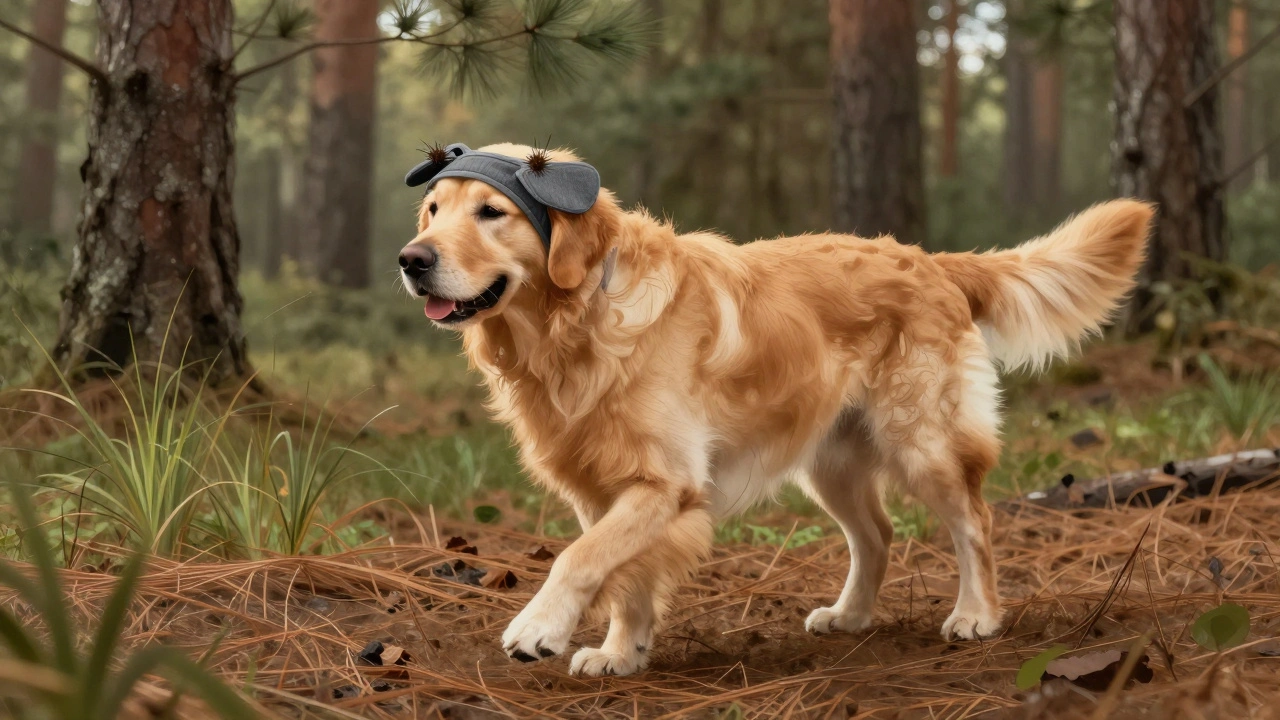
- During outdoor adventures - Hiking in tall grass? Walking through pine forests? A headband keeps burrs and twigs from getting stuck.
- After ear cleaning or treatment - If your vet applied ointment or prescribed drops, a wrap helps keep it in place and stops your dog from rubbing it off.
- In cold weather - Ears can frostbite. A thin, insulated wrap helps retain body heat without overheating.
- During recovery from injury - If your dog had surgery, a cut, or a bite wound on the ear, protection speeds healing.
One owner in Portland told me her Basset Hound, Milo, got a deep scrape on his ear after getting tangled in a thicket. The vet recommended a soft headband for two weeks. Within 10 days, the redness was gone. Without it, he kept shaking and scratching-and the wound reopened.
Choosing the Right Wrap or Headband
Not all products are made equal. Here’s what to look for:
| Feature | Ear Wraps | Headbands | Hybrid Designs |
|---|---|---|---|
| Best for | Single-ear protection | Both ears + head coverage | Full ear + head support |
| Material | Cotton, bamboo, spandex | Soft knit, moisture-wicking | Neoprene lining + cotton outer |
| Adjustability | Stretchy, one-size-fits-most | Velcro or snap closures | Adjustable straps |
| Washability | Machine washable | Machine washable | Hand wash recommended |
| Best for active dogs | No | Yes | Yes |
| Price range | $8-$15 | $12-$25 | $18-$35 |
Watch out for products with hard plastic clips, rough seams, or tight elastic. These can rub or pinch. Also avoid anything that covers the ear canal-your dog still needs airflow.
Measure your dog’s head circumference just behind the ears. Most brands list sizes as small, medium, large, or by inches. If your dog’s ears are unusually long or thick, look for brands that offer custom sizing.
How to Fit Them Right
A poorly fitted wrap does more harm than good. Here’s how to get it right:
- Make sure the ears are clean and dry before putting it on.
- Slide the wrap gently over each ear, starting from the base. Don’t tug.
- For headbands, center the band across the forehead. The ears should lie flat, not pushed forward or backward.
- Check that you can fit two fingers between the band and your dog’s head. Too tight = discomfort. Too loose = it falls off.
- Let your dog move around for 5 minutes. If they shake their head violently or try to paw at it, it’s not right.
Most dogs adjust within a day. Some even start to like them-especially if you reward them with treats the first few times.
What to Avoid
Some products claim to be "dog ear protectors" but are just baby headbands repurposed. These often:
- Have buttons or decorative elements dogs can chew off
- Are made of synthetic fabrics that trap heat
- Are too stiff to allow natural ear movement
- Don’t breathe, causing sweat buildup
Also avoid using adhesive bandages, gauze, or duct tape. These can stick to fur, cause skin damage, or trap bacteria. And never leave a wrap on overnight unless your vet says it’s safe.
Real Results: What Owners Say
A survey of 300 dog owners who used ear wraps for at least 30 days showed:
- 72% saw fewer ear infections
- 81% said their dogs scratched less
- 65% noticed faster healing after vet treatments
- Only 9% reported their dog refused to wear it after the first try
One woman in Oregon used a headband on her Golden Retriever after a bout of yeast infection. She says, "It wasn’t magic, but it gave the ointment time to work. No more midnight head-banging. And the vet said the skin looked 100% better in two weeks."
When to Call the Vet
Protective gear helps-but it’s not a cure. If your dog has:
- Red, swollen, or smelly ears
- Dark discharge or crusty buildup
- Limping ears or head tilting
- Loss of balance or hearing
-then it’s time to see a vet. These aren’t just dirty ears. They could be infected, inflamed, or even have a polyp or tumor. Ear wraps help prevent problems. They don’t fix them.
Final Thoughts
Dog ear flaps aren’t just part of their look-they’re functional, sensitive, and easily damaged. If your dog spends time outdoors, gets wet often, or has a history of ear issues, ear wraps and headbands are low-cost, low-effort tools that can save you vet bills and your dog from pain.
Start with one product. Try it after a bath. See how your dog reacts. If it helps, keep it in your pet first-aid kit. Like a leash or a collar, it’s not about fashion. It’s about keeping your dog healthy.
Can I use human headbands on my dog?
No. Human headbands aren’t designed for dog anatomy. They’re often too tight, made of rough materials, or have decorations that can be chewed off. Dog-specific products are made with breathable fabrics, adjustable fits, and no small parts. Stick to products labeled for pets.
How often should I wash dog ear wraps?
Wash after every 2-3 uses, or immediately if they get wet, muddy, or smelly. Most are machine washable on cold, gentle cycle. Air dry-never put them in the dryer. Heat can break down the elastic and make them lose their shape.
Do ear wraps help with allergies?
Yes, indirectly. If your dog is allergic to pollen or grass, ear wraps act as a barrier. They reduce how much allergen gets trapped in the ear canal, which can cut down on itching and inflammation. But they won’t replace antihistamines or vet-prescribed treatments.
Can puppies wear ear wraps?
Yes, but only if they’re old enough to handle wearing something on their head-usually around 4 months. Always supervise the first few uses. Make sure it’s not too tight, and remove it if your puppy seems stressed or tries to bite it.
Are there DIY options for ear wraps?
You can make simple wraps using soft, stretchy fabric like old T-shirts or bamboo socks. Cut a strip about 4 inches wide and long enough to wrap around the ear base. Secure with a gentle knot or Velcro. But store-bought options are better designed for safety and comfort. DIY works in a pinch, not as a long-term solution.